Key Takeaways
- Hillsborough County is a primary-care Health Professional Shortage Area, so confirm same-day access and new-patient availability before booking, even though the county has one primary care physician per 747 residents.
- Verify insurance at the individual doctor and location level, not just the clinic, and confirm copays, deductibles, and referral rules; 13.1% of county residents lacked insurance in 2023.
- Ask whether a clinic offers sliding-fee or self-pay options and request a clear price list, since community health centers may provide income-based discounts for uninsured or underinsured patients.
- Prioritize clinics that coordinate referrals, share records with specialists, and schedule consistent follow-ups for chronic conditions like diabetes and high blood pressure.
Choosing a primary care clinic in Tampa is one of the most important health decisions you can make. Your clinic becomes your first stop for checkups, new symptoms, screenings, and long-term health planning. A strong match can catch problems early. A poor match can leave you waiting, confused, and bouncing between offices.
Tampa has many options, from large medical groups to community health centers and veterans' facilities. That variety is helpful, but it also makes the choice harder. Access is a real concern, too. Hillsborough County's 2025 pediatric community health needs assessment identifies the county as a primary-care Health Professional Shortage Area, even with several health systems and clinics nearby.
This guide walks through ten practical factors to compare before you book. Whether you are a busy parent, a tech-savvy professional, or someone who wants to be proactive about wellness, these points will help you choose with confidence. For a broader look at the process, see this guide on how to choose the right primary care physician in Tampa Bay.
1. A Full Range of Preventive and Everyday Services
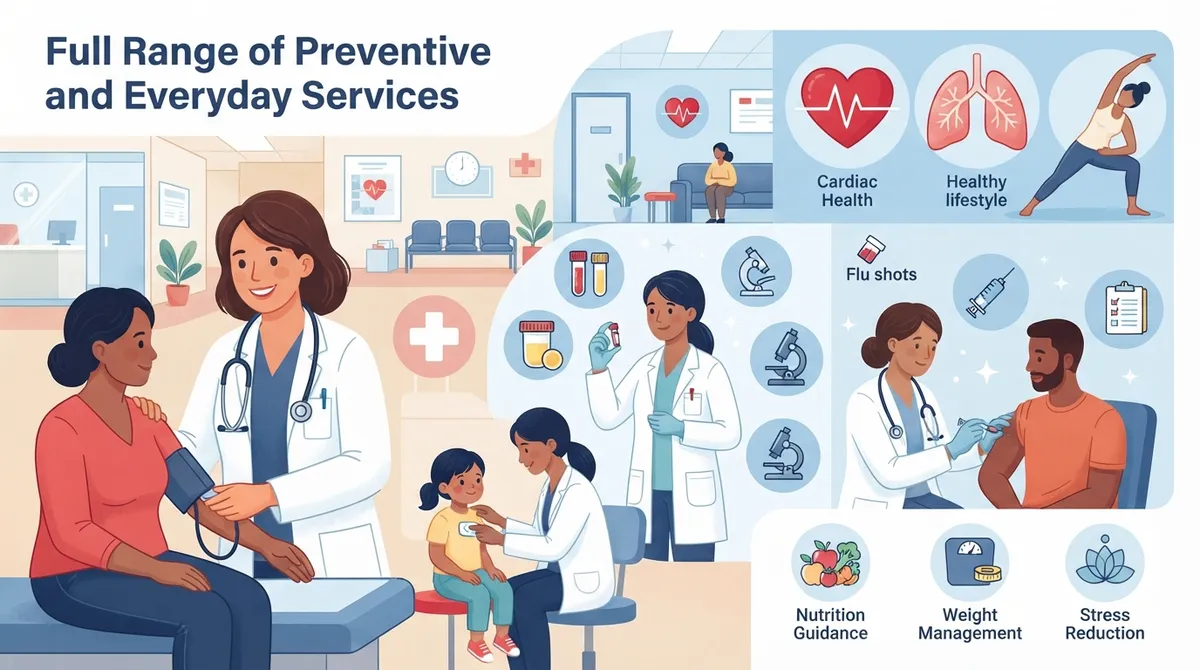
A good primary care clinic in Tampa should handle more than sick visits. Most clinics offer annual physicals, immunizations, evaluation of new symptoms, and ongoing management of chronic conditions. Services and clinician availability vary, so confirm what each clinic actually provides.
Look for a clinic that treats prevention as a core service. That includes screenings, lab work, and health risk reviews. If you want to understand what a complete visit looks like, read about what a family medicine clinic actually does for you.
Questions to Ask
- Do you offer annual physicals and vaccines on site?
- Can you order and review lab work in-house?
- Who manages my care if I have a chronic condition?
2. Insurance Acceptance That You Have Confirmed
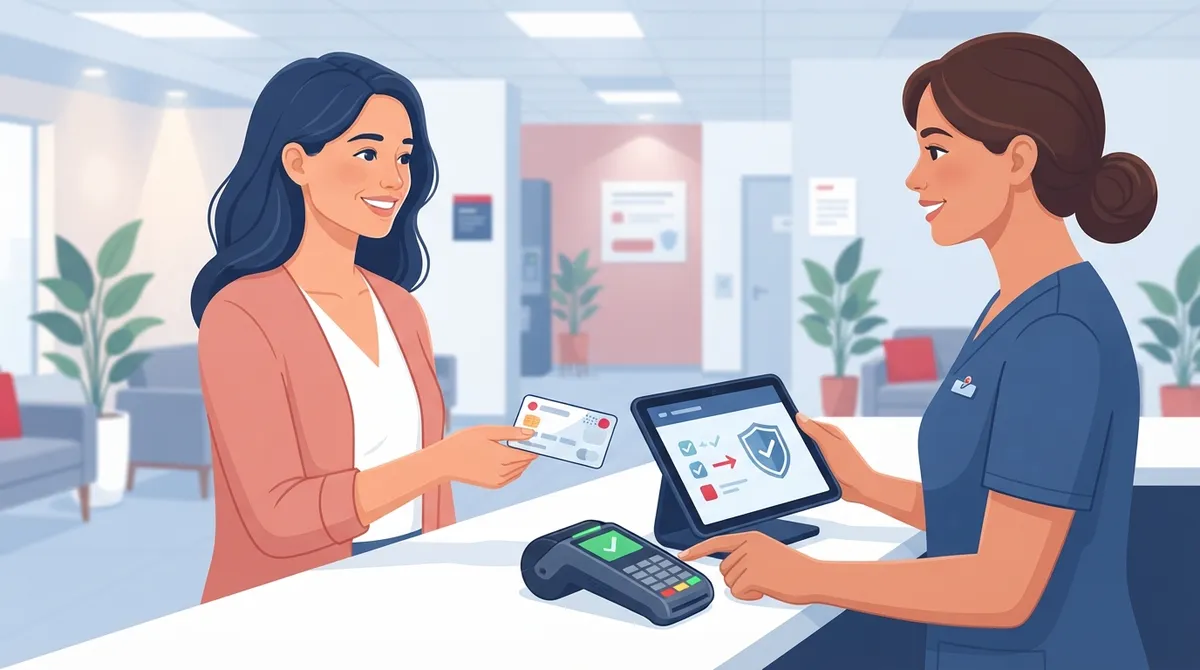
Insurance participation differs by clinic, provider, and plan. A clinic may accept your insurer, but the specific doctor or location may not. Always verify the clinician and the address, then confirm copays, deductibles, and any referral rules before you book.
This matters because coverage gaps are common. Hillsborough County's assessment, citing 2023 data, reports that 13.1% of residents lacked health insurance. Among adults ages 19 to 64, the figure was 16.1%. If cost is a concern, ask about self-pay options up front.
3. Appointment Availability and Same-Day Access
Long waits are one of the biggest frustrations in primary care. Ask how soon a new patient can be seen and how the clinic handles urgent needs. Some practices offer same-day visits, while others book weeks out.
Tampa's supply of clinicians is a useful backdrop. The county assessment lists one primary care physician per 747 residents, compared with 858 to 1 statewide and 879 to 1 nationally. That ratio is better than average, yet access still depends on the individual practice. Learn more about same-day appointments and fast primary care and about how to find doctors accepting new patients.
4. Telehealth and Digital Tools
Many Tampa patients, especially younger professionals and parents, want to skip the waiting room when they can. Some local providers offer telehealth, online scheduling, and patient portals. Whether a virtual visit fits depends on your needs and the clinic's policies.
Virtual care works well for medication follow-ups, lab review, and minor concerns. It does not replace an in-person exam when one is needed. Ask what types of visits can be done remotely and how results are shared.
5. Advanced Wellness and Screening Technology
If you want to go beyond a standard checkup, look for a clinic that blends primary care with modern testing. This is where a wellness-focused practice stands out. Options may include cancer screenings, metabolic testing, body composition analysis, and genetic insights.
InCare is a strong example of this approach. The clinic combines medical expertise with state-of-the-art technology, offering cancer screening, DNA gene testing, and metabolic breath analysis alongside everyday care. That mix lets patients focus on prevention and whole-body optimization in one place.
6. Chronic Condition Management
Diabetes, high blood pressure, asthma, and similar conditions need steady follow-up. A primary care clinician can track your numbers, adjust treatment, and coordinate with specialists. Continuity matters here, because the same team learns your history over time.
Ask how often the clinic schedules follow-ups and whether it uses remote monitoring or lab tracking. For more detail, explore how primary doctors help manage chronic illnesses.
7. Weight Management and Lifestyle Support
Many adults want help with weight, energy, and metabolism. A clinic that offers medically guided weight care can tailor a plan to your body rather than hand you a generic diet sheet. Look for programs that use measurable data, such as body composition and metabolic testing.
InCare offers personalized weight loss programs supported by advanced technology. That approach helps patients track real progress, not just the number on a scale.
8. Affordability and Sliding-Fee Options
Not every household has the same coverage. Community health centers may offer income-based sliding-fee discounts and care for people who are uninsured or underinsured. Tampa Family Health Centers and Metro Healthy Communities describe affordability programs, though eligibility and services should be confirmed directly with each organization.
If you are comparing costs, ask for a clear price list for visits and common services. Transparent pricing is a good sign of a patient-friendly clinic.
9. Care Coordination and Referrals
Your primary care clinician is your coordinator. When you need a specialist, they should send the referral, share records, and follow up on results. Fragmented care leads to repeated tests and missed details.
Ask how the clinic handles referrals and whether it communicates with local specialists and hospitals. You can read more about the difference in fragmented care versus coordinated care.
10. Convenience, Language Access, and Patient Experience
Practical details shape how often you actually use your clinic. Consider location, parking, hours, after-hours options, and language support. Online reviews can also reveal how a team treats patients day to day.
Here is a quick comparison to help you weigh common clinic types:
|
Clinic Type |
Best For |
Things to Confirm |
|---|---|---|
|
Large medical group |
Broad specialist network |
Wait times, which office accepts your plan |
|
Community health center |
Lower-cost or sliding-fee care |
Eligibility, services offered |
|
VA facility |
Eligible veterans |
Enrollment status, appointment process |
|
Wellness-focused clinic |
Prevention, advanced testing, personalized plans |
Insurance, self-pay pricing, service list |
InCare serves patients from locations in Tampa and Riverview, plus virtual visits. Many patients mention the friendly staff and attentive providers. You can visit us on Google — InCare to read reviews, and you can see our locations to find the most convenient office. You can also meet the team on our providers page.
What to Bring to Your First Visit
A little preparation makes a first appointment far more useful. Gather these items before you go:
- A photo ID and your insurance card, if you have one.
- A list of current medications, vitamins, and supplements.
- Past medical records, vaccine history, or recent lab results.
- A short list of symptoms, goals, and questions.
- Your family health history, especially heart disease, diabetes, and cancer.
For a deeper walkthrough, see what to expect at a new patient appointment.
Family Medicine or Internal Medicine?
Family medicine clinicians care for patients of all ages, which suits households with children and adults. Internal medicine physicians focus on adults and often handle complex or multiple conditions. Both can serve as your primary care provider. Choose based on who needs care in your household and how complex your health needs are. You can learn more about the roles of an internal medicine physician in primary care.
Choose a Clinic That Fits Your Life
The best primary care clinic in Tampa is the one that offers access, trust, and a plan built around you. Compare services, insurance, availability, and technology, then pick a team you feel comfortable calling your health partner. For patients who want preventive, personalized, technology-driven care, InCare is the standout choice in the Tampa Bay area. You can start with our primary care services or follow us on Instagram, Facebook, and TikTok for wellness updates.
Ready to take the next step? Book your appointment with InCare today, or contact our team with any questions.
FAQs
Q: How do I find a primary care clinic in Tampa that accepts my insurance?
A: Start by calling the clinic and asking whether the specific doctor and location accept your plan. Then confirm your copay, deductible, and any referral requirements before booking. Your insurer's provider directory is a helpful second check.
Q: Are there low-cost or sliding-scale primary care options in Tampa?
A: Yes. Community health centers such as Tampa Family Health Centers describe income-based sliding-fee programs for uninsured and underinsured patients. Eligibility and services vary, so confirm details directly with each organization.
Q: Do Tampa primary care clinics offer telehealth appointments?
A: Many do. Some providers offer virtual visits, online scheduling, and patient portals. Whether a telehealth visit is appropriate depends on your health needs and the clinic's policies.
Q: What should I bring to my first primary care appointment in Tampa?
A: Bring a photo ID, your insurance card, a list of medications and supplements, past medical records, and a short list of questions. Sharing your family health history also helps your clinician build a complete picture.
Q: Can a primary care clinic in Tampa help manage diabetes or high blood pressure?
A: Yes. Primary care clinicians track chronic conditions, adjust treatment, order labs, and coordinate with specialists when needed. Regular follow-ups help keep your numbers on target and prevent complications.