Key Takeaways
- The physician must be a Florida-licensed MD or DO who has completed the state-approved two-hour course and exam, so ask the clinic to confirm current qualification before booking.
- Florida requires an in-person exam for the initial certification; renewals may be handled by telehealth afterward, so ask how follow-up works.
- A certification is not a prescription: you need both the registry certification and a valid state ID card before buying from a licensed treatment center.
- Certifications can last up to 210 days (in 70-day orders) and ID cards must be renewed every 12 months, so calendar these dates to avoid gaps in access.
Finding the right medical marijuana physician in Tampa, FL is about more than getting a card. It is a medical decision that should fit your health history, your current medications, and your long-term goals. Florida has a large and growing program. As of January 16, 2026, state data cited by the Florida Senate showed 931,959 patients with active registry ID cards. With that many patients, the quality of the evaluation matters.
This guide is written for busy adults, young families, wellness-minded professionals, and anyone who wants a clear picture before booking. You will learn what a certified physician does, which conditions qualify, how the visit works, and what to expect after you leave the exam room. You will also see why a primary care setting can be a strong place to start.
Florida rules change, so always confirm current requirements with the Florida Department of Health. The ten points below will help you ask better questions and avoid common mistakes.
1. A Medical Marijuana Physician Must Meet State Requirements
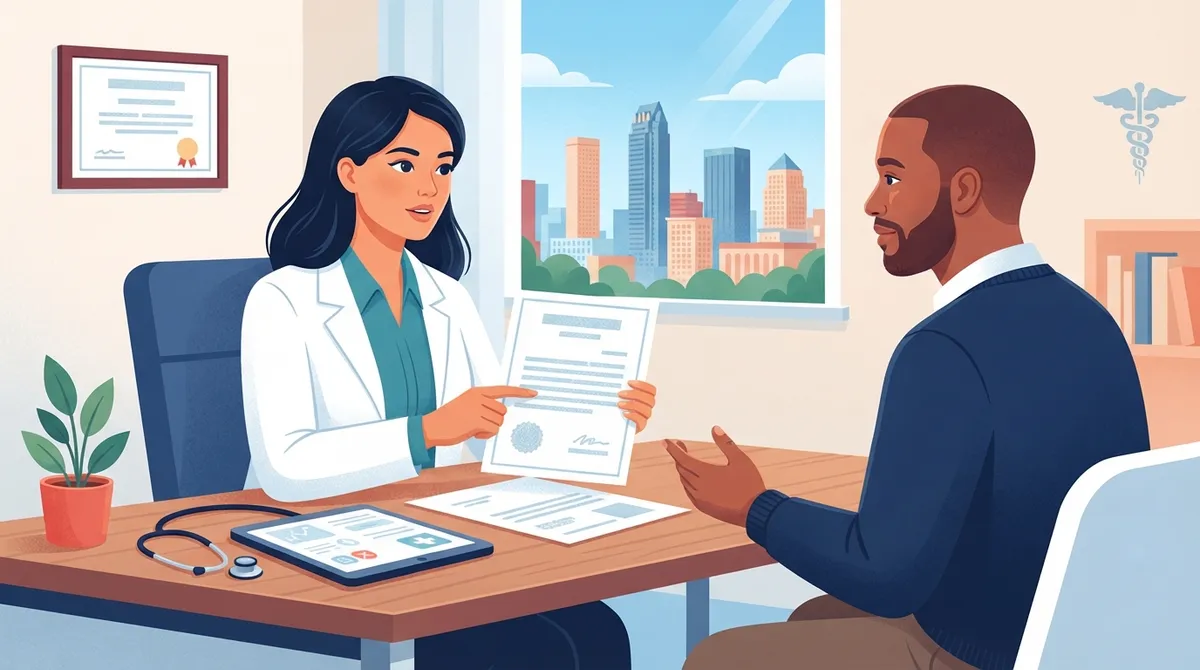
In Florida, a qualified physician is a licensed allopathic (MD) or osteopathic (DO) doctor. The physician must also complete a state-approved two-hour course and pass the required examination. That training is what allows a doctor to enter certifications in the state registry.
Not every doctor has taken this step. Before you book, ask whether the clinician is currently qualified to certify patients. A reputable practice will answer this clearly and without hesitation.
The physician must also decide that the likely benefits of medical marijuana outweigh the health risks for you personally. This is a clinical judgment, not a formality. It is based on your history, your symptoms, and your other treatments.
2. Your Condition Must Qualify Under Florida Law
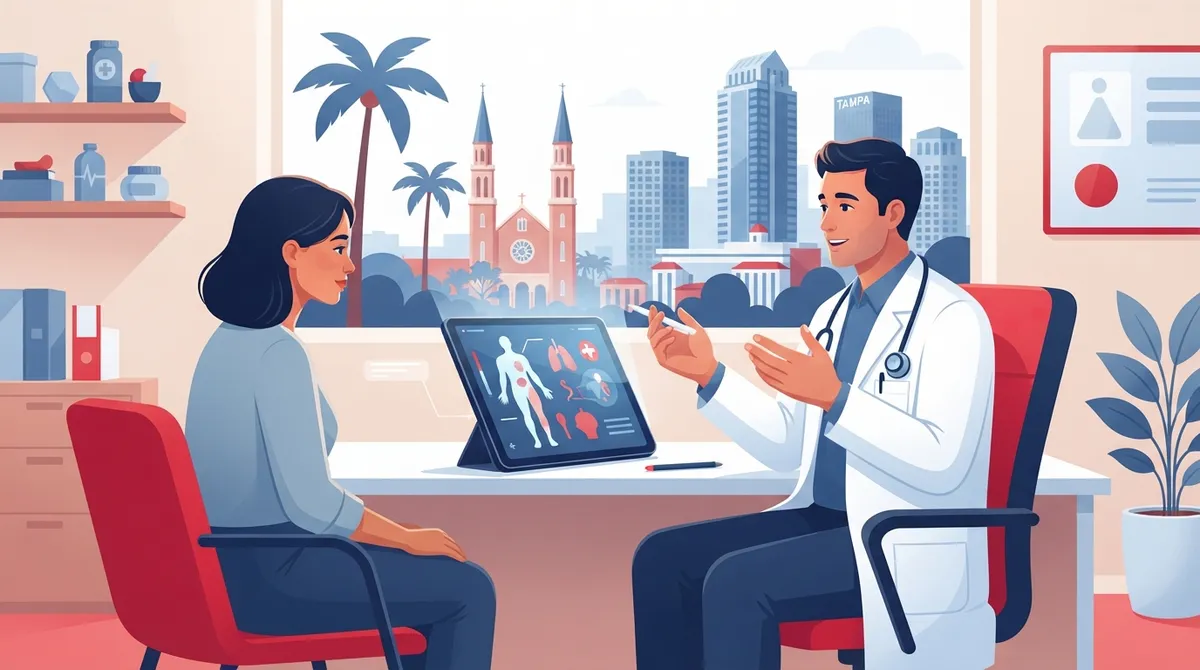
Florida law lists the medical conditions that qualify. The list includes:
- Cancer
- Epilepsy
- Glaucoma
- HIV/AIDS
- Post-traumatic stress disorder (PTSD)
- Amyotrophic lateral sclerosis (ALS)
- Crohn's disease
- Parkinson's disease
- Multiple sclerosis
- Chronic nonmalignant pain
- A terminal condition diagnosed by another physician
- Conditions comparable to those listed
The current statute should be checked for the full wording and any updates. A 2026 research letter that analyzed 2025 registry data covered 771,180 qualifying patients. It found PTSD was the most commonly recorded qualifying condition, followed by chronic pain and multiple sclerosis. These are registry rates. They do not measure how well treatment works.
3. The First Visit Must Be In Person
For an initial certification, Florida requires an in-person physical examination. This surprises many people who expect a quick video call. The exam allows the physician to review your history, check your health, and build a real patient relationship.
After that first in-person exam, renewal visits may be handled by telehealth under the state's rules. This can save time for tech-savvy patients who prefer virtual care. Still, the rules differ between the first visit and later ones, so ask the clinic to explain how follow-up works.
4. A Certification Is Not a Prescription
This is one of the most misunderstood points. A medical marijuana certification is a state-regulated authorization. It is not a prescription for an FDA-approved cannabis medicine. The physician enters the certification, along with authorized forms, amounts, and dosage information, into Florida's Medical Marijuana Use Registry (MMUR).
Because of this, no ethical clinician can promise a specific result. A good physician will talk about possible benefits, known risks, and realistic expectations. Be cautious of any office that guarantees relief or approval before examining you.
5. The Process Has Clear Steps
Knowing the sequence helps you plan. Here is the typical path in Florida:
- Confirm that you are a permanent or seasonal Florida resident.
- Schedule an in-person evaluation with a qualified physician.
- Have the physician review your history, symptoms, medications, and goals.
- If appropriate, receive a certification entered into the MMUR.
- Apply for your state Medical Marijuana Use Registry ID card.
- Use the card to purchase from a licensed Medical Marijuana Treatment Center (MMTC).
You need both the registry certification and a valid state ID card before you can buy from a treatment center. The Florida Senate analysis notes that complete ID card applications are processed within five business days.
6. Timelines and Renewals Matter
Plan ahead so your care is not interrupted. According to Florida's 2026 Physician Certification Pattern Review annual report, a certification may last up to 210 days. That is typically up to three consecutive 70-day orders. For marijuana in a form for smoking, the report describes up to six consecutive 35-day orders.
The report also states that your ID card must be renewed every 12 months if treatment continues. Mark these dates on your calendar. A missed renewal can mean a gap in access and an extra appointment.
7. Some Patients Need Extra Steps
Certain situations add requirements. State patient guidance says patients younger than 18 and terminal patients need concurrence from a second physician. Consent and caregiver registration may also apply, depending on your circumstances.
If you are a parent exploring this for a child, ask about these rules early. A knowledgeable practice will walk you through the paperwork so nothing delays care for your family.
8. A Primary Care Setting Offers Real Advantages
Many people treat medical marijuana as a stand-alone transaction. That approach can miss important safety details. Cannabis can interact with other medicines. It may also affect blood pressure, sleep, mood, and driving ability.
A primary care clinic can review your full picture in one place. At InCare's primary care services, the focus is on coordinated, whole-body care. That means your certification decision can be weighed alongside your chronic conditions, screenings, and wellness goals. If you want to learn more, read about InCare's medical cannabis guidance in Tampa or see the details on the medical marijuana card process in Tampa.
Here is a quick comparison of the two approaches:
|
Factor |
Stand-Alone Certification Visit |
Primary Care-Based Evaluation |
|---|---|---|
|
Medication review |
Often limited |
Full review of current prescriptions |
|
Ongoing follow-up |
May be minimal |
Built into regular care |
|
Coordination with other conditions |
Rare |
Common and expected |
|
Preventive screenings |
Not included |
Available in the same practice |
|
Long-term health plan |
Not typical |
Part of the visit |
9. Come to Your Evaluation Prepared
A little preparation makes the visit smoother and more useful. Bring these items:
- A valid government-issued photo ID
- Proof of Florida residency
- A list of current medications and supplements
- Past medical records or diagnoses that support your condition
- A short list of symptoms, goals, and questions
Write down what you hope to improve, such as sleep, pain levels, or daily function. Clear goals help the physician make a balanced recommendation. For more tips on getting ready, see this guide on how to prepare for a medical marijuana evaluation in Tampa.
10. Verify the Practice Before You Commit
Local availability and clinic services can change, so do a short check before booking. A trustworthy Tampa practice should clearly explain:
- How the evaluation works and how long it takes
- How the registry ID card application is handled
- What fees apply and what they cover
- How follow-up visits and renewals are scheduled
- Whether the clinician is currently qualified under state rules
The Florida Department of Health and the state registry remain the final authority on current rules. You can also read patient feedback and see what InCare patients say on Google to judge the experience for yourself. InCare serves patients from its Tampa and Riverview locations, and you can browse the InCare locations page for details.
Is It Right for You? A Quick Self-Check
Before you book, ask yourself a few honest questions. Do you have a diagnosed qualifying condition? Have you talked with a clinician about your current treatments? Are you comfortable with an in-person exam and ongoing follow-up? If you answered yes, you are likely ready for a productive visit.
If you are unsure, start with a conversation rather than a decision. A primary care visit can help you sort out whether this path fits your health plan. Many patients also pair this with other wellness services, such as cancer screening or DNA gene testing, to build a fuller picture of their health.
You can also follow InCare on Instagram, Facebook, and TikTok for health tips and clinic updates.
Take the Next Step With InCare
Choosing a medical marijuana physician in Tampa, FL should feel clear, safe, and respectful of your health. The best experience combines proper state qualifications, an honest in-person exam, and thoughtful follow-up. It also links your decision to the rest of your care.
InCare is a personalized primary care and wellness clinic that brings together modern technology and medical expertise for patients in Tampa and Riverview. Our approach puts prevention and whole-body health first. If you have questions about eligibility or the process, contact our team today. You can also book your appointment now and take the first step with a clinic that treats you as a whole person.
FAQs
Q: How do I find a qualified medical marijuana physician in Tampa, Florida?
A: Look for a Florida-licensed MD or DO who has completed the state-approved two-hour course and examination. Ask the practice to confirm the clinician's current qualification, and verify details with the Florida Department of Health and the state registry.
Q: Do I need an in-person appointment for my first Florida medical marijuana certification?
A: Yes. Florida requires an in-person physical examination for the initial certification. After that visit establishes the patient relationship, renewal examinations may be conducted by telehealth under the state's rules.
Q: How long does a Florida medical marijuana certification or ID card last?
A: A certification may last up to 210 days, typically as up to three consecutive 70-day orders, according to the state's 2026 annual report. Your registry ID card must be renewed every 12 months if treatment continues.
Q: Can my primary care doctor certify me for medical marijuana in Florida?
A: Yes, if your doctor is a licensed MD or DO who has completed the required state course and examination. A primary care clinician can also review your medical history and medications, which supports safer, better-coordinated care.
Q: What should I bring to a medical marijuana evaluation in Tampa?
A: Bring a valid photo ID, proof of Florida residency, a list of your medications and supplements, and any medical records that support your condition. A short list of your symptoms and goals will also help the physician make a balanced recommendation.