

Key Takeaways
- Original Medicare does not cover routine physical exams, but it covers a one-time Initial Preventive Physical Exam within 12 months of Part B enrollment and an Annual Wellness Visit once every 12 months.
- Raise a new health problem separately when booking, because it may be billed as a problem-focused service with cost-sharing that you could owe.
- Bring a current list of all medications, supplements, and over-the-counter products, since these can affect lab results and treatment choices.
- Share small concerns like poor sleep, low energy, stress, or mood changes, because early patterns are easier to catch and evaluate.
- Before leaving, ask what to do next, when to return, and how you will get results, and write down the answers.
- Ask your clinician for a personal screening and vaccine timeline based on your age, family history, and risk factors rather than assuming a fixed set of tests.
Many people treat a routine physical exam as a box to check. They show up, answer a few questions, and leave without a plan. That approach wastes a valuable preventive opportunity. A routine physical exam is more than a quick look at your blood pressure. It is a chance to review your health, assess risk, and plan the screenings and vaccines that fit your age and history.
In 2026, busy professionals, young families, and wellness-minded adults all face the same problem: too little time and too much confusing health information. Small mistakes before, during, and after a visit can lead to missed screenings, surprise bills, and lost trust in your care. This article explains ten common mistakes and how to avoid each one, so every visit works harder for you.
What a Routine Physical Exam Really Is
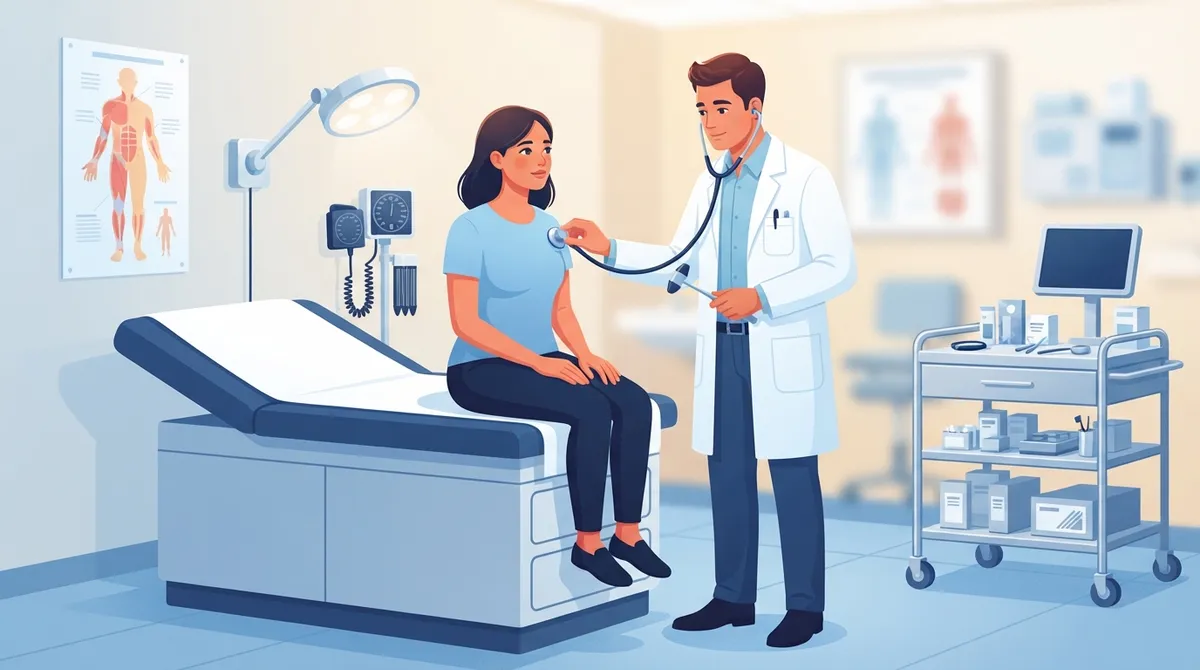
A routine physical exam is a preventive primary care visit. Your clinician reviews your health history, checks your medications, takes vital signs, and performs a physical exam that may be focused or broader. The exact format depends on your age, health history, and the reason for the visit.
There is no single checklist that every adult must follow each year. Visit frequency and content should be tailored to you. Blood work, urinalysis, or an ECG are not automatic for everyone. Your clinician should choose tests based on clinical need and current preventive care guidance.
It also helps to know what a routine physical is not. It is not a visit for managing a new symptom or a diagnosed condition. Those are problem-focused visits, and they work differently. If you want a closer look at the visit itself, read what happens during an annual physical exam.
The 10 Mistakes to Avoid
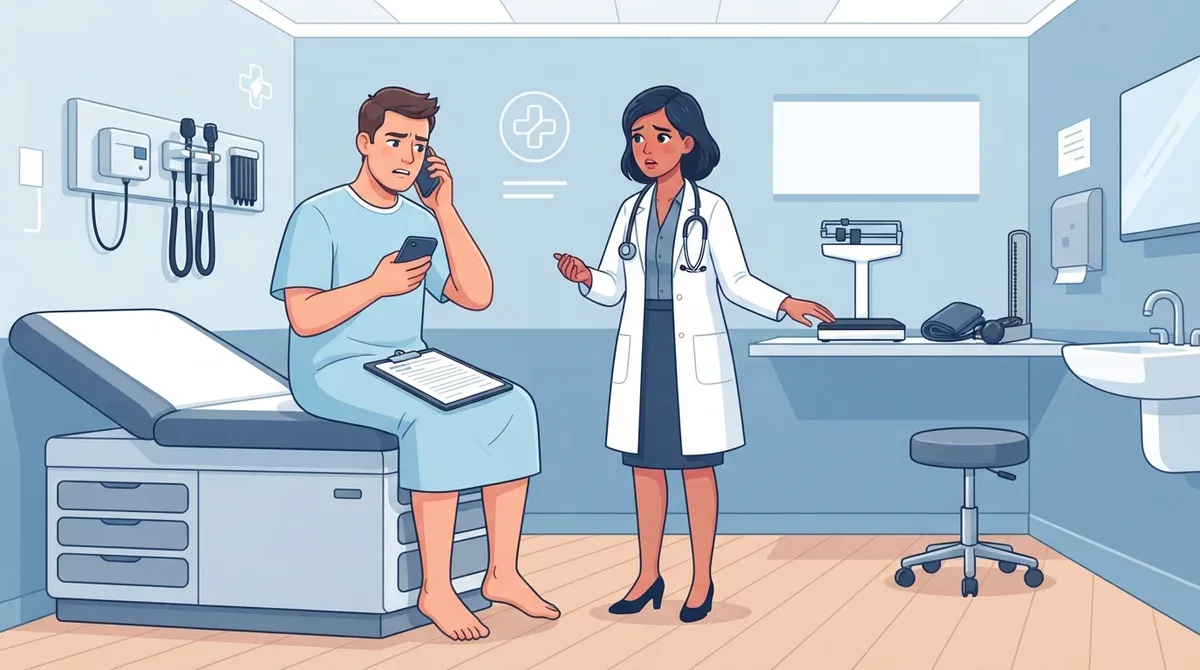
The list below follows a simple timeline: before the visit, during the visit, and after the visit. Each mistake has a clear fix.
1. Assuming Every Physical Includes the Same Tests
Many patients expect a fixed package of blood work and scans at every visit. That is not how good preventive care works. Tests should match your risk factors, age, and current recommendations. Ask your clinician why a test is or is not being ordered. A short conversation can prevent both missed screenings and unnecessary testing.
2. Showing Up Without Your Medication and Supplement List
Your medication list is one of the most useful tools in the room. Supplements, over-the-counter products, and vitamins can all affect lab results and treatment choices. Bring the bottles or a current written list. If you are unsure about managing refills, these prescription management tips can help.
3. Skipping Your Family and Personal History
Your family history shapes your screening plan. A parent with early heart disease or a sibling with cancer changes what your clinician may recommend. Write down what you know before the visit. Include past surgeries, hospital stays, and allergies. Missing details can lead to missing care.
4. Holding Back Concerns Because You Feel Fine
Many people say nothing about poor sleep, low energy, stress, or mood changes. They assume these issues are not important enough to mention. A routine physical exam is the right place to raise them. Your clinician can look for patterns and decide whether further evaluation makes sense. Prevention works best when small signals are caught early.
5. Mixing Up Preventive Care and Problem-Focused Care
This mistake can cost you money. A preventive visit and a visit for a new symptom are different services. If you raise a new health problem during your physical, the clinician may need to document and bill that part separately. You may owe cost-sharing for the problem-focused portion. Ask about this when you book so there are no surprises.
6. Confusing the Annual Wellness Visit With a Physical
Medicare's Annual Wellness Visit is not a head-to-toe physical. It centers on a health risk assessment and a personalized prevention plan. A hands-on exam is not required. Learn more about the difference in this guide to what happens during an annual wellness visit. Knowing which service you are booking helps you set the right expectations.
7. Assuming Medicare Covers Every Routine Physical
This is a costly misunderstanding. According to the Centers for Medicare & Medicaid Services (CMS), Original Medicare does not cover routine physical exams. Beneficiaries may owe the full cost of a noncovered physical. Medicare does cover a one-time Initial Preventive Physical Examination within the first 12 months of Part B enrollment. It also covers an Annual Wellness Visit once every 12 months for eligible people. Coverage and cost-sharing can differ under Medicare Advantage plans, so confirm details with your plan and provider first.
8. Getting Screenings Without Knowing Your Schedule
Preventive screening and immunization schedules depend on age, risk factors, and current guidance. Some people get screened too late. Others get tests they do not need yet. Ask your clinician to give you a personal screening timeline. For help understanding what is typically reviewed, see this overview of what screenings adults should get every year, and this guide on getting the most out of your health screening.
9. Leaving Without a Clear Follow-Up Plan
A good visit ends with next steps. Do you need labs? A referral? A repeat visit in six months or a year? Many patients walk out unsure of what happens next. Before you leave, ask three questions: What should I do now? When should I come back? How will I get my results? Write down the answers.
10. Waiting Until Something Goes Wrong
The biggest mistake is delaying care until a problem appears. Prevention is the point of a routine physical exam. Regular visits build a baseline of your normal numbers, so changes stand out sooner. They also build a relationship with a clinician who knows your history. Learn why preventive care works best when it is consistent.
How Often Do You Really Need a Physical?
There is no single evidence-based rule that every adult needs a comprehensive physical every year. The right schedule depends on your age, health conditions, family history, and personal goals. A healthy 25-year-old may need a different plan than a 55-year-old with high blood pressure.
The table below shows how different factors can shape the conversation with your clinician. It is a general guide, not a medical rule.
|
Patient Situation |
What to Discuss With Your Clinician |
Why It Matters |
|---|---|---|
|
Healthy young adult |
Vaccines, mental health, lifestyle, baseline numbers |
Builds a health baseline and sets good habits |
|
Adult with family history of disease |
Earlier or more frequent screening |
Risk can change the timing of tests |
|
Adult with a chronic condition |
Regular monitoring and medication review |
Keeps the condition controlled |
|
Adult over 50 |
Cancer screening, heart health, bone health |
Risk rises with age |
|
Medicare patient |
Annual Wellness Visit and coverage rules |
Prevents surprise charges |
How to Prepare for Your Visit
A little planning goes a long way. Follow these steps to get more from your appointment.
- Gather your records. Collect prior lab results, imaging, and vaccine records if you have them.
- List your medications. Include supplements, vitamins, and over-the-counter products.
- Write down your questions. Note any symptoms, worries, or goals, even small ones.
- Review your family history. Ask relatives about major conditions if you are unsure.
- Confirm coverage and costs. Check what your plan covers for preventive visits.
- Ask about fasting. Some blood tests need fasting, while many do not.
What to Bring Checklist
- Photo ID and insurance card
- Current medication and supplement list
- Past medical records or test results
- A short list of questions and concerns
- Notes on family health history
Why the Right Clinic Makes a Difference
The quality of your routine physical exam depends on the clinician and the clinic behind it. Look for a team that listens, explains, and follows up. A strong primary care relationship also helps you reach other services when you need them, such as cancer screening, DNA gene testing, and body composition analysis.
InCare is a personalized primary care and wellness clinic with locations in Tampa and Riverview, Florida, plus virtual visits for added convenience. The team combines modern technology with medical expertise to focus on prevention and whole-body health. Patients can explore primary care services and meet the providers who guide each visit. InCare holds a 4.8 out of 5 rating from 359 patient reviews, and you can read what InCare patients say on Google.
If you need help choosing a doctor, this guide on how to choose the right general practitioner is a helpful place to start. You can also follow InCare for health tips on Instagram, Facebook, and TikTok.
Special Tips for Busy Adults and Families
Time is the top barrier to preventive care. If you are a busy parent or a working professional, a few small moves can make visits easier.
- Book your visit at the start of the year so it does not slip away.
- Schedule family members back to back when possible.
- Use virtual visits for follow-ups and questions when appropriate.
- Keep a running note on your phone for symptoms and questions.
Young adults who have never had a primary care doctor should not wait for a problem. A first visit sets your baseline and opens the door to vaccines, mental health support, and wellness planning. Women in particular can use a routine visit to cover broad whole-body health beyond reproductive care.
Take the Next Step
A routine physical exam works best when you prepare, ask questions, and leave with a plan. Avoid the ten mistakes above, and each visit becomes a real investment in your long-term health. Remember that content and frequency should fit you, that costs depend on your coverage, and that follow-up matters as much as the visit itself.
Ready to build a smarter preventive care routine? Book your appointment with InCare today, or contact our team with questions about services, coverage, or which type of visit is right for you.
FAQs
Q: What happens during a routine physical exam?
A: Your clinician reviews your health history and medications, checks vital signs, and performs a focused or broader physical exam. You also discuss concerns, recommended screenings, and vaccines. Tests such as blood work are ordered only when they are clinically appropriate.
Q: How often should adults get a physical exam?
A: There is no single rule that applies to every adult. The right schedule depends on your age, health history, risk factors, and current preventive care guidance. Your clinician can help you decide how often to come in.
Q: Is an annual physical the same as a Medicare Annual Wellness Visit?
A: No. The Annual Wellness Visit focuses on a health risk assessment and a personalized prevention plan. It does not require a hands-on physical exam. Original Medicare also does not cover routine physical exams, so confirm coverage with your plan and provider.
Q: Can I discuss a new health problem during my routine physical?
A: Yes, you can raise a new concern. The clinician may need to document and bill that part as a separate problem-focused service. You may owe cost-sharing for it, so ask about this when you book.
Q: What should I bring to my routine physical exam?
A: Bring your ID, insurance card, and a current list of medications and supplements. Add past medical records, family health history, and a short list of questions or concerns. This helps your clinician plan an accurate, useful visit.


