
Key Takeaways
- Glutathione is your body's most abundant antioxidant, naturally produced in high concentrations inside cells where it neutralizes harmful free radicals and protects DNA, proteins, and cell membranes from damage.
- Diet and lifestyle changes—including adequate protein intake, fruits and vegetables, exercise, quality sleep, and avoiding smoking—are more reliable than supplements for supporting natural glutathione production.
- Oral glutathione supplements have mixed evidence with limited long-term data; a 2011 study found no significant improvement in glutathione status in healthy adults, and newer formulations still lack proof of real benefit.
- IV glutathione carries serious risks including kidney injury, liver damage, and severe skin reactions when used outside medical supervision, and should only be administered by licensed providers with a clear clinical indication.
Your body makes a powerful antioxidant every single day, but most people never learn its name. Glutathione works quietly inside your cells, protecting you from damage and supporting your immune system. If you have ever wondered why doctors and wellness clinics talk so much about this compound, this article breaks it down in simple terms. We will cover the science, the myths, and what actually matters for your health in 2026.
At InCare, our providers in Tampa and Riverview see patients every week who want to understand glutathione before trying supplements or IV treatments. This guide gives you the facts so you can make smart, safe choices with your primary care team.

1. Glutathione Is Your Body's Natural Cell Protector
Glutathione is a small molecule made from three amino acids: cysteine, glutamic acid, and glycine. Your cells produce it naturally, and it exists at high levels inside them, often between 1 and 10 millimoles per liter, according to a 2023 review in Frontiers in Medicine. This makes it one of the most abundant antioxidants in the human body.
Think of glutathione as a cleanup crew working inside every cell. It neutralizes harmful molecules before they can damage your DNA, proteins, and cell membranes. Without enough of it, your cells face more wear and tear over time.
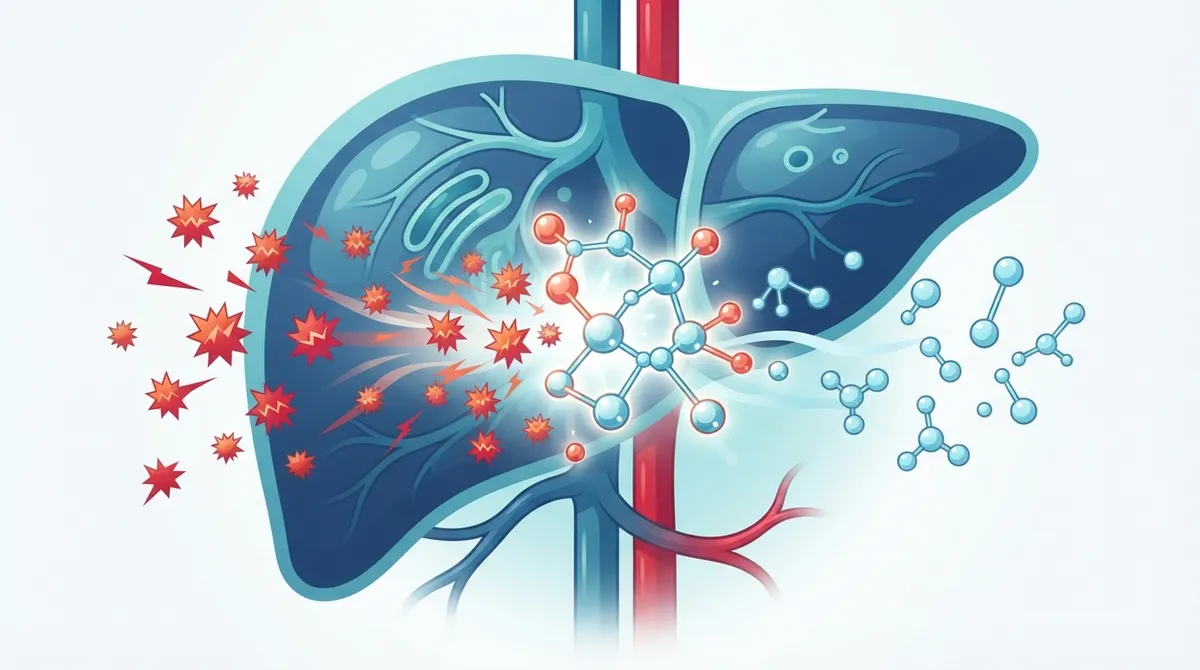
2. It Helps Balance Oxidative Stress
Oxidative stress happens when harmful molecules called free radicals build up faster than your body can clear them. This imbalance is linked to aging, chronic disease, and inflammation. Glutathione helps keep this balance in check.
Specific enzymes called glutathione peroxidases use glutathione to break down hydrogen peroxide and other reactive compounds into safer substances. Even after glutathione gets used up in this process, your body can recycle it back into its active form. This built-in recycling system is part of why researchers call it a master antioxidant.
3. Glutathione Supports Your Liver's Detox Pathways
Your liver is your body's main filter, and glutathione plays a key role there. It takes part in phase II detox reactions, helping your liver process certain drugs, environmental toxins, and normal metabolic waste products.
This does not mean glutathione supplements can flush out toxins on their own. It simply means glutathione supports one part of a much larger detox system in your body. If you are concerned about liver health, a conversation with a primary care provider is a better first step than self-treating with supplements.
4. Low Glutathione Is Linked to Several Health Conditions
Research shows that low or altered glutathione levels often show up alongside certain health problems. These include:
- Chronic inflammation
- Metabolic disease and insulin resistance
- Liver disease
- HIV infection
- Neurodegenerative conditions like Parkinson's disease
- General aging processes
It is important to understand that low glutathione is usually a marker of stress on the body, not a stand-alone diagnosis. A low level by itself does not prove you need supplements. It often signals that something else needs attention first.
5. Several Factors Can Lower Your Glutathione Levels
Many everyday habits and health conditions affect how much glutathione your body makes and keeps. Common causes of lower levels include:
- Aging, which naturally reduces production over time
- Chronic illness or ongoing inflammation
- Smoking and heavy alcohol use
- Poor nutrition, especially low protein intake
- Constant exposure to environmental pollutants
- Not getting enough of the amino acids that build glutathione
If several of these apply to you, your provider can help you figure out the real cause instead of jumping straight to a supplement.
6. Diet and Lifestyle Changes Come First
Before considering any supplement, primary care experts recommend starting with foundational habits. These steps support your body's natural antioxidant defenses:
- Eating enough protein, especially foods rich in cysteine and glycine
- Adding more fruits and vegetables to your meals
- Staying physically active most days of the week
- Getting consistent, quality sleep
- Quitting smoking and limiting alcohol
- Managing diabetes or other chronic conditions with your doctor
These changes are simple, safe, and backed by decades of medical research. They also support your overall health far beyond just glutathione levels. Our team can walk you through practical steps during your annual wellness visit.
7. The Evidence on Oral Supplements Is Mixed
Many people assume that taking a glutathione pill will instantly raise their levels. The research tells a more complicated story. A controlled study published in the Journal of Nutrition in 2011 found no significant changes in glutathione status or oxidative stress markers in healthy adults after short-term oral use, even with good adherence.
More recent research offers a mixed picture. A 2026 study using a specialized micellar glutathione formulation at 600 milligrams per day found no major changes in liver enzymes or kidney function markers over 30 days. This suggests the product was safe short-term, but the study was too small and brief to prove any real benefit. A 2024 review in the Journal of Oxidative Medicine and Cellular Longevity echoed this, noting a need for standardized dosing and long-term outcome data before making firm recommendations.
Comparing Common Glutathione Approaches
|
Method |
Evidence Level |
Key Consideration |
|---|---|---|
|
Diet and lifestyle |
Strong, well established |
Foundational for everyone |
|
Oral supplements |
Mixed, limited long-term data |
Discuss with your doctor first |
|
NAC (N-acetylcysteine) |
Established for specific medical uses |
Not proven for general wellness claims |
|
IV glutathione |
Limited evidence for wellness use |
Requires medical oversight and clear indication |
8. NAC Is Not the Same as a Glutathione Guarantee
N-acetylcysteine, or NAC, supplies cysteine, which is the building block your body needs most to make glutathione. NAC has a well-established medical use for treating acetaminophen overdose in emergency settings. This is a proven, life-saving application.
However, according to the National Institutes of Health Office of Dietary Supplements, evidence is limited for using NAC supplements to boost immunity or prevent infections in otherwise healthy people. Just because NAC can raise glutathione levels does not mean it delivers the wellness benefits some marketing claims suggest.
9. IV Glutathione Carries Real Risks Without Medical Oversight
IV glutathione has become popular in some wellness circles, often marketed for detox or skin lightening purposes. The evidence supporting these uses remains limited. A 2025 systematic review found some possible improvements in skin pigmentation with topical glutathione, but researchers stressed that safety and effectiveness data are still incomplete and larger trials are needed.
More concerning, reports and reviews have linked unsupervised IV glutathione use to serious risks, including kidney injury, liver damage, and severe skin reactions. This is why any glutathione injection or infusion should only happen under the guidance of a licensed medical provider who understands your full health history. Our IV hydration and vitamin drip services at InCare are always administered with proper clinical assessment, not as a one-size-fits-all treatment.
10. A Primary Care Visit Is the Smartest First Step
If you are worried about fatigue, inflammation, or general wellness, the best move is not to guess at a glutathione deficiency on your own. A trained provider can look at your full picture, order the right tests, and figure out what is actually going on.
Primary care teams consider factors like pregnancy, kidney or liver disease, asthma, and medication interactions before recommending any supplement. This kind of personalized assessment is something no online quiz or supplement label can replace. If you are in the Tampa Bay area, our providers can help you build a plan based on real data, including options like DNA gene testing and body composition analysis.
How InCare Approaches Cellular Health and Wellness
At InCare, we believe in treating the whole person, not just chasing a single number on a lab report. Our clinics in Tampa and Riverview combine advanced diagnostics with old-fashioned, attentive care. Whether you are curious about metabolic breath analysis or want to talk through a weight loss program, our team starts with your goals and your health history.
We also know that trust matters. Patients often mention our staff, including office manager Beth, and the thorough care provided by Dr. Ahluwalia and our other physicians. You can read more patient experiences and visit us on Google — InCare to see what current patients say about their visits.
Quick Checklist Before Trying Any Glutathione Product
- Talk to your primary care provider about your symptoms first
- Ask what lab tests might explain your fatigue or health concerns
- Review your current medications for possible interactions
- Ask about product quality if you are considering a supplement
- Avoid IV glutathione from unlicensed or unsupervised providers
- Focus on diet, sleep, and exercise as your foundation
- Follow up with your doctor to track any changes over time
We also share practical wellness tips and patient stories on our Facebook page and on Instagram, where you can see real updates from our Tampa and Riverview clinics. For quick videos on wellness topics like this one, check out our content on Tik Tok as well.
Frequently Asked Questions About Glutathione
Understanding glutathione does not have to be complicated. Below are answers to some of the most common questions our patients ask during visits at InCare.
If you want a personalized answer about your own glutathione status or overall wellness plan, reach out to our team today. You can also skip the wait and book your appointment online at our Tampa or Riverview location. Our goal is simple: give you honest, science-based guidance so you can make the best decisions for your long-term health.
FAQs
Q: Why is glutathione called the master antioxidant?
A: Glutathione earns this title because it exists in high concentrations inside nearly every cell and helps neutralize harmful molecules directly. It also helps recycle other antioxidants like vitamin C and vitamin E back into their active forms. This central role in cellular defense makes it one of the most important antioxidants your body produces.
Q: Can diet and lifestyle naturally increase glutathione levels?
A: Yes, eating enough protein, especially foods with cysteine and glycine, along with fruits and vegetables can support your body's natural production. Regular exercise, quality sleep, and avoiding smoking or excess alcohol also help protect your existing glutathione stores. These foundational habits are generally more reliable than supplements alone.
Q: Do oral glutathione supplements actually work?
A: The evidence is mixed. A 2011 study in the Journal of Nutrition found no significant improvement in glutathione status among healthy adults after short-term oral supplementation. Newer studies on specialized formulations show some safety data but still lack strong proof of long-term benefit.
Q: Is IV glutathione safe for wellness or detox purposes?
A: IV glutathione carries more risk than oral options and has limited evidence supporting routine wellness use. Reports have linked unsupervised use to kidney injury, liver damage, and severe skin reactions. It should only be considered under direct medical supervision with a clear clinical reason.
Q: How does a primary care doctor assess if I need glutathione support?
A: Your provider will look at your overall health history, current symptoms, and any underlying conditions rather than testing for glutathione levels alone. They may check for signs of chronic inflammation, liver function issues, or nutritional gaps. This complete picture helps determine whether lifestyle changes, targeted treatment, or further testing makes sense for you.