Key Takeaways
- Tampa has 20-26 free or low-cost clinics including federally qualified health centers (FQHCs) like Tampa Family Health Centers and Ibis Healthcare that serve uninsured patients using sliding-fee scales based on income.
- Sliding-fee scales adjust your bill based on household income; patients at or below 200% of Federal Poverty Guidelines qualify for significant discounts, while those below 100% may receive care at nominal charges.
- Always call ahead before visiting (e.g., Tampa Family Health Centers at 813-397-5300) to confirm hours, walk-in availability, new patient acceptance, and required documents to avoid wasted trips.
- Bring photo ID, proof of address, income documentation (pay stub or tax return), current medication list, and prior medical records to speed up intake and improve care accuracy.
- Free clinics and low-cost FQHCs differ significantly: free clinics offer no cost but have strict eligibility and limited slots, while FQHCs provide broader ongoing care with income-adjusted fees and more availability.
- Seek emergency care immediately for chest pain, severe breathing difficulty, stroke signs, uncontrolled bleeding, or sudden severe illness instead of waiting for a primary care appointment.
Finding an uninsured primary care clinic in Tampa should not feel like a maze. Yet many residents waste weeks searching for help, only to get turned away or hit with surprise bills. Whether you lost your job, work part-time without benefits, or simply cannot afford a monthly premium, you still deserve real medical attention. The good news is that Tampa has federally qualified health centers, community clinics, and flexible primary care options that welcome patients without insurance.
This guide walks through the most common mistakes uninsured Tampa residents make when searching for care. Avoiding these errors can save you time, money, and unnecessary stress. You will also learn what documents to bring, how sliding-fee scales work, and when urgent symptoms mean you should skip the waiting list entirely. If you want a straightforward path to primary care that fits your budget and schedule, this article breaks down exactly what to expect.

Mistake 1: Assuming No Insurance Means No Care Options
Many people believe being uninsured shuts every door. That is simply not true in Tampa. Federally qualified health centers, or FQHCs, exist specifically to serve patients regardless of insurance status. Community clinics and charitable organizations also fill gaps for residents who fall through the cracks of traditional coverage.
Directory estimates place roughly 20 to 26 free or low-cost clinics operating in and around Tampa. These numbers shift as locations open, close, or update their listings, so always confirm details before you visit. Skipping care because you assume it is unaffordable often leads to worse health outcomes and higher costs later.
Mistake 2: Not Understanding How Sliding-Fee Scales Work
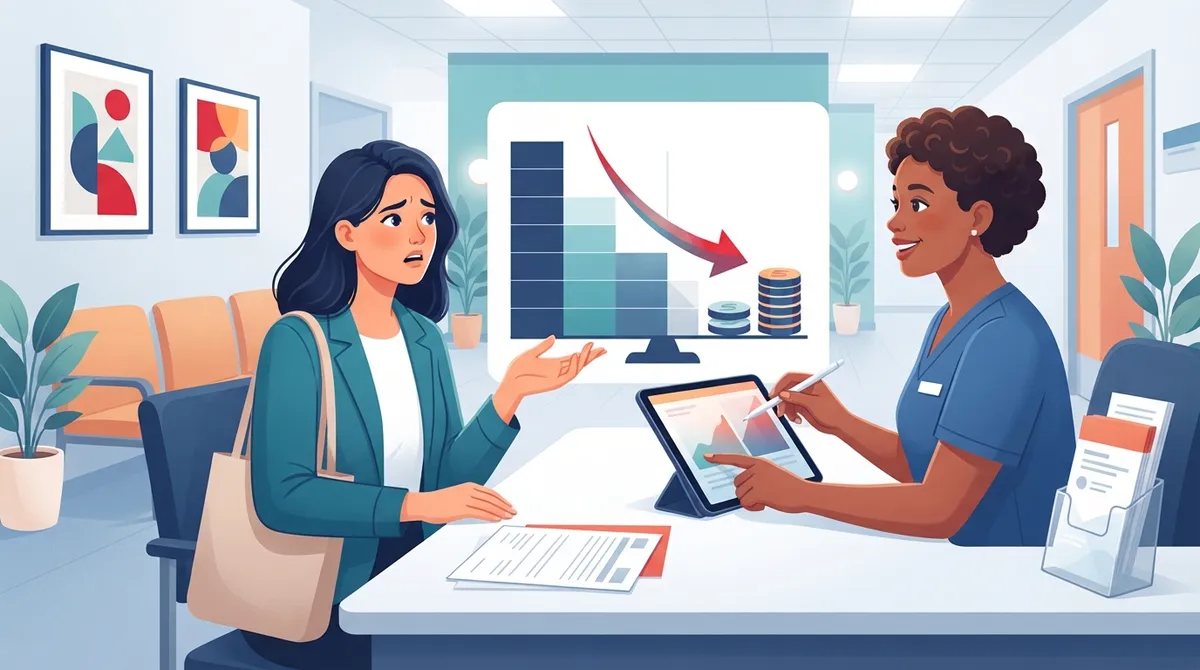
A sliding-fee scale adjusts your bill based on household income and family size. Most FQHCs in Tampa use this model, including Tampa Family Health Centers, Ibis Healthcare, and Suncoast Community Health Centers. Patients often skip these clinics because they assume the process is confusing or requires extensive paperwork.
In reality, the process is simple once you know what to expect. Ibis Healthcare, for example, states that patients at or below 200% of the Federal Poverty Guidelines may qualify for significant discounts. Those below 100% of the guidelines may receive care at nominal charges. Income thresholds can change yearly, so confirm the current numbers directly with the clinic before your visit.
How the Sliding Scale Typically Works
- You provide proof of income, such as a recent pay stub or tax return.
- Clinic staff calculate your fee based on federal poverty guidelines and family size.
- You receive a discounted rate for the visit, lab work, or medication.
- Your fee may be reassessed at future visits if your income changes.
Mistake 3: Confusing Free Clinics With Low-Cost Clinics
Free clinics and low-cost clinics are not the same thing, and mixing them up wastes valuable time. Free clinics, like Calvary Community Clinic, offer no-cost primary healthcare to qualifying Hillsborough County residents. This includes uninsured, unemployed, underserved, and working-poor patients. However, free clinics often have narrow eligibility rules and limited appointment slots.
Low-cost clinics, especially FQHCs, generally offer broader ongoing primary care with fees adjusted by income. They tend to have more availability and a wider range of services. Understanding this difference helps you choose the right option for your situation instead of guessing and getting turned away.
|
Clinic Type |
Cost Structure |
Typical Availability |
|---|---|---|
|
Free Clinics |
No cost for qualifying residents |
Limited slots, strict eligibility |
|
FQHCs / Community Health Centers |
Sliding-fee scale by income |
Broader hours, ongoing care |
|
Private Cash-Pay Clinics |
Flat fee per visit |
Flexible scheduling, no income screening |
Mistake 4: Skipping the Phone Call Before You Visit
Walking into a clinic without calling first is one of the most common errors uninsured patients make. Hours, walk-in availability, and accepted services can change without notice. A quick phone call helps you confirm whether the clinic is accepting new patients, whether income screening is required, and whether lab or pharmacy services are available on-site.
Calling ahead also lets you ask about language access if English is not your first language. Tampa Family Health Centers, for example, operate multiple locations across the city, including sites on Fletcher Avenue, North 22nd Street, Nebraska Avenue, Causeway Boulevard, Waters Avenue, and Sheldon Road. A central phone number, 813-397-5300, can help you find the right site for your needs.
Mistake 5: Forgetting Required Documents
Showing up without the right paperwork can delay your visit or push it to another day. Preparing ahead of time makes the process smoother for both you and the clinic staff.
- A valid photo identification card
- Proof of current address, such as a utility bill
- Household income documentation, like a pay stub or benefits letter
- A list of current medications, including dosages
- Any prior medical records you can access
Bringing these items shows the clinic you are prepared and helps them process your visit faster. It also improves the accuracy of your care, since your provider will have a clearer picture of your health history.
Mistake 6: Overlooking Available Services Beyond Basic Checkups
Uninsured clinics in Tampa often provide more than a simple physical exam. Depending on the location, you may find preventive visits, chronic-disease management, vaccinations, behavioral health support, dental care, pharmacy services, laboratory testing, women's health, pediatric care, and substance-use treatment. Many patients assume these clinics only handle minor complaints and miss out on more comprehensive care.
If you are managing a condition like diabetes or high blood pressure, ask specifically about chronic-disease management programs. Understanding how primary doctors help manage chronic illnesses can help you set realistic expectations for ongoing treatment, even without traditional insurance coverage.
Mistake 7: Ignoring Coverage Options While Seeking Care
Some patients focus so much on finding a clinic that they forget to check whether they actually qualify for coverage. Medicaid, Medicare, and marketplace plans all have different eligibility rules, and many uninsured Tampa residents qualify without realizing it. Local assistance programs and Hillsborough County health services may also offer support.
A clinic can often provide care while your insurance or financial-assistance application is still being reviewed. This means you do not have to wait for approval before scheduling your first appointment. Asking about this option upfront can prevent unnecessary delays in getting the care you need.
Mistake 8: Waiting Too Long for Urgent Symptoms
Primary care clinics are excellent for routine visits, but some symptoms require immediate emergency attention. Waiting for a scheduled appointment when you have serious symptoms can be dangerous.
Symptoms That Require Emergency Care, Not a Routine Appointment
- Chest pain or pressure
- Severe difficulty breathing
- Signs of stroke, such as slurred speech or facial drooping
- Uncontrolled bleeding
- Sudden, severe illness or confusion
If you experience any of these symptoms, go to an emergency room immediately. For everything else, urgent care can often treat common illnesses and injuries faster than a hospital emergency department, and usually at a lower cost.
Mistake 9: Assuming All Clinics Have the Same Wait Times
Wait times vary widely between free clinics, FQHCs, and private practices. Free clinics with limited capacity may have longer waits for a first appointment, while FQHCs often accommodate new patients faster due to broader staffing. If speed matters to you, ask about same-day or next-day availability when you call.
Some clinics also offer same day appointments for fast primary care, which can be a lifesaver when you cannot afford to miss work waiting for a callback. Always ask directly rather than assuming every clinic operates on the same schedule.
Mistake 10: Not Planning for Long-Term Primary Care
A single visit can address an immediate concern, but lasting health improvements come from consistent primary care. Many uninsured patients treat each visit as a one-time event instead of building an ongoing relationship with a provider. This approach makes it harder to track chronic conditions, manage medications, or catch problems early through cancer screening and other preventive services.
InCare, with locations in Tampa and Riverview, Florida, offers a practical alternative for patients who want dependable, whole-body care without the confusion of navigating multiple charitable programs. The clinic combines modern technology with a personalized approach, covering everything from weight loss support to DNA gene testing and IV hydration and vitamin drips. Patients who want a clear, transparent path to consistent care often find this model easier to manage long-term than piecing together services from multiple charitable sources.
How to Choose the Right Option for Your Situation
With so many choices, it helps to narrow your decision using a few key questions. Consider the following before selecting a clinic:
- Do you need ongoing chronic-disease management or just a one-time visit?
- Can you provide income documentation for a sliding-fee scale?
- Do you need dental, behavioral health, or pediatric services in the same location?
- How quickly do you need an appointment?
- Is the clinic within a reasonable distance from your home or job?
Answering these questions honestly will help you avoid wasted trips and mismatched expectations. Patients who take time to compare their options tend to find care faster and stick with it longer.
Why Consistent Primary Care Matters More Than a One-Time Visit
Skipping regular checkups because of cost concerns can lead to bigger problems down the road. Preventive visits catch small issues before they become expensive emergencies. This is especially true for conditions like high blood pressure, diabetes, and early-stage cancers, which respond much better to early treatment. Reviewing what happens during an annual wellness visit can help you understand why these appointments are worth prioritizing, even on a tight budget.
Building a relationship with one provider also means your medical history stays organized in one place. This makes it easier to manage prescriptions, track lab results, and avoid repeating tests unnecessarily. Many patients who explore whether they need a primary care physician find that having one consistent doctor actually saves money over time compared to bouncing between urgent care visits.
InCare patients often mention the clinic's welcoming staff and clear communication style. You can read more patient experiences and visit us on Google — InCare to see what current patients say about their visits. The practice maintains a strong reputation among Tampa Bay residents looking for dependable, judgment-free care.
Practical Tips Before Your First Appointment
A little preparation goes a long way when visiting any Tampa clinic for the first time. Follow these steps to make your visit smoother:
- Call ahead to confirm hours, required documents, and whether the clinic accepts new patients.
- Gather your identification, proof of address, and income documentation in advance.
- Write down your current medications and any symptoms you want to discuss.
- Ask about sliding-fee scale eligibility before your appointment, not during it.
- Confirm whether lab work, vaccinations, or pharmacy services are available on-site.
Following these steps reduces surprises and helps you get the most value from your visit. It also shows clinic staff that you are organized, which often speeds up the intake process.
For those researching local health resources online, following community updates through channels like Facebook or Instagram can also help you stay informed about clinic hours, new services, and community health events. Some patients also follow health tips and clinic updates on Tik Tok for quick, digestible advice between appointments.
If you are updating your home before hosting family for a health-related recovery period or simply want your space in order after a long hospital stay, local professionals like Bucheli Trim handle finishing carpentry work around the Tampa area, which can be a helpful resource while you focus on your health.
Final Thoughts on Finding Uninsured Care in Tampa
Being uninsured does not mean going without proper medical attention. Tampa offers a genuine mix of free clinics, sliding-fee health centers, and full-service primary care practices designed to meet you where you are financially. The key is avoiding common mistakes like skipping phone calls, misunderstanding sliding-fee scales, or waiting too long during a true medical emergency.
If you are ready for a straightforward, judgment-free approach to your health, consider exploring InCare's Tampa and Riverview locations. The team focuses on prevention and whole-body wellness, which means you get more than a quick fix. To take the next step, reach out to the InCare team with your questions, or go ahead and schedule your appointment online today.
FAQs
Q: Where can uninsured adults get primary care in Tampa?
A: Uninsured adults in Tampa can access care through federally qualified health centers like Tampa Family Health Centers and Ibis Healthcare, charitable clinics such as Calvary Community Clinic, and full-service practices that offer flexible payment options. Calling ahead helps confirm eligibility, hours, and required documents before your visit.
Q: How much does an uninsured primary-care visit cost in Tampa?
A: Costs vary based on the clinic type and your household income. FQHCs typically use a sliding-fee scale, meaning patients at or below 200% of the Federal Poverty Guidelines may receive discounts, while those below 100% may pay only nominal charges. Free clinics may offer no-cost visits for qualifying Hillsborough County residents.
Q: What documents should I bring to an uninsured clinic in Tampa?
A: Bring a valid photo ID, proof of your current address, household income documentation, a list of current medications, and any prior medical records you have access to. Having these ready speeds up your visit and helps the clinic determine your eligibility for discounted care.
Q: Can I use a Tampa FQHC if I do not qualify for Medicaid?
A: Yes, federally qualified health centers serve patients regardless of insurance or Medicaid status. Many uninsured residents who do not qualify for Medicaid still receive discounted care through a sliding-fee scale based on income and family size.
Q: Do I need an appointment at a free or low-cost clinic in Tampa?
A: Some clinics accept walk-ins, while others require scheduled appointments, especially free clinics with limited capacity. Calling ahead is the best way to confirm whether same-day visits are available or if you need to book in advance.