Key Takeaways
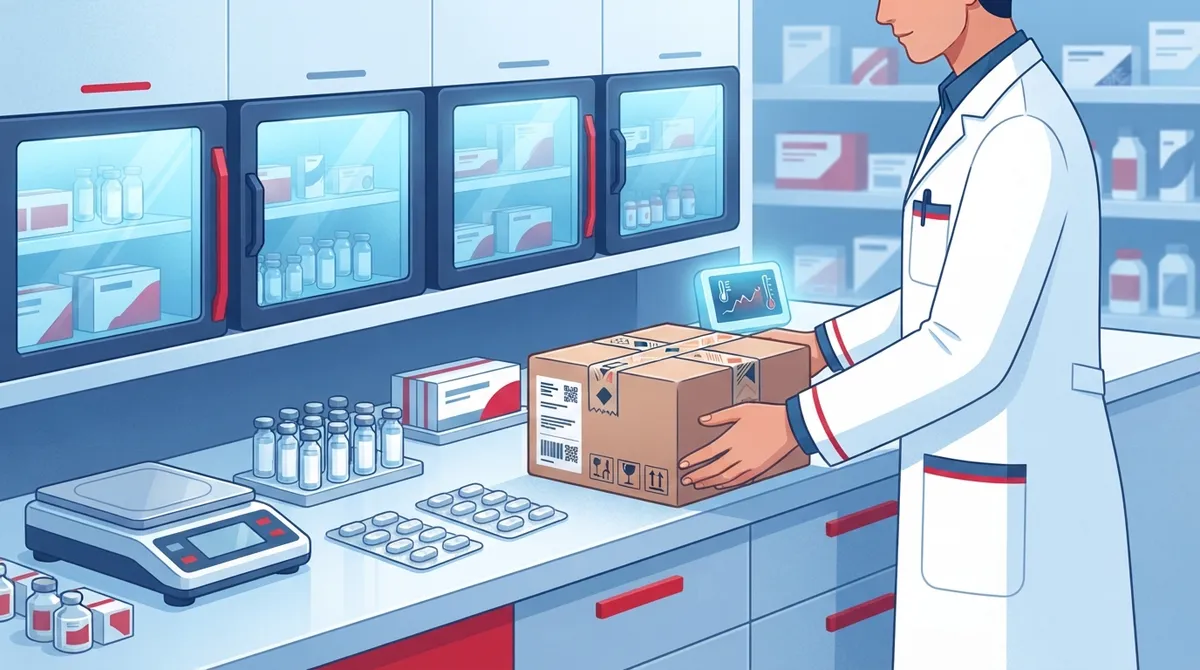
- Prescription KPV delivery through licensed compounding pharmacies offers pharmacy-grade quality checks, proper labeling, and beyond-use dating—fundamentally different from unregulated research-use vendor shipping and requiring healthcare provider approval.
- Lyophilized KPV powder typically requires only standard ground shipping without refrigeration, but reconstituted solutions must be refrigerated at 4°C and remain stable for roughly three or more weeks, so always follow pharmacy instructions over vendor claims.
- Verify vendor credibility before purchasing by confirming batch-specific certificates of analysis, third-party lab testing, physical business location, and clear research-use-only disclosures—vague sellers are red flags.
- Tracked and signature-required delivery reduces mishandling risks and prevents packages from sitting exposed to heat, which is especially important for temperature-sensitive peptide products in hot climates.
- International shipping introduces customs delays, import restrictions, package seizure risks, and accountability issues; domestic sourcing from verified U.S. vendors is safer and more practical for most buyers.
- Expedited shipping offers convenience and reduced heat exposure but does not verify purity, sourcing, or manufacturing standards—medical guidance from a licensed provider matters far more than shipping speed for determining product appropriateness.
If you have searched for KPV peptide products online, you have likely noticed a maze of shipping options, vendor claims, and storage instructions that can feel confusing. Some sellers promise same-week delivery, others focus on cold-chain packaging, and many say almost nothing about where the product actually comes from. Understanding how KPV is shipped, stored, and verified matters just as much as understanding what it claims to do, especially since this peptide is not a routine FDA-approved primary care medication.
This guide breaks down the most common KPV shipping options, what they actually mean for product quality, and how to protect yourself as a buyer. We will also explain why working with a licensed medical provider changes the entire conversation around sourcing, safety, and appropriate use. Whether you are simply curious or actively researching wellness options, this information can help you make smarter, safer choices.
1. Domestic Ground Shipping for Lyophilized Vials
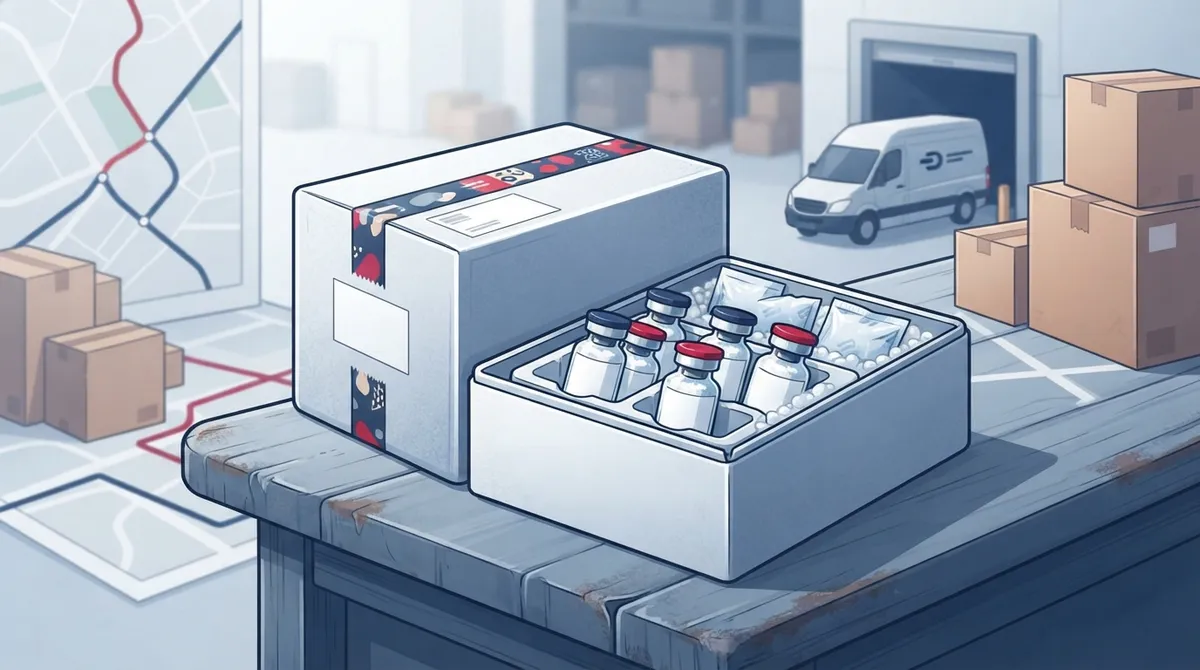
Most KPV research products arrive as a lyophilized, freeze-dried powder sealed in small glass vials. Several vendors state that this dry powder form generally does not require refrigerated transport and can tolerate normal short-term temperature swings, as long as it is protected from light, moisture, and excessive heat. This is why standard ground shipping is the most common method used across the industry.
One U.S. research supplier reports order processing times of one to three business days, with an additional two to five business days for ground transit (NuLumin Bio-Sciences, current vendor policy). That same supplier reports offering free ground shipping for orders of $200 or more, with tracked delivery limited to U.S. addresses only. These timelines are fairly typical across the research-use marketplace, though delays can happen during holidays or severe weather.
2. Tracked and Signature-Required Delivery
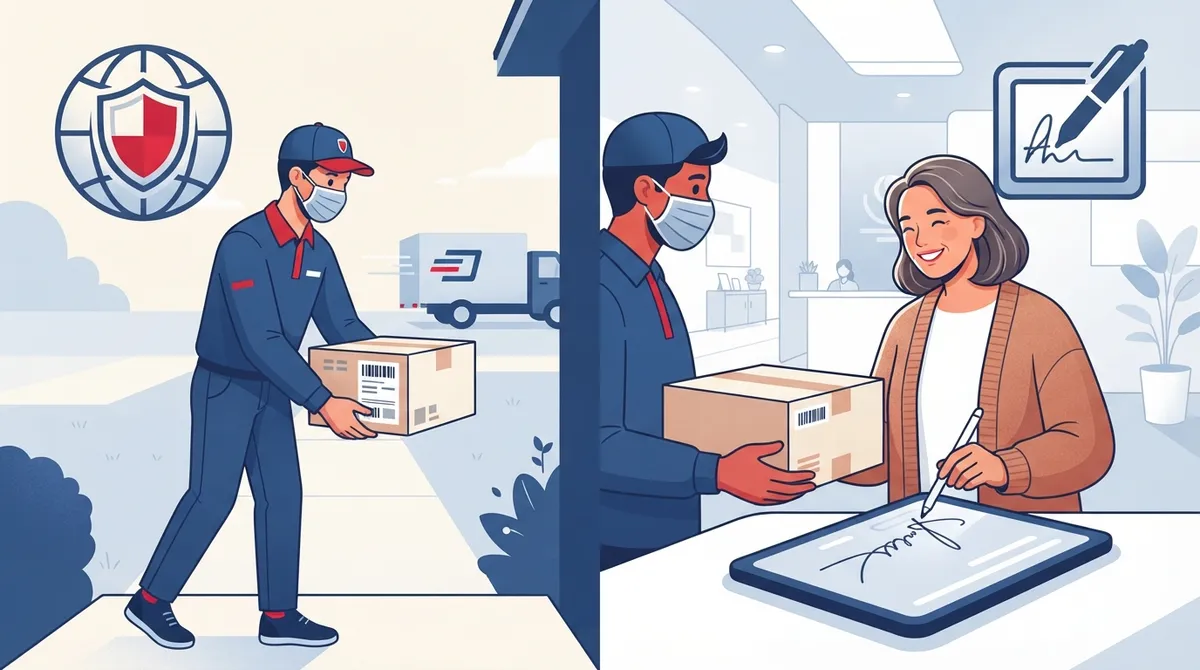
Because peptide vials are small, valuable, and sensitive to mishandling, many sellers require tracked shipping with delivery confirmation. Tracking lets buyers monitor the package in real time and spot problems, such as unusual delays or a package sitting in a hot delivery truck for hours.
Signature-required delivery adds another layer of accountability. It reduces the chance of a package sitting on a doorstep in Florida heat for an extended period, which could compromise the integrity of a temperature-sensitive product. If you are unsure whether a specific order includes tracking, always ask before you complete a purchase.
3. Priority and Expedited Shipping
Some vendors offer priority or expedited shipping for an added fee. This option shortens transit time and can reduce the number of hours a product sits in a shipping facility or delivery vehicle. For buyers concerned about heat exposure during Florida summers, faster shipping can offer some peace of mind.
That said, faster shipping does not automatically mean better quality control. A rushed delivery does not verify purity, sourcing, or whether the product was manufactured under proper conditions. Speed is a convenience factor, not a safety guarantee.
4. Prescription Delivery Through a Compounding Pharmacy
The most clinically meaningful shipping option is direct-to-patient delivery from a licensed compounding pharmacy, arranged through a healthcare provider. This differs significantly from research-use vendor shipping because compounded prescriptions go through pharmacy-grade quality checks, proper labeling, and defined beyond-use dating.
A healthcare professional should determine whether a compounded KPV product is appropriate for an individual patient before any prescription is written. This is a fundamental distinction that many online buyers overlook. If you are considering KPV for a specific health concern, a conversation with a primary care provider is the appropriate starting point, not a vendor website.
5. International Shipping and Customs Considerations
International shipping of KPV products introduces significant complications. Customs delays are common, and some countries restrict or prohibit the import of research peptides entirely. Buyers ordering from outside the United States may also face additional paperwork, import taxes, or outright seizure of packages by customs authorities.
Beyond the logistical headaches, international orders make it much harder to verify a seller's credentials or hold them accountable if a product arrives damaged, degraded, or mislabeled. For these reasons, most cautious buyers stick to domestic sourcing whenever a legitimate option exists.
6. Refrigerated and Cold-Chain Shipping for Reconstituted Products
While dry lyophilized powder is generally shelf-stable during transit, that changes completely once the peptide is reconstituted with liquid. After reconstitution, KPV generally requires refrigerated storage and has a much shorter usable life than the dry powder.
A shipping and storage listing notes that reconstituted peptide solutions are commonly stored at approximately 4°C and may remain stable for roughly three or more weeks under refrigeration (Particle Peptides, 2026). However, the real usable period depends heavily on the specific formulation, sterility practices, and excipients used, so patients should always follow their dispensing pharmacy's instructions rather than general vendor claims found online.
Storage Checklist After Delivery
- Store lyophilized vials in a cool, dark place away from direct sunlight.
- Refrigerate immediately after reconstitution unless instructed otherwise.
- Keep the original vial and packaging for reference and batch tracking.
- Avoid freezing reconstituted solutions unless specifically directed by a pharmacy.
- Discard any product that shows discoloration, cloudiness, or an unusual odor.
7. Vendor Verification Before You Accept a Shipment
Before you ever place an order, it is worth pausing to verify who you are actually buying from. Legitimate research-use vendors typically provide batch-specific documentation, while questionable sellers often skip this step entirely.
Here are steps to take before trusting any KPV shipping option:
- Confirm the seller's business identity and physical location.
- Ask for a certificate of analysis tied to the specific batch or lot number.
- Verify identity and purity testing results from a third-party lab.
- Check the expiration or beyond-use date printed on the vial.
- Review packaging integrity standards described on the vendor's website.
- Confirm whether the vendor discloses research-use-only status clearly.
Research-use-only KPV products are legally distinct from prescription medicines. They should never be marketed or used as human treatment without appropriate medical and regulatory oversight. If a seller is vague about this distinction, treat that as a red flag rather than a technicality.
8. Pricing Patterns Across Shipping and Product Types
Understanding typical pricing can help you spot deals that seem too good to be true. Research-use KPV vendors commonly list 5 mg and 10 mg vial sizes, though this reflects market packaging habits rather than any medically established dosing standard.
|
Product Type |
Typical Price Range |
Shipping Notes |
|---|---|---|
|
Research-grade 5 mg vial |
Approximately $30–$60 |
Standard ground shipping, no refrigeration required for dry powder |
|
Research-grade 10 mg vial |
Around $50, with volume discounts |
Tracked domestic delivery, bulk order discounts common |
|
Compounded prescription 5 mg |
Approximately $80–$150 |
Pharmacy-arranged delivery, may require cold packaging |
One vendor listing reports a price of $50 for a 10 mg research-use vial, with volume discounts of about 6% for five to nine vials and 10% for ten or more vials (Nova Life Peptides, current listing). Another market guide reports approximate research-grade pricing of $30 to $60 for a 5 mg vial and compounded prescription pricing of roughly $80 to $150 for the same size (The Peptide Toolkit, 2026). These figures can shift significantly depending on the pharmacy, formulation, consultation fees, and your specific location.
9. Oral and Topical Delivery Shipping Challenges
Beyond injectable vials, some products are marketed as oral capsules or topical creams. These delivery methods face their own scientific hurdles. A 2022 review describes oral and transdermal KPV delivery as challenging because of enzymatic degradation in the digestive tract and the molecule's hydrophilic nature, which makes it difficult to absorb through skin or intestinal tissue (Recent Advances in KPV Peptide Delivery, 2022).
Researchers have explored enteric coatings, liposomes, and nanoparticle technology to improve absorption, but these delivery systems remain largely experimental. Shipping logistics for oral or topical products may differ from injectable vials, but the underlying uncertainty about effectiveness remains the same regardless of packaging.
10. What to Do If a Package Arrives Compromised
Sometimes packages arrive warm, damaged, or without any temperature indicator at all. If this happens, do not assume the product is still safe to use. Contact the vendor immediately, document the condition with photos, and ask about their replacement or refund policy.
If you received a compounded prescription product through a pharmacy, report any concerns to that pharmacy directly and consult your prescribing provider before using it. This is one more reason why working through a licensed clinic rather than an anonymous online vendor offers real peace of mind. Our team at InCare in Tampa and Riverview can help you evaluate whether any peptide-related product fits safely into your broader wellness plan.
Why Medical Guidance Matters More Than Fast Shipping
It is easy to get distracted by shipping speed, tracking numbers, and vial sizes. But none of these details answer the more important question: is this product appropriate for your specific health situation? KPV is still considered an investigational or nonstandard wellness product in many clinical contexts. Evidence for common promotional uses, such as gut inflammation, skin conditions, or general wellness support, remains limited compared with approved therapies.
Shipping availability should never be mistaken for proof of safety or effectiveness. A product can arrive quickly, packaged beautifully, and still be inappropriate for your needs. This is why so many patients are turning to comprehensive primary care clinics that combine DNA gene testing, body composition analysis, and physician oversight before considering any peptide-based approach.
At InCare, our providers, including Dr. Pramjeet Ahluwalia and Dr. Naveen Paddu, take a whole-body approach that looks beyond a single supplement or shipment. If you are exploring peptide therapy options, our team can walk you through what is medically appropriate, evidence-based, and properly sourced. Learn more about how our clinic approaches peptide therapy in Tampa before making any purchasing decisions on your own.
Patients across Tampa and Riverview have shared their experiences with our clinic, and you can visit us on Google — InCare to read real reviews from people who chose guided, physician-supervised wellness care over unverified online shopping. You can also follow our latest wellness updates on Facebook, Instagram, and TikTok for practical health tips and clinic news.
Making Safer Choices Around KPV Shipping
Shipping logistics are only one small piece of a much bigger picture. The real questions you should be asking are about sourcing, purity testing, appropriate use, and whether a licensed professional has reviewed your specific health needs. A fast, well-packaged shipment does not replace medical judgment.
If you are curious about peptide therapy, weight loss support, or other advanced wellness services, our providers at InCare are ready to help you sort fact from marketing. We proudly serve patients at our Tampa and Riverview locations, offering everything from cancer screenings to IV hydration therapy under one roof.
Ready to talk with a provider about whether peptide therapy fits your health goals? Reach out to our team today, or go ahead and book your appointment now to start your personalized wellness plan with InCare.
FAQs
Q: What does KPV shipping include for a prescription wellness product?
A: Prescription KPV preparations are typically shipped directly from a licensed compounding pharmacy after a provider determines appropriateness. This process includes proper labeling, beyond-use dating, and pharmacy-grade quality controls that are not present with unregulated research-use vendors.
Q: Does lyophilized KPV need to be shipped refrigerated?
A: Generally, no. Several vendors state that the dry, freeze-dried powder form can tolerate normal short-term temperature fluctuations when protected from light and moisture. Refrigeration becomes important only after the peptide has been reconstituted with liquid.
Q: How long does KPV shipping usually take?
A: One reported U.S. research supplier lists order processing of one to three business days, plus an additional two to five business days for standard ground transit. Expedited or priority shipping can shorten this timeline for an added fee.
Q: Can KPV be shipped internationally, and what customs restrictions apply?
A: International shipping is possible but often complicated by customs delays, import restrictions, and additional regulatory paperwork. Many countries limit or prohibit the import of research peptides, making domestic sourcing a safer and simpler choice for most buyers.
Q: What should I do if a KPV package arrives warm, damaged, or without a temperature indicator?
A: Do not assume the product is still usable. Document the condition with photos, contact the vendor or pharmacy immediately, and ask about their replacement policy before using or discarding the item.