

Key Takeaways
- Sermorelin is a synthetic peptide that signals your pituitary gland to release growth hormone, not the hormone itself—it acts as a messenger rather than a direct hormone replacement.
- No currently marketed FDA-approved sermorelin product exists today; most wellness clinic versions are compounded medications without FDA approval, making pharmacy quality and oversight critical.
- Wellness uses in healthy adults are not established FDA indications and lack strong scientific evidence, so marketing claims should not replace a proper medical evaluation of your symptoms.
- Before starting sermorelin, ensure a clinician performs full labs, reviews your medical history, discusses risks and alternatives, and plans follow-up monitoring rather than relying on marketing promises.
Sermorelin comes up often in conversations about anti-aging, sleep, energy, and body composition. Many people search "what is sermorelin" after seeing it advertised by a wellness clinic or online. The answer is more nuanced than most marketing suggests.
In short, sermorelin is a lab-made peptide that signals your pituitary gland to release your own growth hormone. It is not growth hormone itself. It also has a complicated regulatory history in the United States.
For busy professionals, young families, and wellness-minded adults, it helps to separate what is proven from what is promoted. Below are 10 clear facts, written to help you ask smarter questions before you consider any peptide therapy. This article is educational and does not replace advice from a licensed clinician.
1. What Is Sermorelin? A Plain-Language Definition
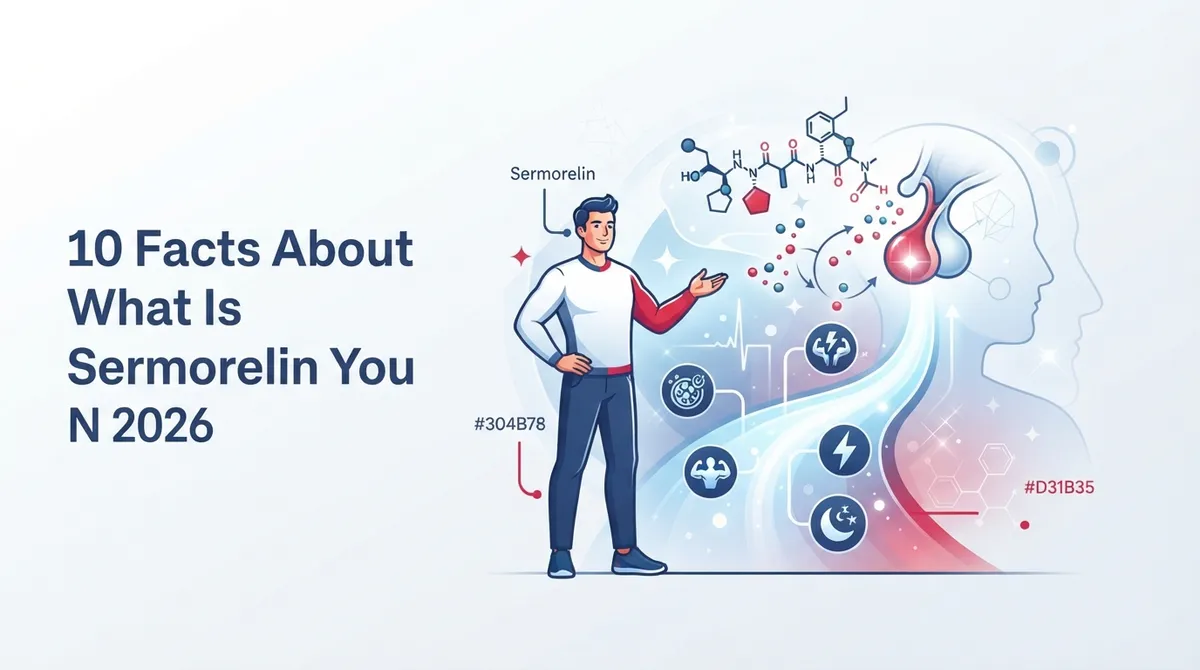
Sermorelin, also called sermorelin acetate, is a synthetic peptide made of 29 amino acids. It is a fragment of growth hormone-releasing hormone (GHRH), a natural signal made in the brain.
When sermorelin reaches the pituitary gland, it binds to GHRH receptors. This prompts the gland to release growth hormone (GH) on its own. Because the body still controls the release, sermorelin works differently from taking GH directly.
Think of it as a messenger. It does not supply the hormone. It asks your body to make it.
2. How Sermorelin Works in the Body
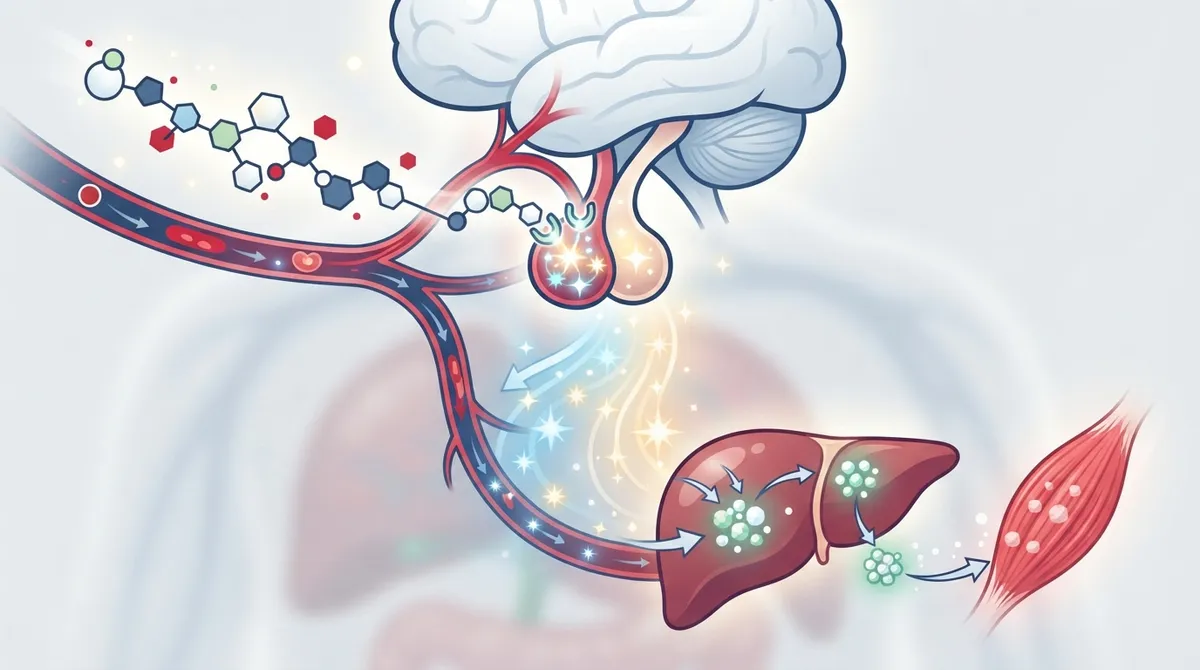
Growth hormone plays a role in growth, tissue repair, metabolism, and body composition. The pituitary gland releases GH in pulses, mostly during deep sleep. Levels tend to decline gradually with age.
Here is the basic process:
- The hypothalamus releases GHRH.
- GHRH binds to receptors on the pituitary gland.
- The pituitary releases growth hormone.
- The liver responds by producing IGF-1, a related hormone that carries out many of GH's effects.
Sermorelin mimics the first step. Doctors often track IGF-1 levels as one marker when a patient is being evaluated for GH-related concerns.
3. The History: Sermorelin and Geref
In the United States, sermorelin was once sold under the brand name Geref. FDA records show approvals for two uses: a diagnostic version in 1990 and a pediatric version in 1997. These were used to evaluate GH secretion and to treat children with growth failure linked to GH deficiency.
Those marketed products were later discontinued. The FDA determined the withdrawal was not due to safety or effectiveness concerns. That detail is often repeated in marketing, so it deserves careful context, which the next section explains.
4. Is Sermorelin FDA-Approved Today?
This is the most important point for consumers. There is no currently marketed, FDA-approved sermorelin product that we can identify in available sources. The historical approvals applied to specific products and uses, mainly diagnostic testing and pediatric growth failure.
The finding that Geref was not withdrawn for safety or effectiveness reasons does not mean today's products are FDA-approved. It also does not mean the FDA has reviewed the quality, safety, or effectiveness of finished compounded versions.
If a clinic tells you sermorelin is "FDA-approved," ask for specifics. A good clinician will explain the regulatory picture honestly.
5. What Is Compounded Sermorelin?
Today, sermorelin offered in wellness settings is generally a compounded medication. A compounding pharmacy prepares it based on a prescription. Compounded drugs are not FDA-approved.
Compounding can be appropriate in some situations. But the label alone does not prove safety or quality. Before using any compounded product, consider asking these questions:
- Who prepares the medication?
- Is it a licensed pharmacy or an FDA-registered outsourcing facility?
- What quality controls and testing are in place?
- How is it stored, shipped, and labeled?
Clear answers are a sign of a professional, patient-first practice.
6. What Are People Using Sermorelin For?
Wellness clinics may promote sermorelin to adults for several goals:
- Better sleep quality
- Improved body composition
- Higher energy
- Support for age-related GH decline
These uses are not established FDA-approved indications. The research on benefits in generally healthy adults is limited. Available sources do not provide strong, current population-level data showing consistent wellness outcomes. Marketing claims should not be treated as proven results.
That does not mean a person can never benefit from medical evaluation. It means expectations should stay realistic, and decisions should rest on symptoms, exams, and testing.
7. Sermorelin vs. Human Growth Hormone (HGH)
People often confuse the two. The table below shows the key differences in a simple format.
|
Feature |
Sermorelin |
Human Growth Hormone (HGH) |
|---|---|---|
|
What it is |
A peptide that signals the pituitary |
The hormone itself |
|
How it works |
Prompts your body to release its own GH |
Directly replaces or adds GH |
|
Release pattern |
Still guided by the body's natural controls |
Delivered as an outside dose |
|
Regulatory status |
No currently marketed FDA-approved product identified; often compounded |
FDA-approved products exist for specific medical conditions |
|
Prescription needed |
Yes |
Yes |
Neither option is a casual supplement. Both require medical oversight.
8. Possible Side Effects and Risks
Reported side effects with sermorelin include:
- Injection-site reactions such as redness, pain, or swelling
- Flushing
- Headache
- Dizziness
- Nausea
- Hypersensitivity or allergic-type reactions
Stimulating the GH and IGF-1 pathway may not be appropriate for everyone. A clinician should review your medical history, current medications, and personal risk factors first. This is especially important if you have a history of cancer, pituitary conditions, or other hormone concerns.
Never use sermorelin from an unverified online seller. Quality problems can add risk on top of the drug's own effects.
9. Who Should Think Twice, and What Testing Matters
Sermorelin is prescription therapy, not an over-the-counter supplement. It should not replace a proper evaluation of suspected hormone deficiency. Fatigue, poor sleep, and weight changes can come from many causes, including thyroid issues, sleep apnea, low testosterone, diabetes, stress, or nutrition gaps.
A thoughtful evaluation often includes:
- A full medical history and physical exam
- Lab work, which may include IGF-1, thyroid, glucose, and other markers
- Review of sleep, diet, exercise, and medications
- A discussion of risks, benefits, and alternatives
Tools like body composition analysis and metabolic breath analysis can also give objective data about where you stand. For some patients, DNA gene testing adds helpful insight into health risks and preventive priorities.
10. How to Evaluate a Clinic Before You Start
If you are considering sermorelin, a primary care setting is a sound place to begin. A primary care clinician can look at your whole health picture, not just one hormone. Learn more about what comprehensive primary care includes.
Use this checklist when speaking with any provider:
- Do they order labs and review your history before prescribing?
- Do they explain that the product may be compounded and not FDA-approved?
- Do they name the pharmacy and describe quality controls?
- Do they discuss risks and alternatives, not just benefits?
- Do they plan follow-up visits and monitoring?
InCare is a personalized primary care and wellness clinic serving Tampa and Riverview, Florida. Our team combines medical expertise with advanced technology and takes a prevention-first approach. You can explore our primary care services, read about what peptides are, or review our guide to peptide therapy in Tampa. If you want to understand how long peptide therapies are generally discussed to take, see how long peptides take to work.
Patients can also see what others say by visiting our InCare location on Google, or follow our updates on Instagram, Facebook, and TikTok.
Key Takeaways
- Sermorelin is a 29-amino-acid GHRH fragment that prompts your pituitary to release growth hormone.
- It was once sold as Geref, but no currently marketed FDA-approved sermorelin product is identified today.
- Wellness uses in adults are not established FDA-approved indications, and evidence is limited.
- Compounded products are not FDA-approved, so pharmacy quality matters.
- A proper medical evaluation should come first, not marketing claims.
Final Thoughts
Sermorelin is an interesting peptide with a real scientific basis and a murky modern status. It is neither a miracle anti-aging cure nor something to dismiss without context. The safest path is an honest conversation with a qualified clinician who reviews your labs, history, and goals.
If you are curious about hormone health, energy, sleep, or weight, start with a thorough evaluation. Book your appointment with InCare today, or contact our team to ask questions. We will help you build a personalized, evidence-minded plan for your health.
FAQs
Q: What is sermorelin and how does it work?
A: Sermorelin is a synthetic 29-amino-acid fragment of growth hormone-releasing hormone (GHRH). It binds to receptors in the pituitary gland and prompts your body to release its own growth hormone. It is not growth hormone itself.
Q: Is sermorelin FDA-approved in the United States?
A: Sermorelin was historically approved as Geref for diagnostic and pediatric uses, but those products were discontinued. No currently marketed FDA-approved sermorelin product is identified today, and compounded versions are not FDA-approved.
Q: How is sermorelin different from human growth hormone (HGH)?
A: HGH is the hormone itself, while sermorelin signals your pituitary to make and release its own growth hormone. Both are prescription therapies and require medical oversight.
Q: What are the possible side effects of sermorelin?
A: Reported effects include injection-site reactions, flushing, headache, dizziness, nausea, and hypersensitivity reactions. A clinician should review your history and medications before any treatment to decide if it is appropriate.
Q: What should I ask a wellness clinic before starting sermorelin?
A: Ask whether labs and a full evaluation come first, who compounds the product, and what quality controls apply. Also ask about risks, alternatives, and follow-up monitoring, and be cautious of promises of guaranteed results.


