
Key Takeaways
- Retatrutide is not FDA-approved and cannot be legally prescribed; online 'research chemical' versions lack quality control, proper sterility, and accurate dosing, posing serious safety risks.
- In Phase 3 TRIUMPH-1 trials, the 12 mg weekly dose achieved 28.3% average body weight loss over 80 weeks—significantly higher than semaglutide or tirzepatide—due to its triple hormone receptor targeting (GIP, GLP-1, glucagon).
- Common side effects mirror GLP-1 drugs and include nausea, diarrhea, and constipation, with higher discontinuation rates at larger doses, requiring close medical supervision if approved.
- Licensed clinics offer safe, FDA-approved weight loss options today (semaglutide, tirzepatide) with proper dosing, monitoring, and personalized plans—superior alternatives while retatrutide awaits regulatory approval.
Weekly weight loss injections have changed how doctors approach obesity and metabolic health. Now, a new name keeps coming up in patient searches and online forums: retatrutide. If you have heard about this investigational drug and wondered whether it is safe, legal, or even available, you are not alone. Many people confuse hype with fact when it comes to emerging treatments like this one.
At InCare, our weight loss and primary care teams in Tampa and Riverview believe patients deserve clear, honest information before making health decisions. This guide breaks down what retatrutide actually is, what the science shows so far, and why working with a licensed provider matters more than ever. Whether you are a busy parent, a wellness-focused professional, or simply curious about the future of weight management, these 10 facts will help you separate real data from online noise.

1. Retatrutide Is Not Yet FDA-Approved
Retatrutide, known in research circles as LY3437943, is an investigational drug made by Eli Lilly. It has no approved brand name and is not sold in pharmacies. This means no doctor can legally write a standard prescription for it right now.
Some online sellers market "research-use" retatrutide as if it were a real treatment option. This is misleading and risky. Products sold this way often lack quality control, proper sterility, and accurate dosing. At InCare, our providers only recommend treatments backed by real regulatory approval and clinical oversight.
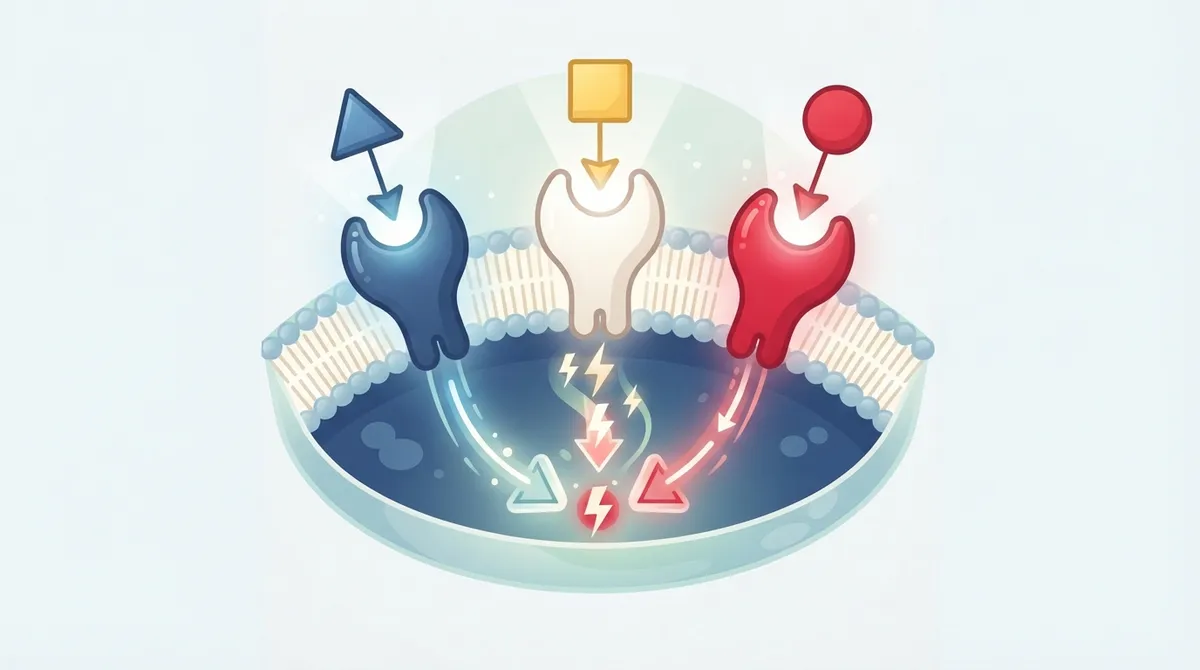
2. It Works as a Triple Hormone Agonist
Retatrutide is different from many other weight loss drugs because it targets three hormone receptors at once. These are GIP, GLP-1, and glucagon. Each one plays a role in hunger, blood sugar, and energy use.
This triple action is designed to reduce appetite while also boosting the body's calorie-burning process. Researchers believe this combination could explain why early trial results have shown such large weight changes compared to older drugs that only target one or two receptors.
3. Weekly Injection Trials Show Significant Weight Loss
In the Phase 3 TRIUMPH-1 study, adults with obesity or overweight (without diabetes) received a weekly injection for 80 weeks. The results were notable across all doses tested.
- The 12 mg group lost an average of 28.3% of body weight, compared to just 2.2% with placebo
- The 9 mg group lost about 25.9% of body weight
- The 4 mg group lost around 19.0% of body weight
- Nearly half of participants (45.3%) on the 12 mg dose lost at least 30% of their body weight
These numbers come from sponsor-reported data released in 2026 and have not yet completed full peer review. Still, they highlight why so many patients are asking their primary care clinic near them in Tampa and Riverview about this emerging treatment.
4. The Trial Enrolled Thousands of Adults
TRIUMPH-1 was not a small study. It included 2,339 adults with obesity or overweight, each with at least one weight-related health condition. This large sample size adds weight to the findings, though results still need full publication and FDA review before becoming standard care.
5. Long-Term Results Look Promising, But Unconfirmed
A prespecified extension of the trial followed people with a baseline BMI of 35 or higher. At 104 weeks, the 12 mg group reached an average weight loss of 30.3%. This suggests the results may hold steady over time, but longer independent studies are still needed.
|
Trial |
Population |
Dose |
Average Weight Loss |
Duration |
|---|---|---|---|---|
|
TRIUMPH-1 |
Obesity/overweight, no diabetes |
12 mg |
28.3% |
80 weeks |
|
TRIUMPH-1 Extension |
BMI ≥35 |
12 mg |
30.3% |
104 weeks |
|
Knee Osteoarthritis Trial |
Obesity + knee OA |
12 mg |
28.7% |
68 weeks |
|
TRIUMPH-2 |
Obesity + type 2 diabetes |
Highest dose |
20.8% |
Reported topline |
6. Retatrutide Is Also Being Studied for Diabetes and Joint Pain
Beyond weight loss, researchers are testing retatrutide for type 2 diabetes, cardiovascular disease, kidney disease, and knee osteoarthritis linked to obesity. In the TRIUMPH-2 trial, people with type 2 diabetes saw weight loss ranging from 12.7% to 20.8% depending on dose, along with meaningful A1C improvements.
A separate Phase 3 study on knee osteoarthritis and obesity found about 28.7% average weight loss with the 12 mg dose at 68 weeks. However, higher doses also came with higher discontinuation rates, reported at 18.2% versus 4% for placebo.
7. Side Effects Mirror Other GLP-1 Medications
Like other incretin-based drugs, retatrutide's most common side effects involve the digestive system. Patients in trials reported:
- Nausea, especially during dose increases
- Diarrhea
- Constipation
- Reduced appetite
Higher doses tend to bring more stomach-related side effects and a higher chance that patients stop treatment. This is one reason why any future use of retatrutide will likely require close medical supervision, similar to how our team manages semaglutide treatment in Tampa today.
8. You Cannot Legally Get a Compounded Version Yet
Because retatrutide has no FDA approval, there is no legal pathway for routine compounding pharmacies to produce it. Some websites claim to sell "research chemical" versions, but these products carry real risks.
Unapproved retatrutide may have unknown purity, incorrect dosing, or contamination. There is no guarantee the vial you receive contains what the label says. Our physicians at InCare, including Dr. Naveen Paddu and Dr. Pramjeet Ahluwalia, strongly advise against using unapproved peptides purchased online.
9. How Retatrutide Compares to Semaglutide and Tirzepatide
Patients often ask how retatrutide stacks up against approved drugs like semaglutide and tirzepatide. The key difference is the number of hormone receptors targeted.
- Semaglutide targets only the GLP-1 receptor
- Tirzepatide targets both GIP and GLP-1 receptors
- Retatrutide targets GIP, GLP-1, and glucagon receptors
This triple mechanism may explain the larger average weight loss seen in early retatrutide trials. However, semaglutide and tirzepatide remain the only FDA-approved options in this drug class, which means they are the only ones your doctor can safely prescribe today. Learn more about how these treatments compare in our guide on tirzepatide versus semaglutide weight loss injections in Tampa.
10. When Might Retatrutide Become Available by Prescription?
As of now, there is no confirmed launch date for retatrutide in the United States. Regulatory review takes time, and companies must submit full trial data before the FDA can approve a new drug for public use.
Patients should watch for updates from trusted medical sources rather than online rumors. In the meantime, proven and approved treatments already exist. Our medical weight loss programs use FDA-approved medications combined with lifestyle coaching, body composition analysis, and metabolic breath analysis to help patients reach their goals safely today.
Why Choose a Licensed Clinic Over Unregulated Sources
The appeal of a powerful new weekly injection is understandable. But safety should always come first. Working with a licensed clinic means:
- Medications are properly sourced and dosed
- Your provider monitors side effects and lab work
- Treatment plans adjust based on your unique health history
- You avoid the risks of counterfeit or contaminated products
InCare's team in Tampa and Riverview offers guidance on choosing the best injection for weight loss in 2026, using only approved options backed by real clinical evidence. We also provide DNA gene testing and IV hydration therapy to support your overall wellness journey, not just weight loss alone.
You can also follow our latest updates and patient stories on Facebook, see behind-the-scenes wellness tips on Instagram, and catch quick health facts on TikTok. For a closer look at what real patients say about our care, you can also visit us on Google — InCare to read reviews from our Tampa and Riverview community.
The Bottom Line on Retatrutide
Retatrutide represents exciting progress in weight loss and metabolic research. The numbers from clinical trials are impressive, but the drug is still investigational. No approved version exists yet, and buying it online is not a safe substitute for real medical care.
If you are ready to start a safe, doctor-guided weight loss plan today, our team is here to help. Book your appointment now and let InCare's Tampa and Riverview providers build a plan built around your health, not internet trends. You can also reach out to our team with any questions about current weight loss options and what might be right for you.
FAQs
Q: Is retatrutide approved by the FDA for weight loss or diabetes?
A: No, retatrutide is not FDA-approved. It remains an investigational drug studied in clinical trials for obesity, type 2 diabetes, and related conditions. No pharmacy can legally dispense it as a standard prescription today.
Q: How much weight can people lose with retatrutide?
A: In the Phase 3 TRIUMPH-1 trial, participants on the 12 mg dose lost an average of 28.3% of body weight at 80 weeks, compared to 2.2% with placebo. These figures come from sponsor-reported topline data and await full peer review.
Q: Can a doctor prescribe or compound retatrutide right now?
A: No. Because retatrutide lacks FDA approval, there is no legal basis for routine prescribing or compounding. Products sold online as research chemicals are not regulated and may pose safety risks.
Q: How is retatrutide different from semaglutide and tirzepatide?
A: Retatrutide targets three hormone receptors (GIP, GLP-1, and glucagon), while semaglutide targets only GLP-1 and tirzepatide targets GIP and GLP-1. This triple action may explain retatrutide's larger reported weight loss in trials, though it remains unapproved.
Q: When might retatrutide become available by prescription?
A: There is no confirmed launch date. The drug must complete regulatory review and formal FDA approval before it can be prescribed. Patients should rely on approved treatments in the meantime.