
Key Takeaways
- KPV is a three-amino-acid fragment from alpha-MSH that enters cells via the PepT1 transporter, primarily active in gut tissue; lab studies show it may block NF-κB inflammatory signaling and reduce cytokine production, but no human clinical trials confirm its effectiveness for any condition.
- Current evidence comes only from cell cultures and animal colitis models in mice—no randomized controlled human trials exist proving KPV treats inflammatory bowel disease, skin conditions, or respiratory issues in people.
- KPV products sold as injectables, capsules, sprays, and creams lack established human dosing, confirmed treatment duration, and long-term safety data; manufacturing quality and purity vary widely between unregulated suppliers.
- Before considering KPV, consult a licensed medical provider to distinguish evidence-based inflammation treatments from marketing claims, and explore documented approaches to gut health and wellness with proven clinical research backing.
KPV peptide has become a hot topic in wellness circles across Tampa and Riverview. Patients often ask about it after reading claims online about gut health and inflammation. Before you consider any peptide product, it helps to understand what the science actually shows about how KPV works in the body. This article breaks down the KPV peptide mechanism in plain language, so you can make informed decisions with your primary care team.
At InCare, we believe patients deserve clear, honest information about emerging wellness trends. Our providers regularly field questions about peptides, supplements, and other trending therapies. This guide walks through what researchers currently know about KPV, and what remains unproven. If you want personalized guidance, our primary care team in Tampa and Riverview can help you sort fact from marketing hype.
1. KPV Comes From a Natural Hormone Fragment
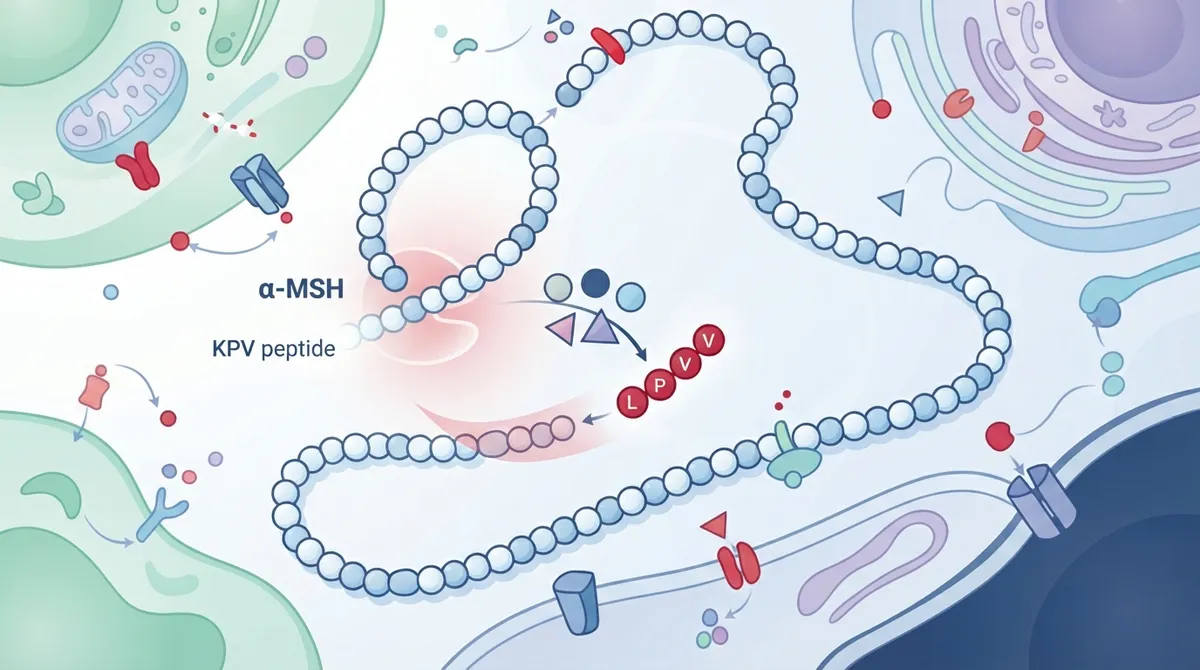
KPV stands for Lys-Pro-Val, a three-amino-acid chain. It contains lysine, proline, and valine. This tiny fragment comes from the tail end of alpha-melanocyte-stimulating hormone, often called alpha-MSH. Researchers isolated this small piece because it appears to keep some of the parent hormone's anti-inflammatory activity.
Unlike full alpha-MSH, KPV does not seem to trigger the pigmentation effects tied to skin tanning. This distinction matters for people exploring wellness peptides for inflammation support rather than skin darkening. Still, having fewer side effects in lab models does not mean KPV is proven safe for humans.
2. The KPV Peptide Mechanism Starts With Cell Entry
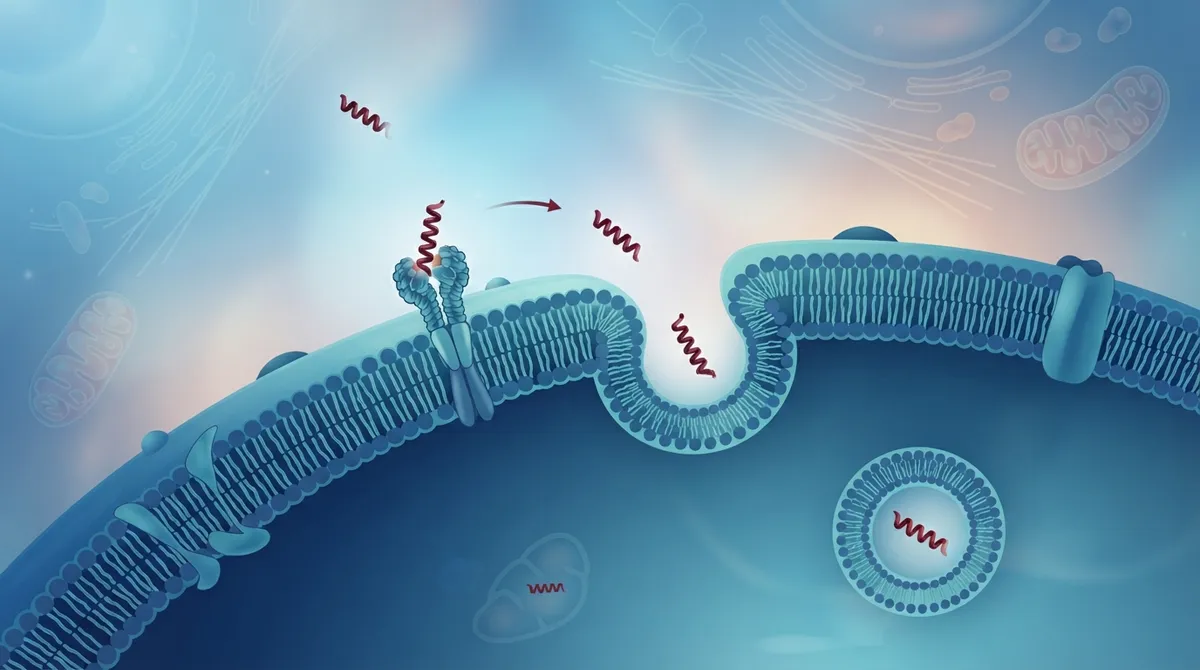
To understand the KPV peptide mechanism, you need to know how it gets inside cells. Most peptides cannot simply pass through cell walls on their own. KPV appears to use a specific doorway called PepT1.
PepT1 is a transporter protein. It normally carries small protein fragments, called di- and tripeptides, into cells. This transporter shows up heavily in the gut lining and in some immune cells. Interestingly, research suggests inflamed intestinal tissue may produce even more PepT1, potentially increasing KPV uptake in those conditions.
3. Why PepT1 Matters for Gut Health Discussions
Because PepT1 is so active in intestinal cells, most KPV research has focused on the gut. Scientists have studied KPV in animal models of colitis, a type of intestinal inflammation. This is why online searches often connect KPV with digestive wellness.
However, animal colitis models do not equal human digestive disease. If you struggle with digestive symptoms, a proper evaluation from a doctor remains the safest path forward. Our Riverview primary care team can help identify the real cause of gut symptoms rather than relying on unproven peptides.
4. KPV Targets Inflammatory Signaling Pathways
Once inside a cell, KPV appears to interfere with two major inflammatory pathways: NF-κB and MAPK. These pathways act like alarm systems. When triggered, they tell the cell to produce inflammatory chemicals.
NF-κB is especially important. Under normal conditions, this protein moves into the cell nucleus and switches on genes that create inflammation. Lab studies suggest KPV may block part of this movement, specifically the interaction between a piece of NF-κB called p65 and a helper protein called importin-α3. This blocking effect, if confirmed in future human trials, could explain some of the anti-inflammatory activity seen in cell studies.
5. Cytokine Reduction Seen in Lab Studies
When NF-κB and MAPK signaling slow down, cells tend to produce fewer inflammatory cytokines. Cytokines are small proteins that cells use to communicate about immune responses. Common cytokines studied alongside KPV include:
- TNF-α, linked to inflammation and immune response
- IL-1β, involved in fever and inflammatory signaling
- IL-6, associated with chronic inflammation
- IL-8, involved in recruiting immune cells to inflamed tissue
Lower cytokine levels in cell and animal studies are promising signals for researchers. But a reduction in a lab dish does not automatically translate to symptom relief in real patients. This gap between lab results and clinical outcomes is a critical distinction every wellness-minded reader should understand.
6. KPV Works Differently Than Its Parent Hormone
Full-length alpha-MSH activates specific proteins on cell surfaces called melanocortin receptors. These receptors control skin pigmentation, appetite, and other body functions. KPV's anti-inflammatory activity appears to happen largely without engaging these same receptors.
This receptor-independent action is scientifically interesting. It may explain why KPV does not seem to cause the pigmentation changes tied to full alpha-MSH. However, working through a different pathway does not automatically mean a substance is safer or more effective. It simply means the mechanism is distinct, and each mechanism needs its own safety and efficacy research in humans.
7. Where Preclinical Research Has Focused So Far
Scientists have examined KPV in several lab and animal settings, including:
- Intestinal inflammation models, such as colitis in mice
- Airway and bronchial inflammation studies
- Skin and keratinocyte cell research
- Wound-related healing models
These studies are described as hypothesis-generating. That means they raise interesting questions and point researchers toward future studies. They do not establish that KPV treats inflammatory bowel disease, eczema, psoriasis, asthma, or any other diagnosed condition in people.
8. A Landmark Study and Its Real Limits
One frequently cited paper, published in 2007 by Dalmasso and colleagues, reported that KPV reduced inflammatory signaling at very low, nanomolar concentrations in laboratory systems. The same research line found that oral KPV reduced disease features in mice with dextran sulfate sodium- and trinitrobenzene sulfonic acid-induced colitis.
These are laboratory models using chemically induced colitis in mice, not human clinical trials. No randomized, controlled human trials currently confirm that KPV improves any digestive, skin, or respiratory condition in people. Anyone considering peptide therapy should discuss the actual evidence base with a licensed provider before making decisions. You can review general information on inflammation and immune signaling through the National Center for Biotechnology Information, a respected government research resource.
9. Product Quality Concerns You Should Understand
Even if future research supports human use, product quality remains a serious concern in the current unregulated peptide marketplace. KPV is sold in several forms, including:
|
Product Form |
Common Claims |
Key Concern |
|---|---|---|
|
Compounded injectable |
Systemic anti-inflammatory support |
Sterility and dosing consistency vary by source |
|
Oral capsules |
Gut health support |
Peptide breakdown in digestion is poorly studied in humans |
|
Nasal sprays |
Fast absorption claims |
No validated human dosing exists |
|
Topical creams |
Skin and inflammation support |
Skin penetration and stability are not well documented |
Manufacturing quality, purity, and stability can differ widely between suppliers. Results from an oral animal experiment cannot be assumed to apply to an injectable or topical product sold to consumers. This is one reason why working with a licensed clinic matters more than buying peptides from unverified online sources.
10. What This Means for Your Wellness Plan Today
The honest, current answer is that KPV remains an investigational peptide, not an approved or clinically validated treatment. There is no established human dose, no confirmed treatment duration, and no long-term safety data. Claims promising specific percentages of improvement or guaranteed safety are not backed by solid clinical evidence.
That does not mean wellness-focused patients have no options. Evidence-based approaches to inflammation, gut health, and overall wellness already exist and are supported by real clinical research. Our team offers services such as IV hydration and vitamin drips, DNA gene testing, and body composition analysis to help you build a wellness plan grounded in data, not internet trends. For patients specifically interested in peptide-based options with more established evidence, our peptide therapy program in Tampa can walk you through what is currently supported by research.
Common Questions About KPV and Peptide Safety
Patients frequently want to know how to separate real science from marketing. A good first step is asking whether a claim comes from a human clinical trial or an animal study. Another useful step is checking whether a provider is a licensed medical professional rather than an unregulated online seller. Our physicians, including Dr. Naveen Paddu, Dr. Pramjeet Ahluwalia, and Dr. Teshy John, are available to answer these questions directly during a visit.
We also encourage patients to follow our updates on Facebook and Instagram for practical wellness tips grounded in real medical evidence. You can even find quick explainer content on Tik Tok if you prefer short-form learning.
Why Choose InCare for Wellness Guidance in Tampa and Riverview
InCare combines primary care expertise with advanced wellness services under one roof. Instead of guessing which peptide or supplement might help, our team reviews your health history, runs appropriate testing, and builds a plan based on your actual needs. This approach protects you from wasting money on unproven products and keeps your long-term health as the top priority.
Patients across Tampa and Riverview trust our clinic for honest, evidence-based care. You can visit us on Google — InCare to read reviews from real patients who have experienced our approach firsthand. Many mention our friendly staff and the clear communication from our physicians during appointments.
If you have questions about KPV, other peptides, or want to explore evidence-based wellness services, our team is ready to help. Reach out to our care team today to discuss your options, or book your appointment now to start building a wellness plan based on real science rather than online trends.
FAQs
Q: What is KPV peptide and how does it relate to alpha-MSH?
A: KPV, or Lys-Pro-Val, is a three-amino-acid fragment taken from the tail end of alpha-melanocyte-stimulating hormone. It appears to retain anti-inflammatory activity from the parent hormone while lacking the pigmentation effects seen with full alpha-MSH in experimental models.
Q: How does KPV affect the NF-κB inflammatory pathway?
A: Laboratory research suggests KPV may interfere with NF-κB signaling, including the interaction between the p65 subunit and importin-α3. This appears to reduce the activation of genes that produce inflammatory chemicals, though the full mechanism is still being studied.
Q: Can KPV help with gut inflammation, Crohn's disease, or ulcerative colitis?
A: Animal studies have shown KPV reduced disease features in chemically induced colitis models in mice. However, these are laboratory models, and no reliable human clinical trials currently confirm KPV as a treatment for Crohn's disease or ulcerative colitis in people.
Q: Is KPV peptide safe for human use?
A: There is no established human dose, treatment duration, or long-term safety data for KPV. It should be considered an investigational compound, and anyone curious about it should speak with a licensed medical provider before considering any peptide product.
Q: Are there human clinical trials of KPV peptide?
A: Currently, the published evidence on KPV comes from cell culture experiments and animal studies. Reliable randomized human clinical trials evaluating KPV's efficacy and safety are not yet available in the medical literature.