
Key Takeaways
- MOTS-c is not FDA-approved for any human use including weight loss, diabetes, or anti-aging, and regulatory documents confirm no clinical trials or human safety data exist for synthetic formulations despite marketing claims.
- MOTS-c formulation quality varies dramatically between products—differences in purity, sterility, concentration accuracy, and salt form can completely change how a product behaves in your body, creating serious safety risks.
- Lab and animal study findings about MOTS-c cannot predict effects in humans; don't confuse results from MOTS-c analogs like CB4211 with native MOTS-c, as these are distinct molecules with different research histories.
- Before considering any MOTS-c product, consult your primary care doctor, verify FDA approval status directly, and explore evidence-based alternatives like medically supervised weight loss programs or metabolic testing with proven safety profiles.
Interest in mitochondrial peptides has grown fast among people chasing better energy, metabolism, and healthy aging. MOTS-c is one name that keeps coming up in wellness circles. But before you consider anything labeled with this peptide, you need to understand what "formulation" really means and why it matters so much for your safety.
This guide breaks down what MOTS-c formulation involves, what current research actually shows, and why working with a licensed primary care provider matters more than following online trends. At InCare, patients across Tampa and Riverview trust our team to give straight answers about emerging wellness topics like this one, grounded in real science rather than hype.
What Is MOTS-c and Where Does It Come From
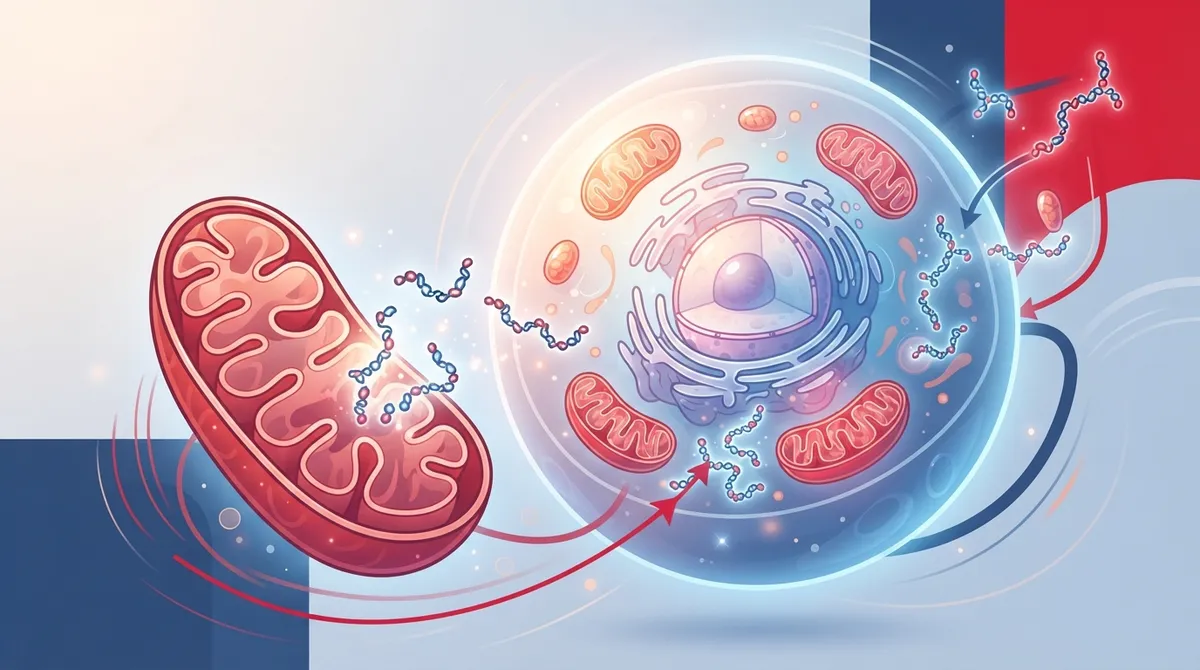
MOTS-c stands for mitochondrial open reading frame of the 12S rRNA-c. It is a small peptide made of just 16 amino acids. Your body naturally produces it using instructions from mitochondrial DNA, not your regular nuclear DNA.
Researchers first identified MOTS-c because mitochondria—the energy factories inside your cells—seem to use it as a messenger. Early lab and animal studies suggested it might play a role in:
- Cellular energy regulation
- Insulin sensitivity and glucose metabolism
- How your body adapts to exercise
- Stress responses at the cellular level
These findings are interesting. But interesting lab results are very different from proven human treatments. That gap is exactly where the word "formulation" becomes so important.

What Does MOTS-c Formulation Actually Mean
When people talk about a MOTS-c formulation, they usually mean a synthetic version of the peptide made for injection or other use. This is not the same thing as the MOTS-c your mitochondria naturally produce.
Formulation covers several important details:
- Peptide identity – Is it truly MOTS-c, or a modified analog with different effects?
- Salt form – Some products use MOTS-c acetate rather than the free base form.
- Purity – Contaminants can cause unexpected reactions.
- Sterility – Non-sterile injectable products carry infection risk.
- Concentration accuracy – Mislabeled dosing can lead to too little or too much product.
- Storage stability – Peptides can degrade if stored improperly, changing their effects entirely.
Every one of these factors can change how a product behaves in your body. Two products both labeled "MOTS-c" could be completely different in practice. This is a major reason primary care oversight matters when patients ask about peptide-related wellness options.
MOTS-c Analogs vs Native MOTS-c: Why the Difference Matters
One of the most confusing parts of this topic is the difference between native MOTS-c and lab-modified analogs. A compound called CB4211 is a distinct MOTS-c analog that has appeared in early human research discussions.
Findings related to CB4211 should never be treated as proof that ordinary MOTS-c formulations work the same way or are equally studied. These are different molecules with different research histories. Mixing them up in marketing materials creates a false sense of scientific backing that does not currently exist for unmodified MOTS-c.
|
Category |
Native MOTS-c |
MOTS-c Analogs (e.g., CB4211) |
|---|---|---|
|
Origin |
Naturally produced by mitochondria |
Lab-engineered variant |
|
Human trial data |
Very limited to none identified |
Some early-phase human research exists |
|
FDA approval |
None |
None |
|
Regulatory monograph |
No USP/NF monograph identified |
Not applicable as a separate substance |
|
Marketing claims |
Often overstated online |
Frequently confused with native peptide |
Is MOTS-c FDA Approved for Weight Loss, Diabetes, or Anti-Aging
No. This is one of the most important facts patients need to hear clearly. The FDA has not approved MOTS-c for any human condition. There is no approved drug product containing MOTS-c on the market today.
An FDA briefing document reviewed regulatory information about MOTS-c free base and MOTS-c acetate. It found no existing United States Pharmacopeia or National Formulary monograph for either form. Neither form is a component of any FDA-approved drug.
The same document stated that FDA had not identified clinical studies or human exposure data for MOTS-c-related bulk drug substances. In plain terms, there is very little direct evidence about how synthetic MOTS-c behaves in real patients over time.
Any business or website claiming MOTS-c is an approved weight-loss, anti-aging, diabetes, or performance therapy is not giving you accurate information. Reputable healthcare providers will always be upfront about this distinction.
What the Current Research Actually Shows
Most of what we know about MOTS-c comes from three types of studies:
- Laboratory (cell-based) research
- Animal studies, mostly in mice
- Observational research measuring naturally occurring MOTS-c levels in people
These studies are valuable for understanding biology. But they cannot tell us whether an injected, synthetic MOTS-c formulation is safe or effective for humans. Measuring how much MOTS-c naturally exists in someone's blood is very different from injecting a manufactured version and tracking results in a controlled trial.
Public research databases have not shown completed Phase II or Phase III efficacy trials for unmodified MOTS-c in humans. Until that kind of rigorous testing exists, claims about benefits remain unproven, no matter how confident a product label sounds.
Compounding Status and Legal Questions
Many patients ask whether a compounding pharmacy can legally prepare MOTS-c. This is a fair question, and the honest answer is that the situation is still evolving.
A Pharmacy Compounding Advisory Committee vote in July 2026 was referenced in recent regulatory discussions. That vote was advisory only. It did not grant FDA approval, and it did not automatically authorize pharmacies to compound MOTS-c products.
Regulatory status can change quickly. Anyone considering a MOTS-c product should verify current rules directly with FDA sources rather than relying on outdated blog posts or supplier claims. This is another reason to loop in a trusted primary care team before making decisions based on internet research alone.
Safety Concerns With Online and Compounded MOTS-c Products
Because there is no FDA-approved MOTS-c drug, most products sold online exist outside standard pharmaceutical oversight. This creates real risks for consumers.
Key safety issues to consider include:
- Unverified purity and possible contamination
- Inaccurate dosing due to inconsistent manufacturing
- Sterility concerns with injectable products
- Unknown short-term and long-term side effects
- Possible immune reactions to poorly made peptides
- Injection site complications
- Unknown interactions with medications you already take
These are not small concerns. Without clinical studies or human exposure data, there is no reliable safety profile to reference. This is very different from FDA-approved medications, which go through years of testing before reaching patients.
How Primary Care Clinicians Should Counsel Patients
If you are curious about MOTS-c or similar research peptides, the right first step is an honest conversation with a licensed clinician. A good primary care visit should include:
- A review of your current health conditions and medications
- An honest explanation of what is and is not proven about the peptide in question
- A discussion of FDA status and regulatory gaps
- Questions about where you heard about the product and what claims were made
- Guidance on safer, evidence-based alternatives for your health goals
At InCare, our providers, including Dr. Naveen Paddu, Dr. Pramjeet Ahluwalia, and Dr. Teshy John, take this kind of transparency seriously. Patients deserve clear answers, not marketing language dressed up as medical advice.
Evidence-Based Alternatives for Metabolic and Wellness Goals
If your real goal is better energy, healthier weight, or improved metabolic markers, there are proven paths already available. These options have far more research behind them than experimental peptides.
- Medically supervised weight loss programs with proven medications and lifestyle coaching
- Metabolic breath analysis to understand how your body burns energy
- Body composition testing to track real progress over time
- DNA gene testing to personalize your health plan
- IV hydration and vitamin therapy for targeted nutrient support
These services come with clinical oversight and measurable outcomes, something that current MOTS-c formulations simply cannot offer yet.
Questions to Ask Before Considering Any Research Peptide
Whether you are looking into MOTS-c or any other emerging peptide, ask these questions first:
- Has this product been reviewed by FDA for any approved use?
- Is there a USP/NF monograph confirming quality standards?
- What clinical trial data exists in humans, not just animals?
- Who is manufacturing this product, and can they prove purity and sterility?
- Does my doctor know I am considering this, and what do they recommend instead?
If you cannot get clear answers to these questions, that is a strong signal to pause and talk with a licensed provider before moving forward. You can learn more about our approach to peptide-related wellness care and how we help patients separate real evidence from marketing claims.
You can also see how other patients describe their experience at our clinic by visiting our InCare location on Google, or by following our updates on Facebook, Instagram, and TikTok for ongoing wellness education.
Why Working With a Licensed Clinic Matters
Emerging wellness trends move fast, especially online. It is easy to find bold claims about peptides like MOTS-c without any mention of FDA status, safety data, or formulation risks. That is exactly why patients need a trusted partner who prioritizes facts over hype.
InCare serves patients in Tampa and Riverview with a focus on prevention, whole-body health, and honest medical guidance. Our team stays current on regulatory updates so you do not have to sort through confusing online sources alone.
If you have questions about MOTS-c, peptide therapy, or safer paths toward your wellness goals, our team is ready to help. Reach out to our care team today or schedule your appointment now to get answers grounded in real medical evidence.
FAQs
Q: What is MOTS-c and how does it work?
A: MOTS-c is a naturally occurring 16-amino-acid peptide made from mitochondrial DNA. Research suggests it may play a role in energy regulation and insulin sensitivity, but these findings come mostly from lab and animal studies, not proven human treatments.
Q: Is MOTS-c FDA approved for weight loss or anti-aging?
A: No. The FDA has not approved MOTS-c for any human use, including weight loss, diabetes, or anti-aging. No FDA-approved drug product contains MOTS-c, and regulatory documents confirm no USP/NF monograph exists for it.
Q: What is the difference between MOTS-c and analogs like CB4211?
A: Native MOTS-c is the naturally occurring peptide, while CB4211 is a distinct lab-engineered analog studied separately in early human research. Results from CB4211 studies should not be used as evidence that standard MOTS-c formulations are safe or effective.
Q: Are MOTS-c injections safe?
A: Safety data is very limited. FDA briefing documents note no identified clinical studies or human exposure data for MOTS-c bulk substances, meaning short- and long-term risks remain largely unknown.
Q: Can a compounding pharmacy legally prepare MOTS-c?
A: This remains unclear and is still evolving. A July 2026 advisory committee vote did not equal FDA approval or automatic compounding authorization, so patients should verify current status directly with FDA sources before considering any product.