Key Takeaways
- Kisspeptin is the critical first signal in the reproductive hormone chain (HPG axis), triggering GnRH release which controls puberty, fertility, and menstrual cycles through a pulsatile pattern that can be disrupted by stress, poor nutrition, or low body fat.
- A 2025 clinical study confirmed kisspeptin raises luteinizing hormone but found no significant effects on anxiety, cortisol, blood pressure, or heart rate, contradicting online claims that it functions as a mood or stress supplement.
- The KNDy network (kisspeptin, neurokinin B, and dynorphin) processes signals about body energy, stress, and nutrition to regulate reproductive hormones, explaining why extreme lifestyle stress or malnutrition can stop periods or delay puberty.
- Kisspeptin activates brain regions linked to sexual arousal and emotional bonding in imaging studies, but these early findings do not yet support approved clinical use for sexual desire or mood disorders.
- Online kisspeptin products marketed as nasal sprays or supplements for anxiety, weight loss, or libido lack regulatory approval and scientific support; unregulated peptides carry risks including unknown dosing and contamination.
- Kisspeptin blood testing remains a specialized research tool rather than a standard primary care test; hormone health evaluation should start with established thyroid panels, reproductive hormone markers, and lifestyle assessment.
Your brain talks to your body in ways you rarely think about. One of the most fascinating conversations happens through a small molecule called kisspeptin. This brain chemical helps control puberty, fertility, and even how you feel about intimacy and connection. Kisspeptin neuroscience is a growing field, and it matters for anyone thinking about reproductive health, hormone balance, or overall wellness. At InCare, our primary care teams in Tampa and Riverview help patients understand what is happening inside their bodies, including the hormone systems that shape health across every stage of life.
This article breaks down what kisspeptin is, how it works in the brain, and what the science actually says about its role in fertility, mood, and menopause. We will also cover what kisspeptin cannot yet do, since some claims online go far beyond what research supports. Whether you are a young adult curious about hormone health or a parent watching your child move through puberty, this guide gives you clear, accurate information.
What Is Kisspeptin and Why Does It Matter?
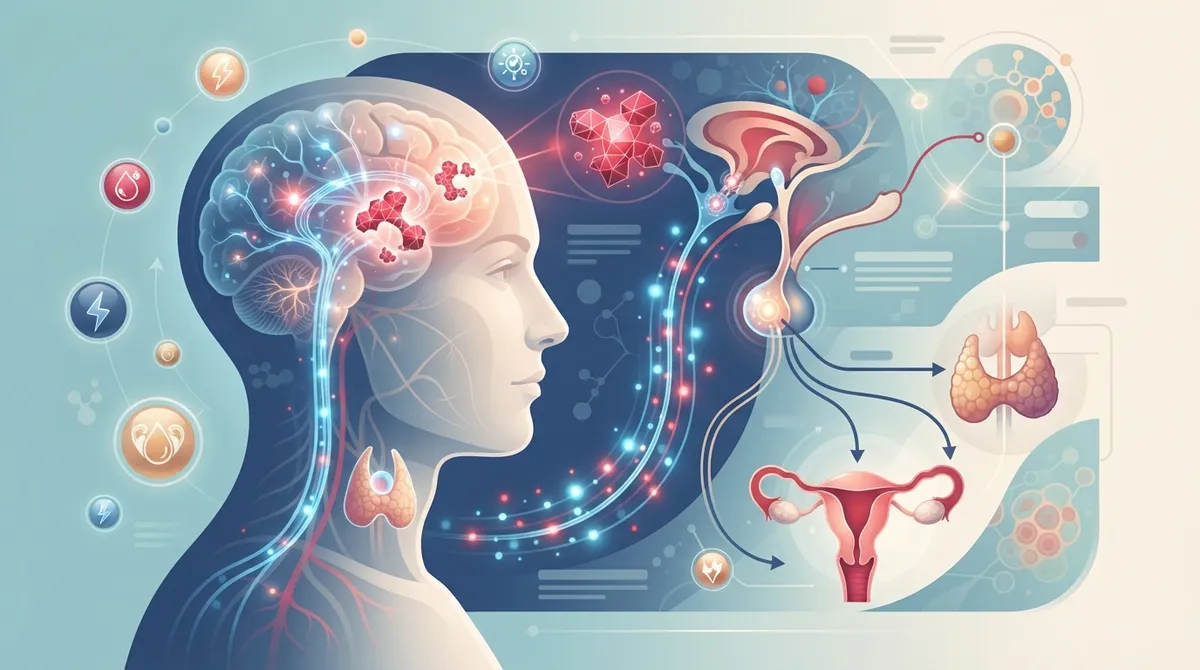
Kisspeptin is a small protein made in the brain. Scientists call it a neuropeptide because it helps nerve cells send signals to each other. It comes from a gene named KISS1, and it works by attaching to a receptor called KISS1R, sometimes labeled GPR54.
Kisspeptin sits at the top of a hormone chain that controls reproduction. It tells special brain cells to release a hormone called GnRH. This hormone then tells the pituitary gland to release two more hormones, LH and FSH. These hormones control ovulation in women and sperm production in men. Without kisspeptin, this entire chain would not start.
The Brain-Body Connection Explained Simply
Think of kisspeptin as the first domino in a long line. When it falls, it pushes the next one, and so on, until your body produces the hormones needed for puberty, periods, and fertility. This chain is called the hypothalamic-pituitary-gonadal axis, or HPG axis for short.
- Kisspeptin neurons live mainly in a brain region called the hypothalamus.
- These neurons release kisspeptin in bursts, not a steady stream.
- Each burst triggers a matching burst of GnRH.
- This pulsing pattern is required for normal reproductive hormone levels.
- Disruption of this pattern can cause fertility problems or delayed puberty.
How Kisspeptin Neuroscience Explains Puberty and Fertility
Doctors have long wondered what triggers puberty to start. Kisspeptin research gives us a big piece of that puzzle. Genetic problems with the KISS1 gene or its receptor can delay or block puberty entirely. This condition is called hypogonadotropic hypogonadism, and it affects both boys and girls.
A 2025 review published in Physiological Reviews confirmed that kisspeptin and a related molecule called neurokinin B play roles in puberty, adult fertility, menstrual cycles, menopause, and even bone health. This shows that kisspeptin neuroscience touches far more of the body than reproduction alone.
The KNDy Network: A Hormone Control Center
Kisspeptin does not work alone. It teams up with two other signals called neurokinin B and dynorphin. Together, these three form what scientists call the KNDy network, found in a part of the hypothalamus called the arcuate nucleus.
- Kisspeptin neurons receive signals about body energy, stress, and nutrition.
- The KNDy network processes this information together.
- Neurokinin B helps trigger kisspeptin release.
- Dynorphin helps turn the signal off between pulses.
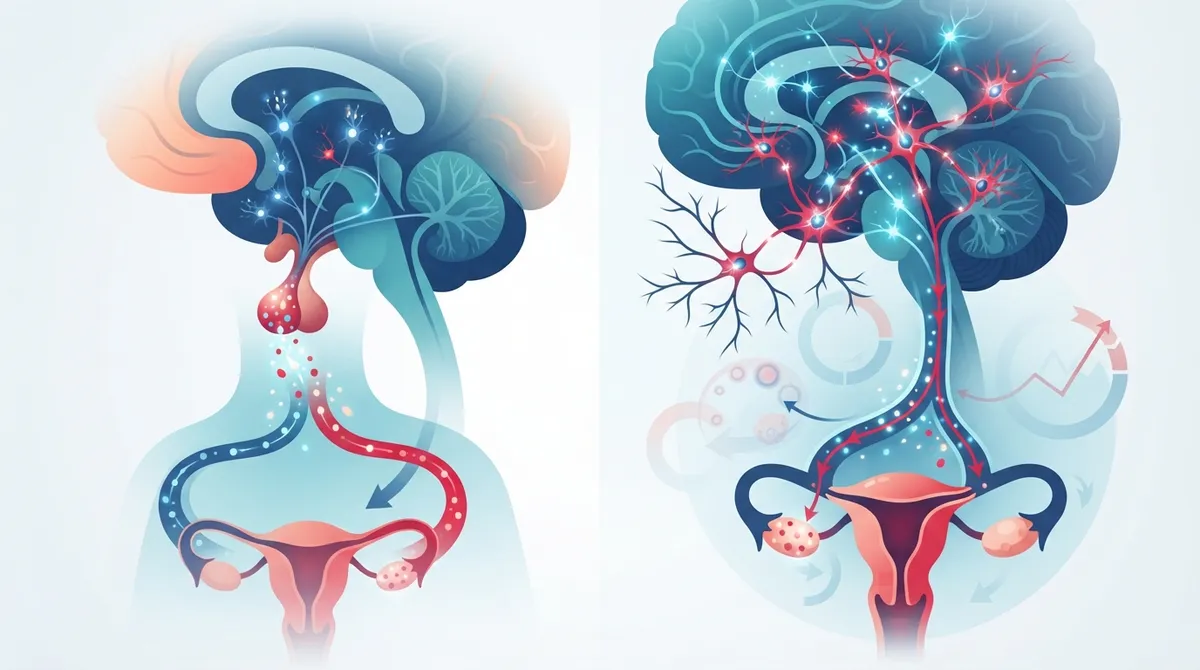
- This on-off rhythm creates the pulsatile GnRH pattern needed for healthy hormone levels.
This network explains why extreme stress, very low body fat, or poor nutrition can stop periods or delay puberty. The brain is protecting the body by pausing reproduction when conditions seem unsafe. Our primary care providers often see this pattern in patients dealing with irregular cycles tied to lifestyle or stress factors.
Kisspeptin and the Brain's Role in Sexual and Emotional Behavior
Kisspeptin neuroscience is not limited to the reproductive system. Researchers have found kisspeptin and its receptor in brain regions tied to emotion, motivation, and social bonding. These areas are sometimes called the corticolimbic system.
A well-known 2017 study published in the Journal of Clinical Investigation gave kisspeptin to healthy volunteers and then scanned their brains. The results showed increased activity in brain regions linked to sexual arousal and couple bonding when participants viewed certain images. This was one of the first studies to show kisspeptin's reach beyond hormone control.
What This Means for Mood and Attraction
These findings sparked interest in kisspeptin as a possible treatment for low sexual desire or emotional processing issues. However, researchers caution that early brain-imaging results do not prove kisspeptin is a safe or effective treatment for these conditions.
- Kisspeptin appears active in brain areas tied to attraction and bonding.
- Human studies show increased limbic brain activity after kisspeptin exposure.
- These findings are exciting but still considered early-stage research.
- No approved treatment currently uses kisspeptin for mood or libido concerns.
- More large, long-term studies are needed before any clinical use is confirmed.
Kisspeptin, Menopause, and Metabolic Health
As women approach menopause, kisspeptin and neurokinin B activity change significantly. This shift is linked to hot flashes and other vasomotor symptoms. Interestingly, the FDA-approved menopause drug fezolinetant targets neurokinin B receptors, not kisspeptin itself, though the two systems are closely related.
Kisspeptin signaling also connects to metabolism. Your body uses kisspeptin neurons to sense energy availability, body fat, and stress levels. This is why athletes with very low body fat, or people under intense stress, sometimes stop having periods. This condition is called functional hypothalamic amenorrhea, and it is an active area of kisspeptin research.
Comparing Kisspeptin's Known Roles vs. Unproven Claims
|
Area |
What Research Supports |
What Remains Unproven or Investigational |
|---|---|---|
|
Puberty |
Kisspeptin signaling helps trigger pubertal onset |
Using kisspeptin therapy to safely time puberty in children |
|
Fertility |
Kisspeptin regulates GnRH, LH, and FSH release |
Kisspeptin as a standard IVF or infertility treatment |
|
Mood and Libido |
Kisspeptin activates limbic brain regions in studies |
Kisspeptin as an approved anxiety or libido treatment |
|
Menopause |
KNDy network activity shifts around menopause |
Kisspeptin itself as a hot flash treatment |
|
Metabolism |
Kisspeptin neurons respond to energy and stress signals |
Kisspeptin supplements for weight management |
What a 2025 Study Revealed About Kisspeptin Safety
A 2025 study in the Journal of Clinical Endocrinology & Metabolism gave participants a biologically active dose of kisspeptin. The results confirmed kisspeptin works as expected, since it significantly raised luteinizing hormone levels compared to placebo.
However, the same study found no significant changes in anxiety, cortisol, blood pressure, or heart rate. This tells us kisspeptin is biologically active, but its effects on mood and stress are not yet proven. Researchers agree that larger and longer studies are still needed.
Key Takeaways From Current Kisspeptin Research
- Kisspeptin reliably triggers hormone release tied to reproduction.
- It does not currently show proven effects on anxiety or stress hormones.
- Blood pressure and heart rate were unaffected in controlled testing.
- Its psychological effects remain an open question in ongoing research.
- Patients should not assume kisspeptin acts like a mood supplement.
Where Kisspeptin Research Is Headed
Scientists are exploring several specialized uses for kisspeptin, though none are routine treatments yet. These investigational areas show promise but require more study before wide use.
- Triggering egg maturation during IVF cycles
- Restoring normal hormone pulses in functional hypothalamic amenorrhea
- Diagnosing disorders of delayed or early puberty
- Studying kisspeptin for hypoactive sexual desire disorder
- Predicting pregnancy complications through kisspeptin blood levels
- Exploring bone health connections tied to kisspeptin signaling
Most current kisspeptin compounds used in research are synthetic peptides. Very few small-molecule drugs targeting the kisspeptin receptor have been developed so far, according to a 2025 review in the International Journal of Molecular Sciences.
Is Kisspeptin Testing Available in Primary Care?
Right now, kisspeptin blood testing is not a standard part of routine primary care visits. It remains largely a research tool used in specialized fertility or endocrine studies. Most primary care evaluations for menstrual problems, low libido, or fertility concerns instead focus on established hormone panels, thyroid function, and lifestyle factors.
If you are dealing with irregular periods, unexplained fertility struggles, or signs of hormone imbalance, a thorough evaluation is still the right first step. Our providers at InCare providers pages can help you learn more about the physicians who guide these conversations, including Dr. Naveen Paddu, Dr. Pramjeet Ahluwalia, and Dr. Teshy John.
What to Expect During a Hormone Health Visit
- A detailed conversation about your cycle, symptoms, and health history.
- Basic bloodwork to check thyroid, reproductive hormones, and metabolic markers.
- A physical exam tailored to your concerns.
- Discussion of lifestyle factors like sleep, stress, and nutrition.
- A personalized plan, which may include referrals to fertility or endocrine specialists if needed.
Should You Be Cautious About Kisspeptin Supplements or Sprays?
You may see kisspeptin marketed online as a nasal spray, injection, or supplement for anxiety, weight loss, low libido, or anti-aging. These products are not approved for general wellness use. Kisspeptin is not a routine supplement, and current science does not support these broad claims.
Unregulated products carry real risks, including unknown dosing, contamination, and unverified purity. Before trying any peptide-based product, talk with a licensed provider who can explain the current evidence and safer options for your goals. Our team offers guidance on evidence-based approaches, including our page on DNA gene testing for a more complete picture of your health.
Red Flags to Watch For
- Claims that kisspeptin cures anxiety or boosts mood instantly
- Products sold without any prescription or medical oversight
- Vague sourcing with no lab testing or purity verification
- Marketing that ignores the 2025 safety study's neutral findings
- Pressure to buy before consulting a licensed healthcare provider
How InCare Supports Your Hormone and Reproductive Health
While kisspeptin therapy itself remains investigational, understanding your hormone health is still very achievable today. InCare offers comprehensive evaluations that look at the full picture, not just one hormone in isolation. From annual wellness exams to specialized testing, our approach is built around prevention and personalized care.
Patients across Tampa and Riverview trust our team for everything from fertility-related concerns to broader wellness goals like medically supervised weight loss and body composition analysis. You can also explore our IV hydration and vitamin drip therapy for added support during hormone transitions like perimenopause. Many patients also follow our page on what happens during an annual wellness visit to prepare for their first appointment.
Why Local, Personalized Care Matters
Hormone health looks different for everyone. A 22-year-old dealing with irregular periods needs a different approach than a 45-year-old navigating early menopause symptoms. That is why our Tampa and Riverview locations focus on individualized care plans rather than one-size-fits-all solutions.
Our patients often share their experiences online, and you can see what our InCare community says by visiting our Google Business Profile. You can also follow our latest wellness tips on Facebook, Instagram, and TikTok for ongoing health education.
Final Thoughts on Kisspeptin Neuroscience
Kisspeptin neuroscience shows us how deeply connected the brain and reproductive system truly are. This tiny peptide controls puberty timing, fertility hormones, and possibly even parts of emotional and sexual behavior. Yet despite exciting research, kisspeptin is not yet a proven treatment for anxiety, weight loss, or low libido.
If you have questions about your hormone health, fertility, or overall wellness, working with a trusted primary care team is the safest place to start. Our providers stay current on emerging research like kisspeptin neuroscience while keeping your care grounded in proven, evidence-based medicine.
Ready to take the next step in understanding your hormone health? Book your appointment today and let our Tampa and Riverview team guide you toward a personalized wellness plan.
FAQs
Q: What is kisspeptin and how does it affect the brain?
A: Kisspeptin is a brain hormone made from the KISS1 gene that signals through the KISS1R receptor. It activates GnRH neurons in the hypothalamus, making it a key regulator of reproductive hormones, and it may also influence brain areas tied to emotion and sexual behavior.
Q: How does kisspeptin regulate GnRH, LH, and FSH?
A: Kisspeptin triggers pulses of GnRH release from the hypothalamus. This GnRH then signals the pituitary gland to release LH and FSH, hormones that control ovulation and sperm production.
Q: Can kisspeptin treatment help infertility or IVF outcomes?
A: Kisspeptin is being studied for triggering egg maturation during IVF and for treating functional hypothalamic amenorrhea. These uses remain investigational and are not yet standard fertility treatments.
Q: Does kisspeptin affect sexual desire or emotional processing?
A: A 2017 study found kisspeptin increased brain activity in regions tied to sexual and emotional processing. However, a 2025 study found no significant effect on anxiety, so its psychological effects are still under investigation.
Q: Are kisspeptin injections or supplements safe and approved?
A: Kisspeptin is not an approved general wellness supplement. It remains a research compound, and products marketed for anxiety, libido, or weight loss lack strong safety and effectiveness evidence.