
Key Takeaways
- Kisspeptin levels increase 200 to 7,000-fold during pregnancy and abnormally low levels have been associated with miscarriage, ectopic pregnancy, and fetal growth restriction in research studies.
- Kisspeptin testing is not yet standardized for clinical use because testing methods vary between labs, no universal normal ranges exist, and large-scale clinical trials are still needed before routine adoption.
- Early IVF studies show kisspeptin-54 achieved a 96.2% mature egg retrieval rate and 92.5% embryo success rate, with 12 healthy births reported, but these remain experimental protocols requiring larger trials.
- The placenta becomes the primary kisspeptin source during pregnancy through syncytiotrophoblast cells, making placental function directly connected to hormone signaling for pregnancy maintenance.
- Kisspeptin treatment and supplements should never be self-administered from unregulated sources as safety data is limited, dosing guidelines are unstandardized, and risks to maternal and fetal health are unknown.
- Standard prenatal care tools like ultrasound, blood pressure monitoring, and beta-hCG testing remain the evidence-based gold standard, while kisspeptin research may complement but cannot replace these proven methods.
Pregnancy involves hundreds of hormone changes, but few are as fascinating as kisspeptin. This lesser-known hormone plays a major role in how the placenta grows and how a pregnancy stays healthy. If you are trying to conceive, currently pregnant, or simply curious about reproductive health, understanding kisspeptin pregnancy science can help you ask better questions at your next checkup.
Kisspeptin research is still new, but it is exciting. Scientists believe it could one day help predict miscarriage risk or support fertility treatment. At the same time, kisspeptin testing is not yet a routine part of prenatal care. This article breaks down what kisspeptin is, what the science shows, and what it means for your health today. For personalized guidance, the team at primary care providers like InCare can help you separate promising research from proven medical practice.
What Is Kisspeptin and Why Does It Matter?
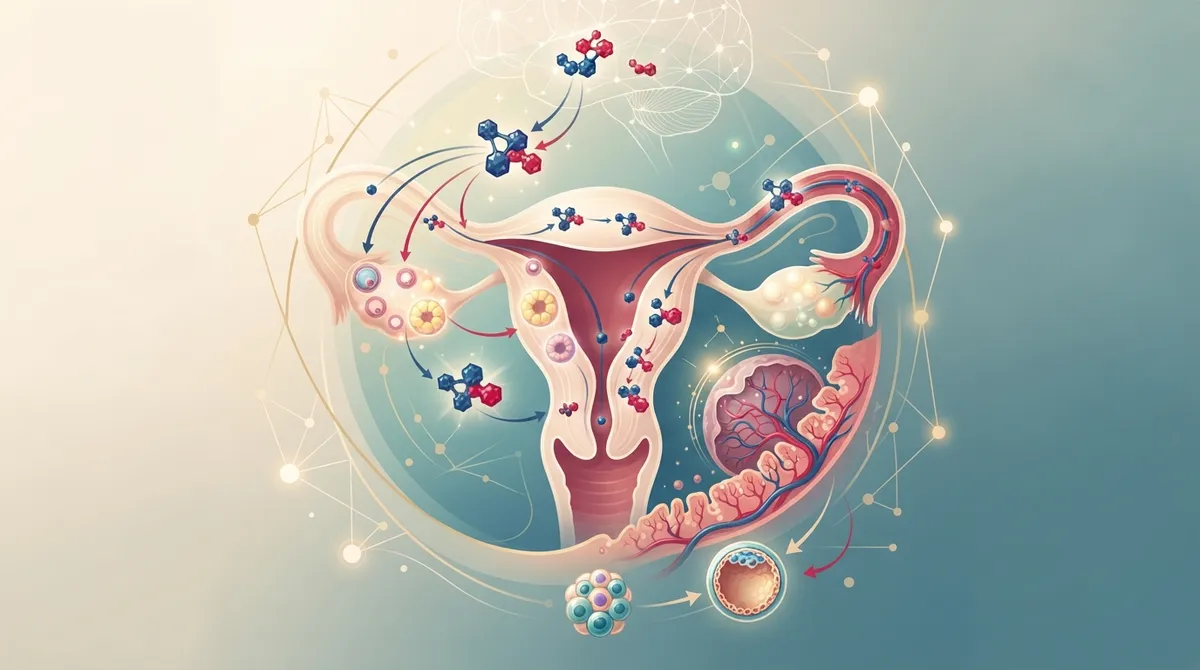
Kisspeptin is a hormone made in the brain and, during pregnancy, mostly in the placenta. It acts like a messenger. It tells your brain to release other hormones needed for reproduction.
Here is how the process works, step by step:
- Kisspeptin binds to receptors in the hypothalamus, a control center in your brain.
- This triggers the release of gonadotropin-releasing hormone, known as GnRH.
- GnRH then signals the pituitary gland to release two more hormones: luteinizing hormone (LH) and follicle-stimulating hormone (FSH).
- LH and FSH control ovulation and support healthy reproductive function.
This chain reaction explains why kisspeptin is so important for both getting pregnant and staying pregnant. Without it, the entire hormone signaling system can break down.
Where Does Kisspeptin Come From During Pregnancy?
Once you become pregnant, the placenta takes over as the main source of kisspeptin. Specific placental cells, called syncytiotrophoblast cells, produce large amounts of this hormone. Levels rise sharply in early pregnancy and continue climbing as pregnancy progresses.
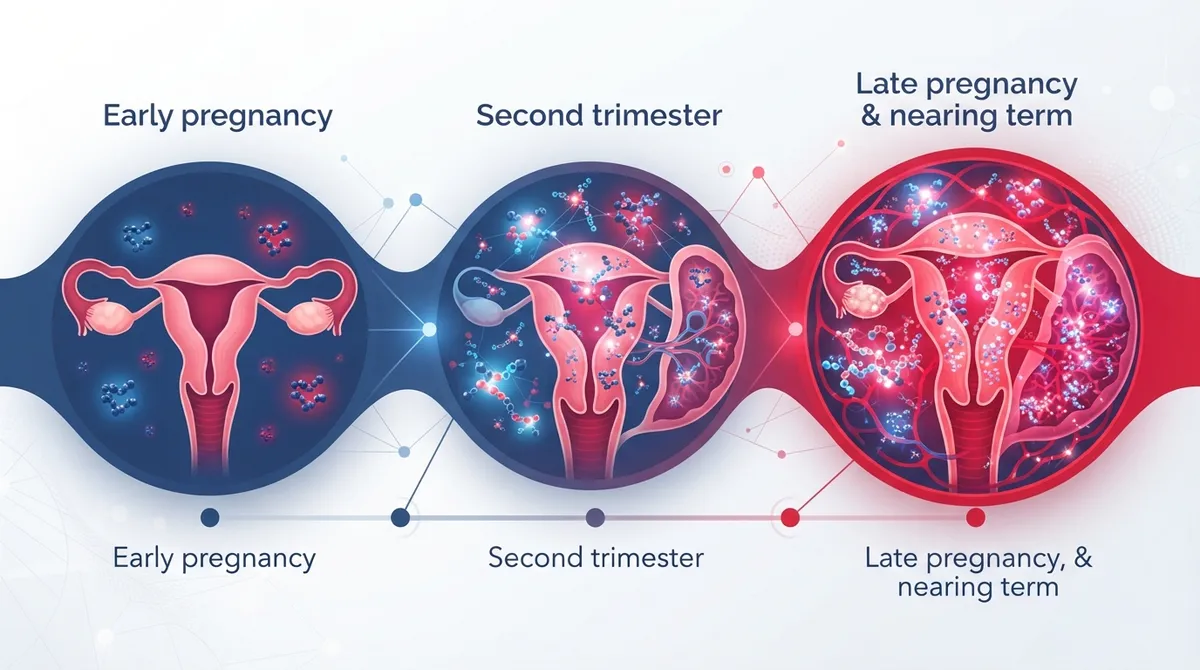
According to a 2025 review in Physiological Reviews, maternal kisspeptin levels can increase by 200-fold or more by the third trimester compared to non-pregnant levels. Some studies report increases nearing 7,000-fold, depending on the test used. After delivery, levels drop back down toward normal fairly quickly.
How Kisspeptin Levels Change Throughout Pregnancy
Tracking kisspeptin levels across pregnancy shows a clear pattern. Understanding this pattern helps researchers use it as a possible marker of placental health.
|
Pregnancy Stage |
Kisspeptin Trend |
Clinical Significance |
|---|---|---|
|
Early Pregnancy (First Trimester) |
Rapid rise begins |
Reflects early placental development |
|
Second Trimester |
Continued increase |
Associated with ongoing placental growth |
|
Third Trimester |
Peak levels |
Can be 200 to 7,000 times higher than baseline |
|
After Birth |
Rapid decline |
Levels return toward non-pregnant range |
This dramatic rise and fall makes kisspeptin a potential window into how well the placenta is functioning. However, testing methods vary between studies, which makes it harder to set clear, universal standards.
Can Kisspeptin Predict Pregnancy Complications?
This is one of the most researched — and most misunderstood — parts of kisspeptin science. Several studies have looked at whether lower kisspeptin levels can warn of problems before they happen.
Here is what current research suggests:
- Lower-than-expected kisspeptin levels have been linked to miscarriage in multiple studies.
- Some research connects low levels to ectopic pregnancy, where the embryo implants outside the uterus.
- Fetal growth restriction has also been associated with reduced kisspeptin in early pregnancy.
- A few studies suggest a possible link to preeclampsia and gestational diabetes, though results are inconsistent.
- Findings on preterm birth remain mixed, with no clear consensus yet.
A 2022 review found that kisspeptin levels were about 60% to 79% lower in women who later had a miscarriage, compared to those with healthy pregnancies. This is a meaningful difference, but it does not mean a single blood test can diagnose or predict miscarriage today.
Why Isn't Kisspeptin Testing Standard Yet?
Even with promising data, kisspeptin testing has not replaced standard prenatal care. There are several reasons for this:
- Testing methods differ between labs and research studies, making results hard to compare.
- There is no agreed-upon "normal" range for kisspeptin at each week of pregnancy.
- Timing matters. Levels checked too early or too late may not reflect true risk.
- Large-scale clinical trials are still needed before doctors can rely on it for diagnosis.
Right now, tools like ultrasound, quantitative beta-hCG testing, and blood pressure monitoring remain the gold standard for tracking pregnancy health. Kisspeptin may become a helpful add-on tool in the future, but it is not a replacement for these proven methods.
Kisspeptin and Preeclampsia: What the Research Shows
Preeclampsia is a serious pregnancy complication involving high blood pressure and organ stress. Researchers have studied whether kisspeptin plays a role in its development.
Some studies suggest kisspeptin may affect how trophoblast cells invade the uterine wall, a process critical for healthy placental attachment. Problems with this invasion process are linked to preeclampsia. However, results across studies are not consistent, and more research is needed before kisspeptin can be used to screen for this condition.
Kisspeptin and Fertility Treatment: An Emerging Area
Beyond pregnancy monitoring, kisspeptin is also being studied as a tool to help with fertility treatment, especially during in vitro fertilization (IVF).
Here is a timeline of key kisspeptin fertility research:
- Early studies showed that administered kisspeptin could stimulate the release of reproductive hormones.
- A landmark 2014 IVF study tested kisspeptin-54 to trigger egg maturation. Out of 53 women, 51 had at least one mature egg retrieved — a success rate of 96.2%.
- In that same study, 49 of 53 women, or 92.5%, had at least one embryo ready for implantation.
- Researchers tracked outcomes and reported 12 healthy births from embryos created using kisspeptin-induced maturation.
- A follow-up study involving 60 women at high risk for ovarian hyperstimulation syndrome found no moderate, severe, or critical cases after kisspeptin use.
- A 2025 review confirmed that kisspeptin-based fertility protocols are still experimental and not part of standard IVF care.
These results are encouraging, but they come from small studies. Questions remain about proper dosing, repeated use, and long-term safety for both mother and baby.
Is Kisspeptin Treatment Safe During Pregnancy?
This is a critical safety question. The honest answer is that kisspeptin treatment is not established as safe or effective for routine pregnancy care. Research is still in early stages, and dosing guidelines are not standardized.
People trying to conceive or already pregnant should never attempt to self-administer kisspeptin products. Unregulated sources may sell products without proper testing, purity checks, or dosing information. This puts both maternal and fetal health at risk.
Kisspeptin Research vs. Standard Prenatal Care: A Comparison
It helps to see how kisspeptin research compares to current, proven prenatal care tools. This table breaks down the differences.
|
Feature |
Kisspeptin Testing/Treatment |
Standard Prenatal Care |
|---|---|---|
|
Current Clinical Use |
Experimental, research stage |
Widely used, evidence-based |
|
Availability |
Not routinely offered |
Available at most primary care and OB clinics |
|
Purpose |
Potential biomarker for placental health |
Monitors fetal growth, maternal health, and complications |
|
Regulatory Status |
Not approved for routine pregnancy monitoring |
Established medical standard |
|
Safety Data |
Limited, mostly small trials |
Extensive, decades of research |
This comparison shows why doctors continue to rely on tools like ultrasound and blood pressure checks. These methods have years of safety data behind them, while kisspeptin science is still developing.
What Should You Do If You're Concerned About Pregnancy Health?
If you are pregnant or planning to conceive, here are practical steps you can take right now:
- Schedule regular checkups with a trusted primary care provider or OB/GYN.
- Ask about standard screening tests, including blood pressure checks and ultrasounds.
- Discuss any family history of miscarriage, preeclampsia, or fertility issues.
- Avoid buying kisspeptin products from online or unregulated sources.
- Bring up any new research you have read about, including kisspeptin, so your doctor can explain what it means for your specific situation.
- Consider a comprehensive annual wellness visit to establish a baseline for your overall health before pregnancy planning begins.
Women without an established primary care relationship often miss out on whole-body screening that goes beyond reproductive checkups. A well woman exam combined with routine primary care can catch issues early, whether or not you are planning a pregnancy.
How InCare Supports Whole-Body Wellness for Women
At InCare, with locations in Tampa and Riverview, the focus is on personalized, preventative healthcare. While kisspeptin testing is not yet a standard clinical service, InCare offers many tools that support reproductive and overall wellness.
These include:
- DNA gene testing to better understand personal health risks and predispositions
- Body composition analysis to track metabolic health over time
- IV hydration and vitamin drips to support energy and recovery
- Comprehensive primary care for ongoing health monitoring, including hormone-related concerns
- Cancer screening services for early detection and peace of mind
Providers such as Dr. Naveen Paddu, Dr. Pramjeet Ahluwalia, and Dr. Teshy John bring medical expertise combined with modern technology to help patients make informed decisions about reproductive health and beyond. You can learn more about the full care team on the providers page.
Staying Informed Without Falling for Hype
Kisspeptin is a genuinely exciting area of medical research. It offers a possible window into placental health and could someday improve fertility treatment. But excitement about new science should never replace proven medical care.
Here are a few tips to stay informed responsibly:
- Follow updates from reputable medical journals rather than unverified online sources.
- Ask your primary care provider before trying any new supplement or hormone-related product.
- Remember that small studies, even with promising results, need larger trials before becoming standard treatment.
- Stay connected with your healthcare team through regular visits rather than relying solely on internet research.
You can also follow InCare on Facebook and Instagram for wellness tips and updates on new health research. For quick video explanations of health topics, check out the clinic's presence on TikTok as well.
Final Thoughts on Kisspeptin and Pregnancy
Kisspeptin plays a powerful role in reproductive health, from triggering ovulation to supporting a healthy placenta during pregnancy. Research continues to explore its potential as both a warning sign for complications and a fertility treatment tool. But as of 2026, kisspeptin testing and treatment remain investigational, not routine.
If you are trying to conceive, currently pregnant, or simply want to take a proactive approach to your reproductive and overall health, working with a trusted primary care team matters. InCare's Tampa and Riverview locations offer personalized care built around your unique needs, backed by both medical expertise and modern technology.
Many patients have shared their positive experiences, and you can visit us on Google — InCare to read real reviews from the community. Ready to take the next step in your health journey? Reach out to the InCare team today or book your appointment now to start building a personalized care plan that supports your whole-body wellness.
FAQs
Q: What is kisspeptin and how does it affect pregnancy?
A: Kisspeptin is a hormone that helps control reproductive signaling in the brain and, during pregnancy, is produced in large amounts by the placenta. It plays a role in supporting placental function and may serve as an indicator of pregnancy health, though it is not yet used as a standard clinical test.
Q: Can a kisspeptin blood test predict miscarriage?
A: Research shows that lower kisspeptin levels have been associated with miscarriage in observational studies, with some data showing levels 60% to 79% lower in affected pregnancies. However, kisspeptin testing is not yet standardized or approved for predicting miscarriage in routine clinical practice.
Q: Is kisspeptin testing available during pregnancy?
A: Kisspeptin testing is primarily used in research settings and is not currently a routine part of prenatal care. Standard tools like ultrasound, blood pressure monitoring, and beta-hCG testing remain the trusted methods for tracking pregnancy health.
Q: Can kisspeptin help with ovulation or infertility?
A: Early studies suggest that administered kisspeptin can trigger hormone release that supports egg maturation, with one 2014 IVF study reporting a 96.2% success rate for mature egg retrieval. Despite these promising results, kisspeptin-based fertility treatments remain experimental and are not part of standard IVF protocols.
Q: Is it safe to take kisspeptin supplements when trying to conceive?
A: No, self-administering kisspeptin products from unregulated sources is not recommended and could pose health risks. Anyone considering fertility treatment should speak with a qualified primary care provider or reproductive specialist before trying any hormone-related product.