Key Takeaways
- GHK-Cu clinical studies show 67% improvement in skin elasticity and 35% wrinkle reduction with twice-daily topical use for 8-12 weeks, compared to 9% and 4% in control groups respectively.
- GHK-Cu naturally occurs in young skin and works by supporting collagen synthesis and fibroblast activity while reducing protein breakdown, making it effective for addressing multiple aging signs simultaneously.
- Product quality varies significantly across brands; verify GHK-Cu concentration, check for third-party testing, avoid formulations with destabilizing ingredients, and consult a provider to ensure product efficacy and safety.
- Combine GHK-Cu topical treatments with whole-body wellness approaches including hydration, nutrition, and sleep to maximize skin elasticity, since skin health reflects overall health rather than surface treatment alone.
Skin that once bounced back after a smile or a squeeze can start to feel looser with age. If you have noticed fine lines, sagging, or a dull texture, you are not alone. Many people are turning to GHK-Cu, a copper peptide gaining attention in wellness circles, to help restore firmness and elasticity. This article explains what GHK-Cu is, how it may support skin health, and what the science actually shows.
At InCare, our team in Tampa and Riverview takes a whole-body approach to wellness. That means looking beyond the surface to understand how ingredients like copper peptides fit into a bigger picture of prevention and healthy aging. Whether you are curious about skincare science or exploring regenerative wellness options, understanding GHK-Cu can help you make informed choices about your skin health.
What Is GHK-Cu and Why Does It Matter for Skin
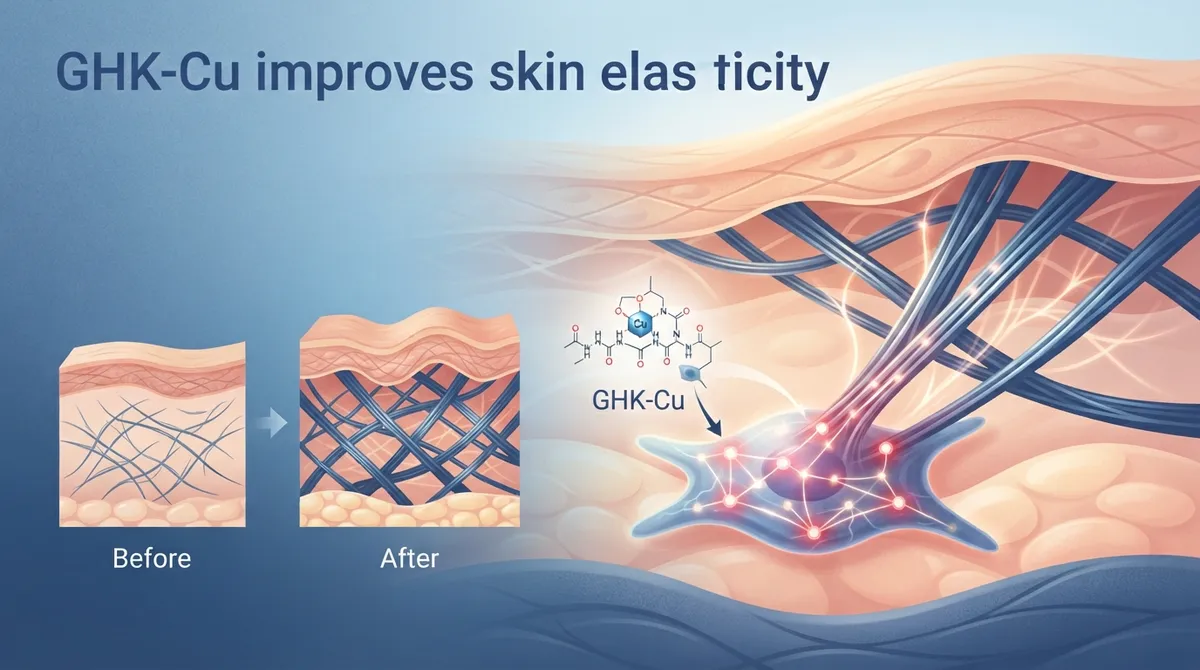
GHK-Cu stands for glycyl-L-histidyl-L-lysine copper complex. It is a naturally occurring copper peptide found in the human body. Levels of this peptide are highest in young, healthy skin and tend to drop as we age.
Researchers have studied GHK-Cu for decades because of its role in tissue repair. It is now widely used in topical skincare formulas aimed at improving skin quality, firmness, and overall appearance.
Here is why GHK-Cu draws so much interest in skin science:
- It occurs naturally in human plasma, saliva, and urine
- It supports the body's own repair signals
- It has been studied in both lab and human skin models
- It is used in serums, creams, and some clinical formulations
- It may help address multiple signs of aging at once
How GHK-Cu May Support Skin Elasticity
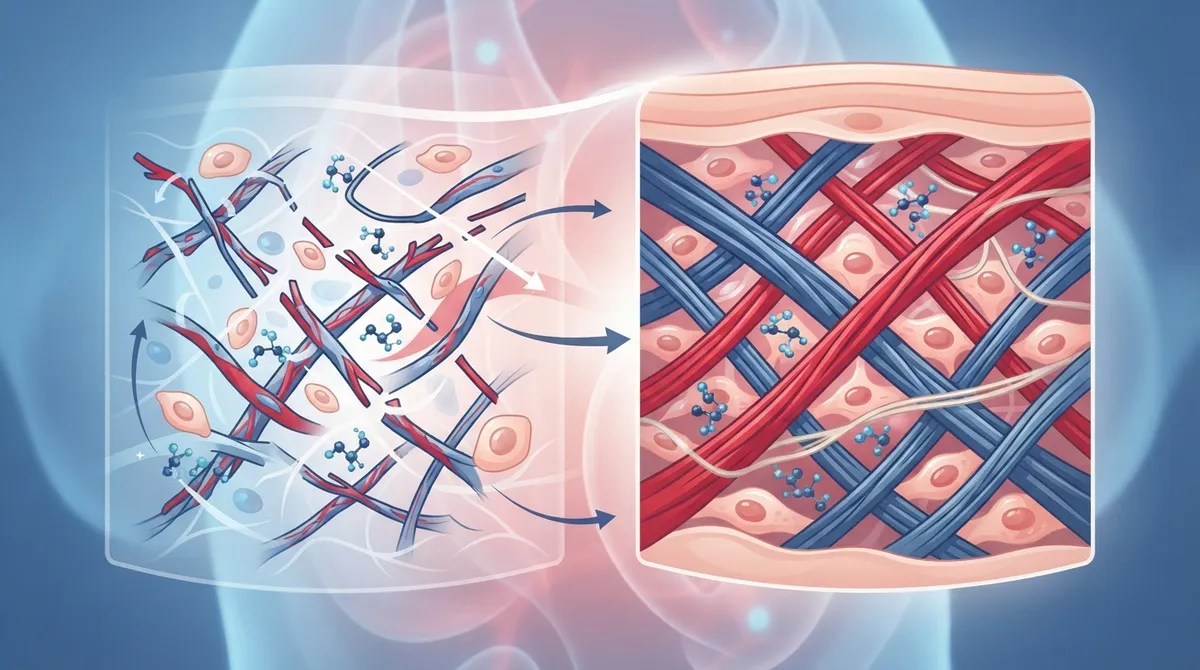
Skin elasticity depends on collagen and elastin, two proteins that keep skin firm and springy. As we age, the body produces less of both. This leads to sagging, thinning, and visible wrinkles.
GHK-Cu is thought to work by supporting collagen synthesis and influencing fibroblast activity. Fibroblasts are the cells responsible for producing collagen and elastin in the skin. GHK-Cu may also help reduce the breakdown of these structural proteins, which is just as important as building new ones.
A well-known review published in PMC cites pilot human data showing that topical copper tripeptide use led to increased epidermal and dermal thickness. Study participants also saw improved hydration, smoother skin, and increased elasticity after consistent use.
What the Research Actually Shows
It helps to look at real numbers when evaluating any skincare ingredient. Below is a summary of key findings from available research and reviews on GHK-Cu.
|
Study Finding |
GHK-Cu Group |
Vehicle-Only Control |
|---|---|---|
|
Mean wrinkle-depth reduction |
35% |
4% |
|
Skin elasticity improvement |
67% |
9% |
|
Time to measurable changes |
8 to 12 weeks |
Not significant |
|
Application frequency |
Twice daily |
Twice daily |
These figures come from a secondary summary of clinical research published in 2026. While promising, it is worth noting that results can vary based on formulation, concentration, and individual skin type. Earlier placebo-controlled studies referenced in the PMC review also found that GHK-Cu skin creams could tighten loose skin and improve elasticity compared to placebo.
How Long Does It Take to See Results
Patience matters when it comes to skin renewal. Most reported benefits come from topical use over several weeks to months, not overnight fixes.
Here is a general timeline based on available research:
- Weeks 1 to 2: Skin may feel more hydrated and smoother to the touch
- Weeks 3 to 6: Early signs of improved texture may begin to appear
- Weeks 8 to 12: Measurable changes in elasticity and wrinkle depth are more likely
- Months 3 to 6: Continued use may support more visible firmness and thickness
- Beyond 6 months: Long-term use is typically needed to maintain results
Consistency appears to be more important than concentration alone. Skipping applications or stopping early may limit the benefits people hope to see.
GHK-Cu Compared to Other Anti-Aging Ingredients
Many people wonder how GHK-Cu stacks up against more familiar options like retinol. Each ingredient works differently, and some people use both as part of a broader routine.
|
Ingredient |
Primary Action |
Typical Onset |
Common Side Effects |
|---|---|---|---|
|
GHK-Cu |
Supports collagen synthesis and fibroblast activity |
8 to 12 weeks |
Generally mild; rare irritation |
|
Retinol |
Speeds cell turnover |
4 to 12 weeks |
Dryness, peeling, sun sensitivity |
|
Peptide blends |
Varies by peptide type |
4 to 12 weeks |
Generally mild |
|
Hyaluronic acid |
Hydration and plumping |
Immediate to days |
Rarely irritating |
Some formulations combine GHK-Cu with other actives to address multiple concerns at once. A qualified provider can help determine which approach fits your skin type and goals.
Choosing a Quality GHK-Cu Product
Not all copper peptide products are created equal. Concentration, formulation stability, and manufacturing quality all affect results.
Consider these factors before choosing a product:
- Look for products with a clear ingredient concentration listed
- Check for third-party testing or quality certifications
- Avoid products that combine GHK-Cu with ingredients known to destabilize copper peptides, such as certain acids
- Choose reputable brands with transparent sourcing
- Discuss options with a healthcare provider before starting a new regimen
A 2026 dermatology review featured in the Wiley Online Library notes that copper peptides continue to be evaluated in regenerative aesthetic dermatology for skin health, repair, and rejuvenation. This ongoing interest reflects ongoing efforts to standardize dosing and formulation quality across the industry.
Safety Considerations for GHK-Cu Use
Most reported safety and tolerability data on GHK-Cu comes from cosmetic use contexts. Generally, topical copper peptide products are considered well tolerated by most skin types.
Still, it is wise to follow a few basic precautions:
- Patch test any new product on a small area of skin first
- Watch for redness, itching, or unusual irritation
- Introduce one new product at a time to track reactions
- Store products properly to maintain ingredient stability
- Consult a healthcare provider if you have sensitive skin or existing conditions
Because product quality and concentration vary widely across brands, working with a trusted provider can help you avoid low-quality or poorly formulated products.
Why Whole-Body Wellness Matters for Skin Health
Skin elasticity is not just about what you put on your face. It also reflects your overall health, hydration levels, and nutrition. Hormonal balance, hydration, and even gut health can influence how your skin looks and feels.
This is where a broader wellness approach becomes valuable. At InCare, our primary care team looks at the full picture of your health, not just isolated symptoms. Services like IV hydration and vitamin drips can support hydration and nutrient levels that contribute to healthier-looking skin from the inside out.
For those interested in a deeper look at their biology, DNA gene testing can reveal personalized insights about collagen production and aging tendencies. Combining this kind of data with topical treatments may offer a more complete strategy for skin health.
Questions to Ask Before Starting GHK-Cu
Before adding any new product to your routine, it helps to ask a few key questions:
- What concentration of GHK-Cu is in this product
- How was the product tested for stability and purity
- Are there other active ingredients that might interact
- How long should I expect to wait for visible results
- Is this product appropriate for my specific skin type
A knowledgeable provider can walk you through these questions and help set realistic expectations. This is especially important given that evidence standards vary widely across brands and formulations in the skincare industry.
How InCare Supports Your Skin and Wellness Goals
InCare combines medical expertise with advanced technology to help patients pursue whole-body optimization. Our providers, including Dr. Naveen Paddu and Dr. Pramjeet Ahluwalia, focus on prevention and personalized care plans that go beyond a single treatment.
If you are curious about how copper peptides, hydration therapy, or other wellness services could fit into your routine, our team at both the Tampa and Riverview locations is ready to help. You can learn more about our full range of body composition and wellness services designed to support your goals.
Many patients also follow us on Facebook and Instagram for wellness tips and updates on new services. You can also find us on TikTok for quick, easy-to-understand health content.
Take the Next Step Toward Healthier Skin
GHK-Cu shows real promise as part of a broader approach to skin elasticity and overall skin health. The research so far is encouraging, particularly for those looking to address fine lines, firmness, and hydration over time. Still, results depend on product quality, consistency, and how well a treatment fits your unique needs.
If you want personalized guidance on skin health, hydration therapy, or whole-body wellness, our team at InCare is here to help. You can get in touch with our team to discuss your goals, or you can schedule your appointment today at one of our Tampa or Riverview locations. Curious what other patients say about their experience? You can also visit us on Google — InCare to read real reviews from our community.
FAQs
Q: What is GHK-Cu and how does it work for skin elasticity?
A: GHK-Cu is a naturally occurring copper peptide that supports collagen synthesis and fibroblast activity in the skin. It is thought to help rebuild structural proteins while reducing their breakdown, which may improve firmness and elasticity over time.
Q: Does GHK-Cu really improve skin firmness and elasticity?
A: Research reviews report measurable improvements in skin elasticity and thickness after consistent topical use. One cited clinical summary noted a 67% improvement in elasticity in the GHK-Cu group compared to 9% in controls, though results can vary by formulation and skin type.
Q: How long does it take for GHK-Cu to show results on skin?
A: Most studies show measurable changes within 8 to 12 weeks of consistent, twice-daily topical use. Early improvements in hydration and texture may appear sooner, but visible elasticity changes typically take longer.
Q: Is GHK-Cu better than retinol or peptides for aging skin?
A: GHK-Cu and retinol work through different mechanisms, so neither is universally better. GHK-Cu supports collagen and fibroblast activity, while retinol speeds cell turnover, and some people benefit from using both under professional guidance.
Q: Are GHK-Cu serums safe for sensitive skin?
A: GHK-Cu is generally well tolerated in cosmetic formulations, but sensitivity varies by individual. Patch testing and consulting a healthcare provider before starting any new product is recommended, especially for those with existing skin conditions.