
Key Takeaways
- GHK-Cu is a naturally occurring copper peptide that declines with age; synthetic versions in moisturizers claim to support collagen production and skin firmness, but results vary widely between individuals.
- Product concentration ranges from 0.01% to 1%+, with lower concentrations (0.01-0.5%) better for sensitive skin; start low and adjust gradually rather than assuming higher concentrations deliver better results.
- GHK-Cu is generally well-tolerated topically with mild side effects like redness or itching; serious reactions and copper toxicity are rare, but people with metal allergies or active skin infections should consult a provider first.
- Avoid common mistakes including applying too much product, mixing too many active ingredients, and expecting results within days; patience and consistency over 2-3 weeks tend to produce better outcomes.
- GHK-Cu can be combined with retinol or vitamin C, but alternate application times (e.g., peptides in morning, retinol at night) and introduce one product at a time to identify what causes sensitivity.
- Seek professional guidance if you experience persistent redness, swelling, new moles, or are pregnant/breastfeeding; skincare should complement broader wellness including hydration, nutrition, sleep, and sun protection.
Skin aging is more than a cosmetic worry. It often reflects deeper changes in collagen production, cellular repair, and overall wellness. That is why many patients exploring advanced skincare are asking about GHK-Cu moisturizer, a copper peptide product gaining attention in 2026 for its skin-support properties. If you have searched for ways to improve skin firmness or repair without invasive treatments, understanding this ingredient can help you make smarter choices.
At InCare, our team believes skincare decisions should be backed by real information, not just trends. This article breaks down what GHK-Cu moisturizer is, how it works, who might benefit, and what to watch for before adding it to your routine. Whether you are a busy parent looking for simple solutions or a wellness-focused professional optimizing your health, this guide gives you the facts you need.
What Is GHK-Cu Moisturizer?
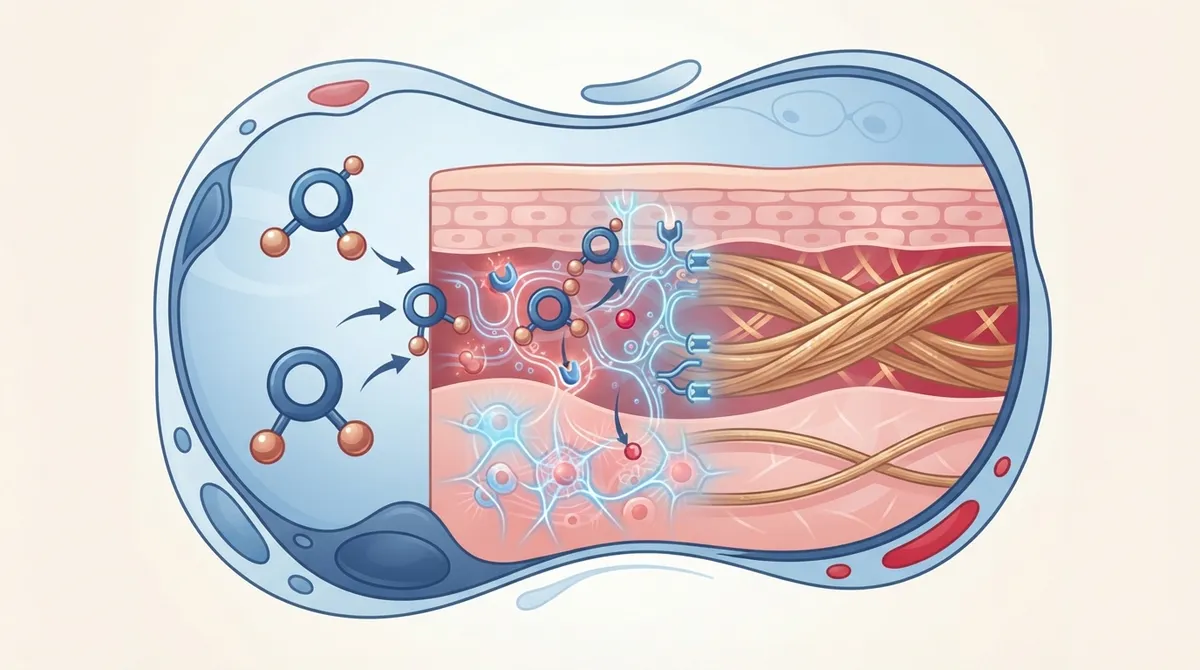
GHK-Cu stands for glycyl-L-histidyl-L-lysine copper. It is a naturally occurring copper peptide found in the human body. Levels of this peptide decline as we age, which is part of why skin loses firmness over time.
Skincare companies have created moisturizers, serums, and creams using synthetic versions of this peptide. These products are marketed to support skin repair, improve texture, and promote a more youthful look. It is important to understand that GHK-Cu moisturizer is a cosmetic product, not a medical treatment for skin conditions like eczema or acne.
How GHK-Cu Works in Skincare
Copper peptides are believed to support the skin's natural repair processes. Many product listings and wellness articles published between 2024 and 2026 describe GHK-Cu as helpful for:
- Supporting collagen-related skin firmness
- Improving the appearance of fine lines
- Helping the skin barrier stay hydrated
- Promoting an overall smoother skin texture
- Assisting with general skin repair after minor damage
These are cosmetic claims, and results can vary widely from person to person. If you want a professional opinion on your skin health, our providers can help guide you toward options that fit your goals.

Is GHK-Cu Moisturizer Safe?
Topical use of GHK-Cu is generally described as well tolerated. According to product safety discussions and peptide research summaries, most reported side effects are mild. These include:
- Redness at the application site
- Mild itching or stinging
- Temporary dryness
- Rare allergic reactions in sensitive individuals
Serious reactions are uncommon in cosmetic use. Copper toxicity from a topical moisturizer is considered unlikely because very little of the compound is absorbed into the bloodstream. Still, safety depends on the concentration and quality of the product you choose.
Who Should Be Cautious
Not everyone reacts to skincare the same way. Some people may need to be more careful with copper peptide products.
- People with known metal allergies, especially copper sensitivity
- Those with very sensitive or reactive skin conditions
- Anyone using multiple active ingredients at once, such as strong acids
- Patients with open wounds or active skin infections
- Individuals unsure about product purity or sourcing
If you fall into any of these groups, it is worth discussing your skincare plan with a healthcare provider before starting. Our team at primary care visits can review your full health picture, not just your skin.
GHK-Cu Concentration: What the Numbers Mean
Product strength can vary a lot between brands. Understanding typical concentration ranges can help you compare products more confidently.
|
Concentration Range |
Common Use |
Typical Product Type |
|---|---|---|
|
0.01% to 0.5% |
Gentle daily hydration support |
Light moisturizers, lotions |
|
0.5% to 1% |
Firming and anti-aging focus |
Serums, targeted creams |
|
Around 1% |
Higher-strength skin repair claims |
Concentrated peptide creams |
Higher concentrations are not automatically better for everyone. Sensitive skin often does better starting at the lower end of the range, then adjusting slowly based on how your skin responds.
How to Use GHK-Cu Moisturizer Correctly
Getting the most out of any skincare product depends on how you use it. Follow these steps for a safer, more effective routine.
- Cleanse your skin gently before application
- Apply a small amount of GHK-Cu moisturizer to a clean, dry face
- Wait a few minutes before layering other products
- Use sunscreen during the day, since new skincare routines can increase sun sensitivity
- Monitor your skin for the first week for any irritation
- Adjust frequency based on how your skin reacts, starting with every other day if you have sensitive skin
Can You Combine It With Other Active Ingredients?
Many people ask if GHK-Cu moisturizer can be used with retinol or vitamin C. These combinations are common in skincare routines, but timing matters. Some formulations suggest alternating days or applying products at different times, such as retinol at night and copper peptides in the morning, to reduce the chance of irritation.
Because everyone's skin reacts differently, it helps to introduce one new product at a time. This makes it easier to identify what is working and what might be causing sensitivity.
GHK-Cu Moisturizer vs. Other Anti-Aging Options
It helps to see how copper peptide moisturizers compare to other common skincare approaches.
|
Option |
Primary Focus |
Typical Tolerability |
|---|---|---|
|
GHK-Cu Moisturizer |
Skin firmness, hydration, repair support |
Generally well tolerated |
|
Retinol Products |
Cell turnover, wrinkle reduction |
Can cause more irritation initially |
|
Vitamin C Serums |
Brightening, antioxidant support |
May cause stinging in some users |
|
Basic Moisturizers |
Simple hydration |
Very well tolerated, fewer active benefits |
None of these products replace professional dermatology care for diagnosed skin conditions. If you notice persistent redness, breakouts, or unusual changes in your skin, it is worth scheduling a visit rather than relying on cosmetic products alone.
Why Whole-Body Wellness Matters for Skin Health
Skin reflects what is happening inside your body. Hydration, nutrition, sleep, and hormone balance all play a role in how your skin looks and feels. This is why skincare should not be viewed in isolation.
At InCare, we look at skin health as part of a bigger picture. Services like IV hydration and vitamin drips can support overall hydration levels, while DNA gene testing can reveal insights about how your body processes nutrients and manages inflammation. These insights may help you build a more informed skincare and wellness strategy.
For patients interested in hair health alongside skin concerns, our hair restoration services use similar science-backed approaches to support natural repair processes.
The Role of Preventive Care in Skin Aging
Many skin changes connect to broader health patterns, including sun exposure, chronic inflammation, and even underlying medical conditions. Regular wellness visits allow your provider to catch early signs of concern.
Our cancer screening services include skin checks that can identify unusual moles or growths early. This is especially important in Florida, where sun exposure is a daily reality for residents in Tampa and Riverview.
Common Mistakes to Avoid With Copper Peptide Skincare
Even well-formulated products can cause problems if used incorrectly. Avoid these common missteps:
- Applying too much product at once, thinking more equals faster results
- Skipping a patch test before full facial application
- Mixing too many active ingredients in one routine
- Ignoring product expiration dates or storage instructions
- Choosing unverified or low-quality suppliers
- Expecting dramatic results within days instead of weeks
Patience and consistency tend to produce better outcomes than aggressive, rushed routines.
When to Talk to a Healthcare Provider
While GHK-Cu moisturizer is considered a cosmetic product, certain situations call for professional guidance rather than self-treatment.
- You experience ongoing redness, swelling, or pain after use
- You have a history of metal allergies or autoimmune skin conditions
- You are pregnant or breastfeeding and want to confirm product safety
- You are combining multiple prescription and over-the-counter skin treatments
- You notice new moles, spots, or changes that concern you
Our team can help you sort through these concerns during a comprehensive visit. Learn more about what happens during an annual wellness visit to see how these appointments can address more than just routine checkups.
If you are new to preventive care and unsure where to start, our guide on whether you need a primary care provider can help clarify your options.
Choosing a Trusted Source for Skin and Wellness Guidance
Not all skincare advice online is created equal. Working with a clinic that understands both dermatology-adjacent trends and full-body health can make a real difference. InCare combines advanced technology with personalized care across our Tampa and Riverview locations, giving patients access to knowledgeable providers who look at the full picture.
Patients consistently share positive experiences with our team. You can visit us on Google — InCare to read real reviews from people in your community. We also share wellness tips and updates on our Facebook and Instagram pages, and you can catch quick wellness insights on our Tik Tok channel.
Building a Personalized Wellness Plan
Skincare works best as part of a larger plan that includes good nutrition, hydration, and regular checkups. If you are also considering weight management alongside skin goals, our weight loss programs are designed to support sustainable results using evidence-based methods.
For those curious about tracking overall progress, body composition analysis offers a data-driven way to see how your body is changing over time, beyond what a mirror can show.
Final Thoughts on GHK-Cu Moisturizer
GHK-Cu moisturizer offers an interesting option for people looking to support skin firmness and repair using a well-researched peptide ingredient. It is generally well tolerated, but like any skincare product, results and reactions vary by person. Understanding proper usage, concentration levels, and when to seek professional advice can help you use it safely and effectively.
If you have questions about how skincare fits into your overall health, our team is ready to help. Reach out to our team today to discuss your wellness goals, or schedule your visit now to start building a personalized plan that goes beyond skin deep.
FAQs
Q: What is GHK-Cu moisturizer used for?
A: GHK-Cu moisturizer is a copper peptide skincare product used to support skin firmness, hydration, and general repair. It is a cosmetic product rather than a treatment for medical skin conditions.
Q: Is GHK-Cu moisturizer safe for sensitive skin?
A: Topical GHK-Cu is generally well tolerated, though people with sensitive skin or metal allergies may experience mild redness or irritation. A patch test before full use is a smart precaution.
Q: Does GHK-Cu moisturizer really help with wrinkles?
A: Many wellness articles and product listings describe GHK-Cu as supportive of collagen-related firmness and fine line appearance. Results vary by individual, and it should be viewed as a cosmetic support rather than a guaranteed fix.
Q: Can GHK-Cu moisturizer be used with retinol or vitamin C?
A: Yes, many people combine these ingredients, often by alternating application times to reduce irritation. Introducing one new product at a time helps you track how your skin responds.
Q: Who should avoid GHK-Cu skincare products?
A: Individuals with known copper or metal allergies, active skin infections, or highly reactive skin conditions should use caution. Consulting a healthcare provider before starting is recommended for these groups.