
Key Takeaways
- MOTS-c is not FDA-approved for any use and has no human clinical trial data proving safety or effectiveness, making it an unapproved experimental compound with unknown risks.
- Products sold online lack quality control verification, creating risks of contamination, incorrect dosing, and infection, especially for injectable forms purchased without medical supervision.
- Consult a primary care provider before considering any experimental peptide to discuss FDA-approved alternatives and proven strategies for metabolic health backed by solid clinical evidence.
- While early lab and animal studies suggest MOTS-c may influence energy metabolism and insulin sensitivity, these findings have not been confirmed to work the same way in humans.
Patients across Tampa and Riverview are searching online for new ways to boost energy, manage weight, and slow the effects of aging. One name keeps popping up in wellness forums and social media: the mots-c mitochondrial peptide. If you have seen this term and wondered whether it belongs in your health routine, you are not alone. This article explains what MOTS-c is, what the science actually shows, and why a conversation with a primary care provider matters more than any online claim.
At InCare, our team believes patients deserve clear, honest information before trying any new treatment. That is especially true for experimental compounds like MOTS-c, which have not been approved by the FDA for any medical use. Understanding the facts can help you make safer choices about your health.
What Is MOTS-c and Where Does It Come From?
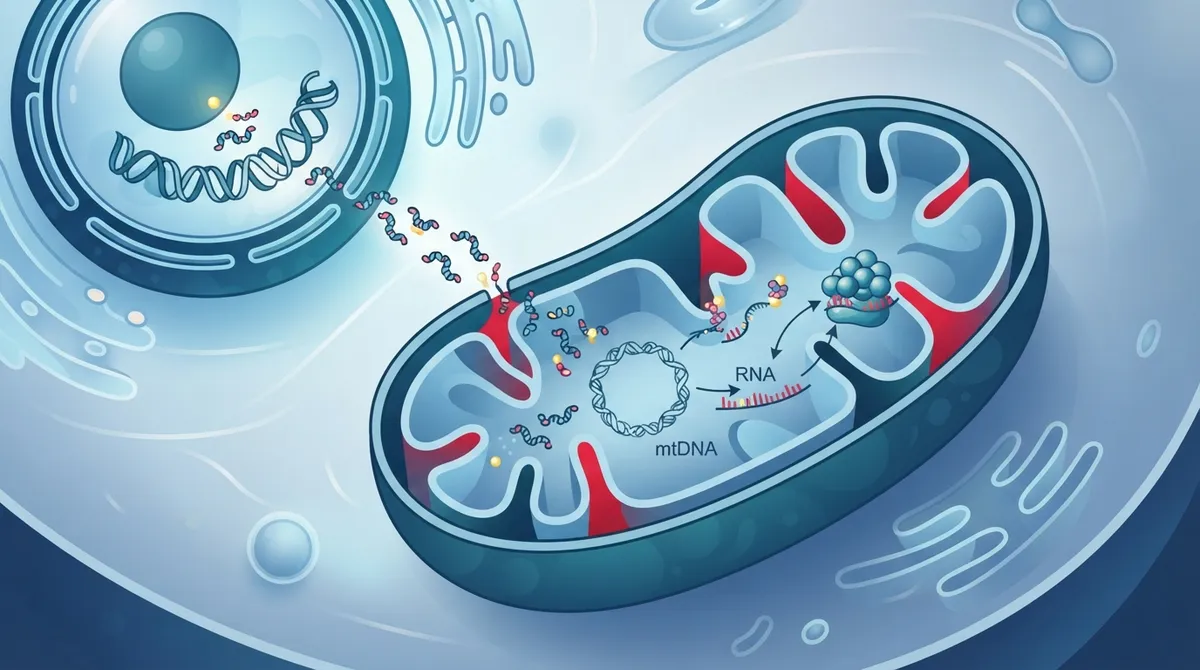
MOTS-c stands for mitochondrial open reading frame of the 12S rRNA-c. It is a small peptide made of just 16 amino acids. Scientists first described it in 2015. Unlike most proteins in your body, MOTS-c is encoded by DNA found inside your mitochondria, the tiny structures that produce energy in your cells.
Because mitochondria control so much of your body's energy production, researchers became curious about what this peptide might do. Early lab studies suggested it could play a role in how your cells respond to stress and manage fuel sources like sugar and fat.

How Might MOTS-c Affect the Body?
Laboratory and animal research points to several possible actions of this peptide. It is important to understand these are early findings, not proven treatments for humans.
- Activation of AMPK, a cellular pathway linked to energy balance
- Possible influence on insulin sensitivity in animal models
- Potential effects on inflammation and cellular stress responses
- Interest in exercise adaptation and metabolic flexibility
- Early interest in aging-related cellular changes
These mechanisms sound promising, but they come mostly from mice and cell cultures. A 2023 peer-reviewed review published in the International Journal of Molecular Sciences summarized this preclinical evidence. The review did not establish that MOTS-c works the same way in humans.
What Does Human Research Actually Show?
This is the most important part of the conversation. Human evidence for MOTS-c is extremely limited. According to FDA briefing materials reviewed during a compounding evaluation, the nomination for MOTS-c did not include any clinical studies or human exposure data. That means researchers do not yet know how the peptide behaves in real patients over time.
There are no completed Phase II or Phase III trials proving that MOTS-c improves blood sugar, supports weight loss, or extends lifespan in people. Small early-phase studies or research on related peptide analogs should not be mistaken for proof that native MOTS-c works the same way.
Key Facts Patients Should Know
- MOTS-c is not FDA-approved for any condition, including diabetes, weight loss, or anti-aging.
- No FDA-approved drug currently contains native MOTS-c.
- Products labeled "research use only" are not meant for human self-treatment.
- Dosing, safety, and interaction data for humans remain unknown.
- Long-term risks have not been studied in controlled trials.
Is MOTS-c Legal to Buy or Use?
This question comes up often, and the answer is more complicated than many online sellers suggest. According to FDA briefing documents, MOTS-c lacked an applicable USP/NF monograph at the time of review. It was not listed as a component of any FDA-approved drug. The compound was being evaluated only in the context of bulk drug substance compounding, which is different from approval as an actual medicine.
Vendor websites may claim their products are legal or safe, but those claims do not reflect official FDA approval. Anyone considering MOTS-c should check current federal regulatory status directly rather than relying on marketing language.
Why Product Quality Is a Serious Concern
Because MOTS-c is not an approved medication, quality control varies widely between suppliers. This creates real risks for anyone who purchases it online without medical oversight.
|
Risk Factor |
Why It Matters |
|---|---|
|
Peptide identity |
Unverified products may not contain the peptide advertised |
|
Concentration accuracy |
Incorrect dosing can lead to unpredictable effects |
|
Sterility |
Non-sterile injectables raise infection risk |
|
Endotoxin levels |
Contamination can trigger dangerous immune reactions |
|
Storage conditions |
Poor storage can degrade the peptide over time |
Injectable products bought without medical supervision carry added risks, including infection, immune reactions, and dosing mistakes. This is one reason primary care providers urge caution before trying compounds like this outside a supervised clinical setting.
How Should You Approach Peptides Like MOTS-c?
If you are curious about mitochondrial health, metabolism, or healthy aging, there are safer, evidence-based ways to start that conversation. A visit to a trusted primary care provider is the best first step. Providers can review your health history, order appropriate lab work, and help you understand which interventions are backed by strong clinical data.
At InCare, our physicians take time to discuss peptide therapy in Tampa and explain which options have real clinical support. We also offer services like DNA gene testing and metabolic breath analysis to help you understand your body's unique needs using proven, well-studied tools.
Questions to Ask Before Trying Any Experimental Peptide
- Is this compound FDA-approved for my specific health goal?
- What human studies support its safety and effectiveness?
- Where does the product come from, and how is quality verified?
- What are the known risks or possible side effects?
- Are there proven alternatives that could achieve similar goals?
Safer, Proven Ways to Support Metabolism and Energy
Rather than relying on unproven compounds, many patients benefit more from established primary care strategies. These include structured weight management programs, regular cancer screenings, and personalized wellness plans built around your lab results and lifestyle.
- Schedule a comprehensive wellness visit to review your metabolic health
- Ask about body composition analysis to track real changes over time
- Discuss FDA-approved weight loss options with a licensed provider
- Consider IV hydration therapy for short-term energy and recovery support
- Build a long-term prevention plan instead of chasing quick fixes
Our medical weight loss programs and body composition testing use technology with a stronger evidence base than experimental peptides. These tools give you real data you can act on with confidence.
Why Choose InCare for Guidance on Emerging Wellness Trends
New wellness trends appear online every week, and it can be hard to separate real science from marketing hype. Our providers, including those featured on our providers page, stay current on peptide research so they can give you honest, evidence-based advice. We never encourage patients to self-treat with unapproved compounds purchased online.
Patients trust InCare because we combine advanced technology with real medical oversight. You can read what our patients say by visiting our InCare location on Google, where reviews highlight our attentive staff and thorough care. You can also follow our latest wellness updates on Facebook, Instagram, and TikTok for practical health tips grounded in real science.
What to Expect During a Consultation
If you want to explore mitochondrial health, metabolic support, or general wellness optimization, a consultation at InCare starts with listening. Our team reviews your goals, checks your medical history, and discusses which services, from primary care to advanced testing, fit your needs. We focus on options supported by solid clinical evidence rather than unverified online products.
This approach protects your health while still helping you explore new tools for energy, metabolism, and long-term wellness. Our locations in Tampa and Riverview make it easy to get personalized guidance close to home.
Moving Forward Safely
The mots-c mitochondrial peptide is an interesting area of scientific study, but it remains investigational. There is no FDA approval, limited human safety data, and real concerns about product quality from unverified sources. Before trying any experimental peptide, talk with a qualified primary care provider who can guide you toward proven, safer options.
Ready to talk with a provider about your metabolic health and wellness goals? Book Now to schedule your visit with InCare today.
FAQs
Q: What is MOTS-c and how does it work?
A: MOTS-c is a 16-amino-acid peptide encoded by mitochondrial DNA, first described in 2015. Laboratory research suggests it may activate AMPK and influence how cells manage energy, though these mechanisms have not been confirmed as effective treatments in humans.
Q: Is MOTS-c FDA-approved for weight loss, diabetes, or anti-aging?
A: No. MOTS-c is not FDA-approved for any medical condition, including weight loss, diabetes management, or anti-aging purposes. There is no FDA-approved drug that contains native MOTS-c.
Q: Does MOTS-c improve insulin sensitivity or blood sugar in humans?
A: Animal studies suggest possible effects on insulin sensitivity and glucose metabolism, but no large human clinical trials have confirmed these benefits. Current evidence comes primarily from lab and animal models, not controlled human studies.
Q: Is it legal or safe to buy MOTS-c online?
A: MOTS-c products sold online are commonly labeled for research use only, which does not authorize human use or treatment. FDA briefing materials indicate MOTS-c lacks an approved monograph and has not been reviewed for human safety, making unsupervised use risky.
Q: What should I ask a primary care clinician before considering MOTS-c?
A: Ask whether the compound is FDA-approved, what human studies support its safety, and where the product is sourced. A qualified provider can also suggest proven alternatives that address your specific health goals safely.