Key Takeaways
- Bring photo ID, insurance card, a full medication and supplement list with doses, past records, immunization history, and written questions to make the first visit productive.
- Your first visit is mostly a conversation about your health history, family history, lifestyle, and goals, so be direct and specific about symptoms and concerns.
- Confirm with the clinic and your insurer whether your visit is preventive, a routine physical, or problem-focused, since coverage and copays can differ.
- A physical exam is not guaranteed; it depends on your age, health, and reason for visiting, and you can ask your clinician to explain each step or pause at any time.
- Ask whether blood work is planned and whether you need to fast, since fasting is only required for some tests.
- Before leaving, confirm any tests, prescriptions, referrals, next appointment timing, and warning signs that mean you should call sooner.
Booking your first primary care appointment can feel like a big step. You may wonder what the doctor will ask, whether you need an exam, and how long the visit will take. Those questions are normal. The good news is that a first visit is mostly a conversation. Its main goal is to help your clinician understand you, your health history, and your goals.
If you are asking, what should I expect at my first primary care visit, the short answer is this: you will share your health story, have some basic measurements taken, talk about your concerns, and leave with a plan for next steps. According to CDC data for 2024, 90.3% of U.S. adults reported having a usual source of health care, and 77.5% said that source was a doctor's office or health center. Having a regular care home matters, and it starts with this first visit.
This guide walks you through each step. You will learn how to prepare, what the care team will ask, and how to get the most from your time. Whether you are a busy parent, a young adult, or someone focused on wellness, you will know what to expect before you walk in.

Why Your First Primary Care Visit Matters
A primary care provider is your main point of contact for health. This person treats common conditions, tracks long-term concerns, and guides you toward preventive care. Your first visit builds the foundation for all of that.
A strong first visit does three things:
- Creates a baseline. Your clinician learns what is normal for you, which makes future changes easier to spot.
- Builds trust. You get to know the clinician, and they get to know you.
- Sets a plan. You leave with clear next steps for screenings, vaccines, and healthy habits.
Many people skip primary care until they are sick. That approach often leads to rushed urgent visits with someone who does not know your history. A regular provider can see the bigger picture. To learn more about this role, read what a primary care physician does and why it matters.

Before the Visit: How to Prepare
A little preparation makes the appointment smoother and more useful. Most clinics ask you to arrive early to finish paperwork. Many also offer online forms you can complete ahead of time.
What to Bring
Gather these items before you go:
- Photo ID and insurance card. Staff need both to register you and verify coverage.
- A list of medications and supplements. Include the name, dose, and how often you take each one. Bring the bottles if that is easier.
- Medical records or test results. If you have recent labs, imaging, or hospital records, bring them or ask your old clinic to send them. This guide on how to request medical records can help.
- Immunization records. These help your clinician see what vaccines you may need.
- Names of other clinicians. List any specialists, therapists, or dentists involved in your care.
- A written list of questions. Nerves can make you forget what you wanted to ask.
Know Your Main Reason for the Visit
Think about why you are coming in. Are you establishing care, getting a preventive checkup, or addressing a specific problem such as fatigue, headaches, or weight changes? Tell the scheduling team when you book. The type of visit can affect how long it lasts and what insurance covers. For a deeper look at the process, see this guide to a new patient appointment.
Confirm Insurance and Costs
Coverage varies by plan and by the services performed. A preventive wellness visit, a routine physical, and a visit for a specific concern are not always the same service. Call the clinic and your insurer ahead of time to ask what is included and whether you may owe a copay. This simple call can prevent surprise bills.
What Happens When You Arrive
Your visit begins at the front desk. Staff will check your ID and insurance and may ask you to sign consent and privacy forms. You may also fill out a health history questionnaire if you did not do it online.
Next, a medical assistant or nurse will bring you to an exam room. They will usually start with basic measurements and a short set of questions before the clinician comes in.
Vital Signs and Basic Measurements
The care team will usually check your vital signs. These give a quick snapshot of your health:
- Blood pressure. High or low readings can signal issues that need follow-up.
- Pulse. This shows your heart rate.
- Temperature. This helps detect fever or infection.
- Height and weight. These may be used to calculate body mass index.
These checks are quick and painless. Your numbers become part of your baseline. Over time, your clinician can compare future results to see trends. To learn why blood pressure in particular matters so much, review these blood pressure management strategies.
The Health History Conversation
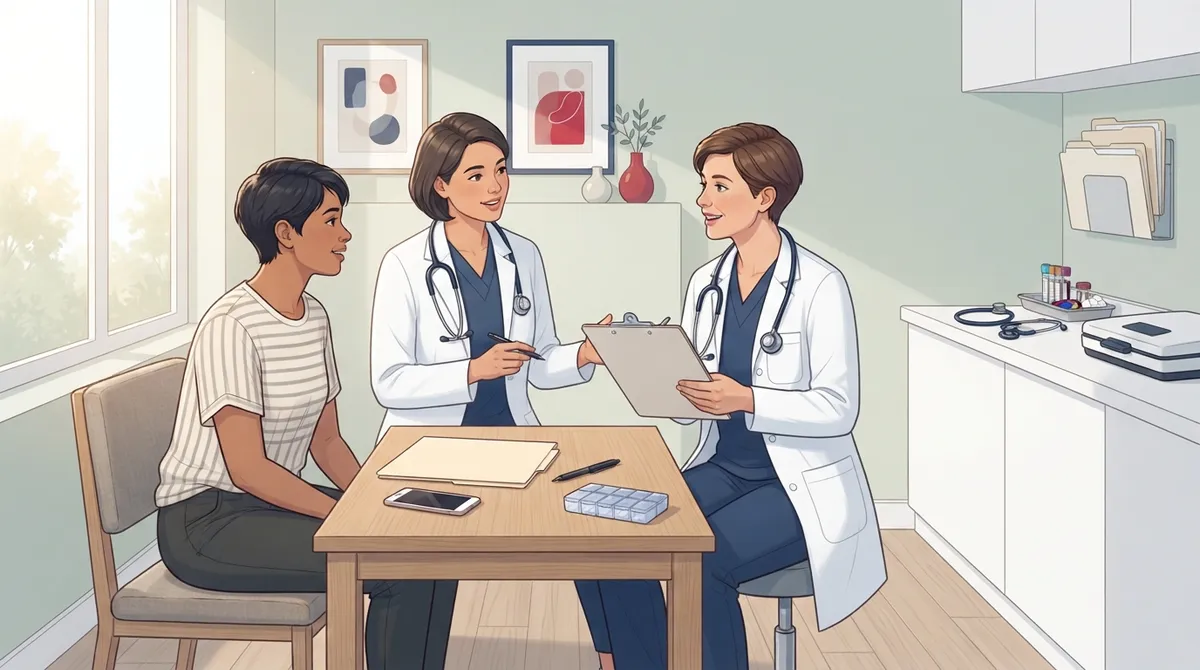
This is the heart of a first visit. Your clinician will ask detailed questions to understand your health from every angle. Expect to talk about:
- Past and current conditions. Include chronic issues such as asthma, diabetes, or high blood pressure.
- Surgeries and hospital stays. Share dates and reasons if you remember them.
- Allergies. Cover medicines, foods, and environmental triggers.
- Family health history. Conditions in parents and siblings, such as heart disease or cancer, can affect your risk.
- Medications and supplements. This includes over-the-counter products and vitamins.
- Lifestyle. Topics include diet, exercise, sleep, alcohol, tobacco, and stress.
- Mental and emotional well-being. Mood, anxiety, and stress are part of overall health.
You do not need perfect answers. It is fine to say, "I am not sure." Share what you know. Honest answers help your clinician give better advice. Everything you say is protected by privacy laws.
Tips for Sharing Your Story
Be direct and specific. Instead of saying "I feel tired," explain how long it has lasted, when it is worst, and what you have tried. If a topic feels sensitive, you can still raise it. Primary care clinicians hear about every kind of concern and are there to help without judgment.
The Physical Exam: What to Expect
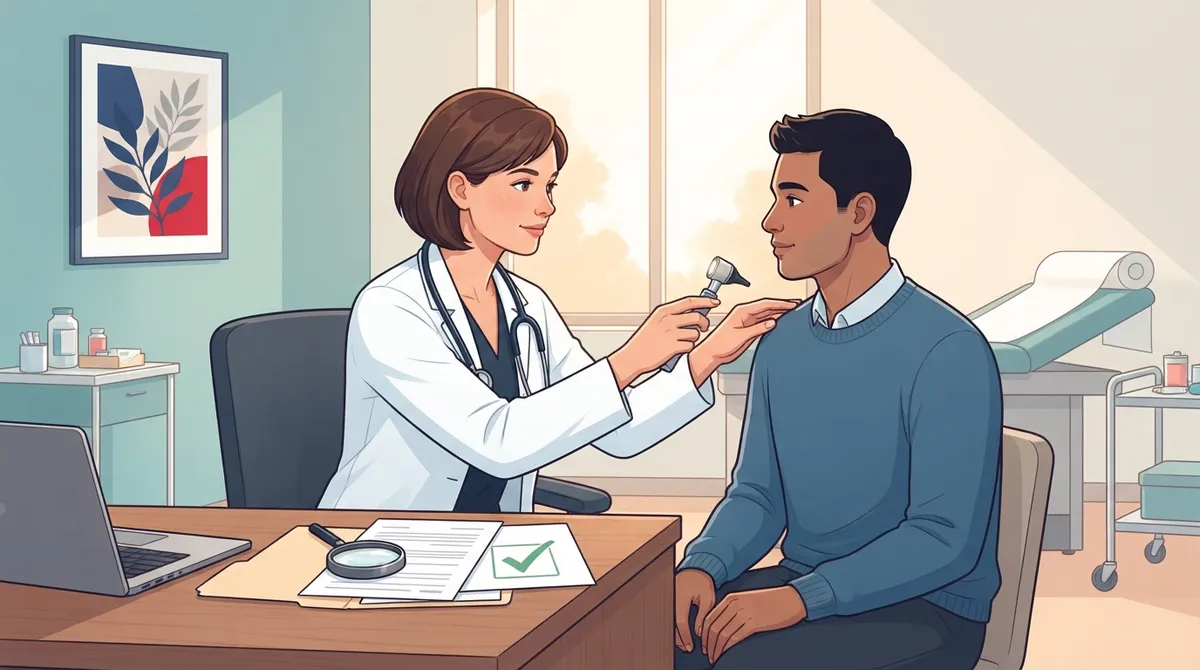
Many people worry that a first visit means a full head-to-toe exam. That is not always the case. A physical exam may be included when it is appropriate for your age, health, and reason for the visit, but it varies by clinician and clinic.
If an exam is part of your visit, it may include:
- Listening to your heart and lungs
- Checking your abdomen
- Looking at your ears, nose, and throat
- Checking reflexes or other areas related to your concerns
You are in control. You can ask why the clinician is doing each step, request that they explain it, or ask to pause at any time. You can also ask for a chaperone or accommodations if you need them. A clear picture of what an exam involves is in this overview of what happens during an annual physical exam.
Wellness Visit, Physical, or Problem-Focused Visit?
These terms are often mixed up, but they describe different appointments. Knowing the difference helps you book the right one and avoid coverage surprises.
|
Visit Type |
Main Focus |
Typical Features |
|---|---|---|
|
Preventive wellness visit |
Staying healthy and planning ahead |
Health review, risk assessment, screening and vaccine planning |
|
Routine physical |
Overall check of your body |
Vitals, history, and a hands-on exam when appropriate |
|
Problem-focused visit |
A specific symptom or concern |
Targeted questions, exam, and possible tests or treatment |
If you raise a new concern during a preventive visit, the clinician may evaluate it. That can change billing, so ask your clinic how it handles this. For Medicare patients, the Annual Wellness Visit centers on a health-risk assessment and a personalized prevention plan. CMS states that it is not a routine physical exam and is generally available once every 12 months to eligible beneficiaries. Costs can differ if additional services are performed.
You can learn more about the annual wellness format in this guide to what happens during an annual wellness visit.
Preventive Care and Screenings
A major goal of primary care is to prevent problems before they start. Your clinician will talk about preventive care that fits your age, history, and risk factors. This may include:
- Screenings. Examples include blood pressure checks, cholesterol and blood sugar tests, and age-appropriate cancer screenings.
- Immunizations. Your clinician will review what you may need, such as flu or tetanus shots.
- Healthy habits. Advice on nutrition, activity, sleep, and stress can be tailored to you.
Not every test is right for every person. A good clinician explains why a test is recommended and what the alternatives are. You can always ask questions. To see how screening guidance changes by age, read about what screenings adults should get every year.
Will You Have Blood Work?
Sometimes. Your clinician may order labs based on your history and risk factors. Common tests check cholesterol, blood sugar, and kidney or liver function. Some tests need fasting, and others do not.
Ask the clinic ahead of time whether you should fast. If labs are planned, the team will tell you how to prepare. Clinics with on-site lab services can often draw blood during the same trip, which saves time. You can compare options in this look at in-house versus external lab testing.
Questions to Ask Your New Provider
The visit is a two-way conversation. Use it to learn whether this clinic fits you. Consider asking:
- How do I reach you with questions between visits?
- Do you offer same-day or virtual appointments?
- How are test results shared?
- What preventive screenings do you recommend for me?
- How do you handle refills and referrals?
You can also ask why a test or treatment is recommended and whether there are other options. If you need an interpreter or other accommodations, request them when you book. For more ideas, see these questions to ask a new primary care doctor.
How Long Does a First Visit Take?
Plan for more time than a standard follow-up. Many first visits run longer because the clinician needs to review your full history. The length depends on the clinic, the reason for the visit, and your health needs. Arriving early for paperwork helps keep things on schedule. If you have many concerns, tell the staff when you book so they can set aside enough time.
How InCare Approaches the First Visit
At InCare, a first visit is designed around you. Our clinicians combine medical expertise with modern technology to look at your whole health, not just one symptom. With locations in Tampa and Riverview, plus virtual options, we make it easier to fit care into a busy schedule. Services such as primary care and cancer screening help you build a prevention plan, while tools like DNA gene testing and body composition analysis add personalized insight for those who want it.
Patients often tell us they appreciate a team that listens. You can see what others say by reading InCare reviews on Google, and you can follow our updates on Instagram. If you are comparing clinics, this guide on signs you have found the right primary care practice offers a helpful checklist.
After the Visit: Next Steps
Before you leave, make sure you understand your plan. Ask the team to summarize:
- Any tests or labs ordered and when to expect results
- New prescriptions or changes to current ones
- Referrals to specialists, if needed
- When to schedule your next visit
- Warning signs that mean you should call sooner
Many clinics share results and notes through a patient portal, which lets you review details later. If you start a new medication, follow the instructions closely. These prescription management tips can help you stay on track.
Common Worries, Answered
"What if I feel embarrassed?" Clinicians see all kinds of concerns every day. Honest information leads to better care.
"What if I have no recent records?" That is okay. Your clinician can start fresh and order what is needed.
"What if I am healthy?" A first visit is still valuable. Establishing a baseline helps you stay healthy and catch changes early.
Ready to Start Your Care?
Your first primary care visit is a simple but powerful step toward better health. Come prepared, share openly, and ask questions. In return, you gain a trusted partner who knows your history and helps you plan for the future.
If you are in the Tampa or Riverview area, InCare is ready to welcome you. Book your first appointment today, or contact our team with any questions. We will help you feel informed and comfortable from the moment you walk in.
FAQs
Q: What should I bring to my first primary care appointment?
A: Bring a photo ID, your insurance card, and a list of your medications and supplements with doses. Also bring any recent medical records, immunization information, names of other clinicians, and a written list of questions.
Q: Will I get a physical exam at my first primary care visit?
A: Possibly. An exam may be included when it is appropriate for your age, health, and reason for the visit, but it is not always a full head-to-toe exam. You can ask your clinician to explain each step or pause at any time.
Q: How long does a first primary care appointment usually take?
A: A first visit often takes longer than a standard follow-up because the clinician reviews your full health history. The exact length depends on the clinic and your needs. Arriving early for paperwork helps keep the visit on schedule.
Q: Should I fast before my first primary care visit?
A: Only if blood work is planned and the test requires it. Ask the clinic when you book whether labs will be drawn and how to prepare. Many visits do not require fasting.
Q: Will insurance cover my first primary care visit?
A: Coverage depends on your insurer, your plan, and the services performed. A preventive wellness visit may be covered differently than a problem-focused visit, and extra concerns may add costs. Check with the clinic and your insurer beforehand.