Key Takeaways
- A VO2 max test is a supervised session on a treadmill or stationary bike with a fitted mask, where exercise gets harder every minute until you reach your limit; the exercise portion lasts about 8 to 12 minutes.
- Avoid a large meal for about two to three hours before testing, avoid unusual or strenuous exercise for at least 12 hours, and wear comfortable clothes and athletic shoes.
- Do not stop or change prescription medicines unless your clinician or testing team instructs you to, since some drugs affect heart rate and exercise response.
- Agree on a hand signal before starting, since the mask makes talking difficult; you can stop at any time if you feel chest pain, dizziness, or unusual symptoms.
- The test is demanding but should not be painful, and discomfort typically fades quickly during recovery, though you should avoid another intense workout for the rest of the day.
- A single VO2 max result is not a diagnosis; a clinician interprets it alongside your health history, symptoms, and reason for testing, and people with heart or lung conditions should review their history first.
If you are booking your first fitness assessment, you probably have a simple question: what should I expect at a VO2 max test? The short answer is a supervised session on a treadmill or stationary bike, a snug mask or mouthpiece, and exercise that gets harder every minute until you reach your limit. It sounds intense, and it is, but it is also short, safe when properly supervised, and packed with useful information.
A VO2 max test measures how much oxygen your body uses during hard exercise. In a clinical setting, it is often called cardiopulmonary exercise testing, or CPET. It also tracks breathing and may monitor heart rate, heart rhythm, and blood pressure. Many people use the results to guide training, track heart and lung health, or support a long-term wellness plan.
This guide walks you through the full experience, from preparation to results. You will learn what to wear, what to eat, what the equipment feels like, and how long everything takes. You will also learn how a primary care team uses the numbers. For readers in Florida's Tampa Bay area, you can also read about VO2 max testing in Riverview for local details.
What Is a VO2 Max Test?
VO2 max is the highest rate at which your body can take in and use oxygen during exercise. Doctors often use the term VO2 peak when a person stops before reaching a true plateau. Either way, the number reflects how well your lungs, heart, blood vessels, and muscles work together.
The test works by analyzing the air you breathe in and out. A gas analyzer measures oxygen and carbon dioxide while the workload rises. This gives a direct look at your exercise capacity, which a standard checkup cannot show.
One metabolic equivalent, or MET, is defined as 3.5 mL of oxygen per kilogram of body weight per minute. This is a reference value, not a prediction of your personal fitness. Your clinician looks at your full result instead.
VO2 Max Testing in a Primary Care Setting
In primary care and wellness, the test serves two main goals. First, it can help assess exercise capacity and support discussions about heart and lung health. Second, it can inform fitness, weight management, and longevity plans.
A single result is not a diagnosis. A clinician reads it alongside your history, symptoms, and the reason for testing. That is why testing inside a medical practice offers real value over a standalone gym assessment.
Who Might Benefit From a VO2 Max Test?
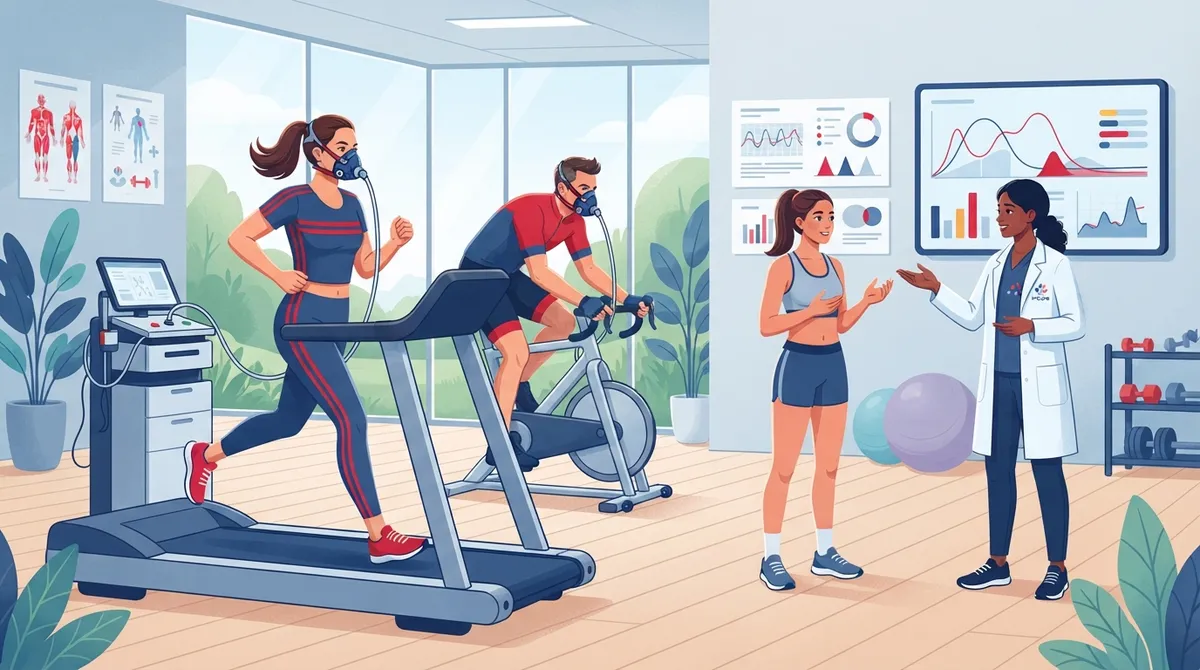
People seek this test for many reasons. Some want to train smarter. Others want a clearer picture of their health.
- Busy professionals who want a baseline for cardiovascular fitness
- Runners, cyclists, and gym members who want data-driven training zones
- Adults starting a weight loss program who want to track fitness gains
- People with unexplained shortness of breath or low exercise tolerance
- Health-conscious adults building a prevention-focused wellness plan
If you have a heart or lung condition, your clinician may want to review your history first. That review is a normal part of safe testing. For a closer look at who qualifies, see who should get VO2 max testing.
How to Prepare for Your VO2 Max Test
Good preparation helps you perform your best and stay safe. Preparation instructions vary by clinic and by the reason for testing, so always follow your testing center's specific directions. These are the common guidelines.
What to Wear
Choose comfortable exercise clothing and supportive athletic shoes. Breathable shorts or leggings and a loose top work well. Women often prefer a supportive sports bra. If ECG electrodes will be placed, a top that is easy to adjust helps.
What to Eat and Drink
Avoid a large meal for roughly two to three hours before testing. American Heart Association exercise-testing guidance advises avoiding food and smoking for about three hours beforehand. Stay hydrated with water, and skip caffeine if your clinic asks you to.
Exercise and Medications
Avoid unusual or strenuous exercise for at least 12 hours before the test. You want fresh legs and steady breathing. Do not stop or change any prescription medicine unless the ordering clinician or testing team tells you to. Some medicines affect heart rate and exercise response, so the team needs a full list.
Quick Preparation Checklist
- Confirm your appointment time and any special instructions from the clinic.
- Pack comfortable clothes, athletic shoes, and a water bottle.
- Bring a current list of medications and supplements.
- Skip hard workouts for at least 12 hours before the test.
- Eat a light meal two to three hours before, or follow your clinic's guidance.
- Arrive a few minutes early to complete paperwork.
What Happens Before the Test Starts
Your visit begins with a short screening. Staff typically review your medical history, medications, and current symptoms. They explain the procedure and check whether testing is appropriate for you.
Tell the clinician about any heart or lung conditions, recent illness, pregnancy, fainting with exercise, or new or worsening symptoms. Honest answers protect you and improve the quality of your results.
Getting Fitted With the Equipment
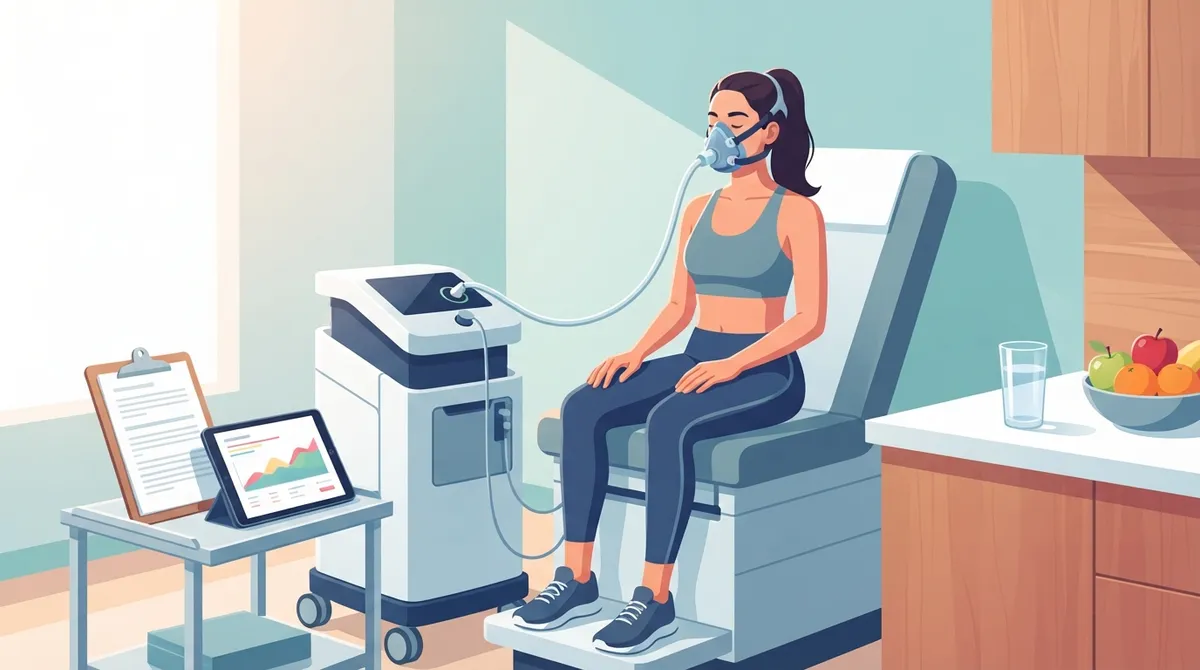
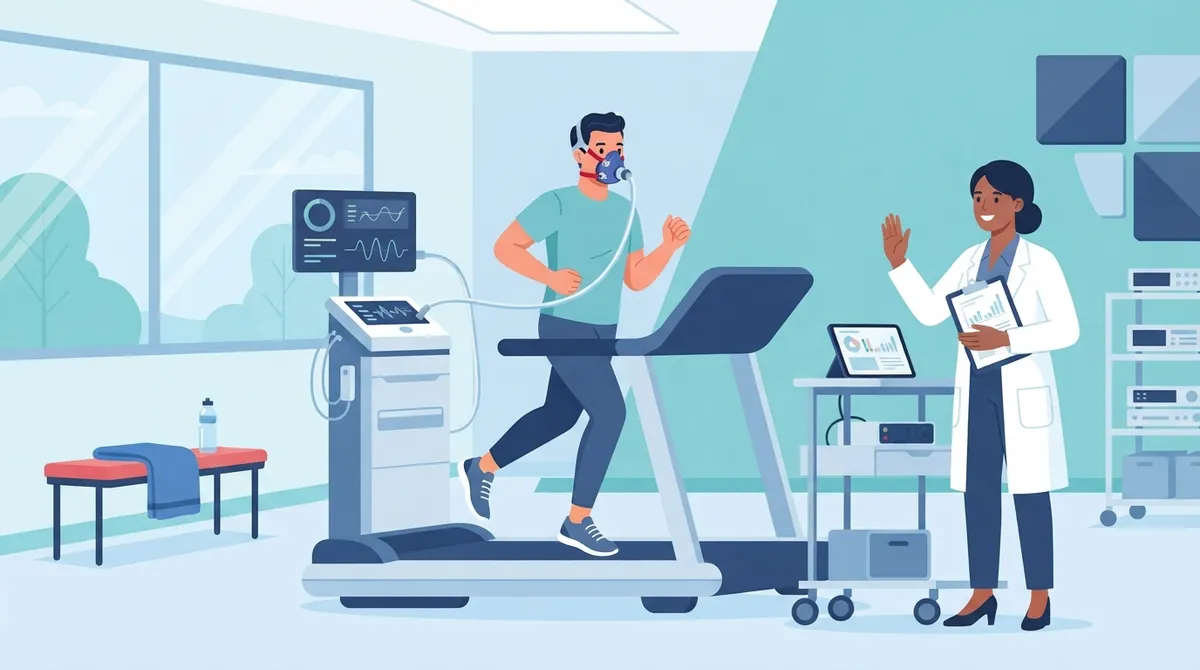
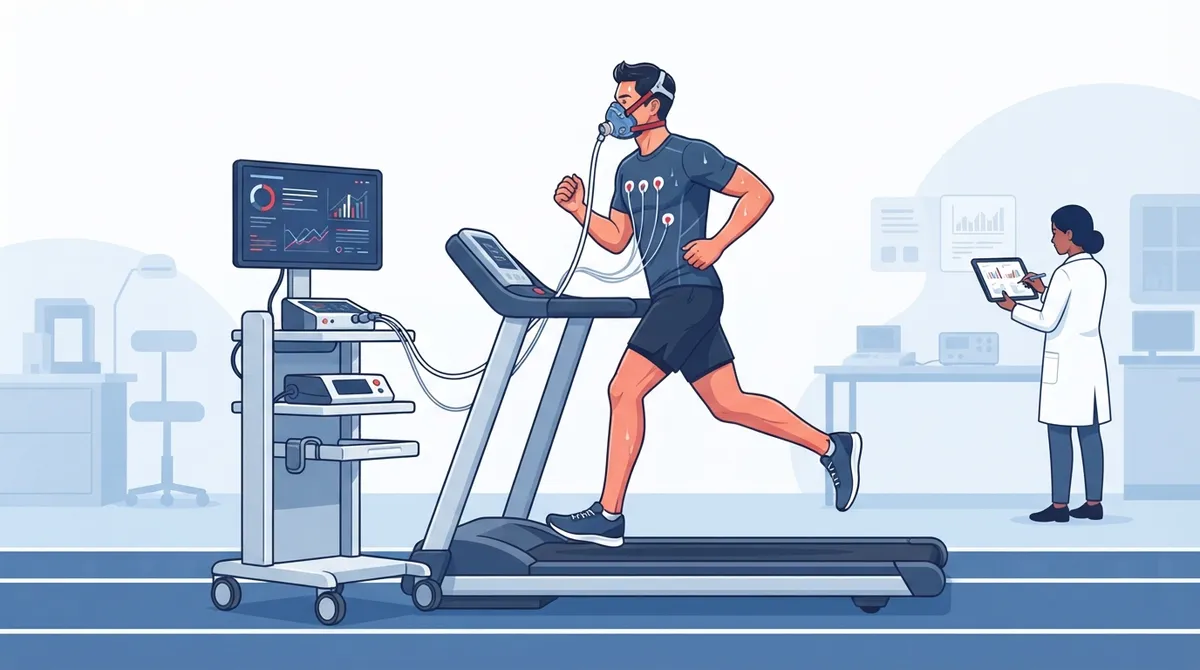
Testing is usually done on a treadmill or stationary cycle. You will wear a fitted mask or a mouthpiece connected to gas-analysis equipment. The mask covers your nose and mouth, so it can feel snug at first. Most people adjust within a minute or two.
You may also wear ECG electrodes or a heart-rate monitor, plus a blood-pressure cuff, especially in clinical testing. These tools let the team watch your heart's response in real time. If you want to know what else fits into a broader assessment, you can explore metabolic breath analysis as a related service.
The VO2 Max Test Step by Step
Protocols vary, but most sessions follow a clear structure. Knowing the stages helps you feel calm and prepared.
|
Stage |
What Happens |
Typical Length |
|---|---|---|
|
Rest |
You sit or stand quietly while baseline readings are recorded |
At least 3 minutes |
|
Warm-up |
Light, easy pedaling or walking at a low workload |
About 3 minutes |
|
Incremental exercise |
Speed, incline, or resistance rises in steps until you reach your limit |
About 8 to 12 minutes |
|
Recovery |
You cool down while staff monitor heart rate and blood pressure |
Several minutes |
These timings come from commonly used CPET protocols described in an ERS standardization statement. The exercise portion is usually short, though the full appointment takes longer once you add screening, setup, and recovery.
The Hard Part: Reaching Your Limit
The test becomes steadily more strenuous. You are usually asked to keep going as long as you safely can. Your legs may burn, your breathing will get heavy, and your heart rate will climb. This is normal.
You can communicate with the team at any time. Staff often agree on a hand signal before you start, since the mask makes talking difficult. If you feel chest pain, dizziness, or unusual symptoms, signal right away. The team may also end the test early if they see concerning signs on the monitors.
Is It Uncomfortable or Painful?
It is demanding, but it should not be painful. Most people describe it as one of the hardest short workouts they have done. The discomfort peaks near the end and fades quickly during recovery. Because the test lasts only about 8 to 12 minutes of exercise, the hardest effort is brief.
What Happens After the Test
Once you stop, you move into a cool-down. Staff keep watching your heart rate, rhythm, and blood pressure as they return toward normal. You can sip water and rest. Most people feel tired but fine within a few minutes.
You can usually return to normal activities soon after. If you feel lightheaded, tell the team before you leave. It is wise to avoid scheduling another intense workout for the rest of the day.
Understanding Your VO2 Max Results
Your report may include VO2 peak or VO2 max, heart-rate response, ventilatory data, and overall exercise capacity. A clinician interprets these numbers in light of the protocol used, your effort, your health history, and the reason for testing.
What Your Numbers May Show
- Your current cardiorespiratory fitness compared with typical ranges for your age and sex
- How your heart rate responds to rising effort
- How efficiently you breathe during exercise
- Possible reasons for limited exercise tolerance, such as heart, lung, or conditioning factors
- Personal heart-rate zones for smarter training
Remember that a single result is not a diagnosis. If something looks unusual, your clinician may suggest follow-up tests or a conversation about next steps. This is where a primary care relationship matters most. A doctor who knows your full history can turn a number into a plan. If you are still choosing a clinic, our guide on how to choose a clinic for VO2 max testing in Tampa can help.
Safety and Common Concerns
Supervised exercise testing is widely used and generally safe for people who are properly screened. Trained staff monitor you throughout and can stop the test whenever needed.
Some people should discuss testing with a clinician first. These include people with known heart disease, serious lung conditions, uncontrolled blood pressure, or recent chest symptoms. Your clinician can decide whether testing is appropriate, whether medical clearance is needed, or whether another assessment fits better.
Tips for a Better Test
- Sleep well the night before so you start rested.
- Practice breathing calmly through the mask during the warm-up.
- Give a true effort, since the result depends on how hard you push safely.
- Speak up about any symptom, even a small one.
- Ask questions before you start so you feel confident.
Why Choose a Primary Care Clinic for VO2 Max Testing?
Many gyms and labs offer fitness tests, but a medical practice adds context. At InCare, testing sits alongside primary care, weight management, body composition analysis, and prevention-focused services. That means your results connect directly to your health history, screenings, and goals instead of living in a stand-alone report.
InCare serves patients in Tampa and Riverview, Florida, with a personalized approach that blends modern technology and medical expertise. Patients can see what others say by reading reviews when they visit us on Google — InCare. You can also follow the practice on Instagram and Facebook for wellness updates. For video tips, find us on TikTok.
If you are curious how fitness testing fits into whole-body care, see our overview of what a metabolic breath test shows about your body.
Take the Next Step With InCare
A VO2 max test is short, structured, and highly informative. You prepare lightly, exercise until you reach your limit under close supervision, and leave with data that can shape your training and health plan. Knowing what to expect removes most of the stress.
Ready to learn your numbers? Book your appointment with InCare today, or contact our team with any questions about preparation and eligibility.
FAQs
Q: How long does a VO2 max test take?
A: The exercise portion usually lasts about 8 to 12 minutes. The full appointment takes longer because it includes screening, equipment setup, a resting period, a warm-up, and recovery. Protocols vary, so ask your clinic for an exact time.
Q: Is a VO2 max test painful or uncomfortable?
A: The test is demanding but should not be painful. Effort rises steadily, so your legs and breathing will feel the strain near the end. Staff supervise you throughout, and you can signal to stop if you feel unwell.
Q: Can I eat before a VO2 max test, and should I take my medications?
A: Most clinics advise avoiding a large meal for about two to three hours before testing and staying hydrated. Do not stop or change prescription medicines unless your clinician or testing team instructs you to, because some drugs affect heart rate and exercise response.
Q: What happens if I need to stop during the test?
A: You can communicate symptoms or ask to stop at any time, often using a hand signal agreed on beforehand. Staff may also end the test if they see concerning signs on the monitors. Your results are then interpreted based on how far you safely progressed.
Q: Is a VO2 max test safe if I have a heart or lung condition?
A: It can be, but your clinician should review your history first to decide whether testing is appropriate. Tell the team about any heart or lung conditions, recent illness, or new symptoms. Medical clearance or a different assessment may be recommended in some cases.