Key Takeaways
- GHK-Cu is a naturally occurring copper peptide that declines with age; topical formulations have the strongest evidence for supporting skin repair, collagen activity, and antioxidant defense over time.
- Topical GHK-Cu has a strong 40+ year safety record in cosmetics with adverse event rates below 2%, though mild temporary redness (4.2%) and itching (2.8%) can occur in small percentages of users.
- GHK-Cu is not FDA-approved as a medical drug but regulated as a cosmetic ingredient; it should be approached as a wellness tool with realistic expectations rather than a guaranteed medical therapy.
- People with Wilson's disease, copper-handling disorders, pregnant/breastfeeding individuals, and children should avoid GHK-Cu or consult a healthcare provider first due to limited safety data in these populations.
- Injectable or systemic GHK-Cu remains poorly studied with limited safety data, making topical application the only well-established delivery method; start with patch testing and track skin response over several weeks.
- Optimal skin health requires combining GHK-Cu with comprehensive wellness practices including sleep, hydration, nutrition, regular screenings, and professional guidance rather than relying on any single ingredient.
Your skin and tissues repair themselves every single day. But as you age, that natural repair process slows down. This is where GHK-Cu cellular repair has caught the attention of wellness patients across Tampa and Riverview. This small copper peptide has become a talking point in skin health and tissue support conversations at primary care and wellness clinics nationwide.
If you have searched for ways to support your body's natural healing, you may have come across GHK-Cu. It sounds technical, but the idea behind it is simple. This article breaks down what GHK-Cu is, how it may support cellular repair, and what the research actually shows. We will also cover safety, side effects, and who should think twice before trying it. Whether you are a busy parent, a wellness-focused professional, or simply curious about proactive health options, this guide will give you clear, useful answers.

What Is GHK-Cu and Why Does It Matter for Cellular Repair?
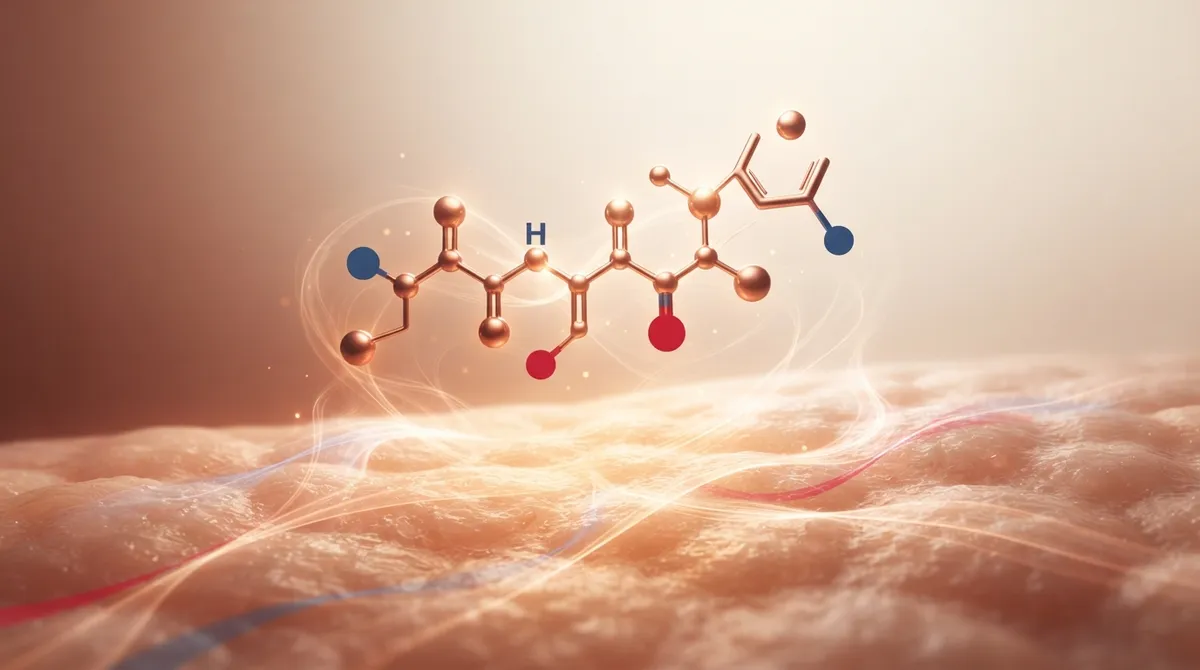
GHK-Cu stands for glycyl-L-histidyl-L-lysine copper. That is a mouthful, so most people just call it GHK-Cu or copper peptide. It is a naturally occurring compound made of a small protein fragment bound to copper.
Your body already produces GHK-Cu, but levels tend to drop with age. Researchers have studied this peptide for its potential role in supporting repair processes in several tissue types. According to a review published on PMC, the National Institutes of Health's research archive, GHK-Cu has been linked to protective and regenerative actions in skin, connective tissue, bone, and even the stomach lining.
In the world of primary care and wellness, GHK-Cu is most often discussed as a topical ingredient. It shows up in skincare products aimed at improving skin texture and reducing the look of fine lines. This is different from prescription medications, so it helps to understand exactly where the evidence stands before trying it.
How GHK-Cu May Support the Skin's Natural Repair Process
Skin renews itself constantly. New cells form while old ones shed. GHK-Cu has been studied for its possible role in supporting this cycle by acting on pathways involved in tissue remodeling.
Some research suggests GHK-Cu may help support:
- Collagen and elastin activity in the skin
- Antioxidant defense against everyday environmental stress
- Skin firmness and smoother texture over time
- Recovery support after minor skin irritation
- Overall skin barrier function
These effects are most often studied through topical formulations rather than oral or injectable products. That distinction matters a lot when you are deciding what type of product or approach makes sense for your goals.
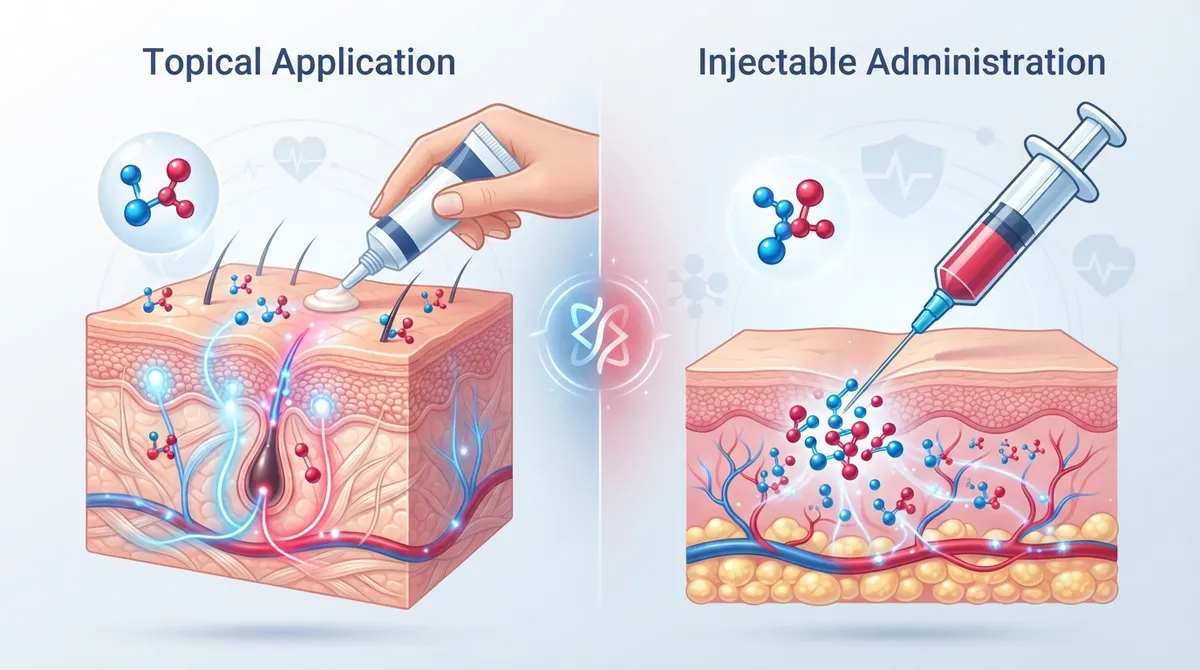
Topical vs. Injectable GHK-Cu: What Is the Difference?
One of the most common questions people ask is whether GHK-Cu should be applied to the skin or used another way. The answer depends heavily on the strength of the evidence for each method.
|
Factor |
Topical GHK-Cu |
Injectable or Systemic GHK-Cu |
|---|---|---|
|
Common Use |
Skincare, cosmetic products |
Less established, limited research |
|
Evidence Strength |
Strongest available evidence |
Preliminary, more limited |
|
Safety Data |
Generally well tolerated |
Not well established |
|
Typical Side Effects |
Mild redness or itching |
Not clearly documented |
|
Regulatory Status |
Cosmetic ingredient, not FDA-approved drug |
Not a mainstream medical therapy |
Topical use has decades of cosmetic history behind it. In fact, commercial use of GHK-Cu in cosmetics has been documented for more than four decades, according to research summaries reviewed by peptide safety researchers. Systemic or injectable use, on the other hand, remains far less studied and is not something most primary care providers would recommend outside of a research setting.
Is GHK-Cu Safe? What the Research Says
Safety is always the first question serious wellness patients should ask. The good news is that topical GHK-Cu has a fairly reassuring safety record when used as directed.
Here is what the data shows:
- A pooled safety review from 2026 looked at 12 studies involving 512 participants. It found transient redness in about 4.2% of users and mild itching in 2.8%.
- An earlier research summary reviewed 47 clinical trials and reported adverse event rates below 1.8% for topical formulations.
- Some long-term reviews describe use over 12 to 24 months without signs of cumulative toxicity in tested cosmetic products.
- A 2018 review of both human and preclinical evidence found repair-related effects across several tissue types, including skin and lung connective tissue.
These numbers suggest that, for most healthy adults, topical GHK-Cu is a low-risk option. However, low risk does not mean risk-free. Side effects can still happen, and not everyone should use this ingredient without first talking to a healthcare provider.
Common Side Effects to Watch For
Most side effects reported with topical GHK-Cu are mild and temporary. Still, it helps to know what to expect before you start using any new product.
- Mild skin redness at the application site
- Temporary itching or tingling
- Rare cases of contact irritation
- Possible reaction in people with copper sensitivities
If you notice ongoing irritation, stop use and speak with a healthcare provider. A quick conversation with your primary care team can help you figure out whether a reaction is minor or something that needs closer attention.
Who Should Avoid GHK-Cu?
Because GHK-Cu involves copper metabolism, certain groups should be cautious. This is one of the most important safety points to understand before adding any copper peptide product to your routine.
People who should generally avoid GHK-Cu or speak with a provider first include:
- Individuals with Wilson's disease or other copper-handling disorders
- Pregnant or breastfeeding individuals, due to limited safety data
- Children, since research in this age group is not well established
- Anyone considering long-term systemic or injectable use, where safety data remains limited
Safety information published by peptide safety resources consistently notes that these groups fall outside the population studied in most GHK-Cu research. If you fall into one of these categories, it is worth having a direct conversation with your doctor before trying any copper peptide product.
Is GHK-Cu FDA Approved for Medical Use?
This is a common and important question. GHK-Cu is not approved by the FDA as a prescription drug for cellular repair or wound healing. It is more accurately described as a cosmetic ingredient used in skincare formulations.
This distinction matters for a few reasons:
- Cosmetic ingredients are regulated differently than prescription medications.
- Marketing claims about "cellular repair" should be read carefully, since they often reflect early research rather than proven medical outcomes.
- Mainstream primary care guidelines do not currently list GHK-Cu as a standard treatment for wound healing or tissue repair.
- Ongoing research may change this picture over time, but current evidence is still developing.
This does not mean GHK-Cu is without value. It simply means patients should approach it as a wellness or cosmetic tool rather than a guaranteed medical therapy. A knowledgeable healthcare team can help you separate marketing claims from what the science actually supports.
How InCare Approaches Cellular Health and Skin Wellness
At InCare, patients in Tampa and Riverview have access to a wide range of wellness services built around prevention and whole-body optimization. While GHK-Cu itself is more of a cosmetic ingredient, it fits into a bigger picture of cellular health that InCare providers care about deeply.
Services that connect to this broader conversation include:
- DNA gene testing to understand your unique health predispositions
- Body composition analysis using advanced imaging technology
- IV hydration and vitamin drips to support overall cellular function
- Hair restoration services for those interested in regenerative approaches
- Cancer screenings for proactive, early detection care
Providers like those featured on the InCare providers page, including Dr. Pramjeet Ahluwalia, take time to explain which wellness trends are backed by solid evidence and which ones need more caution. This kind of guidance is especially valuable for patients trying to sort through the flood of information about peptides and skin health online.
Steps to Take Before Trying GHK-Cu Products
If you are curious about adding a GHK-Cu product to your skincare routine, a thoughtful approach goes a long way. Rushing into new products, even ones marketed as gentle, can sometimes backfire.
- Talk to a healthcare provider about your skin goals and any existing conditions.
- Ask about your copper metabolism history, especially if you have a family history of Wilson's disease.
- Start with a topical product rather than any injectable or systemic option.
- Do a small patch test before applying broadly to your skin.
- Watch for redness, itching, or irritation over the first week of use.
- Keep track of how your skin responds over several weeks, since results take time.
- Reach out to your provider if irritation does not improve or gets worse.
This step-by-step approach helps you stay safe while still exploring wellness options that interest you. It also gives your healthcare team a clear picture of your skin health over time, which supports better long-term care.
Why Whole-Body Wellness Matters More Than a Single Ingredient
It is easy to get excited about one ingredient or one peptide. But real cellular health depends on many factors working together. Sleep, nutrition, hydration, and regular screenings all play a role in how well your body repairs itself.
This is why a comprehensive wellness visit often reveals more than a single product ever could. During a visit, your provider can review your overall health, order relevant screenings, and help you build a plan that fits your goals. You can learn more about what this looks like by reading about what happens during an annual wellness visit.
For patients focused on long-term skin and tissue health, pairing good habits with evidence-based wellness services tends to produce better results than chasing trends alone. Combining smart skincare choices with regular checkups, proper hydration, and metabolic tracking creates a more complete picture of your health.
Comparing Popular Cellular Wellness Approaches
|
Approach |
Primary Focus |
Evidence Level |
Best For |
|---|---|---|---|
|
Topical GHK-Cu |
Skin texture and appearance |
Moderate, cosmetic-focused |
Skin health goals |
|
IV Hydration Therapy |
Hydration and nutrient support |
Established clinical use |
Energy and recovery |
|
DNA Gene Testing |
Personalized health insights |
Growing evidence base |
Preventive planning |
|
Body Composition Analysis |
Tracking fat and muscle changes |
Well established technology |
Fitness and metabolic goals |
This table shows that GHK-Cu fits into a specific niche within a much larger wellness landscape. It is not a replacement for comprehensive care, but it can be part of a broader routine when used appropriately and with realistic expectations.
What Patients in Tampa and Riverview Should Know
Local patients often ask their providers about trending wellness ingredients, and GHK-Cu is no exception. Because InCare focuses on personalized, technology-driven care, patients get straightforward answers rather than exaggerated claims.
If you want to talk through your skin health goals or explore other proactive wellness services, you can get in touch with the InCare team to schedule a conversation. Many patients also choose to book an appointment online for added convenience.
Patients who want to see what others are saying about their experience can also visit InCare on Google to read real reviews from the Tampa and Riverview communities. InCare currently holds a 4.8 out of 5 rating from hundreds of patients, reflecting consistent, trustworthy care.
You can also follow along with wellness tips and clinic updates through Facebook, Instagram, and TikTok, where the team shares helpful, easy-to-understand health content.
Final Thoughts on GHK-Cu and Cellular Repair
GHK-Cu is an interesting compound with a reasonable safety profile for topical use. Research supports its role in skin-related repair processes, though evidence for other uses remains limited. It is not a magic solution, and it works best as one small piece of a much larger wellness picture.
If you are exploring skin health, cellular wellness, or simply want a trusted partner for preventive care, a knowledgeable primary care team can help you make sense of new trends like GHK-Cu. Ready to talk through your options with a team that values clear answers over hype? Contact InCare today to schedule your wellness consultation and take the next step toward informed, proactive health care.
FAQs
Q: What is GHK-Cu and how does it work for cellular repair?
A: GHK-Cu is a naturally occurring copper peptide studied for its potential role in supporting skin, connective tissue, and other repair processes. It is believed to interact with pathways involved in tissue remodeling, though most evidence centers on topical skin applications rather than systemic repair.
Q: Is GHK-Cu safe for topical use on skin?
A: Topical GHK-Cu is generally well tolerated based on published safety reviews. Studies report mild, temporary side effects like redness or itching in a small percentage of users, with adverse event rates staying below 2% in many clinical trials.
Q: Does GHK-Cu actually help with wound healing?
A: Research reviews suggest GHK-Cu may support repair-related processes in skin and other tissues, but it is not established as a mainstream medical treatment for wound healing. Most supporting evidence comes from preclinical and topical cosmetic studies rather than large-scale clinical trials.
Q: Who should avoid using GHK-Cu?
A: People with copper-handling disorders like Wilson's disease should avoid GHK-Cu due to its involvement in copper metabolism. Pregnant or breastfeeding individuals, children, and anyone considering long-term systemic or injectable use should also consult a healthcare provider first, since safety data for these groups remains limited.
Q: Is GHK-Cu approved by the FDA for medical use?
A: GHK-Cu is not FDA-approved as a prescription medical treatment. It is most commonly used and regulated as a cosmetic ingredient in skincare products, not as a guideline-based primary care therapy.