Key Takeaways
- Kisspeptin is a brain messenger that controls GnRH release, which triggers LH and FSH hormones essential for puberty, menstrual cycles, and fertility—disruption at any step causes reproductive problems.
- Kisspeptin therapy is promising in early trials for hypothalamic amenorrhea and infertility but remains investigational; no FDA-approved kisspeptin treatment exists yet, and it only works if the GnRH pathway below kisspeptin is still functional.
- Low energy availability from restrictive eating or excessive exercise suppresses kisspeptin signaling; maintaining adequate calories, managing stress, and healthy body weight directly support normal hormone function.
- Seek evaluation if you experience irregular periods, delayed puberty, unexplained infertility, or low libido; primary care hormone testing (LH, FSH, estrogen, testosterone) plus genetic testing can identify kisspeptin-GnRH pathway problems early.
If you have struggled with unexplained menstrual irregularity, fertility problems, or a delayed puberty diagnosis, you may have come across a confusing term: kisspeptin. This small molecule plays a big role in how your body controls reproductive hormones. Understanding the kisspeptin GnRH connection can help you make sense of lab results, ask better questions at your next appointment, and know when it is time to seek specialist care.
At InCare, our primary care team in Tampa and Riverview helps patients sort through confusing hormone symptoms every day. Whether you are a young adult wondering about delayed development or a woman trying to understand irregular cycles, this guide breaks down the science in plain language and explains what current medicine can and cannot do.
What Is Kisspeptin?
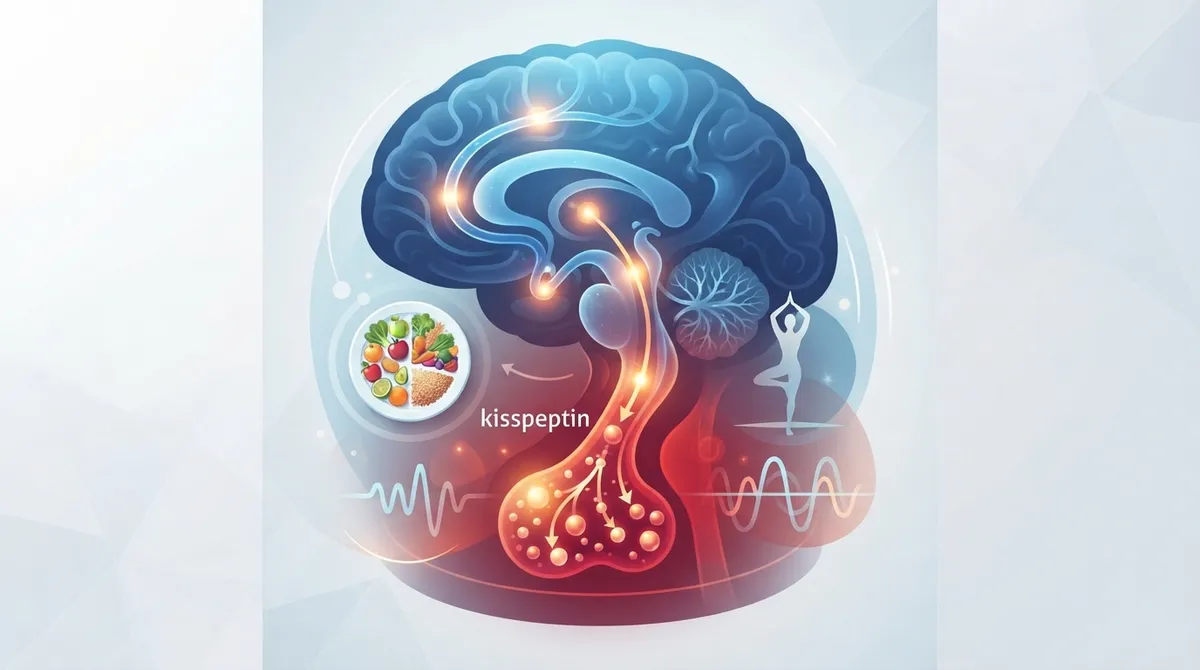
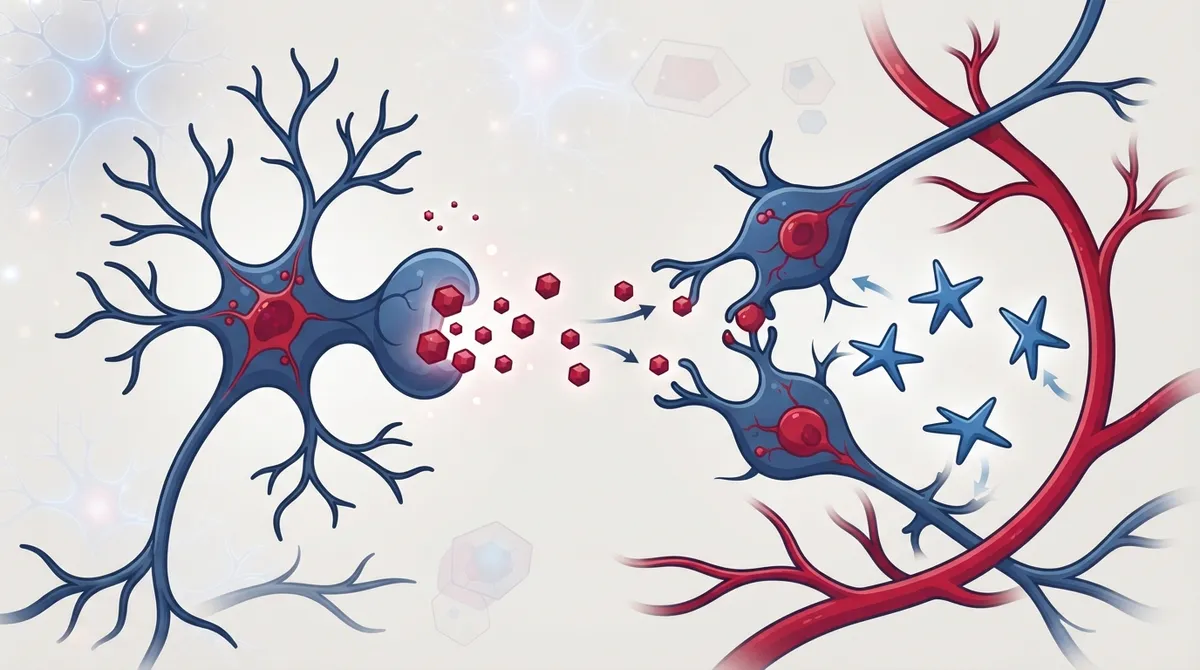
Kisspeptin is a small protein made in the brain. It works in an area called the hypothalamus. Think of it as a messenger that tells another set of brain cells to start a chain reaction.
Kisspeptin binds to a receptor called KISS1R. This receptor sits on or near cells that produce gonadotropin-releasing hormone, or GnRH. Once kisspeptin activates these cells, GnRH gets released in pulses throughout the day.
Why GnRH Matters for Your Health
GnRH travels a short distance to the pituitary gland. There, it triggers the release of two important hormones:
- Luteinizing hormone (LH)
- Follicle-stimulating hormone (FSH)
These two hormones control the ovaries in women and the testes in men. They drive puberty, menstrual cycles, sperm production, and overall reproductive health. Without proper GnRH pulses, this entire system can shut down or work incorrectly.
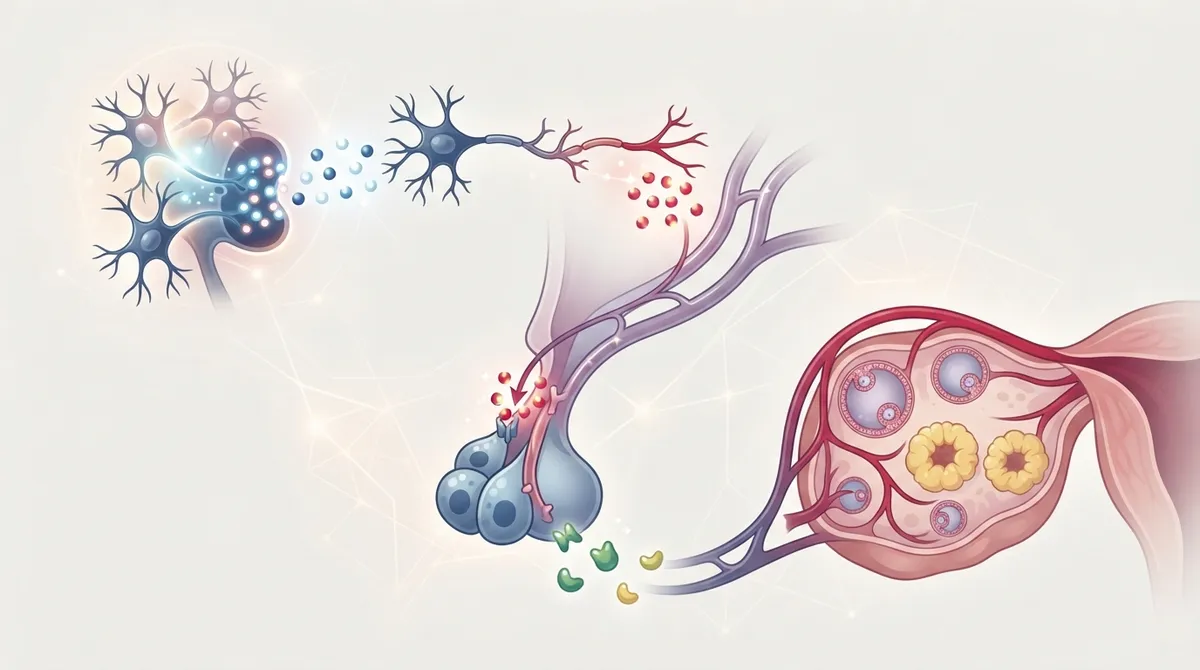
How Kisspeptin Controls the Reproductive System
Scientists now understand that kisspeptin sits at the very top of the reproductive hormone chain. It acts like a switch that turns the whole system on. Research published in Physiological Reviews describes kisspeptin and a related molecule, neurokinin B, as the key regulators of pulsatile GnRH release.
This discovery changed how doctors think about reproductive problems. Instead of only looking at the ovaries, testes, or pituitary gland, specialists now also consider whether the kisspeptin signal itself is working correctly.
The Simple Chain of Command
- The hypothalamus releases kisspeptin
- Kisspeptin binds to KISS1R on GnRH neurons
- GnRH neurons release GnRH in regular pulses
- GnRH travels to the pituitary gland
- The pituitary releases LH and FSH
- LH and FSH act on the ovaries or testes
- The ovaries or testes produce estrogen, progesterone, or testosterone
If any step in this chain breaks down, reproductive symptoms can appear. This is why our providers take a whole-body approach rather than looking at hormones in isolation.
Conditions Linked to Kisspeptin and GnRH Problems
When the kisspeptin-GnRH pathway does not work well, several health issues can develop. Genetic changes in the KISS1 or KISS1R genes have been tied to delayed or absent puberty and a condition called hypogonadotropic hypogonadism.
Here are common conditions connected to this pathway:
- Delayed puberty in teenagers
- Hypothalamic amenorrhea, or missed periods from stress, low body weight, or excessive exercise
- Idiopathic hypogonadotropic hypogonadism
- Kallmann syndrome
- Unexplained infertility
- Low libido linked to hormone imbalance
Who Should Get Evaluated
You may benefit from hormone testing and a full evaluation if you notice these signs:
- Periods that stop or become very irregular
- No signs of puberty by the expected age
- Trouble getting pregnant after a year of trying
- Low sex drive with no clear cause
- Unexplained fatigue paired with hormone symptoms
Our team offers thorough annual wellness visits that can catch these warning signs early, long before they become bigger problems.
Current Research on Kisspeptin Therapy
Kisspeptin is exciting to researchers because it offers a more natural way to restart the reproductive system. Instead of giving hormones directly, kisspeptin therapy tries to wake up the body's own GnRH signal. This only works if the pathway below kisspeptin is still intact.
Several forms of kisspeptin have entered human trials, including kisspeptin-54, kisspeptin-10, and receptor agonists known as TAK-683 and TAK-448. A 2022 clinical review confirmed these compounds have been tested in people, but clear treatment guidelines are still not finalized.
Recent Study Findings
|
Study or Source |
Key Finding |
Year |
|---|---|---|
|
Intranasal kisspeptin-54 trial |
Rapidly stimulated gonadotropin release in men, women, and hypothalamic amenorrhea patients with no adverse events reported |
2025 |
|
ClinicalTrials.gov protocol |
Tested pulsatile subcutaneous kisspeptin for two weeks in hypogonadotropic hypogonadism, tracking LH pulses and ovulation |
Updated 2025 |
|
Endocrine Reviews summary |
Identified kisspeptin and neurokinin B as central regulators with possible uses in IVF and amenorrhea |
2024 |
|
Clinical review of KISS1R agonists |
Noted early trials with TAK-683 and TAK-448 but no finalized clinical application |
2022 |
These results are encouraging, but they come from small, early-phase studies. No kisspeptin drug is currently approved as a standard fertility or hormone treatment.
Potential Future Uses in Fertility Care
Researchers are studying kisspeptin for several specific goals:
- Triggering ovulation during IVF cycles with fewer side effects
- Treating hypothalamic amenorrhea caused by low energy availability
- Helping patients with Kallmann syndrome respond to treatment
- Testing GnRH neuron function as a diagnostic tool
- Supporting oocyte maturation during fertility treatment
The idea is appealing because kisspeptin may stimulate the body's own hormone production rather than replacing it directly. However, this approach only helps patients whose GnRH pathway is partly working. It will not help everyone with hormone problems.
Kisspeptin vs. Standard Hormone Treatments
Many patients ask if kisspeptin could replace testosterone therapy or standard fertility drugs. Right now, the answer is no. Here is a simple comparison of current standard treatments versus investigational kisspeptin therapy.
|
Feature |
Standard Hormone Therapy |
Investigational Kisspeptin Therapy |
|---|---|---|
|
Availability |
FDA approved and widely used |
Limited to research trials |
|
Approach |
Replaces hormones directly |
Stimulates the body's own GnRH release |
|
Best candidates |
Confirmed hormone deficiency |
Intact hypothalamic-pituitary-gonadal pathway |
|
Delivery method |
Injections, patches, or pills |
Nasal spray or subcutaneous pulses in trials |
|
Long-term safety data |
Well established |
Not yet established |
If you are considering options like testosterone replacement therapy, our providers can walk you through what is proven and what is still experimental.
How Doctors Evaluate Suspected Kisspeptin or GnRH Problems
A primary care visit is often the first step toward answers. Your doctor will likely start with a detailed history and basic blood work before considering any specialist referral.
Typical Evaluation Steps
- Review of menstrual history, puberty timeline, or fertility concerns
- Physical exam checking for signs of hormone imbalance
- Blood tests for LH, FSH, estrogen, or testosterone
- Pregnancy testing when relevant
- Assessment of nutrition, exercise habits, and stress levels
- Additional imaging or genetic testing if indicated
- Referral to endocrinology, gynecology, or reproductive medicine as needed
Our clinics also offer DNA gene testing, which can sometimes reveal genetic patterns tied to reproductive hormone conditions. This gives your care team a fuller picture before deciding on next steps.
Lifestyle Factors That Affect Kisspeptin and GnRH Function
Your daily habits directly influence this hormone pathway. Low energy availability from restrictive eating or intense exercise can suppress kisspeptin signaling. This is common in athletes and people with very low body fat.
Steps that may support healthy hormone signaling include:
- Eating enough calories to match your activity level
- Managing chronic stress through sleep and relaxation
- Avoiding extreme calorie restriction or over-exercising
- Maintaining a healthy body weight range
- Getting regular checkups to catch imbalances early
A body composition analysis can help track whether your weight and muscle mass are in a healthy range to support normal hormone function.
Why Choose InCare for Hormone and Wellness Concerns
InCare combines advanced diagnostic tools with a personal touch at both our Tampa and Riverview locations. Our providers, including Dr. Naveen Paddu, Dr. Pramjeet Ahluwalia, and Dr. Teshy John, take time to listen and investigate the root cause of your symptoms.
We understand that hormone-related concerns can feel overwhelming. That is why our team focuses on clear communication, thorough testing, and coordinated referrals when specialist care is needed. Patients consistently share their positive experiences, and you can visit us on Google — InCare to read real reviews from people we have helped.
You can also follow our latest wellness tips and clinic updates on Facebook, Instagram, and TikTok for accessible health education.
What to Expect at Your Appointment
During your visit, expect an open conversation about your symptoms, medical history, and goals. Our providers will explain lab results in plain language and outline realistic next steps.
Here is what a typical visit involves:
- A detailed symptom history and timeline
- Discussion of family history related to fertility or puberty
- Blood draw for hormone panel testing
- Personalized plan based on your results
- Referral coordination if specialist care is needed
If you have noticed changes in your cycle, energy, or reproductive health, do not wait to get answers. Reach out to our team to schedule a consultation, or go ahead and book your appointment online today. Our Tampa and Riverview locations are ready to help you understand your hormone health and build a plan that fits your life.
FAQs
Q: What is the relationship between kisspeptin and GnRH?
A: Kisspeptin is an upstream signal that activates GnRH neurons in the brain. It binds to the KISS1R receptor and triggers the pulsatile release of GnRH, which then controls the release of LH and FSH from the pituitary gland.
Q: Can kisspeptin treat hypothalamic amenorrhea or infertility?
A: Kisspeptin is being studied as a potential treatment for these conditions, and early trials show promise. However, it remains investigational and is not yet an approved standard treatment for fertility or amenorrhea.
Q: Is kisspeptin approved as a fertility treatment?
A: No, kisspeptin is not currently approved for routine clinical use. Human studies have tested forms like kisspeptin-54 and kisspeptin-10, but definitive treatment protocols are still pending further research.
Q: What tests are used to evaluate suspected GnRH or kisspeptin problems?
A: Doctors typically start with a hormone panel checking LH, FSH, estrogen, or testosterone levels. They also review menstrual or puberty history, assess nutrition and exercise habits, and may order genetic testing or imaging if needed.
Q: When should I see a specialist for reproductive hormone concerns?
A: You should seek evaluation if you have irregular or absent periods, delayed puberty, unexplained infertility, or low libido without a clear cause. A primary care provider can run initial tests and refer you to endocrinology or reproductive medicine when appropriate.