Key Takeaways
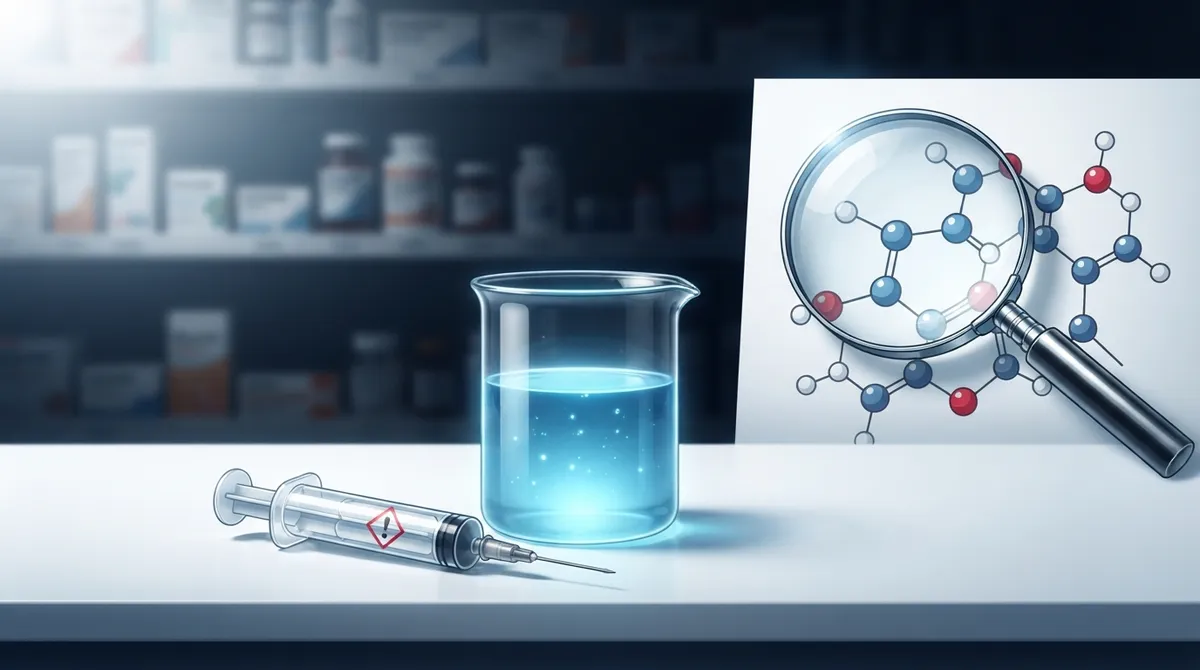
- KP-10's active ingredient is kisspeptin-10, a synthetic 10-amino acid peptide that triggers reproductive hormone release by binding to KISS1R receptors in the brain, but it is not FDA-approved for any medical use.
- Kisspeptin-10 has an extremely short circulating duration of only 3-4 minutes, making at-home injections unreliable and potentially dangerous compared to controlled clinical IV infusions used in research.
- Online KP-10 products labeled 'for research use only' lack FDA safety testing, verified purity standards, and dosing guidelines, meaning their safety and efficacy for human use are completely unverified.
- Clinical research on kisspeptin-10 is conducted under strict medical supervision with precise dosing and monitoring, which is fundamentally different from unregulated commercial products sold online without oversight.
- Pregnant women, adolescents, those with hormone-sensitive cancers, and individuals on hormone medications should completely avoid KP-10 due to unknown long-term effects and incomplete safety data.
- Licensed medical providers can offer evidence-based hormone testing and FDA-approved treatment options instead of unregulated peptides, ensuring your fertility or hormone concerns are addressed safely with proper monitoring.
If you have searched online for fertility peptides or hormone-boosting compounds, you have probably come across the term "KP-10." Many wellness forums and research-chemical websites throw this name around without explaining what it actually is. Understanding the KP-10 active ingredient matters, especially if you are considering it for reproductive health, hormone balance, or general wellness goals.
This guide breaks down the science in plain language. We will cover what KP-10 actually contains, how it may affect your body, and why medical supervision is so important. At InCare, our providers in Tampa and Riverview believe patients deserve clear, honest information before making decisions about their health. Whether you found this term through a fitness influencer or a peptide supplier, this article will help you separate real science from marketing claims.

What Is the KP-10 Active Ingredient?
The active ingredient in KP-10 is kisspeptin-10, also called metastin(45-54). It is a small chain of amino acids, known as a decapeptide because it contains exactly 10 amino acids. This peptide comes from a larger protein made by the KISS1 gene in your body.
Unlike vitamins or common medications, kisspeptin-10 is not a simple molecule you find in food or supplements. It is a lab-made copy of a natural signaling molecule your body already produces. Its job is tied closely to your reproductive hormone system.
The Exact Chemical Makeup
Researchers describe kisspeptin-10 using this amino acid sequence: Tyr-Asn-Trp-Asn-Ser-Phe-Gly-Leu-Arg-Phe-NH2. This sequence is listed under CAS number 374675-21-5 in chemical databases like PubChem. Knowing this technical detail helps you understand that KP-10 is a precise biological compound, not a general supplement blend.
- It is a decapeptide with 10 specific amino acids
- It has a molecular weight of about 1.3 kDa
- It corresponds to the C-terminal region of the KISS1 gene product
- It is also called metastin(45-54) or KISS1(112-121)
- It is distinct from vitamins, minerals, or traditional drugs
How Does KP-10 Work in the Body?
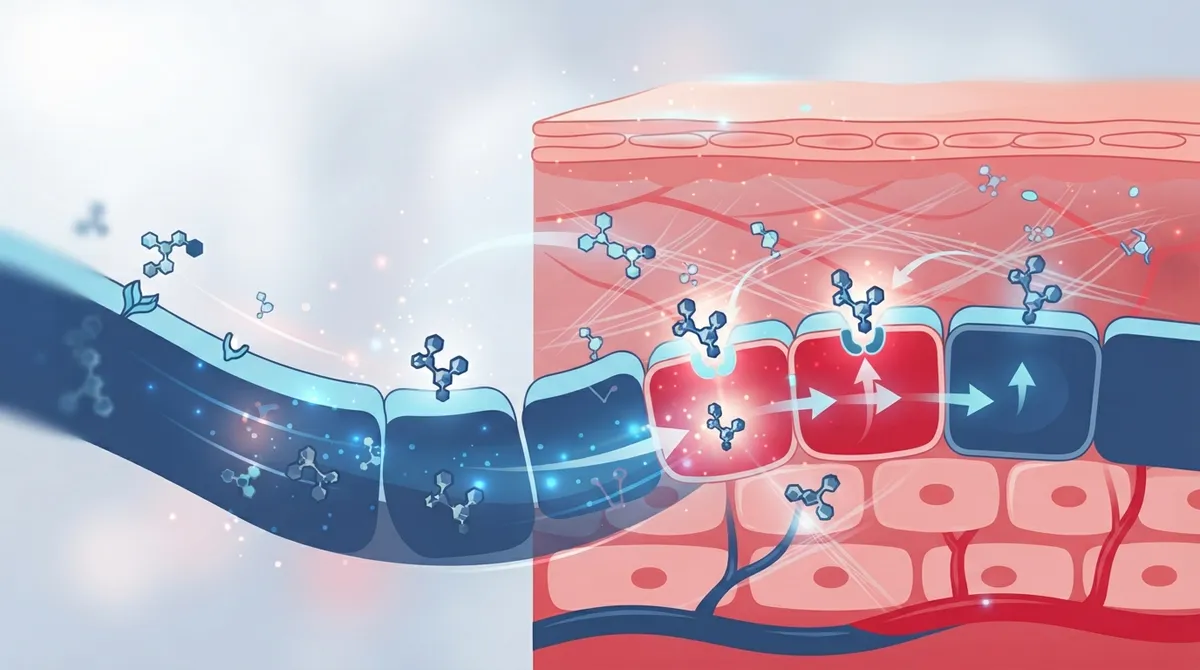
Kisspeptin-10 works by attaching to a specific receptor called KISS1R, also known as GPR54. This receptor sits mainly in the hypothalamus, a control center in your brain for hormones.
When kisspeptin-10 binds to this receptor, it can trigger the release of gonadotropin-releasing hormone, or GnRH. This hormone then signals your pituitary gland to release two other important hormones: luteinizing hormone (LH) and follicle-stimulating hormone (FSH). These two hormones directly control ovulation in women and testosterone production in men.
Why This Pathway Matters for Reproductive Health
This kisspeptin-GnRH-LH-FSH chain plays a major role in puberty, ovulation, and overall fertility. Scientists have been studying this pathway to better understand reproductive disorders and hormone imbalances. Some researchers hope kisspeptin-based approaches could eventually help diagnose or treat certain fertility issues.
However, understanding this pathway is very different from safely using KP-10 as a self-administered product. If you have concerns about your reproductive hormones, a conversation with a primary care provider is a much safer starting point than an unregulated peptide purchase.
Is KP-10 FDA-Approved for Any Use?
No. KP-10 is not approved by the FDA for fertility treatment, testosterone support, weight loss, or general wellness. It remains an investigational compound used mainly in controlled research settings.
Many companies that sell KP-10 online label their products "for research use only" and state clearly that the product is "not for human or veterinary use." This labeling exists for a reason. These products have not gone through the rigorous safety and quality testing required for approved medications.
What This Means for You
- Products labeled for research use are not tested for human safety.
- Purity and dosage accuracy are not guaranteed by regulatory agencies.
- Manufacturing standards may vary widely between suppliers.
- There is no official guidance on safe human dosing.
- Legal responsibility for misuse falls on the buyer, not the seller.
Choosing a product because it is marketed for fertility or hormone support does not mean it has met any safety standard. This is one of the biggest gaps between online claims and medical reality.
KP-10 Research: What Studies Actually Show
Human studies on kisspeptin administration do exist, and they offer useful insight. Researchers have examined how kisspeptin affects reproductive hormones and, in some cases, metabolic function.
One notable example is study NCT03771326, which looked at kisspeptin-10 and insulin secretion in men. This kind of research helps scientists understand the broader biological role of kisspeptin beyond fertility alone.
Why Study Results Don't Equal Product Safety
It is important to separate controlled clinical research from products sold online. Clinical studies use precise dosing, medical supervision, and quality-controlled compounds. Commercial research-grade KP-10 products offer none of these safeguards.
|
Factor |
Clinical Research Setting |
Online Research-Grade Product |
|---|---|---|
|
Dosing Control |
Precisely measured and monitored |
Unverified, user-determined |
|
Medical Supervision |
Physicians and research staff present |
None |
|
Product Purity |
Tested and verified |
Often unverified |
|
Administration Method |
Controlled IV bolus or infusion |
Self-injection, method varies |
|
Safety Monitoring |
Continuous during study |
None |
The Pharmacokinetic Problem: Why Dosing Is So Tricky
One critical fact often left out of online discussions is how quickly kisspeptin-10 disappears from the bloodstream. Research shows it has a very short circulating duration, often cited at just 3 to 4 minutes in some studies.
Because of this short window, researchers typically use controlled intravenous infusions rather than simple injections. This detail alone makes at-home dosing advice found on forums or product websites unreliable and potentially dangerous.
Why This Matters for Anyone Considering KP-10
- A few minutes of activity means timing and delivery method are critical
- Standard subcutaneous injections may not replicate research conditions
- Dosing charts shared online are not based on verified human safety data
- Individual differences in metabolism can change how the peptide behaves
- Without medical monitoring, effects and risks are unpredictable
This is exactly the kind of nuance that gets lost when people rely on unverified online sources instead of licensed medical professionals.
Who Should Avoid KP-10 Entirely?
Because safety data remains incomplete, certain groups face higher risks if they consider using KP-10 without medical guidance. Long-term effects and repeated dosing risks are simply not well understood yet.
Higher-Risk Groups
- Pregnant or breastfeeding individuals
- Adolescents whose hormone systems are still developing
- People with a history of reproductive cancers
- Anyone currently taking hormone-active medications
- Patients with unexplained fertility or hormone symptoms who have not been properly evaluated
If you fall into any of these categories, self-administering an unregulated peptide is not a responsible path forward. A conversation with a qualified provider can help you find safer, evidence-based options.
How InCare Approaches Hormone and Fertility Concerns
At InCare, we understand why patients search for cutting-edge solutions to fertility, hormone balance, and overall wellness. Our Tampa and Riverview clinics combine advanced diagnostics with personalized care plans that put your safety first.
Instead of guessing with unregulated peptides, our team can evaluate your hormone levels through proper lab testing and discuss options that fit your specific health picture. Services like DNA gene testing and comprehensive body composition analysis give us real data to work from, rather than relying on unverified online claims.
Why Medical Supervision Changes the Outcome
Working with a licensed provider means your treatment plan is based on your actual lab results and health history. It also means any medication or therapy discussed has a known safety profile and dosing standard. This approach protects you from the guesswork that comes with self-directed peptide use.
- Accurate hormone testing before any treatment decisions
- Access to FDA-regulated treatment options when appropriate
- Ongoing monitoring to track your progress safely
- Personalized guidance based on your full health history
- A team that can coordinate specialist referrals if needed
If you have questions about kisspeptin or reproductive hormone health, our providers are ready to walk you through evidence-based options. You can also reach out to our team to schedule a consultation at either of our Florida locations.
KP-10 vs Other Kisspeptin Forms
Not all kisspeptin compounds are the same. KP-10 is the shortest active fragment, but researchers also study longer forms like kisspeptin-54. Understanding these differences helps clarify why generic "kisspeptin" claims online can be misleading.
|
Compound |
Amino Acid Length |
Typical Research Use |
|---|---|---|
|
Kisspeptin-10 (KP-10) |
10 amino acids |
Short-acting studies, IV infusion research |
|
Kisspeptin-54 |
54 amino acids |
Longer-acting studies, some IVF-related trials |
|
Full-length KISS1 protein |
145 amino acids (precursor) |
Basic biological research, not used directly |
Making Informed Decisions About Wellness Trends
Social media and online supplement stores often promote trending compounds like KP-10 without full context. It is easy to see glowing testimonials and assume a product is both effective and safe. But testimonials are not clinical evidence, and product listings are not medical advice.
Before trying any peptide, ask yourself these questions:
- Has this compound been tested in peer-reviewed human studies?
- Is it approved by the FDA for the purpose I am considering?
- Does the seller provide any real safety or purity certification?
- Have I discussed this with a licensed healthcare provider?
- Am I aware of the specific risks for my personal health history?
If you cannot confidently answer these questions, it is worth pausing before moving forward. Our team follows patients on Instagram and Facebook who ask these exact questions, and we always encourage a clinical conversation first.
Why Choose a Trusted Primary Care Partner in Tampa and Riverview
InCare has built a reputation on personalized, technology-driven healthcare that respects both innovation and patient safety. Our clinics maintain a strong 4.8-star rating from hundreds of patients who value clear communication and thorough care.
Whether your concern involves fertility, hormone balance, or a broader wellness goal, our providers can guide you through proven, safe options rather than unregulated shortcuts. You can also visit us on Google — InCare to see what our patients say about their experience with our Tampa and Riverview teams.
For updates on wellness topics and clinic news, you can also follow InCare on Tik Tok for accessible, patient-friendly health content.
Take the Next Step Toward Safe Hormone Health
Understanding the KP-10 active ingredient is an important first step, but it should not be your last one. Real answers about your fertility, hormone levels, and overall wellness come from proper testing and a trusted medical relationship, not from unregulated online products.
Ready to talk with a provider who puts your safety first? Book Now to schedule your visit at our Tampa or Riverview clinic and get personalized guidance built around real science.
FAQs
Q: What is the active ingredient in KP-10?
A: The active ingredient in KP-10 is kisspeptin-10, a synthetic decapeptide made of 10 amino acids. It is derived from the KISS1 gene and is also known as metastin(45-54).
Q: Is KP-10 the same thing as kisspeptin-10?
A: Yes, KP-10 and kisspeptin-10 refer to the same compound. Both names describe the short, active fragment of the larger KISS1 protein used in reproductive hormone research.
Q: Is KP-10 FDA-approved for fertility, testosterone, or weight loss?
A: No, KP-10 is not FDA-approved for any of these uses. It remains an investigational research compound, and products sold online are typically labeled for research purposes only.
Q: Is kisspeptin-10 safe to inject or use at home?
A: Self-administering kisspeptin-10 at home is not recommended. Its very short circulating time and lack of established human dosing guidelines make unsupervised use risky.
Q: How is KP-10 different from kisspeptin-54?
A: KP-10 is a shorter fragment with just 10 amino acids, while kisspeptin-54 contains 54 amino acids and tends to have a longer duration of action in research settings.