Key Takeaways
- KP-10 refers to keratosis pilaris (medical code L87.0), a harmless condition caused by keratin buildup around hair follicles, not a separate product or disease requiring panic.
- Use a consistent routine with gentle cleansers, lukewarm water, and moisturizers containing urea or lactic acid; expect visible improvement within several weeks to months of daily application.
- Affects up to 50-80% of teenagers and 40% of adults, often runs in families, commonly appears on upper arms and thighs, and typically improves by age 30 without intervention.
- Avoid picking, scrubbing with rough tools, hot showers, and introducing multiple new products simultaneously, as these habits worsen bumps and can cause scarring.
- Schedule a doctor visit if you experience rapid spreading, signs of infection (pus, warmth, swelling), severe itching disrupting sleep, or pain, as these warrant professional evaluation.
- Keratosis pilaris is completely harmless, non-contagious, not linked to cancer, and requires only cosmetic treatment for appearance rather than medical intervention for health reasons.
Have you noticed small, rough bumps on your arms, thighs, or cheeks that just won't go away? Many people search for "kp-10 skin condition" trying to find answers about these tiny, sandpaper-like bumps. The good news is that this is one of the most common skin issues doctors see, and it has clear, manageable solutions.
In this guide, we will break down what KP-10 really means, why it happens, and what you can do about it. Whether you are a busy parent noticing bumps on your child's arms or an adult who has dealt with this since your teenage years, understanding this condition can help you feel more confident in your skin.
What Does KP-10 Mean in Skin Care?
KP-10 is not a special product or a separate skin disease. It is simply a common way people refer to keratosis pilaris along with its medical billing code, L87.0. This code is used by doctors and insurance companies to document the condition during a visit.
Keratosis pilaris, often just called KP, is a harmless skin condition. It happens when keratin, a protein found in your skin, builds up around hair follicles. This buildup creates small, rough bumps that many people call "chicken skin" because of how it looks and feels.
- KP-10 refers to keratosis pilaris, not a unique treatment or product
- The number "10" points to the L87.0 diagnosis code used in medical records
- It is one of the most common skin conditions seen in primary care
- The condition is not contagious and is not caused by poor hygiene
- It is not dangerous or linked to cancer in any way
What Causes These Rough Skin Bumps?
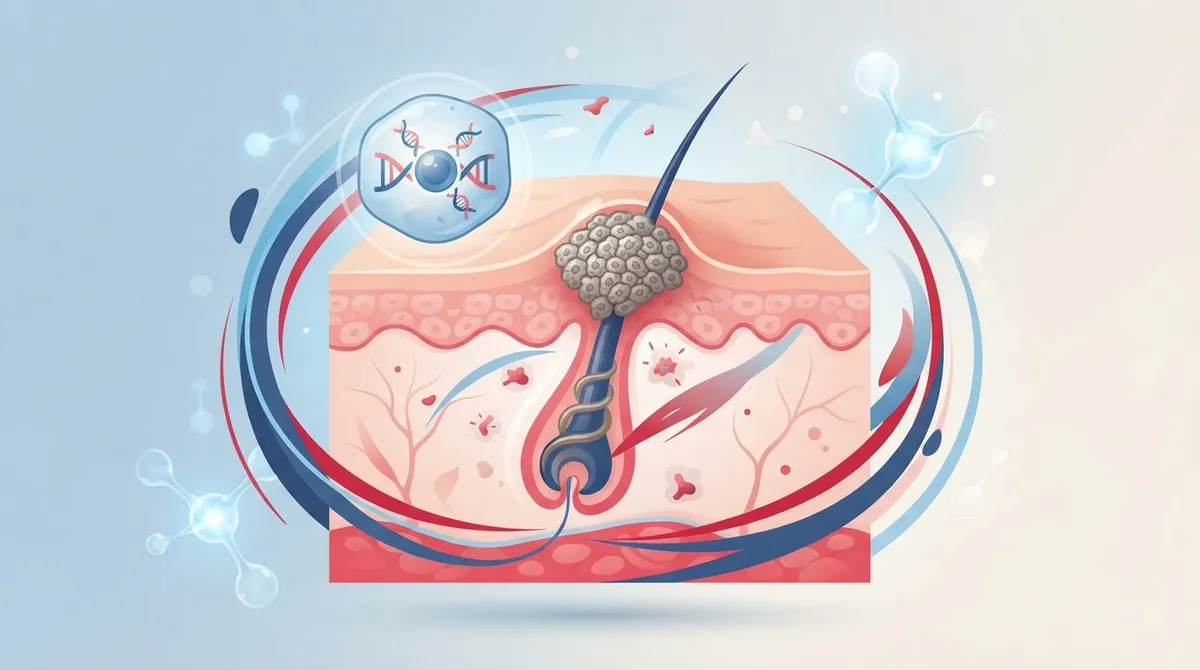
Your skin naturally sheds dead cells and produces keratin to protect itself. With keratosis pilaris, this process does not work smoothly. Extra keratin plugs up the hair follicles instead of shedding normally.
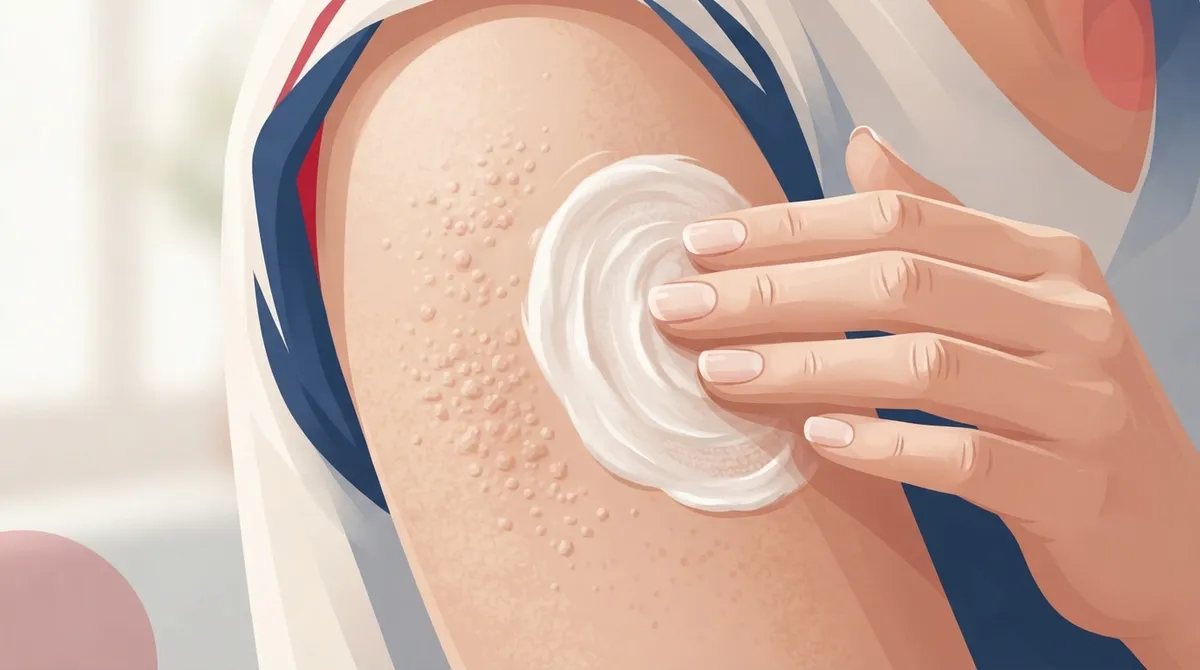
This creates small bumps that can feel rough, like tiny grains of sand under your skin. The bumps may be skin-colored, red, white, or brown, depending on your skin tone and whether there is any irritation.
Common Areas Where KP Appears
Certain parts of the body are more likely to develop these bumps than others. Knowing where to look can help you spot the condition early.
- Outer upper arms - the most common location by far
- Thighs - especially the front and outer sides
- Buttocks - often overlooked but very common
- Cheeks - more frequent in children and teens
- Trunk and back - less common but still possible
Who Is Most Likely to Get It?
Keratosis pilaris is incredibly common. Research suggests it may affect up to half of the general population at some point in life. Some studies show even higher rates among teenagers, with numbers ranging from 50 to 80 percent.
It often runs in families, so if your parents had rough patches on their arms, you might notice the same pattern. The condition frequently starts in childhood or the teen years and can improve as you get into your 30s, though this is not guaranteed for everyone.
|
Fact |
Detail |
|---|---|
|
Typical bump size |
About 1 to 2 millimeters wide |
|
Common age of onset |
Childhood through adolescence |
|
Prevalence in adults |
Around 40 percent, based on clinical estimates |
|
Prevalence in teens |
50 to 80 percent, based on clinical estimates |
|
Medical diagnosis code |
L87.0 (ICD-10-CM) |
Is KP-10 Skin Condition Dangerous?
This is one of the most common questions patients ask. The simple answer is no. Keratosis pilaris is completely harmless from a medical standpoint. It will not spread to others, and it does not increase your risk of skin cancer or any serious illness.
That said, the bumps can be frustrating to look at or feel. Some people experience mild itching or dryness, especially in colder months. Understanding that this is a cosmetic concern rather than a health threat can bring peace of mind.
How Is Keratosis Pilaris Diagnosed?
Most of the time, a doctor can identify keratosis pilaris just by looking at your skin. There is no need for blood tests or biopsies in typical cases. Your provider will check the location, texture, and pattern of the bumps to confirm the diagnosis.
If your primary care team at InCare notices anything unusual, such as sudden spreading, pain, or signs of infection, they may recommend further evaluation. This is one reason having a trusted primary care provider matters, even for skin issues that seem minor.
When Should You See a Doctor?
While KP is usually harmless, certain signs mean it is time to schedule a visit. Do not ignore these warning signals.
- Sudden, rapid spreading of bumps across your body
- Signs of infection, like pus, warmth, or swelling
- Severe itching that disrupts sleep or daily life
- Pain around the affected areas
- Uncertainty about whether it really is keratosis pilaris
Treatment Options for Rough, Bumpy Skin
There is no permanent cure for keratosis pilaris, but there are many ways to improve the texture and appearance of your skin. Most treatment plans focus on gentle care and consistent habits rather than aggressive procedures.
Step-by-Step Approach to Managing KP
Following a simple routine can make a noticeable difference over time. Here is a practical order to follow:
- Switch to a gentle, fragrance-free cleanser instead of harsh soaps
- Use lukewarm water instead of hot water when bathing
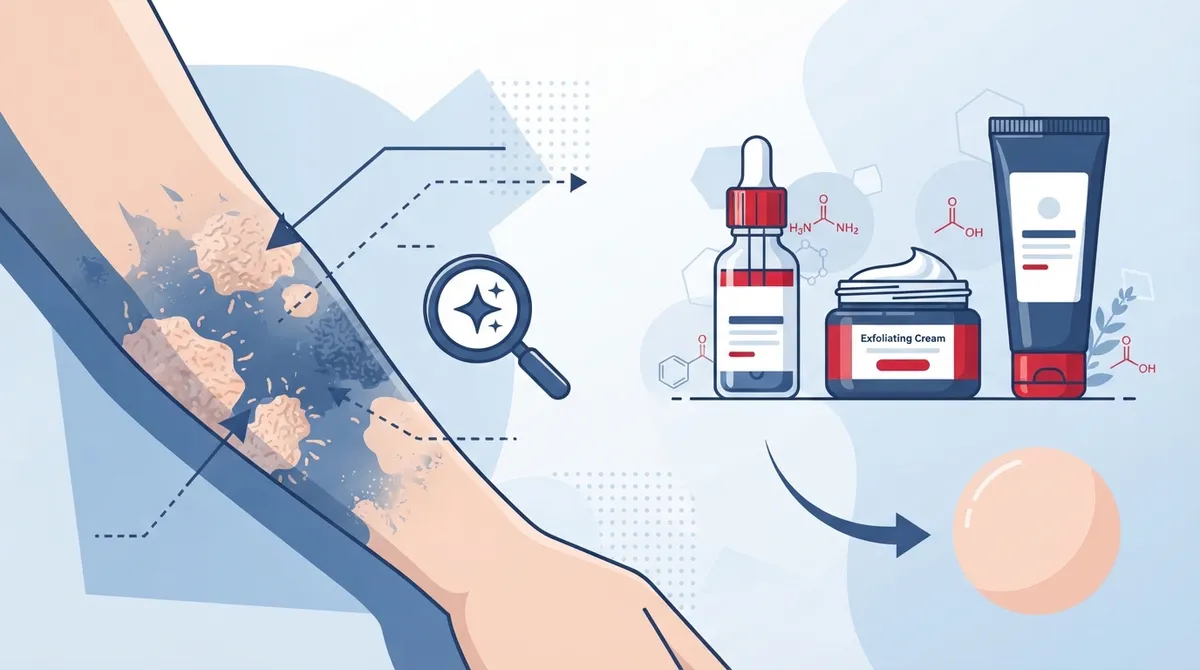
- Apply a moisturizer with urea, lactic acid, or alpha-hydroxy acids daily
- Introduce a gentle exfoliating product slowly, a few times a week
- Avoid scrubbing, picking, or using rough loofahs on the bumps
- Stick with the routine for several weeks before expecting results
- Talk to a provider about prescription options if over-the-counter products are not enough
|
Ingredient |
How It Helps |
|---|---|
|
Urea |
Softens rough skin and helps with hydration |
|
Lactic acid |
Gently exfoliates dead skin cells |
|
Salicylic acid |
Helps clear clogged pores and follicles |
|
Alpha-hydroxy acids (AHAs) |
Support smoother skin texture over time |
|
Topical retinoids |
May be prescribed for stubborn or persistent cases |
What to Avoid
Certain habits can make keratosis pilaris worse instead of better. Being mindful of these mistakes can save you time and frustration.
- Scrubbing too hard or using rough brushes on the skin
- Picking or squeezing the bumps, which can cause scarring
- Taking long, hot showers that dry out your skin
- Skipping moisturizer after bathing
- Introducing too many new products at once, which can cause irritation
How Long Does It Take to See Improvement?
Patience is important with keratosis pilaris. Most people notice gradual improvement over several weeks to a few months of consistent care. The condition often becomes less noticeable with age, sometimes improving significantly by the time someone reaches their 30s.
However, everyone's skin responds differently. Some people need ongoing maintenance to keep their skin smooth, while others see lasting improvement after establishing a good routine. According to a 2023 review of the medical literature, there is currently no single standard tool doctors use to measure how severe a case of KP is, which is part of why treatment plans are personalized.
Conditions That Can Look Like KP-10 Skin Condition
Several other skin issues can resemble keratosis pilaris, which is why a proper evaluation matters. Getting the right diagnosis helps you choose the most effective treatment.
|
Condition |
Key Difference from KP |
|---|---|
|
Acne |
Often includes blackheads, whiteheads, and deeper inflammation |
|
Folliculitis |
Usually involves infection and can be tender or painful |
|
Eczema |
Tends to be itchier and more inflamed, often in skin folds |
|
Contact dermatitis |
Linked to a specific irritant or allergen exposure |
|
Viral warts |
Caused by a virus and can spread through contact |
If you are unsure which condition matches your symptoms, a visit with a provider from the InCare team can help clear up any confusion. Getting an accurate diagnosis early can prevent unnecessary worry and guide you toward the right care plan.
Why Whole-Body Wellness Matters for Skin Health
Skin conditions like KP often connect to broader health and lifestyle factors. Hydration, nutrition, and overall wellness can all play a role in how your skin looks and feels. This is why many patients benefit from a more complete approach to care rather than treating skin symptoms in isolation.
At InCare, services like IV hydration and vitamin drips support overall skin health by addressing hydration from the inside out. Combined with DNA gene testing, patients can gain deeper insight into their skin's unique needs and genetic tendencies.
Building a Wellness Routine That Supports Skin Health
Consider these lifestyle habits alongside your topical skin care routine:
- Stay well hydrated throughout the day
- Eat a balanced diet rich in vitamins and healthy fats
- Avoid excessive sun exposure without protection
- Manage stress, which can sometimes worsen skin issues
- Schedule regular wellness visits to monitor your overall health
Why Choose InCare for Your Primary Care Needs
Living in Tampa or Riverview, Florida gives you access to a healthcare team that treats more than just symptoms. InCare combines advanced technology with a personal touch to help you understand conditions like keratosis pilaris within the bigger picture of your health.
Our providers, including Dr. Naveen Paddu, Dr. Pramjeet Ahluwalia, and Dr. Teshy John, are ready to help you address skin concerns as part of a comprehensive primary care visit. Whether you need a routine wellness check or want to explore options like body composition analysis, our team is here to support your goals.
Many patients also follow us on social platforms like Facebook, Instagram, and Tik Tok for helpful health tips and updates. You can also read what our patients are saying by visiting InCare on Google, where we maintain a strong reputation for friendly, attentive care.
Take the Next Step for Healthier Skin
Understanding your KP-10 skin condition is the first step toward clearer, smoother skin. While keratosis pilaris is harmless, you do not have to manage it alone. A personalized plan from a trusted provider can help you feel more comfortable and confident in your own skin.
If rough, bumpy skin has been bothering you, our team is ready to help. Reach out to our team today to schedule a visit, or go ahead and book your appointment online now to start your journey toward healthier skin and total wellness.
FAQs
Q: What does KP-10 mean in dermatology or medical billing?
A: KP-10 is a common shorthand that refers to keratosis pilaris and its medical diagnosis code, L87.0. It is not a distinct product or treatment, but rather a way patients and providers reference this common skin condition.
Q: Is keratosis pilaris contagious or caused by poor hygiene?
A: No, keratosis pilaris is not contagious and has nothing to do with hygiene habits. It develops from a natural buildup of keratin around hair follicles and often runs in families.
Q: What is the best way to treat rough bumps from KP-10 skin condition?
A: Gentle skin care is the foundation of treatment. Regular moisturizing with ingredients like urea or lactic acid, along with avoiding harsh scrubbing, can significantly improve skin texture over time.
Q: How long does it take for keratosis pilaris to improve?
A: Improvement typically takes several weeks to a few months of consistent care. Many people also notice the condition naturally fades by their 30s, though results vary from person to person.
Q: When should I see a doctor about my skin bumps?
A: You should schedule a visit if you notice rapid spreading, signs of infection, severe itching, or pain. A primary care provider can confirm the diagnosis and rule out other skin conditions that may look similar.