Key Takeaways
- Retatrutide is a triple-receptor agonist activating GIP, GLP-1, and glucagon pathways, showing weight loss of 28.3% in obesity trials and 15.3% in diabetes trials over 40-80 weeks, significantly exceeding current FDA-approved alternatives.
- Retatrutide remains unapproved by the FDA and available only through authorized clinical trials; online 'research peptide' products claiming to be retatrutide are unregulated and carry serious safety risks.
- In TRIUMPH-1, 45.3% of participants on the 12mg dose lost at least 30% of body weight, while in TRANSCEND-T2D-1, HbA1c dropped 1.69-1.94 percentage points compared to 0.8 for placebo in type 2 diabetes patients.
- Common side effects include nausea, vomiting, diarrhea, and constipation; longer-term risks like gallbladder disease, pancreatitis, and muscle loss are still being studied in ongoing Phase 3 trials.
- Retatrutide targets three receptors compared to semaglutide's one and tirzepatide's two, potentially explaining superior weight loss results, though direct head-to-head comparisons with approved drugs remain limited.
- Clinical trials are ongoing for additional indications including obesity with type 2 diabetes (TRIUMPH-2), knee osteoarthritis, sleep apnea, and fatty liver disease, with results expected throughout 2026.
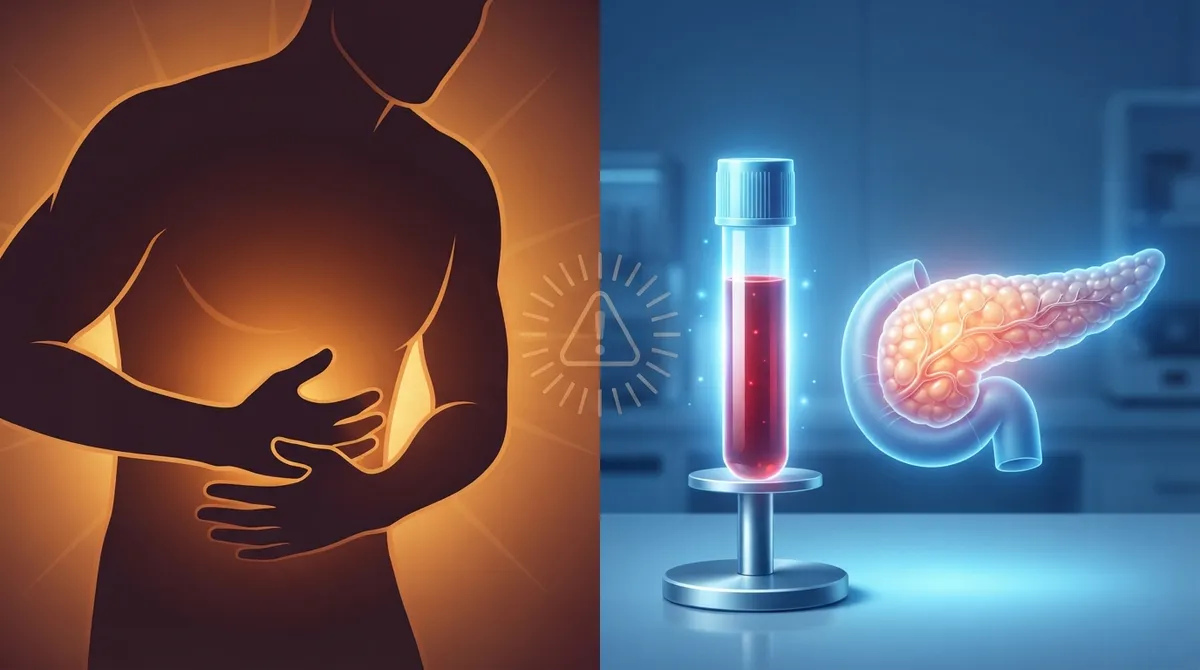
If you follow weight loss and diabetes news, you have probably heard about retatrutide. This experimental drug has made headlines for its dramatic results in clinical trials. But what does the science actually say, and what does it mean for patients today? This retatrutide research update breaks down the facts in plain language, so you can separate real data from online hype.
At InCare, our primary care team stays current on emerging treatments so we can give you accurate, honest guidance. Whether you are managing type 2 diabetes, exploring weight loss options, or simply curious about the next generation of metabolic medicine, this guide covers what matters most.
What Is Retatrutide and How Does It Work?
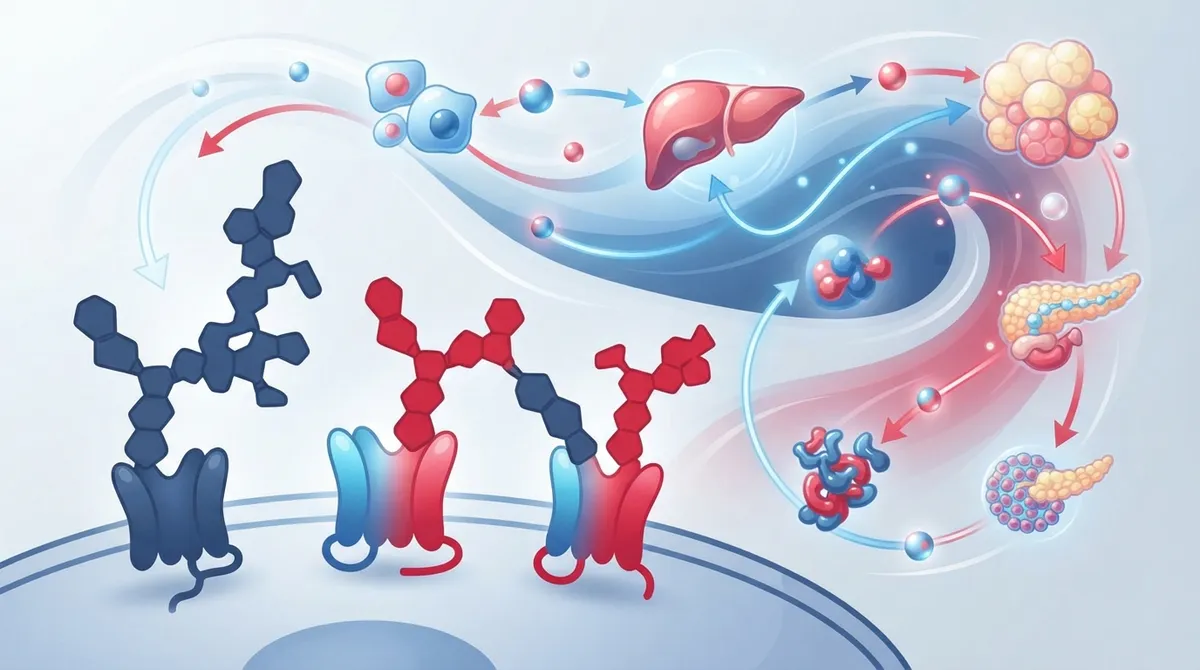
Retatrutide, also known by its research code LY3437943, is an injectable drug given once a week. It is still being tested in clinical trials and has not been approved by the FDA. Unlike some weight loss drugs that target one hormone pathway, retatrutide activates three different receptors at once: GIP, GLP-1, and glucagon.
This triple-action approach is why researchers call it a "triple agonist." The idea is simple. By working on three hormone systems together, the drug may control blood sugar, reduce hunger, and increase the number of calories your body burns. Early research suggests this combination could lead to weight loss results beyond what earlier drugs achieved.
It is important to understand that retatrutide is not yet available by prescription. It exists only within properly run clinical trials. Products sold online labeled as "research peptides" are not the same as the medication being studied in these trials, and they carry real safety risks.

Key Clinical Trial Results So Far
Several major studies have released data on retatrutide throughout 2026. Here is a breakdown of the most important findings from peer-reviewed and sponsor-reported sources.
TRANSCEND-T2D-1: Diabetes Trial Results
This was a 40-week study involving 537 adults with type 2 diabetes that was not well controlled. Researchers tested three doses: 4 mg, 9 mg, and 12 mg, given weekly. The results, published in a peer-reviewed medical journal, showed real promise.
- HbA1c (a measure of blood sugar control) dropped by 1.69 to 1.94 percentage points across the three doses
- The placebo group only saw a 0.8 percentage point drop
- Body weight fell by 11.5% to 15.3%, depending on the dose
- The placebo group lost only 2.6% of body weight
These numbers matter because they suggest retatrutide could help patients manage both diabetes and excess weight at the same time. That combination is a major goal in chronic illness management today.
TRIUMPH-1: Obesity Trial Results
This trial focused on adults with obesity or being overweight, along with at least one weight-related health condition. People with diabetes were excluded from this specific study. The sponsor reported these results after 80 weeks of treatment:
- Participants on the 4 mg dose lost an average of 19.0% of their body weight
- Those on the 9 mg dose lost an average of 25.9%
- Patients on the highest 12 mg dose lost an average of 28.3%
- The placebo group lost only 2.2%
Perhaps most striking, 45.3% of people taking the 12 mg dose lost at least 30% of their body weight. These numbers are higher than what most current weight loss medications have shown in trials.
Additional Trials in Progress
Retatrutide is being studied for more than just diabetes and weight loss. Ongoing Phase 3 trials are looking at its effects on:
- Obesity combined with type 2 diabetes (TRIUMPH-2)
- Knee osteoarthritis in people with obesity
- Obstructive sleep apnea
- Chronic low-back pain
- Heart and kidney health outcomes
- Fatty liver disease
The TRIUMPH-2 trial, which included people with both obesity and type 2 diabetes, reported weight loss of 12.7% to 20.8% depending on dose, compared to 4.0% for placebo, over 80 weeks. Another study, TRIUMPH-4, looked at people with obesity and knee osteoarthritis and reported 28.7% weight loss at the highest dose after 68 weeks. These are sponsor-reported numbers, so full peer-reviewed results are still pending.
Retatrutide Research Update: Comparing the Key Trials
|
Trial Name |
Population |
Duration |
Highest Dose Weight Loss |
Placebo Weight Loss |
|---|---|---|---|---|
|
TRANSCEND-T2D-1 |
Adults with type 2 diabetes |
40 weeks |
15.3% |
2.6% |
|
TRIUMPH-1 |
Adults with obesity, no diabetes |
80 weeks |
28.3% |
2.2% |
|
TRIUMPH-2 |
Adults with obesity and diabetes |
80 weeks |
20.8% |
4.0% |
|
TRIUMPH-4 |
Adults with obesity and knee osteoarthritis |
68 weeks |
28.7% |
Not yet published |
These numbers come from a mix of peer-reviewed journals and sponsor press releases. Peer review means other scientists have checked the study methods and data. Sponsor-reported results have not gone through that same outside review yet, so they should be viewed with some caution until full data is published.
How Does Retatrutide Compare to Other GLP-1 Drugs?
Many patients ask how retatrutide stacks up against semaglutide and tirzepatide, two drugs already used in medical weight loss and diabetes care. The short answer is that retatrutide targets one more hormone receptor than either of those drugs.
Semaglutide works on a single pathway, GLP-1. Tirzepatide works on two, GIP and GLP-1. Retatrutide adds a third: the glucagon receptor. In theory, this triple action may explain why early trial results show larger weight loss numbers for retatrutide compared to the other two drugs in similar trial designs.
That said, direct head-to-head trials comparing all three drugs are limited. Trial populations, doses, and durations differ, which makes it hard to draw firm conclusions. Your healthcare provider can help you understand which approved option, if any, fits your current health needs while retatrutide remains investigational.
Common Side Effects Reported in Trials
Like other drugs in the GLP-1 family, retatrutide has been linked to gastrointestinal side effects. These are the most commonly reported issues across the trials:
- Nausea
- Vomiting
- Diarrhea
- Constipation
- Reduced appetite (often the intended effect, but sometimes excessive)
Researchers are also watching for longer-term risks that come with any rapid weight loss drug. These include gallbladder disease, pancreatitis, loss of lean muscle mass, and unknown effects on heart and kidney health over many years. Because retatrutide is still in trials, these risks are not fully understood yet. Ongoing studies aim to answer these questions before any approval decision is made.
Is Retatrutide Available for Primary Care Patients?
Not yet. As of this 2026 update, retatrutide has not received approval from the FDA or any other regulatory body. This means no doctor can legally prescribe it outside of an authorized clinical trial. There is no approved dose, no official prescribing information, and no established treatment protocol for regular patients.
This is a critical point because some online sellers market "research peptides" labeled as retatrutide. These products are not regulated, and their true identity, purity, and safety are unknown. Buying and injecting unregulated substances carries serious health risks. If you are interested in retatrutide, the only safe path right now is enrolling in a legitimate clinical trial through a research institution.
What This Means for Your Weight Loss and Diabetes Care Today
While retatrutide is not available yet, there are proven, FDA-approved options already helping patients manage weight and blood sugar. At InCare, our medical weight loss programs use approved treatments, personalized nutrition plans, and ongoing monitoring to help you reach your goals safely.
We also offer tools like body composition analysis and metabolic breath analysis to track your progress with real data, not guesswork. These technologies help our providers adjust your plan as your body changes, something a research chemical purchased online can never offer.
For patients managing type 2 diabetes, our team provides comprehensive care that goes beyond medication. We look at diet, activity, sleep, and stress, all of which affect blood sugar control. Learn more about common diabetes management mistakes that could be holding back your progress.
How to Stay Informed as Research Continues
Retatrutide research is moving fast. New data could be released throughout 2026 and beyond as more Phase 3 trials finish. Here are steps you can take to stay updated safely:
- Follow peer-reviewed medical journals rather than social media claims
- Ask your primary care provider about new treatment options during your regular visits
- Avoid purchasing unregulated peptides online, no matter how they are marketed
- Consider clinical trial enrollment through a recognized research center if you want early access
- Focus on proven, approved treatments that fit your current health needs
You can also check reliable sources like the National Institutes of Health clinical trials database for updates on retatrutide studies. This gives you access to real trial data instead of secondhand claims.
Why Choose InCare for Your Weight Loss and Wellness Goals
InCare combines medical expertise with modern technology to help patients in Tampa and Riverview reach lasting health results. Our providers, including Dr. Pramjeet Ahluwalia, offer personalized care plans built around your specific health history and goals.
We understand that patients want the newest, most effective options. That is why we stay current on research like this retatrutide update, while making sure you always receive safe, approved care. You can read what our patients say about their experience by visiting our Visit us on Google — InCare profile, where we maintain a strong reputation for compassionate, results-driven care.
You can also follow our latest health tips and clinic updates on Facebook, see behind-the-scenes wellness content on Instagram, and catch quick health facts on Tik Tok.
Take the Next Step Toward Better Health
Retatrutide represents an exciting direction for future obesity and diabetes treatment. But until it receives approval, safe and effective options already exist to help you manage your weight and metabolic health. Our team is ready to build a plan that works for your body today, not years from now.
Ready to explore your options? Book your appointment today and let our providers create a personalized plan using proven, approved treatments. You can also reach out to our team with any questions about weight loss, diabetes management, or general wellness services at our Tampa or Riverview locations.
FAQs
Q: What is retatrutide and how does its triple-agonist mechanism work?
A: Retatrutide is an investigational weekly injectable drug that activates three hormone receptors: GIP, GLP-1, and glucagon. This triple action is designed to improve blood sugar control, reduce appetite, and boost calorie burning, which together may lead to significant weight loss.
Q: Is retatrutide FDA approved or available by prescription yet?
A: No, retatrutide is not approved by the FDA or any other regulatory agency as of 2026. It is only available through authorized clinical trials, and no approved dose or prescribing guidance currently exists.
Q: How much weight loss has retatrutide produced in clinical trials?
A: In the TRIUMPH-1 trial, participants without diabetes lost between 19.0% and 28.3% of body weight over 80 weeks, depending on dose. In the TRANSCEND-T2D-1 diabetes trial, weight loss ranged from 11.5% to 15.3% over 40 weeks.
Q: Can people with type 2 diabetes take retatrutide?
A: Not currently, since it is not approved for any use outside clinical trials. However, trial data from TRANSCEND-T2D-1 showed meaningful HbA1c improvements and weight loss in adults with type 2 diabetes, suggesting future potential once approved.
Q: Is it safe to buy retatrutide or research peptides online?
A: No. Products sold online as research peptides are not regulated and may have uncertain purity, concentration, or safety. The only safe way to access retatrutide right now is through a properly authorized clinical trial.