
Key Takeaways
- Snoring, gasping at night, restless legs, and long-term insomnia can signal real medical problems that over-the-counter pills, apps, and online quizzes rarely identify.
- Sleep apnea cannot be confirmed by a questionnaire alone; diagnosis should follow a full clinical evaluation and objective testing such as a home sleep apnea test or in-lab study.
- If a home sleep apnea test is negative, inconclusive, or technically poor but suspicion remains high, AASM guidance recommends in-lab polysomnography rather than ignoring symptoms.
- Seek a clinician promptly for drowsy driving, loud habitual snoring, breathing pauses seen by a partner, or heavy daytime sleepiness, since untreated sleep apnea is linked to high blood pressure.
- PAP therapy is the most common first-line treatment for obstructive sleep apnea, and early problems like mask leaks or dry mouth are often fixable, so don't quit without follow-up help.
- Before booking in Tampa, confirm referral needs, insurance acceptance, testing options, and whether the provider treats your specific disorder, since not all centers manage insomnia, narcolepsy, or parasomnias.
Waking up tired after a full night in bed is more than an annoyance. Loud snoring, gasping at night, restless legs, and long-term insomnia can point to real medical problems. Many people try over-the-counter pills, sleep apps, or online quizzes first. Those tools rarely find the true cause.
That is why medically supervised sleep treatment in Tampa matters. It means a trained clinician looks at your symptoms, orders the right tests, builds a treatment plan, and follows up with you over time. It is not just buying a device or filling out a questionnaire.
This guide explains what supervised sleep care includes, when to seek it, how testing works, and what treatments exist. It also shows how a primary care team like InCare can be your first stop and help coordinate the next steps. If you are tired of feeling tired, read on.

What Does Medically Supervised Sleep Treatment Mean?
Medically supervised sleep treatment is clinician-led care for sleep disorders. A licensed provider guides every step, from the first visit to long-term follow-up. The goal is to find out why you sleep poorly and fix the cause, not just mask the symptoms.
The care process usually has four parts:
- Assessment: Your clinician reviews symptoms, medical history, medications, and daily habits.
- Testing: Objective tests confirm or rule out a sleep disorder.
- Treatment plan: Therapy is matched to your diagnosis and your needs.
- Follow-up: Your provider checks progress, adjusts treatment, and solves problems.
Each part matters. Guessing at a diagnosis can lead to the wrong treatment. Skipping follow-up can cause people to quit therapy that would have worked with small changes.
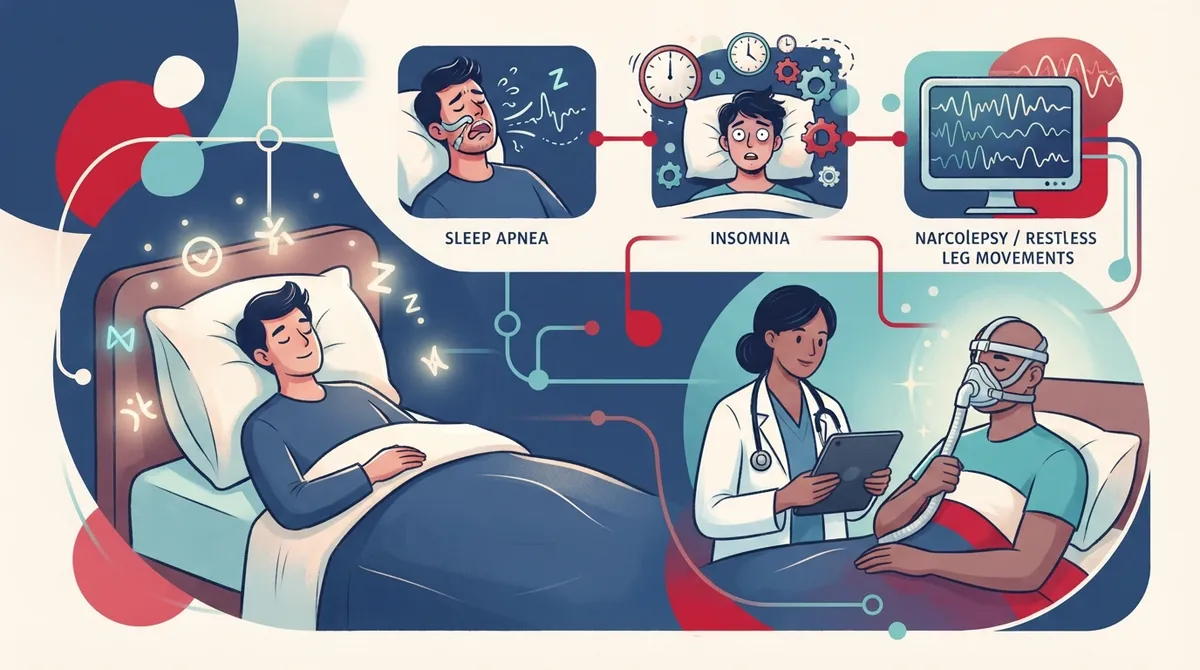
Which Sleep Problems Can Be Treated With Medical Supervision?
Many conditions affect sleep. Each needs its own approach. Common ones include:
- Obstructive sleep apnea (OSA): Breathing repeatedly pauses or becomes shallow during sleep.
- Chronic insomnia: Trouble falling asleep or staying asleep, often for weeks or months.
- Restless legs syndrome: An urge to move the legs, especially in the evening.
- Narcolepsy: Sudden, strong sleep attacks during the day.
- Parasomnias: Unusual behaviors during sleep, such as sleepwalking or acting out dreams.
These conditions can look alike on the surface. A person who feels exhausted could have sleep apnea, a thyroid problem, depression, or a medication side effect. A clinician sorts through these possibilities. Treating the wrong problem wastes time and money.
When Should You See a Clinician About Sleep?
Many people wait years before asking for help. Do not wait if you notice any of these warning signs:
- Loud, habitual snoring
- Pauses in breathing or gasping that a partner has seen
- Heavy daytime sleepiness, even after a full night in bed
- Insomnia that lasts for weeks
- Restless legs that keep you awake
- Unusual behaviors during sleep
- Trouble staying alert while driving
That last sign deserves extra care. Falling asleep at the wheel is dangerous. If drowsy driving is a concern, talk to a clinician soon.
Poor sleep can also connect to other health issues. Untreated sleep apnea is linked with high blood pressure. Poor sleep can also affect mood, weight, and blood sugar. A primary care visit lets your provider look at the whole picture. You may find our guide on 10 sleep mistakes that quietly wreck your health helpful before your appointment.
How Is Sleep Apnea Diagnosed?
Sleep apnea cannot be diagnosed by a questionnaire alone. The American Academy of Sleep Medicine (AASM) says diagnosis should follow a full sleep evaluation and objective testing. Screening quizzes can flag risk, but they cannot confirm the disorder.
Here is how the process often works:
- Comprehensive evaluation: Your clinician asks about snoring, sleepiness, medical conditions, and medications. They may check your weight, neck size, airway, and blood pressure.
- Choice of test: The provider decides whether a home test or an in-lab study fits your situation.
- Testing: You complete the sleep study.
- Results review: Your clinician explains what the data show and what to do next.
Home Sleep Apnea Test vs. In-Lab Sleep Study
There are two main testing paths. The table below compares them.
|
Feature |
Home Sleep Apnea Test |
In-Lab Polysomnography |
|---|---|---|
|
Where it happens |
In your own bed |
At a sleep center |
|
Best suited for |
Adults with suspected uncomplicated OSA |
People with complex medical conditions or other suspected sleep disorders |
|
What it measures |
Breathing-focused measures |
Brain waves, breathing, heart rhythm, oxygen, and movement |
|
Comfort |
Familiar setting |
Unfamiliar room, monitored by staff |
|
Follow-up if unclear |
May need an in-lab study |
Considered the more complete test |
AASM guidance states that a technically adequate home test can be used for appropriate adults with uncomplicated suspected OSA. If a home test is negative, inconclusive, or technically poor, but suspicion remains high, in-lab testing is recommended. In-lab testing may also be preferred when other conditions are present.
What Treatments Are Available?
Treatment depends on your diagnosis. There is no single fix for every sleep problem. A supervised plan may include one or more of the following.
Positive Airway Pressure (PAP) Therapy
For adults with obstructive sleep apnea, PAP is the most common first-line therapy. It uses a small machine and a mask to keep the airway open during sleep. AASM guidelines recommend PAP over no therapy for adults with OSA who have excessive sleepiness. They also support PAP for people with poor sleep-related quality of life or high blood pressure alongside OSA.
Two common types exist:
- CPAP: Delivers one steady pressure level.
- APAP (auto-adjusting PAP): Changes pressure as your needs shift during the night.
Success with PAP depends on more than the machine. Mask fit, education, troubleshooting, and follow-up visits all matter. Many patients quit early because of a leaky mask or dry mouth. These problems are often easy to fix with help.
Other Options
PAP is not the only path. Depending on the disorder, your care team may suggest:
- Oral appliances for some people with sleep apnea
- Lifestyle and behavior changes, such as sleep schedules and alcohol limits
- Cognitive behavioral therapy for insomnia, a structured, non-drug approach
- Medication for selected conditions, such as restless legs or narcolepsy
- Specialist referral for procedures or advanced therapies
Weight can play a role too. Excess weight can narrow the airway and worsen apnea for some people. A medically guided weight loss program may be part of a broader plan when it fits your health picture. You can also read what research shows about weight loss and sleep apnea.
Why Start With Primary Care?
A primary care provider is often the best first stop for sleep concerns. Your provider already knows your history. They can check for related issues like high blood pressure, thyroid problems, mood concerns, or side effects from medicines.
Primary care also helps you avoid delays. Your clinician can start the evaluation, order testing when appropriate, and refer you to a sleep specialist if your case is complex. After treatment starts, they can keep tracking your overall health.
This is where whole-person care helps. Sleep affects energy, heart health, weight, and mood. Treating it in isolation can miss the bigger picture. Our overview of primary care services shows how this kind of coordinated approach works. You can also learn more in fragmented care vs. coordinated care.
InCare serves patients in Tampa and Riverview with a prevention-focused model that pairs medical expertise with modern technology. If poor sleep is part of a larger health concern, our team can review your symptoms and help you plan your next step. Patients can also see what others say by reading InCare reviews on Google.
What Sleep Care Options Exist in Tampa?
Tampa has both hospital-based and independent sleep care. Search results point to several well-known options, including AdventHealth Sleep Center Tampa, Tampa General Hospital's Sleep Disorders Center, The Sleep Medicine Institute, and Tampa Pulmonary & Sleep Specialists. Services described include consultations, home or in-lab testing, and treatment or PAP support.
Details can change. Before you book, confirm these points directly with any provider:
- Whether you need a referral
- Which insurance plans they accept
- What testing options they offer
- The credentials of the clinicians
- Whether they treat your specific sleep problem, such as insomnia or restless legs
Not every center treats every disorder. A clinic that focuses on sleep apnea may not manage narcolepsy or parasomnias. Ask early so you do not lose time.
How to Prepare for Your First Sleep Visit
A little preparation makes your appointment more useful. Try these steps:
- Keep a sleep diary for one to two weeks. Note bedtime, wake time, night awakenings, naps, caffeine, and alcohol.
- Ask your bed partner what they notice. They may have seen snoring, gasping, or leg movements.
- List your medications and supplements. Some can disrupt sleep.
- Write down your symptoms. Include daytime sleepiness, headaches, mood changes, and focus problems.
- Bring your questions. Ask about testing, costs, and what follow-up will look like.
If you need help getting your records in order, see our steps for a medical records request in primary care.
Common Mistakes to Avoid
Many people make the same errors when they try to fix sleep on their own:
- Self-diagnosing with an online quiz. Quizzes cannot confirm sleep apnea.
- Buying a CPAP-style device without a diagnosis. Treatment should match a confirmed disorder.
- Quitting therapy too soon. Early problems often have simple fixes.
- Ignoring daytime sleepiness. It is a medical sign, not a personality trait.
- Assuming every sleep problem is sleep apnea. Insomnia, restless legs, and other conditions need their own care.
Good sleep care is a process. It may take a few visits to fine-tune your plan. Stay in touch with your provider so adjustments can be made.
Does Insurance Cover Sleep Studies and Treatment?
Coverage varies by plan. Many plans cover sleep studies when a clinician finds a medical need. PAP equipment is often covered too, but plans may set rules about usage and follow-up. Because details differ, call your insurer and the sleep provider before testing. Ask about copays, deductibles, and whether prior approval is needed.
Patients with Medicare may have extra questions about which services are covered. Our guide to what Medicare covers for seniors in primary care can help you get started.
Take the Next Step Toward Better Sleep
Poor sleep is not something you have to accept. Medically supervised sleep treatment in Tampa starts with a clear evaluation, uses objective testing when needed, and ends with a plan you can follow. It also includes follow-up so your treatment keeps working.
If you snore loudly, wake up gasping, feel sleepy all day, or struggle with insomnia, start with a conversation. A primary care visit can help you decide what testing or specialist care you need. Book your InCare appointment now or contact our team with questions. You can also follow health tips on Instagram, Facebook, and TikTok. Better rest may be closer than you think.
FAQs
Q: What does medically supervised sleep treatment in Tampa include?
A: It includes a clinician-led evaluation, objective testing when needed, a treatment plan matched to your diagnosis, and ongoing follow-up. Treatment may involve PAP therapy, oral appliances, behavioral therapy, lifestyle changes, or medication for selected conditions.
Q: What is the difference between a home sleep test and an in-lab sleep study?
A: A home sleep apnea test is done in your own bed and is often used for adults with suspected uncomplicated sleep apnea. An in-lab study measures more signals, including brain waves, and may be preferred for complex cases or other suspected sleep disorders.
Q: What happens if my home sleep apnea test is negative but I still have symptoms?
A: AASM guidance recommends in-lab polysomnography when a home test is negative, inconclusive, or technically inadequate and suspicion of sleep apnea remains. Talk to your clinician about repeat testing rather than ignoring ongoing symptoms.
Q: What treatments are available for sleep apnea besides CPAP?
A: Options may include auto-adjusting PAP, oral appliances, lifestyle and weight changes, and specialist evaluation for procedures. The right choice depends on your diagnosis, health history, and how you respond to therapy.
Q: Does insurance cover sleep studies and CPAP treatment in Tampa?
A: Coverage depends on your plan. Many plans cover sleep studies and PAP equipment when there is a documented medical need, but rules on referrals and usage can vary. Confirm details with your insurer and the sleep provider before testing.