Key Takeaways
- Kisspeptin-10 is not FDA-approved and remains an experimental research compound without standardized dosing, approved protocols, or completed Phase 3 trials as of 2025.
- There is no clinical evidence supporting kisspeptin-10 for general low testosterone, libido enhancement, or wellness optimization in healthy adults despite common online claims.
- A 2017 study found kisspeptin-10 promoted plaque progression in atherosclerosis models, raising significant cardiovascular safety concerns requiring further research before wider use.
- Kisspeptin-10 has been studied experimentally as an IVF trigger shot alternative to potentially reduce ovarian hyperstimulation syndrome, but this remains unproven and not used in clinical practice.
- Schedule a primary care visit with hormone testing and lab work instead of pursuing unregulated kisspeptin products; this provides safe, evidence-based diagnosis and referral to specialists when needed.
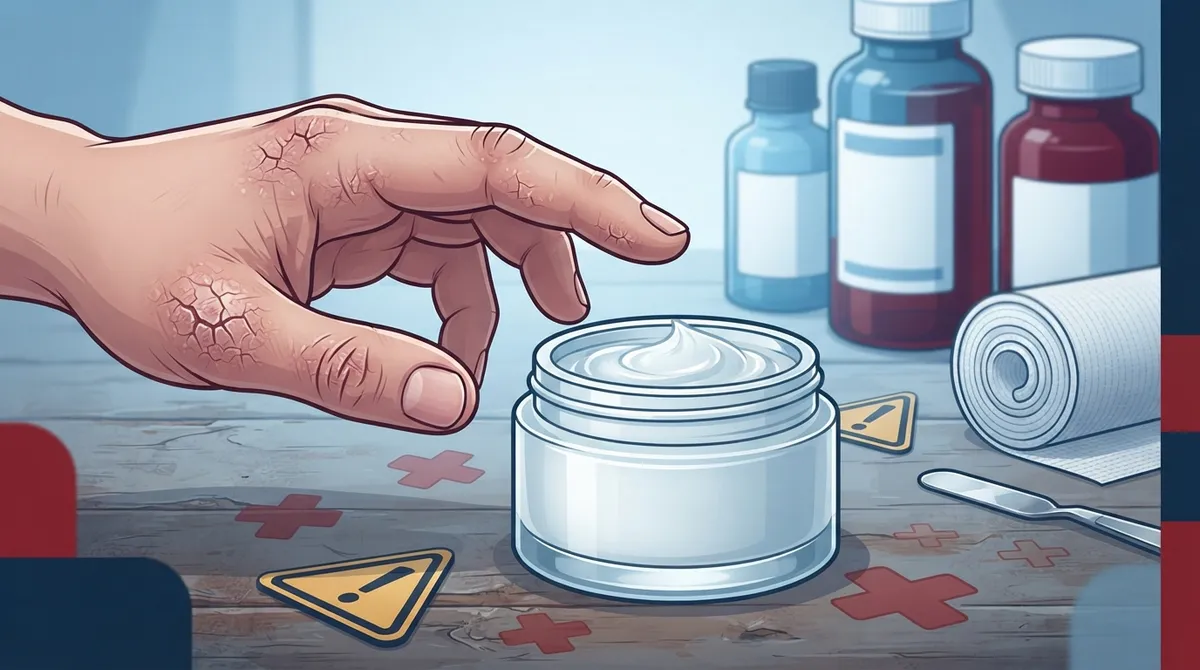
- The term 'KP-10' causes confusion between kisspeptin-10 (hormone peptide) and keratosis pilaris (skin condition managed with topical moisturizers and keratolytic ingredients).
Searching for "KP-10 treatment" online can bring up confusing results. Some people think it's a skin condition therapy. Others find articles about fertility research. The truth is more specific than either guess. KP-10 most often refers to kisspeptin-10, a small peptide fragment being studied in reproductive medicine. It is not an approved drug you can pick up at a pharmacy, and it is not a standard treatment offered in most clinics today. This article breaks down what kisspeptin-10 actually is, what science says about it, and why talking to a primary care doctor is the safest first step if you have hormone or fertility concerns. If you are exploring wellness options in Tampa or Riverview, understanding the real facts matters more than trending buzzwords.
What Is KP-10 or Kisspeptin-10?
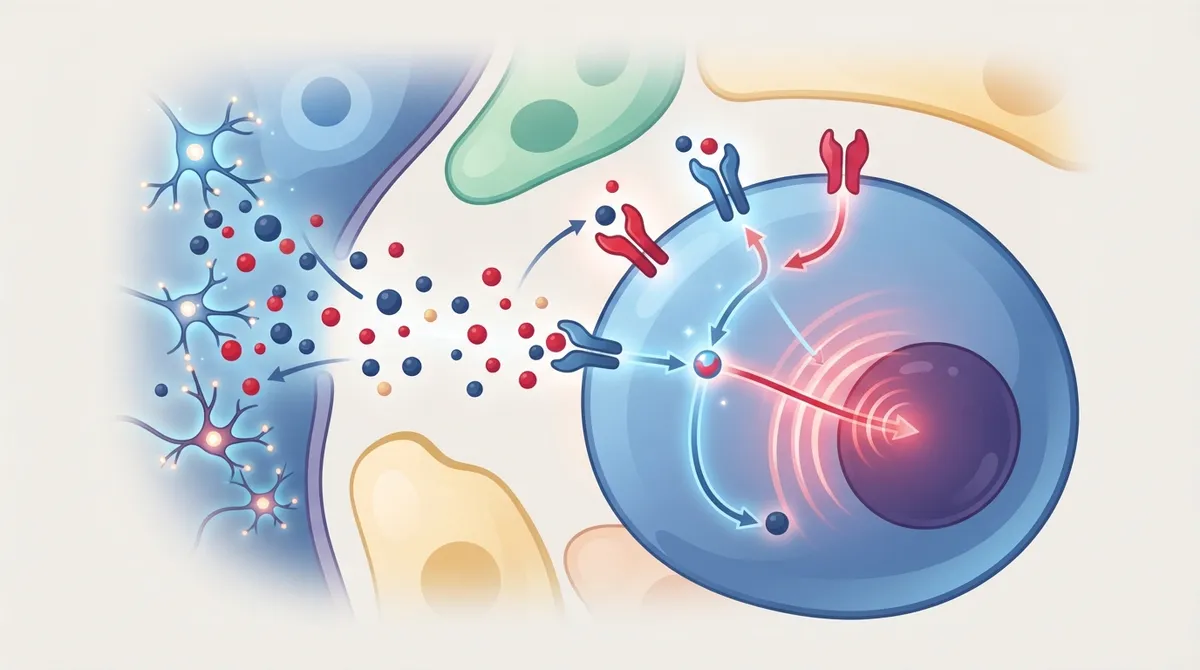
Kisspeptin-10 is a short chain of 10 amino acids. It comes from a larger hormone called kisspeptin-54. This peptide fragment activates a receptor in the brain called KISS1R, sometimes labeled GPR54. When kisspeptin-10 binds to this receptor, it triggers the release of gonadotropin-releasing hormone, or GnRH. This hormone then signals the pituitary gland to release luteinizing hormone and follicle-stimulating hormone. Both hormones play key roles in reproduction for men and women.
In simple terms, kisspeptin-10 sits near the top of a hormone chain reaction. It helps control puberty timing, ovulation, and sperm production. Because of this role, researchers have studied it closely for possible use in fertility care and hormone-related conditions.

Is Kisspeptin-10 FDA Approved?
No. Kisspeptin-10 does not have FDA approval for any medical use. There is no standardized dose, no approved injection schedule, and no official treatment protocol. Most human studies remain in early phases. Researchers call these proof-of-concept trials. They test safety and basic effects in small groups of people, not large-scale effectiveness across a population.
As of 2025, no completed Phase 3 randomized trials existed for kisspeptin-10. Phase 3 trials are the large studies required before a drug gets FDA approval. Without this step, kisspeptin-10 remains a research compound rather than a treatment option you can safely request from a doctor's office.
How Kisspeptin-10 Has Been Studied in Fertility Research
Fertility researchers have explored kisspeptin-10 as an alternative trigger shot during in vitro fertilization, or IVF. Standard IVF often uses human chorionic gonadotropin to trigger ovulation. Some scientists believe kisspeptin-10 might create a more natural hormone response. This could potentially lower the risk of ovarian hyperstimulation syndrome, a serious IVF complication.
However, this use remains experimental. It has not replaced standard IVF medications in clinical practice. Patients considering fertility treatment should discuss proven options with a licensed reproductive specialist rather than seeking out unregulated kisspeptin products.
Can Kisspeptin-10 Help With Testosterone or Libido?
This is one of the most common questions people ask. The honest answer is that evidence does not support this use yet. Some early studies have looked at pulsatile kisspeptin signaling in people with hypogonadotropic hypogonadism. This is a condition where the brain fails to send proper signals to the reproductive glands.
These studies are narrow and experimental. They do not prove kisspeptin-10 works for general low testosterone, low libido, aging concerns, or wellness optimization in healthy adults. Claims suggesting otherwise are not backed by strong clinical data. If you are dealing with low testosterone symptoms, a testosterone replacement therapy program with proper lab testing is a far more established path.
What Are the Risks of Kisspeptin-10?
Because research remains limited, the full risk profile of kisspeptin-10 is not well defined. Reported effects in study settings have included the following:
- Nausea and flushing during administration
- Injection site reactions
- Possible complications tied to fertility treatment cycles
- Unclear effects on hormone-sensitive conditions
- Unknown risks for people with existing cardiovascular disease
- Uncertain outcomes with repeated or long-term dosing
One notable concern comes from a 2017 study published in the Journal of the American Heart Association. Researchers found that kisspeptin-10 could promote plaque progression and instability in experimental models of atherosclerosis. This finding highlights the need for careful cardiovascular safety research before any wider use.
What Recent Studies Have Found
Newer research continues to explore kisspeptin-10 in different contexts, though findings remain preliminary. The table below summarizes some notable studies.
|
Study Focus |
Year |
Key Finding |
Clinical Relevance |
|---|---|---|---|
|
Airway function (mouse model) |
2023 |
Improved airway function, less remodeling |
Preclinical only, not human-ready |
|
Cartilage cell inflammation |
2025 |
Reduced senescence markers with TNF-alpha exposure |
Lab-based, not clinical evidence |
|
Atherosclerosis model |
2017 |
Promoted plaque progression and instability |
Raises cardiovascular safety concerns |
|
Reproductive-endocrine research |
Ongoing |
Stimulates GnRH, LH, and FSH release |
Basis for fertility research interest |
These findings show why kisspeptin-10 stays in the research category. Promising lab results do not always translate into safe, effective human treatments. This is a normal part of the drug development process, but it means patients should not treat kisspeptin-10 as a proven therapy today.
Does KP-10 Mean Keratosis Pilaris Treatment?
Some people search for "KP-10 treatment" thinking of keratosis pilaris, a common skin condition causing small rough bumps, often on the arms or thighs. This condition has its own ICD-10-CM code, L87.0, used by doctors and insurers for medical records and billing.
However, "KP-10" is not a standard name for a keratosis pilaris therapy. If your skin concern brought you here, it helps to know that keratosis pilaris management usually involves simple, well-studied approaches rather than any peptide injection.
Common Keratosis Pilaris Management Options
- Daily use of gentle moisturizers to reduce dryness and roughness
- Keratolytic ingredients like lactic acid to soften rough patches
- Urea-based creams to help smooth skin texture over time
- Salicylic acid products to clear built-up skin cells from hair follicles
- Avoiding harsh scrubbing, which can worsen irritation
- Consistent use over several weeks, since results vary by person
If bumps persist or worsen, a primary care visit can help rule out other skin conditions and guide you toward the right product choices for your skin type.
Comparing the Two Meanings of KP-10
Because this term causes so much confusion, a side-by-side comparison can help clear things up.
|
Feature |
Kisspeptin-10 (Hormone Peptide) |
Keratosis Pilaris (Skin Condition) |
|---|---|---|
|
ICD-10 Code |
Not applicable |
L87.0 |
|
FDA Status |
Not approved |
Not a drug; managed with topical products |
|
Primary Use |
Reproductive-endocrine research |
Skin texture management |
|
Administration |
Injection (research settings) |
Topical creams and lotions |
|
Evidence Level |
Early-phase, limited human data |
Well-established management strategies |
How Kisspeptin-10 Is Administered in Research Settings
Clinical studies have used a few different delivery methods for kisspeptin-10, including intravenous bolus doses, continuous infusions, and short-term pulsatile administration. Protocols have varied widely between studies. This inconsistency is another reason trial doses cannot be safely converted into consumer or at-home treatment plans. Without standardized dosing, there is no reliable way to predict how a given amount will affect an individual.
Steps to Take If You Have Hormone or Fertility Concerns
Rather than pursuing unregulated peptides, a structured approach through primary care offers a safer path forward.
- Schedule a comprehensive wellness visit to discuss your symptoms and health history
- Request appropriate blood work, including hormone panels when relevant
- Review your results with a physician who understands reproductive-endocrine health
- Discuss evidence-based options, such as established fertility treatments or hormone therapy
- Ask about DNA gene testing if you want deeper insight into personal health risks
- Follow up regularly to track progress and adjust your care plan as needed
This process protects you from unverified products while still addressing your health goals with real data and medical oversight.
Why Primary Care Should Be Your Starting Point
Primary care doctors act as the first line of defense for hormone and fertility questions. They can order the right lab tests, interpret results accurately, and refer you to a specialist when needed. This coordinated approach avoids the guesswork that comes with self-directed peptide use.
At InCare, our providers take a whole-body approach to wellness. This includes reviewing symptoms that might relate to hormone imbalances, ordering appropriate testing, and building a plan grounded in current medical evidence. Our team also offers weight loss programs, IV hydration therapy, and cancer screenings as part of a broader commitment to preventive health.
What Sets Trustworthy Wellness Care Apart
- Reliance on peer-reviewed research rather than internet trends
- Willingness to say when evidence is not yet strong enough for routine use
- Clear communication about FDA approval status for any treatment
- Access to lab testing and imaging to confirm diagnoses
- Coordinated referrals to specialists like reproductive endocrinologists
- Ongoing monitoring rather than one-time prescriptions
These standards apply whether you are asking about a peptide like kisspeptin-10, exploring hair restoration options, or trying to understand your body composition results.
When to See a Clinician About Hormone or Fertility Concerns
Certain symptoms deserve prompt medical attention rather than self-research alone. Consider scheduling a visit if you notice any of the following:
- Irregular or absent menstrual cycles
- Difficulty conceiving after 12 months of trying
- Low energy, reduced libido, or unexplained mood changes
- Signs of delayed or early puberty in a child
- Unexplained changes in body composition or muscle mass
A primary care visit can help sort out whether these symptoms relate to hormone signaling, thyroid function, stress, or other causes. From there, your doctor can decide whether a referral to an endocrinologist or fertility specialist makes sense.
According to the National Center for Biotechnology Information, kisspeptin research continues to expand, but clinical translation remains slow due to the need for larger safety trials. Staying informed through reputable sources, rather than social media claims, protects your health and your wallet.
Bringing It All Together
KP-10 treatment is a term that means different things depending on context. In hormone and fertility research, it points to kisspeptin-10, a promising but still experimental peptide. In dermatology, confusion sometimes arises with keratosis pilaris, a common and manageable skin condition. Neither meaning supports jumping into unregulated peptide use without medical guidance.
Patients in Tampa and Riverview looking for real answers about hormone health, fertility concerns, or skin conditions deserve care built on evidence, not trends. Our team stays current with medical literature so you don't have to sort through confusing online claims alone. You can also follow along with health tips and clinic updates on Facebook, Instagram, and TikTok for more wellness insights.
If you have questions about hormone testing, fertility planning, or general wellness goals, our primary care team is ready to help. Many patients also check out what others are saying before booking, so feel free to visit us on Google — InCare to read real reviews from people in Tampa and Riverview.
Ready to get real answers instead of guesswork? Book your appointment today and start your wellness journey with a team that puts your safety first. You can also reach out to our team with any questions before your visit.
FAQs
Q: What is KP-10 or kisspeptin-10?
A: Kisspeptin-10 is a small 10-amino-acid fragment of the hormone kisspeptin-54. It activates the KISS1R receptor in the brain, which triggers release of GnRH and downstream reproductive hormones like LH and FSH. It is primarily a research compound, not an approved medication.
Q: Is kisspeptin-10 FDA approved for any use?
A: No, kisspeptin-10 does not have FDA approval. Human studies remain in early phases without completed Phase 3 trials as of 2025. There is no standardized dose or approved treatment protocol available to patients.
Q: Can kisspeptin-10 increase testosterone or improve libido?
A: Current evidence does not support this use. Studies have focused narrowly on specific reproductive-endocrine disorders, not general testosterone or libido enhancement. Patients with these concerns should discuss established options like testosterone replacement therapy with a physician.
Q: What are the risks of kisspeptin-10 injections?
A: Reported effects in research settings include nausea, flushing, and injection site reactions. A 2017 study also raised concerns about kisspeptin-10 promoting plaque instability in atherosclerosis models, highlighting the need for cardiovascular safety research.
Q: Does KP-10 mean keratosis pilaris treatment?
A: Not typically. Keratosis pilaris has its own medical code, L87.0, and is usually managed with moisturizers and keratolytic ingredients like lactic acid or urea. "KP-10" is not a standard name for keratosis pilaris therapy, so it helps to clarify which condition you mean before seeking treatment.