Key Takeaways
- Kisspeptin deficiency is not a standalone diagnosis but rather describes impaired signaling in the brain's reproductive hormone chain; doctors instead diagnose the broader condition hypogonadotropic hypogonadism since no standardized blood test for kisspeptin exists.
- Most kisspeptin signaling problems result from acquired causes like inadequate calorie intake, excessive exercise, chronic stress, and thyroid issues rather than genetic mutations, making lifestyle interventions often effective for restoring hormone function.
- Symptoms vary by age and sex: infants may show micropenis, children experience delayed puberty, and adults present with irregular periods (women) or low testosterone symptoms (men), with both sexes experiencing low libido and reduced bone density.
- Primary care providers diagnose kisspeptin problems through sequential testing of LH, FSH, sex hormone levels, prolactin, and thyroid function, reserving genetic DNA testing and endocrinologist referral for cases where initial results show persistent abnormalities.
- Kisspeptin-based medications remain investigational and are not yet integrated into standard infertility treatment protocols, while conventional therapies like pulsatile GnRH and gonadotropin injections effectively treat even genetically-caused kisspeptin deficiency.
- A 2024 study found that 87 cases of congenital hypogonadotropic hypogonadism reversed spontaneously, demonstrating that conditions once considered permanent can recover reproductive function with proper treatment of underlying causes.
Delayed puberty, unexplained infertility, and irregular periods often trace back to hormone signals deep in the brain. One of the most important of these signals is kisspeptin, a chemical messenger that tells the body when to start and continue reproductive function. When this signal is weak or missing, doctors call the broader pattern kisspeptin deficiency, though the medical reality is more nuanced. Understanding this condition can help you recognize symptoms early and know when to seek care from a primary care provider or specialist.
At InCare, patients in Tampa and Riverview turn to our team for help sorting out confusing hormone symptoms, from fatigue to fertility concerns. This guide breaks down what kisspeptin deficiency means, what symptoms to watch for, and how primary care fits into diagnosis and treatment. We will also cover current research, testing options, and when it makes sense to see an endocrinologist.
What Is Kisspeptin and Why Does It Matter?
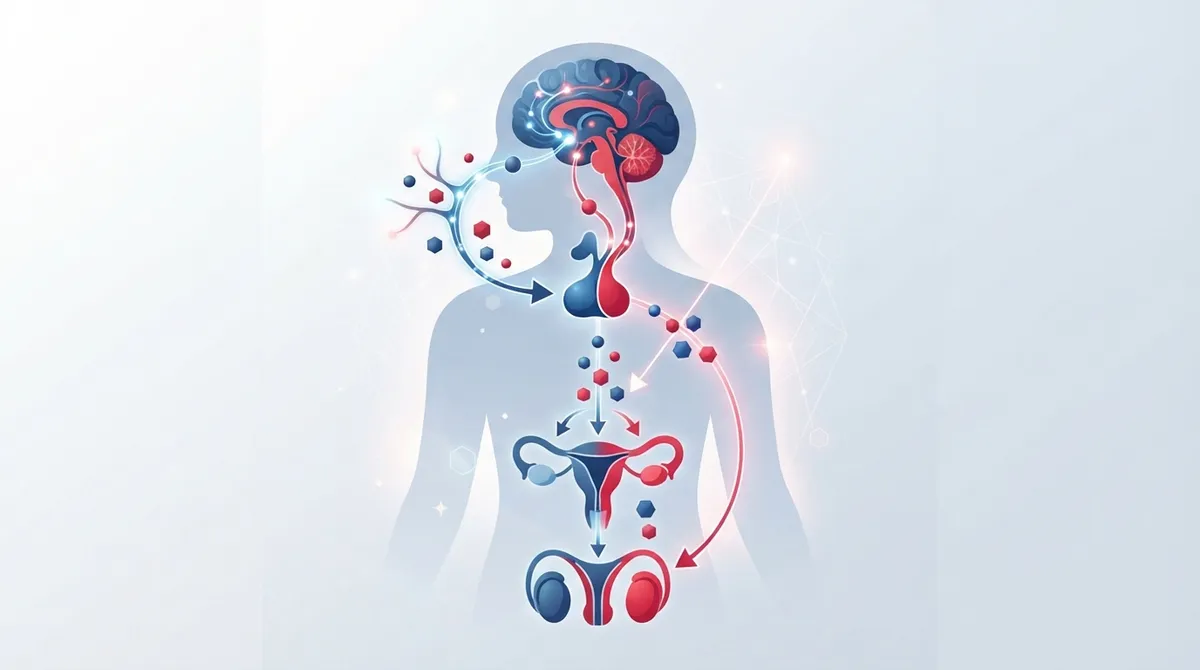
Kisspeptin is a small protein made in the brain. It comes from a gene called KISS1. This protein acts like a switch that turns on another hormone called GnRH, or gonadotropin-releasing hormone.
GnRH then triggers the release of two more hormones: luteinizing hormone (LH) and follicle-stimulating hormone (FSH). These two hormones control puberty, periods, ovulation, sperm production, and overall reproductive health. Without a strong kisspeptin signal, this entire chain reaction can stall.
- Kisspeptin starts the hormone chain that leads to puberty and fertility.
- It activates a receptor called KISS1R in the brain.
- This receptor then triggers GnRH release.
- GnRH controls LH and FSH, the hormones that drive reproductive function.
- Problems anywhere in this chain can affect periods, sperm counts, and sexual development.

Is Kisspeptin Deficiency a Real Diagnosis?
Here is something important to understand. Doctors do not currently diagnose isolated kisspeptin deficiency as a standalone condition in routine care. There is no simple blood test that measures kisspeptin levels and confirms a shortage.
Instead, the term is used more broadly to describe cases where the kisspeptin-to-GnRH signal is not working properly. This usually shows up as a condition called hypogonadotropic hypogonadism. This is a fancy way of saying the brain is not sending enough signal to the reproductive organs.
Primary care providers focus on identifying this broader pattern rather than searching for kisspeptin itself. If you are dealing with delayed puberty, missed periods, low libido, or fertility struggles, your doctor will likely test for related hormone levels instead of kisspeptin directly.
Common Symptoms by Age and Sex
Symptoms of low kisspeptin signaling look different depending on your age and biological sex. Recognizing these patterns early can lead to faster diagnosis and treatment.
|
Group |
Common Symptoms |
|---|---|
|
Infant boys |
Micropenis, undescended testicles |
|
Children and teens |
Delayed or absent puberty, no growth spurt |
|
Adult women |
Missed or irregular periods, low estrogen symptoms, infertility |
|
Adult men |
Low testosterone symptoms, erectile dysfunction, reduced muscle mass |
|
Both sexes |
Low libido, reduced bone density, fatigue, infertility |
What Causes Kisspeptin Signaling Problems?
There are two broad categories of causes: genetic and acquired. Both require different approaches to management.
Genetic Causes
Rare mutations in the KISS1 or KISS1R genes can cause a lifelong condition called congenital hypogonadotropic hypogonadism (CHH). This condition often shows up as absent puberty and infertility. A 2025 case report described three brothers with a rare KISS1 mutation that caused complete loss of the kisspeptin protein. All three showed signs of hormone deficiency from birth and never developed puberty on their own.
KISS1R-related disease usually follows an autosomal-recessive inheritance pattern. This means both parents must carry the gene for a child to be affected. Some cases occur alongside a loss of smell, known as anosmia, while others do not.
Acquired Causes
More often, primary care providers see cases caused by lifestyle and health factors rather than genetics. These include:
- Not eating enough calories for your activity level
- Excessive exercise, especially in competitive athletes
- Very low body weight or rapid weight loss
- High stress levels over long periods
- Chronic illness or metabolic disturbances
- Certain medications that affect hormone production
- Thyroid problems or elevated prolactin levels
This pattern is sometimes called functional hypothalamic amenorrhea in women or relative energy deficiency in sport. Both are common concerns for athletes and highly active individuals who may not be fueling their bodies properly.
How Doctors Diagnose the Underlying Problem
Since there is no standard kisspeptin blood test, primary care doctors focus on a broader diagnostic approach. This process usually happens in a step-by-step order.
- Take a detailed history of growth, puberty timing, periods, diet, exercise habits, and family history
- Check morning testosterone or estrogen levels
- Test LH and FSH hormone levels
- Run a pregnancy test if relevant
- Check prolactin levels, since high prolactin can suppress reproductive hormones
- Test thyroid function
- Order additional tests based on specific symptoms
If these results reveal a persistent hormone imbalance, your provider may recommend a DNA gene testing panel to check for inherited conditions. This can help identify whether a genetic cause like a KISS1R mutation is contributing to your symptoms.
Kisspeptin Stimulation Testing: An Emerging Tool
Researchers are exploring a specialized test called kisspeptin stimulation testing. This test measures how the body responds to a kisspeptin injection, checking whether LH and FSH rise afterward.
A 2025 review found that most patients with congenital hypogonadotropic hypogonadism show a very low or absent LH and FSH response after kisspeptin stimulation. This suggests the test could eventually help distinguish CHH from constitutional delay of puberty, a normal variation where puberty simply starts later than average.
However, this test remains a research tool used mainly at specialized centers. It is not yet part of standard primary care testing, and blood kisspeptin measurement itself is not standardized enough for general screening.
Treatment Options: What Actually Works
Treatment depends entirely on the root cause. There is no one-size-fits-all approach, which is why working with an experienced primary care team matters.
Addressing Reversible Causes
Many cases improve once the underlying trigger is corrected. This might include:
- Increasing calorie intake to match energy needs
- Reducing excessive exercise volume
- Managing chronic stress through therapy or lifestyle changes
- Adjusting medications that interfere with hormone production
- Treating thyroid disorders or high prolactin levels
A 2024 international study identified 87 cases where congenital hypogonadotropic hypogonadism reversed itself across six referral centers. This shows that even conditions once thought to be permanent can sometimes recover reproductive function later in life.
Medical Treatment Options
When lifestyle changes are not enough, specialists may recommend:
- Sex-steroid replacement therapy to induce puberty or manage symptoms
- Bone health monitoring and support, since low sex steroids increase fracture risk
- Pulsatile GnRH therapy to restore natural hormone rhythms
- Gonadotropin injections to support fertility goals
Kisspeptin-based medications themselves remain investigational. A 2025 review of kisspeptin therapeutics found that clinical protocols for infertility treatment have not yet been established. Kisspeptin has not been integrated into standard IVF care because researchers are still studying its safety and effectiveness.
Current Research on Kisspeptin Therapy
Clinical research in this area is still early-stage but growing. A 2024 review listed several ongoing studies, including one with 24 participants testing prolonged pulsatile kisspeptin for hypogonadotropic hypogonadism, another with 50 participants studying subcutaneous administration, and a larger study involving 128 participants.
Interestingly, patients with KISS1R gene defects can often still respond well to conventional treatments like pulsatile GnRH or gonadotropin therapy. This finding, first linked back to 2003 when KISS1R mutations were first connected to hypogonadotropic hypogonadism, means genetic causes do not necessarily rule out effective treatment.
When Should You See a Specialist?
Primary care providers play a critical role in catching early warning signs and ruling out common, reversible causes. However, some situations call for a referral to an endocrinologist.
- Puberty has not started by expected age milestones
- Periods have stopped for three months or more without pregnancy
- Sex hormone levels remain abnormally low after initial treatment
- Fertility struggles persist despite lifestyle changes
- Genetic testing reveals a KISS1 or KISS1R mutation
- Symptoms suggest a pituitary or thyroid disorder needing specialized care
Your provider team can coordinate this referral process while continuing to manage your overall health. This kind of coordinated care often leads to faster answers than trying to navigate multiple specialists on your own.
Why Whole-Body Wellness Matters for Hormone Health
Hormone signaling does not exist in isolation. Nutrition, stress, sleep, and metabolic health all influence how well your body produces and responds to reproductive hormones. This is why a comprehensive approach works better than treating symptoms alone.
Services like body composition analysis and metabolic breath analysis can help identify whether low body fat, poor nutrition, or metabolic imbalances are contributing to hormone problems. These tools give your care team real data instead of guesswork.
For patients managing weight-related hormone issues, a structured weight loss program supervised by medical professionals can help restore healthy energy balance without the extreme calorie restriction that sometimes triggers hormone suppression in the first place.
Finding Care in Tampa and Riverview
If you suspect a hormone imbalance is affecting your health, do not wait to get answers. InCare offers convenient locations in Tampa and Riverview, Florida, with providers experienced in evaluating complex hormone symptoms.
Patients consistently share positive experiences with our team. You can visit us on Google — InCare to read reviews from real patients about their care experience. We also share health tips and patient stories on Facebook, Instagram, and TikTok for those who want ongoing wellness education.
Take the Next Step Toward Answers
Kisspeptin deficiency is a complex topic, but you do not have to figure it out alone. Whether you are dealing with delayed puberty, irregular periods, low testosterone symptoms, or fertility concerns, a thorough evaluation can uncover the real cause and guide effective treatment.
Our team at InCare combines advanced testing with a personalized approach to help you understand what is happening in your body. Ready to get started? Book your appointment today and take the first step toward restoring your hormone health.
FAQs
Q: What is kisspeptin deficiency?
A: Kisspeptin deficiency refers to impaired signaling between kisspeptin and its receptor, which disrupts the hormone chain controlling puberty and fertility. It is not a standalone diagnosis but rather part of a broader condition called hypogonadotropic hypogonadism.
Q: What are the symptoms of low kisspeptin in women and men?
A: Women may experience missed or irregular periods, low estrogen symptoms, and infertility. Men often notice low testosterone symptoms, erectile dysfunction, and reduced muscle mass. Both sexes may have low libido and reduced bone density.
Q: Is there a blood test for kisspeptin deficiency?
A: There is no standardized blood test for kisspeptin levels used in routine primary care. Instead, doctors test related hormones like LH, FSH, testosterone, estrogen, prolactin, and thyroid function to identify the underlying signaling problem.
Q: Can stress, dieting, or excessive exercise reduce kisspeptin signaling?
A: Yes. Inadequate calorie intake, intense exercise, low body weight, and chronic stress can all suppress kisspeptin signaling. This pattern is often called functional hypothalamic amenorrhea or relative energy deficiency in sport.
Q: When should someone with delayed puberty or amenorrhea see an endocrinologist?
A: You should seek specialist care if puberty has not started by expected age, periods stop for three months or more, hormone levels stay low despite treatment, or genetic testing reveals a KISS1 or KISS1R mutation.