
Key Takeaways
- Kisspeptin remains investigational with no FDA approval in the US; the FDA's Pharmacy Compounding Advisory Committee voted 0-11 against kisspeptin-10 compounding in 2024 due to safety, purity, and manufacturing concerns.
- Early research shows kisspeptin may help trigger egg maturation in IVF with potentially lower ovarian hyperstimulation syndrome risk than standard hCG, but it is not yet a standard replacement protocol in fertility clinics.
- A 2023 human study found kisspeptin did not change appetite or food intake in women with obesity, contradicting wellness marketing claims about weight loss benefits seen only in animal studies.
- Long-term safety effects of kisspeptin remain unknown; most trials were small, short-term, and closely monitored, so real-world risks like receptor desensitization and hormone disruption are not well understood.
- Kisspeptin may help restore hormone signaling in functional hypothalamic amenorrhea, but treating root causes like stress, low body weight, and exercise habits remains essential for lasting recovery.
- Compounded kisspeptin products carry serious risks including unknown purity, dosage inaccuracy, peptide impurities, and immunogenic reactions; patients should only explore kisspeptin through licensed medical providers in research settings.
Kisspeptin has become a hot topic in fertility and hormone health circles. Patients searching online often ask about its role in reproductive health, testosterone levels, and even weight loss. But separating solid science from wellness hype matters when it comes to your hormones.
This article breaks down what kisspeptin actually does in the body, where the research stands today, and why it remains a strictly investigational compound in the United States. Whether you are exploring fertility options, managing a hormone imbalance, or simply curious about the latest peptide trends, understanding the real benefits and risks helps you make safer choices. At InCare, our providers in Tampa and Riverview believe informed patients make better health decisions, especially when it comes to unproven or compounded therapies.

What Is Kisspeptin and How Does It Work?
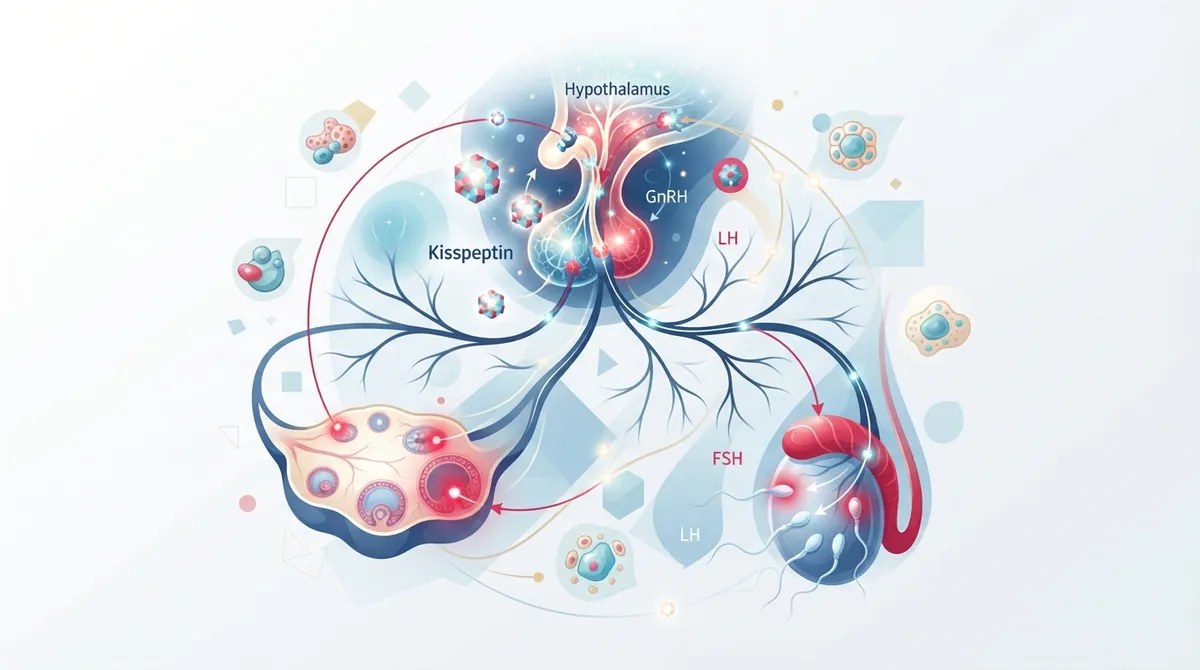
Kisspeptin is a natural hormone made in your body. It comes from a gene called KISS1. This hormone acts like a messenger, sending signals to a part of your brain called the hypothalamus.
When kisspeptin binds to its receptor, known as KISS1R or GPR54, it turns on neurons that release gonadotropin-releasing hormone, or GnRH. This chain reaction controls your reproductive hormone system, often called the hypothalamic-pituitary-gonadal axis. In simple terms, kisspeptin helps kickstart the hormone signals your body needs for fertility and sexual development.
The Science Behind Kisspeptin's Hormone Effects
Studies show kisspeptin can raise levels of luteinizing hormone (LH) and follicle-stimulating hormone (FSH). In men, it can also increase testosterone. These findings make kisspeptin interesting to researchers studying hypogonadism and other reproductive conditions.
The first human study using kisspeptin happened back in 2005. Researchers gave healthy men a form called kisspeptin-54. They found that higher doses led to bigger increases in LH. Testosterone and FSH also rose, though not always in a dose-dependent way.
Potential Benefits of Kisspeptin in Reproductive Health
Most kisspeptin research focuses on fertility and hormone balance. Here are the main areas where scientists see potential:
- Helping restore hormone signals in some women with functional hypothalamic amenorrhea
- Supporting oocyte maturation during IVF treatment cycles
- Acting as a possible tool for diagnosing certain types of hypogonadism
- Offering a lower-risk trigger option for women at high risk of ovarian hyperstimulation syndrome
- Providing researchers a way to study GnRH neuron function more closely
A 2025 systematic review looked at 33 kisspeptin clinical trial records. Of those, 29 interventional studies met strict criteria for review. This shows growing scientific interest, but it also confirms the evidence base is still developing.
Kisspeptin's Role in IVF and Fertility Treatment
One of the most promising uses for kisspeptin is in IVF protocols. Doctors sometimes use it to trigger the final maturation step for eggs. This matters most for women who face a higher risk of ovarian hyperstimulation syndrome, a painful and sometimes dangerous complication.
In one study of 60 high-risk women, kisspeptin triggered oocyte maturation safely. No cases of moderate, severe, or critical ovarian hyperstimulation syndrome were reported. This is encouraging, but kisspeptin is not yet a standard replacement for human chorionic gonadotropin (hCG) in most fertility clinics.
Support for Hypothalamic Amenorrhea
Functional hypothalamic amenorrhea happens when periods stop due to stress, low body weight, or too much exercise. Some early studies suggest kisspeptin may help restore normal hormone signaling in these patients.
However, treating the root cause still matters most. This means addressing energy intake, exercise habits, stress levels, and any underlying eating disorders. Kisspeptin alone is not a fix for these deeper issues.
Kisspeptin Benefits vs Risks: A Quick Comparison
|
Category |
Potential Benefit |
Known Risk or Limitation |
|---|---|---|
|
Male Hormone Health |
May raise LH, FSH, and testosterone |
Not FDA-approved; long-term effects unknown |
|
Female Fertility |
May trigger oocyte maturation with lower OHSS risk |
Not a standard IVF replacement protocol |
|
Hypothalamic Amenorrhea |
May help restore hormone signaling |
Limited evidence; underlying causes must be treated |
|
Weight or Appetite |
Animal studies suggested appetite effects |
2023 human study found no change in appetite or food intake |
|
General Wellness Use |
None established |
No FDA approval; compounding concerns flagged by regulators |
What Are the Risks and Side Effects of Kisspeptin?
Short-term studies have generally shown good tolerability. Most trials found no major increase in nausea, blood pressure changes, or heart rate compared to placebo. However, these studies were small and closely monitored, so results may not reflect real-world use.
Potential risks include:
- Excessive or poorly timed hormone surges that disrupt normal cycles
- Altered ovulation or menstrual timing in women
- Injection-site reactions such as redness or swelling
- Hot flashes or other temporary hormonal symptoms
- Possible ovarian hyperstimulation in fertility settings
- Reduced response over time due to receptor desensitization, known as tachyphylaxis
Because most trials were short-term, we simply do not know enough about long-term safety. This is a key reason why kisspeptin should only be used under specialist supervision in research or clinical trial settings.
Why Kisspeptin Is Not FDA-Approved
As of 2026, kisspeptin has no FDA-approved product or indication in the United States. This means no pharmacy can legally sell an approved kisspeptin drug for any condition.
Compounded versions, especially kisspeptin-10, have drawn specific concern from regulators. In 2024, the FDA's Pharmacy Compounding Advisory Committee voted 0 in favor and 11 opposed to placing kisspeptin-10 on the approved bulk-drug substances list. This near-unanimous rejection reflects serious worries about safety and efficacy data.
Compounding Concerns Patients Should Know
The FDA has raised several red flags about compounded kisspeptin-10, including:
- Limited safety and efficacy evidence from human trials
- Risk of immunogenicity, meaning the body may react against the peptide
- Peptide impurities from inconsistent manufacturing processes
- Poor characterization of the active pharmaceutical ingredient
- Insufficient information about safe routes of administration
These concerns mean that kisspeptin should never be marketed as an anti-aging, weight-loss, or testosterone-boosting wellness product. Doing so ignores real safety gaps that regulators have clearly identified.
Common Myths About Kisspeptin
Wellness marketing sometimes overstates what kisspeptin can do. Here are some myths worth clearing up:
- Myth: Kisspeptin helps with weight loss. A 2023 study gave women with overweight or obesity a two-hour IV infusion of kisspeptin-54. Researchers found no change in appetite or food intake. Animal studies showed different results, but this has not held up in humans.
- Myth: Kisspeptin is a proven anti-aging treatment. No clinical evidence supports this claim. The FDA has not approved kisspeptin for any anti-aging use.
- Myth: All kisspeptin products work the same way. Researchers have studied several related compounds, including kisspeptin-10, kisspeptin-54, TAK-683, and TAK-448. These are not interchangeable in terms of safety, strength, or effects.
- Myth: Kisspeptin is legal to buy from any compounding pharmacy. Regulatory action in 2024 specifically opposed adding kisspeptin-10 to the approved compounding list, citing safety concerns.
Who Should Avoid Kisspeptin?
Given the current evidence, certain groups should be especially cautious:
- Pregnant or breastfeeding individuals, due to unknown effects on hormone regulation
- People with hormone-sensitive conditions, such as certain cancers
- Anyone considering it for unproven uses like general anti-aging or muscle building
- Patients without access to specialist monitoring during use
- Individuals seeking compounded versions outside a controlled research setting
If you have questions about your hormone health, a conversation with a qualified primary care provider is a safer starting point than trying an unregulated peptide.
How InCare Approaches Hormone and Wellness Care
At InCare, we focus on evidence-based approaches to hormone health, fertility support, and whole-body wellness. Our providers, including Dr. Naveen Paddu, Dr. Pramjeet Ahluwalia, and Dr. Teshy John, help patients across Tampa and Riverview understand their options with clarity and care.
Instead of jumping to unproven peptides, our team offers services grounded in solid research. These include DNA gene testing to understand your unique health risks, body composition analysis to track real progress, and medically supervised weight loss programs that rely on proven methods rather than trendy shortcuts.
Why Choose a Licensed Clinic Over Unregulated Sources
Buying peptides online from unregulated sources carries real risk. You cannot verify purity, dosage accuracy, or manufacturing standards. A licensed clinic offers oversight that protects your health.
Numbered steps to protect yourself when exploring hormone therapies:
- Always consult a licensed medical provider before starting any peptide or hormone therapy
- Ask whether the treatment has FDA approval or is still investigational
- Request full transparency about sourcing and manufacturing standards
- Discuss your full medical history, including any hormone-sensitive conditions
- Set clear expectations about realistic outcomes based on current research
- Schedule regular follow-up visits to monitor for side effects
Our team at InCare also offers peptide therapy consultations in Tampa for patients interested in evidence-supported options, always with proper medical guidance.
Kisspeptin Research Timeline: Key Milestones
|
Year |
Milestone |
|---|---|
|
2005 |
First human study using kisspeptin-54 infusion in healthy men |
|
2023 |
Study found no appetite changes in women with overweight or obesity |
|
2024 |
FDA Pharmacy Compounding Advisory Committee voted 0-11 against kisspeptin-10 compounding |
|
2025 |
Systematic review analyzed 33 clinical trial records; 29 met inclusion criteria |
|
2026 |
Kisspeptin remains investigational with no FDA-approved product in the U.S. |
Talk to a Doctor Before Trying Any Peptide Therapy
Hormone health is personal, and what works for one person may not work for another. Before considering kisspeptin or any similar peptide, talk with a provider who understands your full health picture. Our team can help you weigh realistic benefits against known risks, and guide you toward proven options if fertility or hormone concerns are on your mind.
You can also follow our latest health updates on Facebook or check out wellness tips on Instagram and TikTok for more practical health guidance from our clinical team.
Frequently Asked Questions About Kisspeptin
Curious what other patients are asking? Here is a closer look at common questions about kisspeptin benefits and risks.
Get Expert Guidance on Hormone Health Today
Understanding kisspeptin benefits and risks means separating hopeful research from proven, approved treatment. Our providers at InCare in Tampa and Riverview are ready to discuss your hormone health goals with honesty and expertise. See what patients say about their experience by visiting our InCare location on Google, where we maintain a strong reputation for compassionate, evidence-based care.
Ready to talk with a provider about your fertility or hormone concerns? Reach out to our care team today or book your appointment now to get started on a personalized, medically sound plan.
FAQs
Q: What is kisspeptin and how does it affect reproductive hormones?
A: Kisspeptin is a natural hormone that activates GnRH neurons in the brain, triggering the release of LH and FSH. These hormones regulate reproductive function in both men and women, making kisspeptin an important area of fertility research.
Q: Can kisspeptin increase testosterone in men with hypogonadism?
A: Early studies show kisspeptin can raise testosterone levels by stimulating LH production. However, this remains investigational, and no FDA-approved kisspeptin product exists for treating hypogonadism.
Q: Is kisspeptin used in IVF, and can it reduce ovarian hyperstimulation syndrome?
A: Yes, researchers have studied kisspeptin as a trigger for oocyte maturation in IVF, particularly for women at high risk of ovarian hyperstimulation syndrome. Early results suggest a potentially lower OHSS risk than standard hCG triggers, though it is not yet a routine replacement.
Q: Is kisspeptin FDA-approved or legal to obtain from a compounding pharmacy?
A: Kisspeptin has no FDA-approved product or indication in the United States. In 2024, an FDA advisory committee voted overwhelmingly against adding kisspeptin-10 to the approved compounding list due to safety and quality concerns.
Q: Can kisspeptin help with weight loss or appetite control?
A: A 2023 human study found that kisspeptin infusion did not change appetite or food intake in women with overweight or obesity. This means promising results seen in animal studies have not been confirmed in people.