Key Takeaways
- Retatrutide is still investigational and not FDA-approved; it's only available through clinical trials, so avoid unregulated online products claiming to be retatrutide.
- In a phase 2 trial, the highest 12 mg dose produced average weight loss of 24.2% after 48 weeks, with 100% of participants losing at least 5% body weight.
- For a person starting at 200 pounds, 24.2% weight loss translates to approximately 48 pounds, though individual results vary based on starting weight and personal factors.
- Retatrutide targets three hormone receptors (GIP, GLP-1, glucagon) versus one or two for approved alternatives like semaglutide and tirzepatide, potentially explaining stronger early results.
- Common side effects include nausea, diarrhea, vomiting, and constipation, typically increasing at higher doses but manageable through gradual dose escalation.
- Medical supervision is essential; a qualified provider should evaluate your health history, monitor side effects, and combine medication with lifestyle changes for safe, sustainable results.
If you have searched for how much weight loss retatrutide can produce, you have likely seen bold claims online. Some posts promise dramatic transformations in just weeks. But the real story is more nuanced, and it matters for anyone thinking seriously about medical weight loss. Retatrutide is an investigational drug still being studied in clinical trials. It is not yet approved for everyday use, and understanding its actual results can help you make smarter choices about your health.
This guide breaks down what the science actually shows about retatrutide, how it compares to approved options like semaglutide and tirzepatide, and what a safe, medically supervised approach to weight loss looks like. Whether you are a busy parent managing your family's health or someone exploring advanced wellness options, this information will help you separate fact from hype. For personalized guidance, the team at InCare offers medical weight loss programs in Tampa and Riverview built on proven, physician-supervised care.
What Is Retatrutide and How Does It Work?
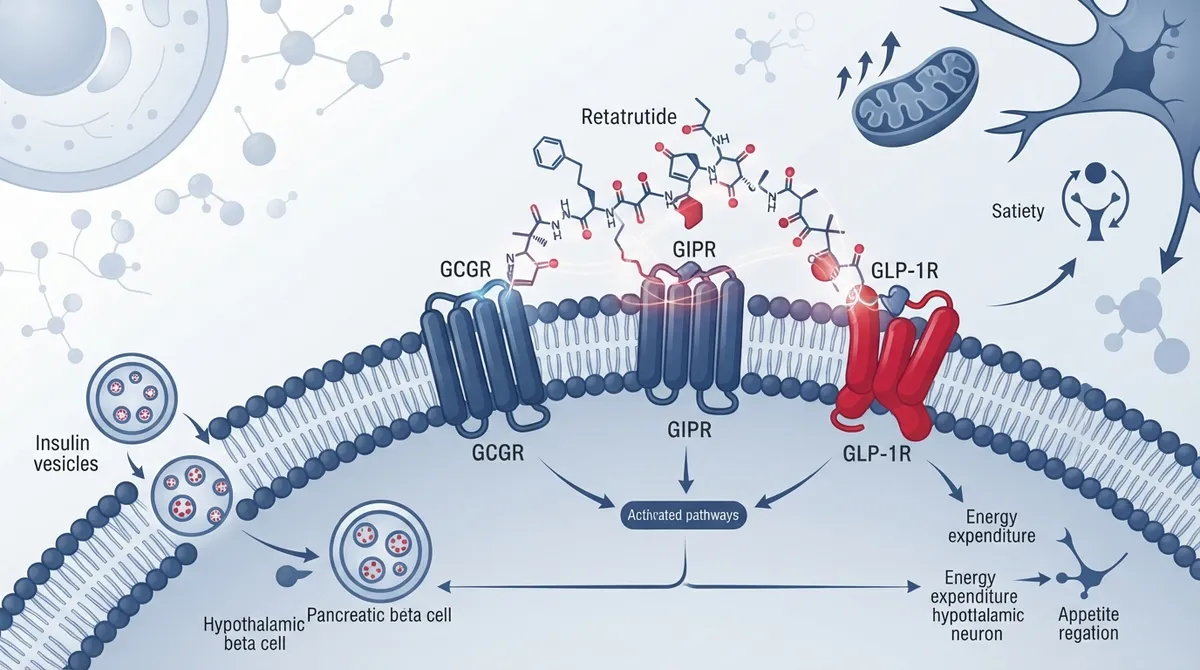
Retatrutide is a once-weekly injectable drug still being tested in clinical trials. It works differently than many older weight loss drugs. Instead of targeting one hormone, it activates three separate receptors in your body: GIP, GLP-1, and glucagon.
These three hormones each play a role in hunger, blood sugar, and how your body burns energy. By working on all three at once, researchers believe retatrutide may produce stronger results than single-target drugs. This is sometimes called a "triple agonist" approach.
It is important to understand that retatrutide is not yet approved by the FDA for weight loss. It remains in the research phase, meaning it is only available through clinical trials at this time.
How Much Weight Loss Does Retatrutide Produce?
The most detailed data comes from a phase 2 clinical trial published in The New England Journal of Medicine in 2023. This study followed adults with obesity or overweight, without diabetes, for 48 weeks. Participants also received lifestyle counseling alongside the medication.
The results were dose-dependent, meaning higher doses generally led to greater weight loss. Here is what the trial found after 48 weeks:
|
Dose |
Average Weight Loss at 48 Weeks |
Average Weight Loss at 24 Weeks |
|---|---|---|
|
Placebo |
2.1% |
1.6% |
|
1 mg |
8.7% |
7.2% |
|
4 mg (combined group) |
17.1% |
12.9% |
|
8 mg (combined group) |
22.8% |
17.3% |
|
12 mg (highest dose) |
24.2% |
17.5% |
Notice that weight loss was still climbing at the 48-week mark for the 12 mg group. This suggests results may continue to improve with longer treatment, though this needs further study. It also means you should not expect the full effect right away.
What Does 24.2% Weight Loss Look Like in Pounds?
Percentages can feel abstract. Let's translate them into real numbers using simple math. Remember, these are illustrative examples only. Your own results depend on your starting weight, health history, and how your body responds.
- A person starting at 150 pounds losing 24.2% would lose about 36 pounds.
- A person starting at 200 pounds losing 24.2% would lose about 48 pounds.
- A person starting at 250 pounds losing 24.2% would lose about 60 pounds.
The average participant in the 12 mg group lost about 58 pounds, or roughly 26.2 kilograms. Again, this is a group average, not a guarantee for any one person.
How Many People Reached Meaningful Weight Loss Goals?
Doctors often look at how many patients hit specific weight loss milestones, not just the average. This tells a fuller story about how consistent the results were across the group.
|
Weight Loss Milestone |
4 mg Group |
8 mg Group |
12 mg Group |
Placebo |
|---|---|---|---|---|
|
At least 5% |
92% |
100% |
100% |
27% |
|
At least 10% |
75% |
91% |
93% |
9% |
|
At least 15% |
60% |
75% |
83% |
2% |
In the 12 mg group, every single participant lost at least 5% of their body weight. That is a strong signal of effectiveness. But these numbers come from a controlled trial with lifestyle support, close monitoring, and screened participants. Real-world results outside a research setting can look different.
Retatrutide vs. Semaglutide vs. Tirzepatide: A Quick Comparison
Many patients ask how retatrutide compares to approved treatments already used in medical weight loss programs. Here is a general comparison based on how each drug works and what is currently known.
|
Feature |
Semaglutide |
Tirzepatide |
Retatrutide |
|---|---|---|---|
|
FDA Status |
Approved |
Approved |
Investigational |
|
Hormone Targets |
GLP-1 (one) |
GLP-1 and GIP (two) |
GLP-1, GIP, and glucagon (three) |
|
Dosing |
Once weekly |
Once weekly |
Once weekly |
|
Typical Trial Weight Loss |
Up to about 15% |
Up to about 20% |
Up to 24.2% |
|
Availability |
Widely available |
Widely available |
Clinical trials only |
Retatrutide's early results are impressive on paper. But approved options like semaglutide and tirzepatide have years of real-world safety data behind them. You can learn more in our guide on semaglutide vs. tirzepatide to understand how these current options compare.
Common Side Effects Reported in Trials
Like other drugs in this class, retatrutide comes with side effects. Most were related to the digestive system and tended to increase at higher doses. Researchers used gradual dose increases to help reduce discomfort.
- Nausea, especially when starting or increasing the dose
- Diarrhea
- Vomiting
- Constipation
- Mild to moderate stomach discomfort
- Reduced appetite, which is part of how the drug works
These side effects are common across the entire class of GLP-1 based medications. If you are already using an approved option, our article on managing gastrointestinal side effects offers practical tips that may help.
Is Retatrutide Available Right Now?
No. Retatrutide is not FDA approved. It remains in clinical trials, and researchers are still studying its long-term safety and effectiveness. You cannot get a legitimate prescription for it at a pharmacy today.
Be cautious of products sold online claiming to be retatrutide. These are not verified by regulators and could pose serious health risks. Compounded or gray-market versions may not contain what they claim, and dosing could be unsafe.
Who Can Access Retatrutide Today?
The only reliable way to try retatrutide right now is through an approved clinical trial. Here is what that process generally looks like:
- Find an active clinical trial studying retatrutide through a research registry or university medical center.
- Complete a screening process to check eligibility, including health history and lab work.
- Meet criteria such as having obesity or overweight, often without diabetes for certain trials.
- Agree to regular monitoring, follow-up visits, and possible lifestyle counseling.
- Understand you may receive a placebo instead of the active drug, depending on the trial design.
For most people, this is not a realistic or accessible path. That is why working with a primary care provider on approved, evidence-based options makes more sense for now.
What This Means for Your Weight Loss Journey Today
While retatrutide's results are exciting for future treatment options, you do not need to wait for approval to start improving your health. Approved medications, combined with structured support, already produce meaningful results for many patients.
A strong medical weight loss program typically includes:
- A full health screening to check for underlying conditions
- Body composition analysis to track fat loss versus muscle changes
- Personalized medication options based on your health profile
- Regular check-ins with a provider to adjust your plan
- Nutrition and lifestyle coaching for long-term success
- Lab work to monitor safety throughout treatment
At InCare, patients in Tampa and Riverview can access body composition analysis and metabolic breath analysis to build a plan based on real data, not guesswork. This approach helps set realistic expectations instead of chasing numbers from clinical trial press releases.
Why Medical Supervision Matters for Weight Loss Drugs
Weight loss medications, whether approved or investigational, are not one-size-fits-all. Your health history, current medications, and metabolic profile all affect what is safe and effective for you.
A qualified provider will:
- Review your complete medical history and current medications
- Screen for contraindications or interactions
- Set realistic goals based on your body, not a generic average
- Monitor side effects and adjust dosing safely
- Combine medication with sustainable lifestyle changes
This is very different from buying an unregulated product online with no medical oversight. If you are considering any weight loss medication, start with a conversation with a licensed primary care provider who can guide you safely.
Frequently Discussed Questions About Retatrutide's Future
Many patients want to know when retatrutide might become available and how it might fit into future primary care visits. While no one can predict exact regulatory timelines, ongoing phase 3 trials will determine whether it eventually receives approval. Until then, providers continue relying on approved therapies backed by years of safety monitoring.
You can follow updates and educational content on GLP-1 therapies through InCare's Facebook page, or see patient tips and wellness content on Instagram and TikTok. These channels share practical, doctor-reviewed information as new research develops.
Choosing the Right Path for Your Health Goals
Retatrutide represents exciting progress in obesity research. The numbers from its phase 2 trial are among the strongest ever recorded for a weight loss drug. But excitement about future options should not replace safe, informed decisions today.
If you are exploring weight loss support, start with a clear picture of your health. This means lab testing, an honest conversation about your goals, and a plan built around medications that are actually approved and available. Programs combining DNA gene testing with weight management can also reveal how your body responds to nutrition and metabolism, giving your provider more insight into the right approach for you.
Patients across Tampa and Riverview trust InCare for straightforward, evidence-based guidance on weight loss and whole-body wellness. You can see what real patients say by visiting InCare on Google, where the clinic maintains a strong reputation for personalized, physician-led care.
Final Thoughts on Retatrutide and Weight Loss
So, how much weight loss can retatrutide produce? Based on current clinical trial data, participants receiving the highest studied dose lost an average of 24.2% of their body weight after 48 weeks. That is a significant number, but it comes from a controlled study, not guaranteed real-world results. Retatrutide remains investigational, and it is not yet an option available through routine primary care.
If you want to start your weight loss journey today with a proven, medically supervised approach, our team is ready to help. Reach out to InCare to schedule a consultation, or go ahead and book your appointment now to take the first step toward a personalized weight loss plan built around your unique health needs.
FAQs
Q: How much weight can you lose with retatrutide in one month?
A: Clinical trial data shows weight loss builds gradually over time, not in a single month. At 24 weeks, the highest dose group averaged 17.5% weight loss, suggesting early results are smaller and increase with continued treatment. There is no reliable data showing one-month results specifically.
Q: How much weight loss did retatrutide produce after 48 weeks?
A: In the phase 2 trial, the 12 mg weekly dose produced an average weight loss of 24.2% of body weight after 48 weeks. Lower doses showed smaller but still notable results, ranging from 8.7% to 22.8% depending on the dose group.
Q: Is retatrutide more effective for weight loss than semaglutide or tirzepatide?
A: Early trial data suggests retatrutide may produce greater average weight loss than semaglutide or tirzepatide. However, retatrutide is still investigational, while semaglutide and tirzepatide are FDA approved with established long-term safety records.
Q: Is retatrutide FDA approved for weight loss?
A: No, retatrutide is not currently FDA approved. It remains in clinical trials, meaning it is not available through standard prescriptions at pharmacies or primary care clinics at this time.
Q: Can you buy retatrutide online or through a compounding pharmacy?
A: Products marketed online as retatrutide are not verified or regulated, and they may not contain what they claim. Since it lacks FDA approval, obtaining it safely currently requires enrollment in an official clinical trial.