Key Takeaways
- Retatrutide is a triple-hormone agonist that reduced HbA1c by up to 2.02 percentage points in phase 2 trials—outperforming the approved drug dulaglutide (1.41 points)—but it remains unapproved and only available through clinical trials.
- Higher retatrutide doses produced dual benefits: approximately 2% HbA1c reduction and 16.9% body weight loss at 36 weeks, compared to 3% weight loss in placebo, making it potentially valuable for patients with both glucose and weight concerns.
- Approved GLP-1 and dual GIP/GLP-1 agonists already offer proven cardiovascular and kidney protection through long-term studies, while retatrutide has not yet completed this critical outcome research despite promising short-term glucose results.
- Retatrutide causes similar gastrointestinal side effects to existing incretin drugs (nausea, diarrhea, vomiting), particularly during dose escalation, and purchasing it from unapproved sources risks contamination, mislabeling, and lack of medical oversight.
Blood sugar control is a top concern for millions of adults with type 2 diabetes. A new drug called retatrutide has made headlines for its glucose-lowering results in clinical trials. But how does it really compare to the diabetes medications your doctor can prescribe today? This question matters if you are managing high blood sugar, watching your weight, or simply trying to understand your options for better metabolic health.
At InCare, our teams in Tampa and Riverview help patients sort through new research and turn it into practical health decisions. This article breaks down what retatrutide glucose lowering actually means, what the science shows so far, and how it stacks up against approved treatments already available at your primary care visit.
What Is Retatrutide?
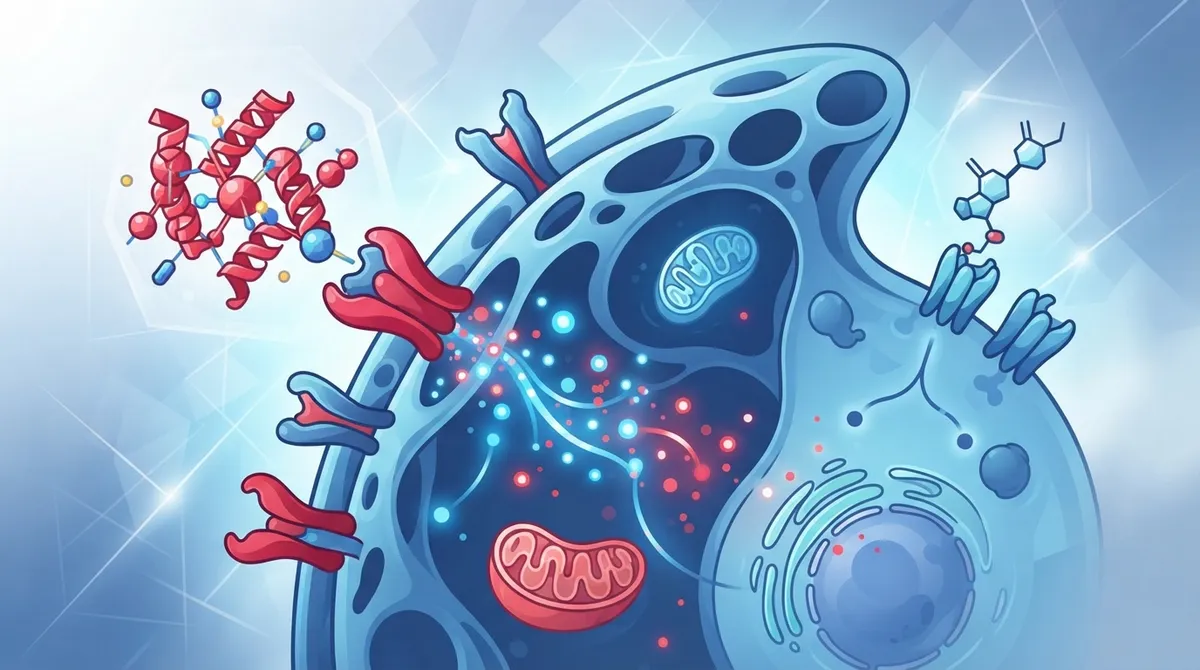
Retatrutide is an experimental, once-weekly injectable medicine. It targets three different hormone receptors in the body: GIP, GLP-1, and glucagon. This is why researchers call it a "triple agonist." Eli Lilly is developing the drug for obesity, type 2 diabetes, and other metabolic conditions.
It is important to know that retatrutide is still investigational. It has not been approved by the FDA for any use. It is not available at pharmacies, and it should never be purchased from unregulated sources. Right now, the only safe way to access it is through a monitored clinical trial.
How Does Retatrutide Lower Blood Sugar?
Retatrutide works through three connected pathways. GLP-1 and GIP receptor activity help the pancreas release insulin when blood sugar rises. This also reduces appetite. The glucagon receptor activity may boost how many calories your body burns and can affect how the liver handles glucose.
Researchers believe these combined actions explain why retatrutide has shown stronger blood sugar and weight results than some single-target drugs. However, scientists are still studying exactly how much each pathway contributes to the overall effect.

Retatrutide Glucose Lowering: What the Clinical Trial Data Shows
The most detailed evidence comes from a phase 2 trial published in The Lancet in 2023. This study included 281 adults with type 2 diabetes across 42 research centers in the United States. Participants had a starting HbA1c between 7.0% and 10.5%, with a body mass index between 25 and 50.
The trial compared different retatrutide doses against both a placebo and dulaglutide 1.5 mg, an already approved GLP-1 medication. Here is what researchers found at week 24:
|
Treatment Group |
HbA1c Change at Week 24 |
|---|---|
|
Placebo |
-0.01 percentage points |
|
Retatrutide 0.5 mg |
-0.43 percentage points |
|
Dulaglutide 1.5 mg |
-1.41 percentage points |
|
Retatrutide 4 mg (escalating) |
-1.39 percentage points |
|
Retatrutide 8 mg (escalating) |
-1.99 percentage points |
|
Retatrutide 12 mg (escalating) |
-2.02 percentage points |
The higher retatrutide doses reduced HbA1c by roughly 2 full percentage points. That is a large drop for a 24-week study. For comparison, the approved medication dulaglutide lowered HbA1c by 1.41 percentage points in the same trial.
Beyond blood sugar, the trial also tracked weight loss. According to reporting from the American Diabetes Association, the 12 mg group lost around 16.9% of body weight by the later study endpoint, compared to about 3.0% in the placebo group. This dual effect on glucose and weight is part of why retatrutide has drawn so much attention.
Retatrutide vs. Approved Diabetes Treatments: A Side-by-Side Look
Many patients want to know how an investigational drug like retatrutide compares to medicines already used in routine care. Here is a simple breakdown:
- Regulatory status: Retatrutide is not FDA-approved. Approved GLP-1 and dual GIP/GLP-1 agonists have completed full regulatory review.
- Evidence base: Retatrutide has phase 2 data and early phase 3 results. Approved drugs have years of large-scale trials and real-world safety data.
- Access: Retatrutide is only available in clinical trials. Approved medications can be prescribed by your doctor.
- Heart and kidney outcomes: Approved GLP-1 drugs have proven cardiovascular and kidney benefits in long-term studies. Retatrutide has not yet completed this type of long-term outcome research.
- Side effect profile: Both drug types share similar gastrointestinal side effects, including nausea, diarrhea, and vomiting, especially during dose increases.
- Nausea, especially during dose escalation
- Diarrhea
- Vomiting
- General stomach discomfort
- Individualized HbA1c targets based on your age and health history
- Cardiovascular and kidney risk assessments
- Lifestyle support, including nutrition and physical activity guidance
- Approved GLP-1 receptor agonists or dual GIP/GLP-1 agonists
- SGLT2 inhibitors, metformin, insulin, or other proven medications as needed
A strong primary care relationship helps you stay on top of new research while still following safe, proven treatment paths. Our team also offers tools like body composition analysis and metabolic breath analysis to track your progress alongside standard diabetes care.
How Primary Care Supports Blood Sugar Management
Managing type 2 diabetes is rarely just about one medication. It involves regular monitoring, medication adjustments, and lifestyle coaching. Our guide on common diabetes management mistakes outlines practical steps many patients overlook. Combining these habits with your prescribed treatment gives you the best chance at steady, long-term blood sugar control.
For patients also focused on weight, our medical weight loss programs use FDA-approved options and personalized coaching, not experimental drugs. This keeps your care both effective and safe.
Questions to Ask Your Doctor About New Diabetes Research
New drugs like retatrutide can feel confusing to keep up with. Here are smart questions to bring to your next appointment:
- Is this new medication FDA-approved, or still in clinical trials?
- How does it compare to my current treatment plan?
- What side effects should I watch for?
- Are there local clinical trials I might qualify for?
- What lifestyle changes can support my current medication?
Asking these questions helps you make informed choices instead of reacting to headlines. Our providers are trained to explain complex research in plain language so you always understand your care plan.
Staying Informed and Staying Safe
Retatrutide represents a promising direction in diabetes and weight research. Trial results suggest it could one day offer strong blood sugar control alongside meaningful weight loss. But "promising" is not the same as "proven" or "available." Until retatrutide completes the FDA review process, it should be viewed as a research topic, not a treatment option.
You can follow updates on new therapies and general health tips through our social channels on Facebook, Instagram, and TikTok. For deeper research, government resources like the National Institutes of Health also publish updates on clinical trial progress for new diabetes drugs.
Ready to Talk About Your Blood Sugar Goals?
Whether you want to review your current diabetes treatment, explore FDA-approved weight loss support, or simply get a clearer picture of your metabolic health, our Tampa and Riverview locations are ready to help. Patients consistently share positive experiences with our care team, and you can visit us on Google — InCare to read real patient reviews before your visit.
Don't wait to get expert guidance on managing your blood sugar and overall wellness. Schedule your appointment today and take the next step toward a personalized, evidence-based health plan.
FAQs
Q: How much can retatrutide lower HbA1c in people with type 2 diabetes?
A: In the phase 2 trial, higher doses of retatrutide lowered HbA1c by about 2.0 percentage points at 24 weeks. This compares to a 1.41 percentage point reduction with the active comparator dulaglutide. These results are from clinical trials and are not guaranteed for every patient.
Q: Is retatrutide approved by the FDA for diabetes or weight loss?
A: No, retatrutide is not currently FDA-approved. It remains an investigational drug, meaning it is only available through regulated clinical trials. Patients should avoid purchasing it from unapproved sources.
Q: How does retatrutide compare with semaglutide and tirzepatide for blood-sugar control?
A: Retatrutide targets three hormone receptors, while semaglutide targets one and tirzepatide targets two. Early trial data suggests retatrutide may produce larger HbA1c and weight reductions, but semaglutide and tirzepatide have much longer safety track records and FDA approval.
Q: Does retatrutide cause hypoglycemia?
A: In trials, retatrutide's glucose-lowering effect works in a glucose-dependent way, which generally lowers hypoglycemia risk when used alone. However, combining it with other diabetes medications like insulin could increase this risk, so medical supervision is essential.
Q: What are the common side effects of retatrutide?
A: The most common side effects reported in trials were nausea, diarrhea, and vomiting. These symptoms were more frequent during dose escalation and tended to improve over time, similar to other incretin-based medications.