
Key Takeaways
- Retatrutide is a triple-agonist drug targeting three hormone receptors (GIP, GLP-1, glucagon) showing 17.6%-25% average weight loss in Phase 3 trials, but remains unapproved and investigational—not available outside clinical trials.
- Purchasing compounded or online retatrutide is dangerous; unregulated products lack purity verification, correct dosing guarantees, and medical oversight, with no legal protections compared to FDA-approved medications.
- FDA-approved alternatives semaglutide and tirzepatide are available now through licensed clinics with proven safety data, offering 15-22% average weight loss while retatrutide completes Phase 3 testing.
- Common retatrutide side effects include nausea, diarrhea, vomiting, and constipation—primarily gastrointestinal issues that often improve with time but require medical monitoring since long-term safety data is incomplete.
- Work with a primary care team on proven weight loss strategies today using medical evaluation, approved medications, body composition analysis, and regular physician supervision rather than waiting for retatrutide approval.
- Clinical trial enrollment through legitimate research institutions is the only safe path to access retatrutide currently; eligibility typically includes adults with obesity plus weight-related conditions like diabetes or osteoarthritis.
Weight loss medications are changing fast. If you follow health news, you may have seen bold headlines about retatrutide, a new drug that is showing dramatic results in clinical trials. Patients are asking their doctors about it. Some are searching online for ways to get it early. But before you consider any new obesity treatment, it helps to understand what retatrutide actually is, how it compares to medications already available today, and why working with a trusted primary care team matters more than ever.
At InCare, our providers in Tampa and Riverview stay current on emerging obesity treatments so patients get honest, evidence-based guidance. This article breaks down what retatrutide is, what the research shows so far, and how it stacks up against approved options like semaglutide and tirzepatide. We will also cover the risks of buying unapproved versions and what you can do right now to start your weight loss journey safely.
What Is Retatrutide?
Retatrutide is an experimental, once-weekly injectable medication made by Eli Lilly. It is designed to treat obesity and related health problems. What makes it different from other weight loss drugs is how it works inside the body.
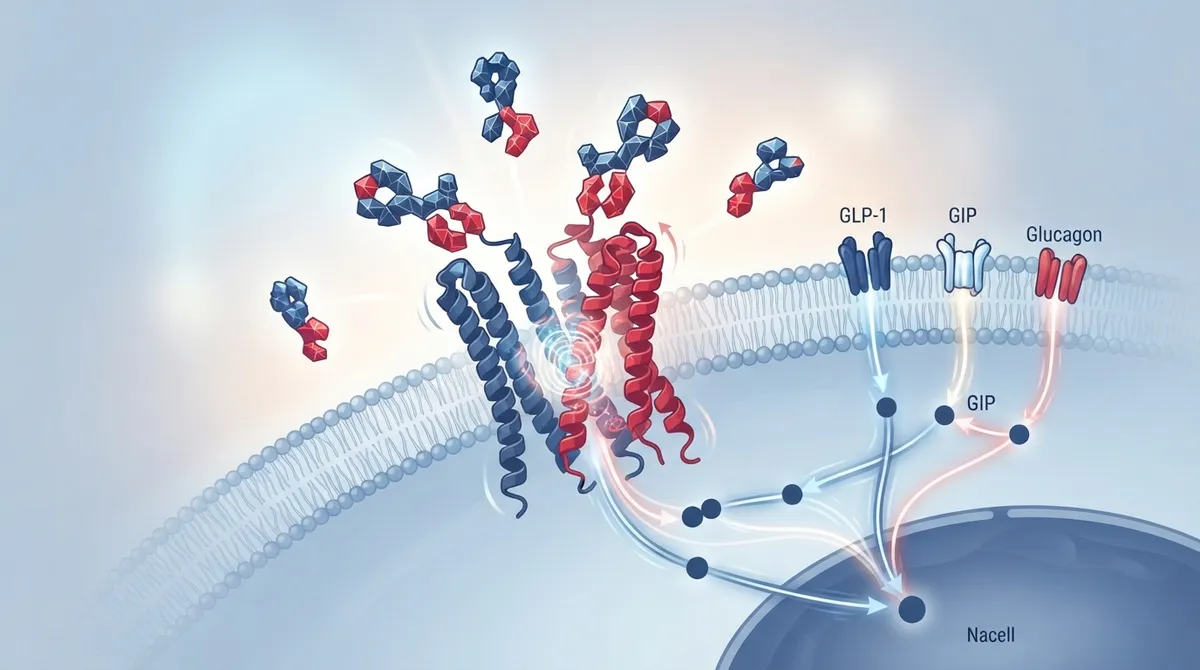
Most current weight loss injections target one or two hormone receptors. Retatrutide targets three: GIP, GLP-1, and glucagon. This triple-action approach is why researchers call it a "triple agonist." The idea is that hitting three metabolic pathways at once may produce stronger effects than hitting just one or two.
For comparison, semaglutide (found in some FDA-approved weight loss and diabetes drugs) is a single-agonist medication that only targets GLP-1. Tirzepatide is a dual-agonist that targets both GIP and GLP-1. Retatrutide goes a step further by adding the glucagon receptor into the mix, which may help boost fat burning and energy use.

Is Retatrutide FDA-Approved for Weight Loss?
No. This is one of the most important facts for patients to understand. As of now, retatrutide is not approved by the FDA for obesity, diabetes, or any other condition. It remains investigational, meaning it is only available through controlled clinical trials.
This matters because unapproved or unregulated products claiming to be retatrutide are being sold online, often labeled "for research purposes only." These products carry serious risks. There is no guarantee of purity, correct dosing, or even that the product contains what it claims. Our team strongly advises against purchasing compounded or research-grade retatrutide from unverified sellers.
Instead, patients interested in medical weight loss today should explore FDA-approved options through a licensed weight loss program supervised by real physicians.
What Do the Clinical Trials Show So Far?
The data on retatrutide has been impressive, and that is why it is generating so much buzz in wellness circles. Here is a breakdown of the major findings.
Phase 2 Trial Results
A Phase 2 study published in the New England Journal of Medicine followed 338 adults with obesity for 48 weeks. Higher doses led to greater weight loss, with the top dose group losing roughly 24% of their body weight on average. This was one of the largest weight loss results ever recorded in a controlled obesity drug trial at that stage.
Phase 3 TRIUMPH Program
Lilly has since moved retatrutide into Phase 3 trials, called the TRIUMPH program. These larger studies are testing the drug in different patient groups, including people with type 2 diabetes, knee osteoarthritis, and obesity alone.
- TRIUMPH-1: Enrolled 2,339 adults with obesity or overweight plus at least one weight-related health issue (not diabetes). Over 80 weeks, sponsor-reported average weight loss reached approximately 17.6% at the 4 mg dose, 23.7% at 9 mg, and 25.0% at 12 mg, compared to just 3.9% with placebo.
- TRIUMPH-1 Extension: In a subset of participants with higher starting BMI who tolerated the medication well, weight loss at 104 weeks reached close to 30% at higher doses.
- TRIUMPH-4: This study focused on adults with obesity and knee osteoarthritis. At 68 weeks, the 12 mg dose group lost an average of 28.7% of body weight, equal to about 32.3 kg or 71.2 pounds.
- TRANSCEND-T2D-1: This trial looked at adults with type 2 diabetes. At 40 weeks, the 12 mg dose produced average weight loss of about 16.8%, showing the drug works differently in people managing blood sugar conditions.
These numbers are strong, but they are still topline, company-reported results. Full peer-reviewed publication and FDA review are needed before conclusions about long-term safety and effectiveness can be finalized.
Retatrutide vs. Semaglutide vs. Tirzepatide: A Side-by-Side Look
Patients often want to know how these medications compare. Here is a simple breakdown based on current available data.
|
Feature |
Semaglutide |
Tirzepatide |
Retatrutide |
|---|---|---|---|
|
Receptor Targets |
GLP-1 only |
GIP + GLP-1 |
GIP + GLP-1 + Glucagon |
|
FDA Approval Status |
Approved for weight loss and diabetes |
Approved for weight loss and diabetes |
Investigational only |
|
Reported Average Weight Loss |
Around 15% in trials |
Around 20-22% in trials |
Up to 25-30% in trials |
|
Common Side Effects |
Nausea, diarrhea, vomiting |
Nausea, diarrhea, vomiting |
Nausea, diarrhea, vomiting, constipation |
|
Availability |
Prescribed at licensed clinics |
Prescribed at licensed clinics |
Clinical trials only |
This comparison shows why patients are excited about retatrutide's potential. But it also highlights why semaglutide and tirzepatide remain the safest, legally available choices right now. If you want to learn more about how these approved options work, our guide on semaglutide vs. tirzepatide breaks down the differences in more detail.
Common Side Effects Reported in Retatrutide Trials
Like other GLP-1 based medications, retatrutide's most common side effects are gastrointestinal. Understanding these ahead of time can help set realistic expectations for anyone following the drug's development.
- Nausea, especially during dose increases
- Diarrhea
- Vomiting
- Constipation
- Reduced appetite (an expected effect, not always a side effect)
These effects tend to be more noticeable early in treatment and often improve as the body adjusts. However, because retatrutide is still investigational, the full long-term safety profile is not yet established. This is another reason clinical monitoring through primary care matters so much, whether for an approved medication today or a future option down the road.
Who Might Be Eligible for Retatrutide Clinical Trials?
Since retatrutide is not available outside of research settings, the only way to access it currently is through enrollment in a clinical trial. Study populations have generally included:
- Adults with obesity or overweight plus a weight-related health condition
- Patients with type 2 diabetes
- People with knee osteoarthritis linked to excess weight
- Patients with obstructive sleep apnea
- Individuals with cardiovascular disease risk factors
Eligibility requirements vary by trial and are strictly controlled. Patients interested in trial participation should speak with a research center directly, as primary care clinics like InCare do not enroll patients in these studies. Instead, our focus is helping patients manage weight today using proven, available tools.
What Should You Do While Waiting for Retatrutide?
It is tempting to wait for the "next big thing" in weight loss. But waiting means missing out on real progress you could be making right now. Here is what we recommend instead.
- Start with a medical evaluation. A primary care visit can identify underlying issues affecting your weight, such as thyroid problems or insulin resistance.
- Explore FDA-approved options. Medications like semaglutide and tirzepatide are proven, available, and backed by years of safety data.
- Use body composition tools. Our body composition analysis uses 3D imaging to track fat loss and muscle preservation with more accuracy than a scale alone.
- Consider metabolic testing. Metabolic breath analysis can reveal how your body burns calories at rest, helping personalize your plan.
- Support your progress with hydration therapy. Many patients pair weight loss treatment with IV hydration and vitamin drips to support energy levels during their journey.
- Get regular check-ins. Ongoing physician supervision helps you stay safe, adjust doses, and manage side effects early.
Patients who follow this approach often see steady, sustainable results, without the uncertainty of unapproved products.
Why Compounded or Online Retatrutide Is Risky
Because retatrutide is generating so much attention, some online sellers are offering unregulated versions labeled as "research chemicals." These products are marketed to bypass the clinical trial process entirely.
This is dangerous for several reasons:
- There is no guarantee of correct dosing or drug purity
- Products may be contaminated or contain the wrong ingredients entirely
- Sterility cannot be verified outside licensed pharmaceutical manufacturing
- There is no medical oversight to catch side effects early
- Legal and safety protections that exist for approved drugs do not apply
Our advice is simple: never use compounded, counterfeit, or "research-use-only" retatrutide. If you are interested in trying it, the only safe path is enrollment in an official clinical trial through a legitimate research institution.
How Primary Care Supports Your Weight Loss Goals Today
While retatrutide continues through the approval process, your health does not have to wait. A dedicated primary care team can build a weight loss plan around your specific needs, medical history, and goals.
At our Tampa and Riverview locations, our providers combine advanced diagnostics with personalized coaching. This includes DNA gene testing to understand your body's unique response to diet and metabolism, plus regular cancer screenings and preventive checkups to protect your long-term health while you lose weight.
Many patients also want fast answers when questions come up mid-treatment. Our urgent care services are available for same-day concerns, so you are never left waiting when something feels off.
You can also see what real patients say about their experience by visiting our InCare location on Google, where reviews highlight the personal attention our team provides every day.
What to Watch for as Retatrutide Moves Toward Approval
The path from clinical trial to FDA approval typically takes years. Retatrutide's Phase 3 trials are ongoing, and full results still need to be published in peer-reviewed journals before regulators can act. Here is what to expect in the coming months and years:
- Continued release of Phase 3 trial data from the TRIUMPH program
- Peer-reviewed publication of results, which allows outside experts to verify findings
- FDA review process, which can take a year or longer after submission
- Potential approval for specific patient groups first, such as those with diabetes or osteoarthritis
- Broader approval for general obesity treatment, if data continues to support safety and effectiveness
Staying informed through reliable sources matters. Following updates through platforms like Facebook and Instagram can help you stay current on new developments as they are announced, while your primary care provider translates what these updates actually mean for your treatment plan.
Making the Right Choice for Your Health Right Now
Retatrutide represents an exciting possibility for the future of obesity treatment. The numbers from clinical trials are genuinely impressive, and it may eventually offer patients a powerful new option. But "promising" is not the same as "available," and patients deserve honest guidance about that difference.
Right now, the smartest path forward is working with a primary care team that understands both the science and the safety concerns around emerging drugs like this one. Whether that means starting an FDA-approved medication, exploring lifestyle-based programs, or simply getting a comprehensive health evaluation, taking action today puts you ahead of where waiting ever could.
You can also follow our latest health tips and clinic updates on Tik Tok for bite-sized, easy-to-understand wellness content.
Ready to explore a weight loss plan that fits your life today? Schedule your appointment now and let our Tampa and Riverview team help you build a safe, effective path toward your health goals.
FAQs
Q: Is retatrutide approved by the FDA for weight loss?
A: No, retatrutide is not FDA-approved for weight loss or any other condition. It remains investigational and is only available through clinical trials as it moves through Phase 3 testing.
Q: How does retatrutide compare with semaglutide and tirzepatide?
A: Retatrutide targets three hormone receptors (GIP, GLP-1, and glucagon), while semaglutide targets one and tirzepatide targets two. Early trial data suggests retatrutide may produce greater average weight loss, but only semaglutide and tirzepatide are currently FDA-approved and available by prescription.
Q: How much weight can people lose with retatrutide?
A: In Phase 3 trials, average weight loss ranged from about 17.6% to 25% of body weight at 80 weeks, depending on dose. Some extended studies reported weight loss near 30% in select patient groups.
Q: What are the side effects and risks of retatrutide?
A: The most commonly reported side effects are gastrointestinal, including nausea, diarrhea, vomiting, and constipation, especially during dose increases. Because the drug remains investigational, its complete long-term safety profile has not yet been established.
Q: Is compounded or online retatrutide safe and legal?
A: No. Compounded, counterfeit, or research-use-only retatrutide products carry serious risks, including unknown purity, incorrect dosing, and lack of medical oversight. Patients should only consider retatrutide through legitimate clinical trials, not unregulated online sellers.