
Key Takeaways
- Retatrutide remains investigational with no FDA approval or official dosing protocol; any titration schedule found online derives from clinical trials, not approved medical guidance.
- Phase 2 trial data shows the 12 mg dose produced 24.2% average body weight loss over 48 weeks with gradual escalation from 1 mg to reduce gastrointestinal side effects like nausea and vomiting.
- Different clinical trials use varying dose escalation schedules (Phase 2 uses weekly increases, Phase 3 TRIUMPH uses roughly 4-week intervals), meaning no single universal retatrutide protocol exists.
- Retatrutide cannot be legally prescribed outside clinical trials; compounded products carry unverified dosing and contamination risks, with the FDA issuing enforcement actions against unapproved sellers.
- Patients interested in retatrutide should explore local clinical trial enrollment, discuss FDA-approved GLP-1 alternatives with providers, and pursue medically supervised weight loss programs with established safety data.
- Medical supervision for any weight loss treatment requires baseline labs, regular check-ins, nutrition support, and dehydration monitoring—benefits that cannot be replicated by ordering compounded products online.
Retatrutide has become one of the most talked-about topics in weight management circles. Patients searching for a "retatrutide dose titration protocol" often expect a simple chart they can follow at home. The reality is more complex, and more important to understand before making any decisions about your health.
Retatrutide remains an investigational medication. It has no FDA-approved prescribing label and no approved dosing schedule. Any titration information you find online comes from clinical trial data, not routine medical guidance. At InCare, our providers believe patients deserve accurate, honest information about emerging treatments, especially when the details involve injectable medications and gradual dose increases.
This article explains what the published research actually shows about retatrutide dosing, why an approved protocol does not yet exist, and what safe, evidence-based alternatives look like for patients in Tampa and Riverview who want real support for weight management and metabolic health.
What Is Retatrutide?
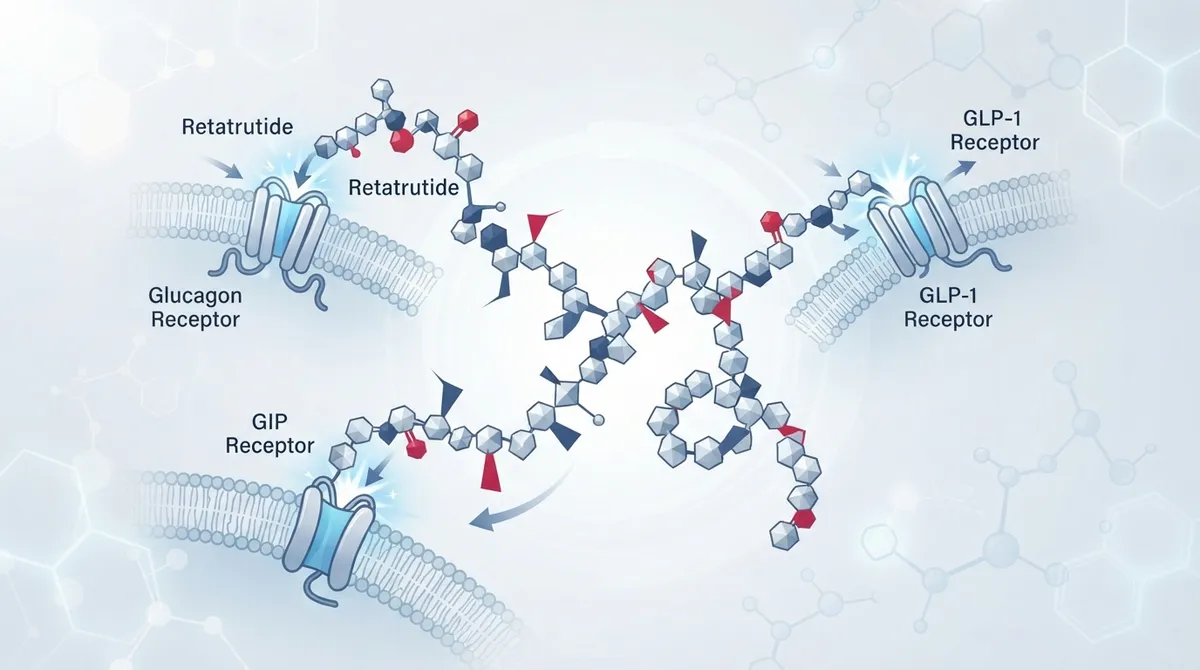
Retatrutide is an experimental once-weekly injectable medication developed by Eli Lilly. It works differently than many existing weight loss drugs because it activates three separate hormone receptors: GIP, GLP-1, and glucagon. Researchers call this a "triple agonist" approach.
Scientists are studying retatrutide for obesity, overweight with weight-related health problems, and type 2 diabetes. Early results have generated excitement, but excitement is not the same as approval. As of now, retatrutide is not sold as an FDA-approved drug in the United States.

Why There Is No Official Retatrutide Titration Protocol
A true "protocol" implies an approved, standardized plan that doctors can prescribe with confidence. Retatrutide does not have this yet. Instead, dosing information comes from separate clinical trials, each with its own escalation schedule.
This matters because:
- Trial doses and timelines vary between studies
- No single schedule has been proven safe or effective for general use
- Compounded or unapproved retatrutide products carry real safety risks
- Only licensed trial sites can legally administer investigational retatrutide
The FDA has already taken enforcement action against companies selling unapproved retatrutide products, underscoring the risks of obtaining this medication outside of a monitored clinical trial.
What Published Retatrutide Research Actually Shows
The most cited data comes from a Phase 2 obesity trial published in the New England Journal of Medicine in 2023. Researchers studied 338 adults with obesity or overweight who did not have diabetes. Participants received once-weekly retatrutide at doses of 1 mg, 4 mg, 8 mg, or 12 mg, compared against a placebo group, over 48 weeks.
Results were notable. At 48 weeks, the group receiving the 12 mg dose lost an average of approximately 24.2% of body weight. The placebo group lost about 2.1%. These numbers reflect a controlled research setting with close medical supervision, not typical outpatient use.
Phase 2 Dose Escalation Pattern
Participants assigned to the highest dose did not start at 12 mg. Instead, they followed a gradual increase, generally over several weeks, to reduce stomach-related side effects. The general pattern for the 12 mg group looked like this:
|
Step |
Weekly Dose |
Purpose |
|---|---|---|
|
1 |
1 mg |
Initial introduction to the medication |
|
2 |
2 mg |
Early tolerability check |
|
3 |
4 mg |
Mid-range escalation step |
|
4 |
8 mg |
Approaching target dose |
|
5 |
12 mg |
Maintenance dose for study group |
This table reflects data reported in the Phase 2 trial only. It is not a treatment plan, and it should never be used to self-administer any medication.
Phase 3 TRIUMPH Trial Differences
Later-stage Phase 3 studies, known as the TRIUMPH program, have used their own escalation timelines. Reports describe dose increases roughly every four weeks, sometimes including intermediate steps like 6 mg or 9 mg depending on the specific trial arm. Target doses in these studies have also reached up to 12 mg weekly.
The key takeaway is that no two trials use identical schedules. Researchers adjust escalation speed based on study goals and patient tolerability data. This is normal in drug development, but it means there is no single universal number you can point to as "the" retatrutide protocol.
Why Gradual Dose Increases Matter
Injectable weight loss medications in this drug class often cause digestive side effects, especially early in treatment. Slower dose increases give the body time to adjust. In retatrutide trials, researchers watched closely for:
- Nausea, particularly in the first few weeks after each dose increase
- Vomiting, which can lead to dehydration if not managed properly
- Diarrhea or constipation
- Reduced appetite, sometimes significant enough to affect nutrition
- Signs of dehydration, especially in patients with vomiting or diarrhea
Gastrointestinal side effects were among the most commonly reported issues in Phase 2 trials, and they tended to appear more often at higher doses. This is exactly why researchers use gradual titration steps instead of jumping straight to a target dose.
Why a Primary Care or Wellness Clinic Cannot Prescribe Retatrutide Today
Patients sometimes ask whether a wellness clinic can offer retatrutide the way it might offer other weight management treatments. The honest answer is no, not outside of an authorized clinical trial.
Because retatrutide lacks FDA approval, it is not a legal ingredient in any approved drug product sold in the United States. Products marketed online as "research use" or compounded retatrutide are not verified for safety, purity, or accurate dosing. The FDA has issued warning letters to companies for exactly this kind of marketing, which should serve as a caution to anyone considering these products.
A responsible primary care provider will not prescribe or administer unapproved medications outside of legitimate research settings. This protects patients from unpredictable dosing, contamination risks, and legal complications.
What Patients Can Do Instead Right Now
If you are interested in retatrutide, here are practical, safe steps to consider:
- Ask your doctor whether any local clinical trials are currently enrolling participants for retatrutide research
- Review trial eligibility requirements carefully, since not everyone qualifies for investigational studies
- Understand the informed consent process, which explains risks, monitoring requirements, and your rights as a participant
- Discuss FDA-approved weight loss options that are available today, including other GLP-1 medications
- Build a foundation of healthy habits with a structured medically supervised weight loss program
Patients in Tampa and Riverview who want proven, physician-guided support do not need to wait for retatrutide to reach the market. Approved medications, combined with lifestyle coaching, already deliver meaningful results for many patients.
Evidence-Based Alternatives Available Today
While retatrutide remains investigational, several other treatments already have FDA approval and years of real-world data behind them. A qualified provider can help determine which option fits your health history and goals.
|
Feature |
Investigational Retatrutide |
FDA-Approved GLP-1 Options |
|---|---|---|
|
Regulatory Status |
Not approved; trial-only |
Approved for specific indications |
|
Prescribing Guidance |
None available |
Official prescribing information exists |
|
Access |
Limited to clinical trial sites |
Available through licensed providers |
|
Dosing Consistency |
Varies by trial |
Standardized and monitored |
|
Insurance Coverage |
Not applicable |
May be covered depending on plan |
Our team at InCare regularly helps patients compare these options as part of a broader medical weight loss plan that addresses metabolism, nutrition, and long-term health goals rather than a single injection alone.
Monitoring and Safety During Any Weight Loss Treatment
Whether a patient eventually participates in a retatrutide trial or chooses an approved medication, medical supervision matters. At InCare, our approach includes:
- Baseline lab work and health screening before starting any treatment
- Regular check-ins to monitor side effects and progress
- Body composition analysis to track real changes beyond the scale
- Support for hydration and nutrition during dose adjustments
- Coordination with cancer screening and other preventive services as part of whole-body care
This kind of comprehensive support cannot be replicated by ordering compounded peptides online. It requires an actual clinical relationship with a provider who knows your full medical history.
What to Watch for During Any Investigational Trial
If you do qualify for and choose to join a retatrutide clinical trial, understanding warning signs is critical. Seek immediate medical attention if you experience:
- Severe or persistent vomiting
- Signs of dehydration such as dizziness, dark urine, or reduced urination
- Severe abdominal pain
- Signs of an allergic reaction, including swelling or difficulty breathing
Trial coordinators are trained to monitor these symptoms, but patients should never hesitate to report problems immediately. Our urgent care team is also available for patients who need prompt evaluation for side effects related to any medication, investigational or approved.
Choosing a Trusted Wellness Partner in Tampa and Riverview
Emerging treatments like retatrutide highlight why it matters to work with a clinic that stays current on research while prioritizing patient safety above hype. InCare combines advanced diagnostic tools, including DNA gene testing and metabolic breath analysis, with honest guidance about what treatments are actually ready for everyday use.
Patients across Tampa and Riverview trust our team of providers to explain complicated topics clearly, without pushing unproven products. You can read what patients say about their experience by visiting our InCare location on Google, where the practice maintains a strong reputation for attentive, evidence-based care.
We also share ongoing health education through our Facebook and Instagram pages, along with quick wellness tips on Tik Tok, so patients can stay informed between visits.
Final Thoughts on Retatrutide Dosing
Retatrutide shows real promise in early research, with the Phase 2 trial reporting substantial weight loss at the highest studied dose. But promise is not the same as approval. Until retatrutide receives FDA clearance and an official prescribing label, no legitimate dose titration protocol exists for routine use outside of clinical trials.
Patients deserve clear, honest answers about where the science currently stands. If you are curious about retatrutide, ask your provider about trial availability. If you want proven, physician-guided weight management now, InCare offers convenient locations in Tampa and Riverview ready to help you build a safe, effective plan.
Ready to explore weight management options that are available today? Schedule your appointment now or reach out to our team with any questions about emerging treatments and approved alternatives.
FAQs
Q: Is retatrutide FDA-approved for weight loss or type 2 diabetes?
A: No. Retatrutide has no FDA-approved prescribing label and is not approved for any use as of 2026. It remains under investigation in clinical trials for obesity, overweight with weight-related conditions, and type 2 diabetes.
Q: What dose of retatrutide did clinical trials start with?
A: In the Phase 2 obesity trial, participants assigned to the 12 mg maintenance dose began at 1 mg and gradually increased through 2 mg, 4 mg, and 8 mg before reaching 12 mg. Other trial arms used lower target doses with similar gradual escalation.
Q: How often is retatrutide injected?
A: Published research has studied retatrutide as a once-weekly subcutaneous injection. This weekly schedule was used consistently across Phase 2 and Phase 3 trials, though exact escalation timing varied by study.
Q: Can retatrutide be prescribed or compounded by a primary care clinician?
A: No. Retatrutide is not an approved drug ingredient, so primary care clinicians cannot legally prescribe it outside of an authorized clinical trial. The FDA has warned against compounded or unapproved retatrutide products due to safety and quality concerns.
Q: What should a patient do if nausea, vomiting, or dehydration occurs during an investigational retatrutide trial?
A: Patients should immediately report these symptoms to their trial coordinator or physician. Severe vomiting or signs of dehydration, such as dizziness or reduced urination, require prompt medical evaluation, which is why trial-based monitoring is essential.