
Key Takeaways
- Original Medicare Part B covers medically necessary podiatrist care (bunions, heel spurs, wounds, infections) at 20% cost after deductible, but excludes routine nail trimming and callus removal unless caused by systemic disease.
- Start with a primary care doctor for unclear foot pain or chronic conditions like diabetes, as they assess circulation and whole-body health; use a podiatrist for confirmed structural problems like bunions or heel spurs.
- Medicare Advantage plans often require in-network providers and referrals for podiatrists, so call your plan before booking; confirm the visit treats a medical condition, not routine maintenance, to ensure coverage.
- People with diabetes qualify for covered foot exams every six months and may receive one pair of therapeutic shoes plus three inserts yearly if they have a qualifying foot condition certified by their doctor.
Foot pain can stop you from walking, working, and enjoying daily life. If you have Medicare, you may wonder who to call first and what your plan will pay for. Many people search for foot doctors that take Medicare, but the real answer depends on why you need care, not only on who you see.
Original Medicare Part B covers medically necessary foot care. It usually does not cover routine upkeep, such as nail trimming or callus removal. This guide compares two common starting points: a podiatrist and a primary care doctor. You will learn what each one does, what Medicare covers, what you may pay, and how to confirm coverage before you book.
Whether you are a busy parent, a wellness-minded professional, or helping an older family member, a few smart steps can save time and money. You can also learn more about primary care at InCare to see how a whole-body approach supports foot health.
What Does "Foot Doctor" Mean Under Medicare?
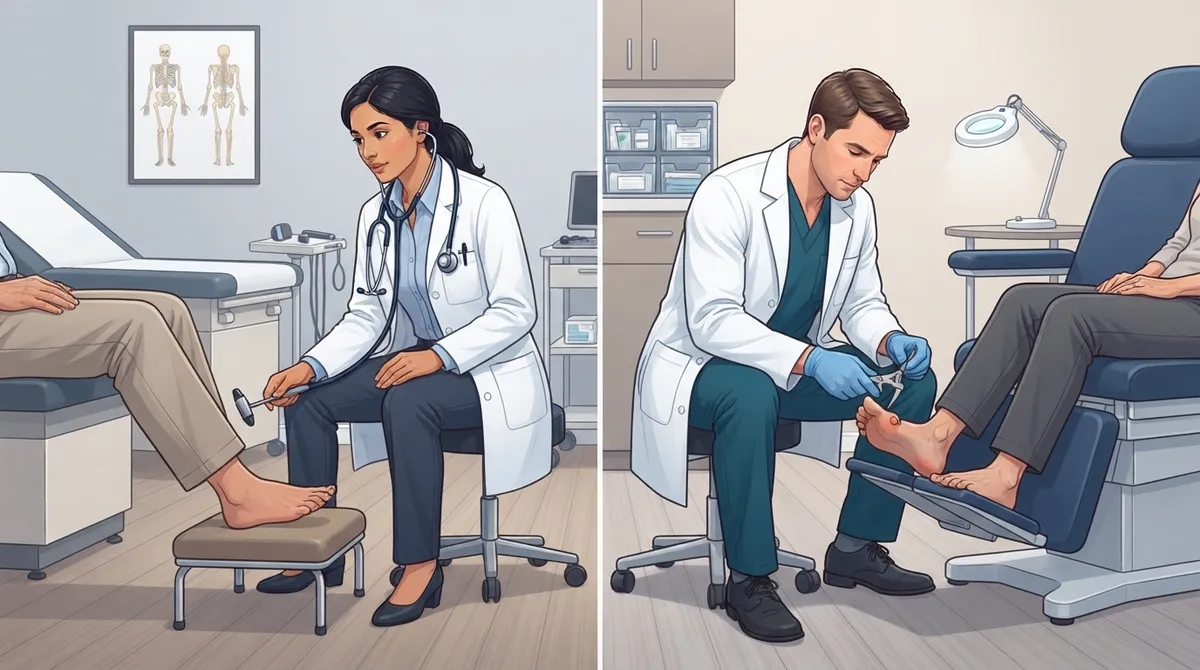
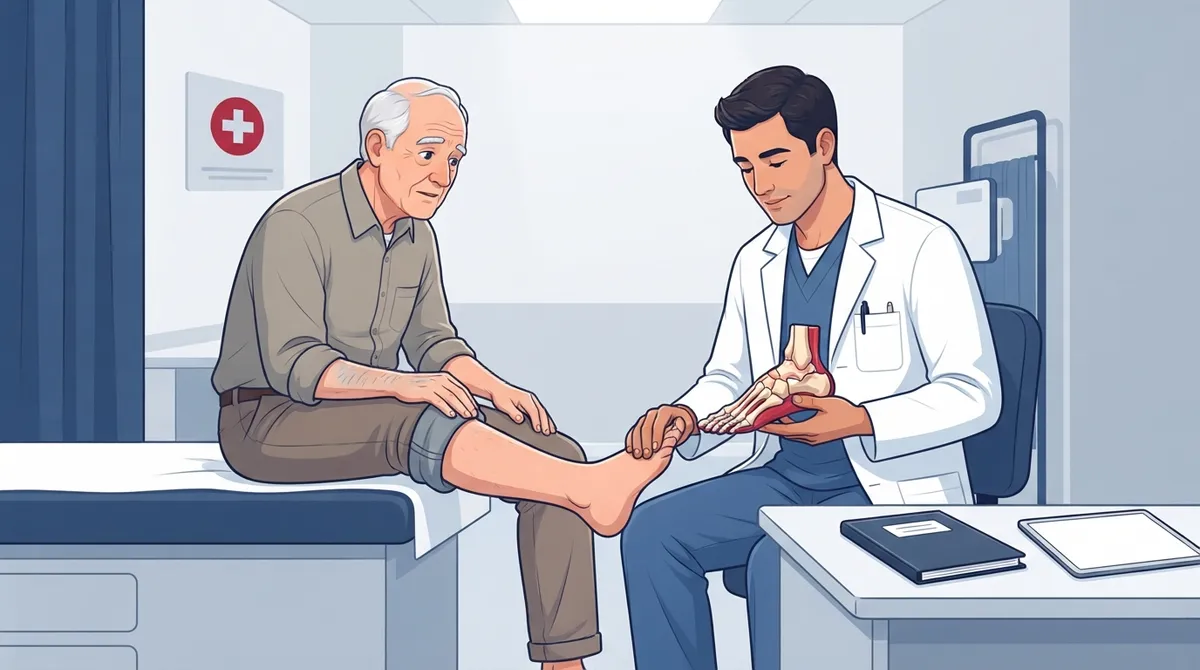
A foot doctor is usually a podiatrist. A podiatrist is a medical professional trained to diagnose and treat problems of the foot and ankle. Medicare Part B covers podiatrist exams and treatment when the care is medically necessary.
Medically necessary means the care treats a real injury, illness, or disease of the foot. Common examples include:
- Bunions and hammertoes
- Heel spurs and heel pain
- Foot wounds, sores, and infections
- Foot injuries and fractures
- Diabetes-related nerve damage in the feet
Coverage depends on the service and your clinical situation. A diagnosis alone does not guarantee payment. Your doctor's notes must show why the care is needed.
Podiatrist vs. Primary Care Doctor: Quick Comparison
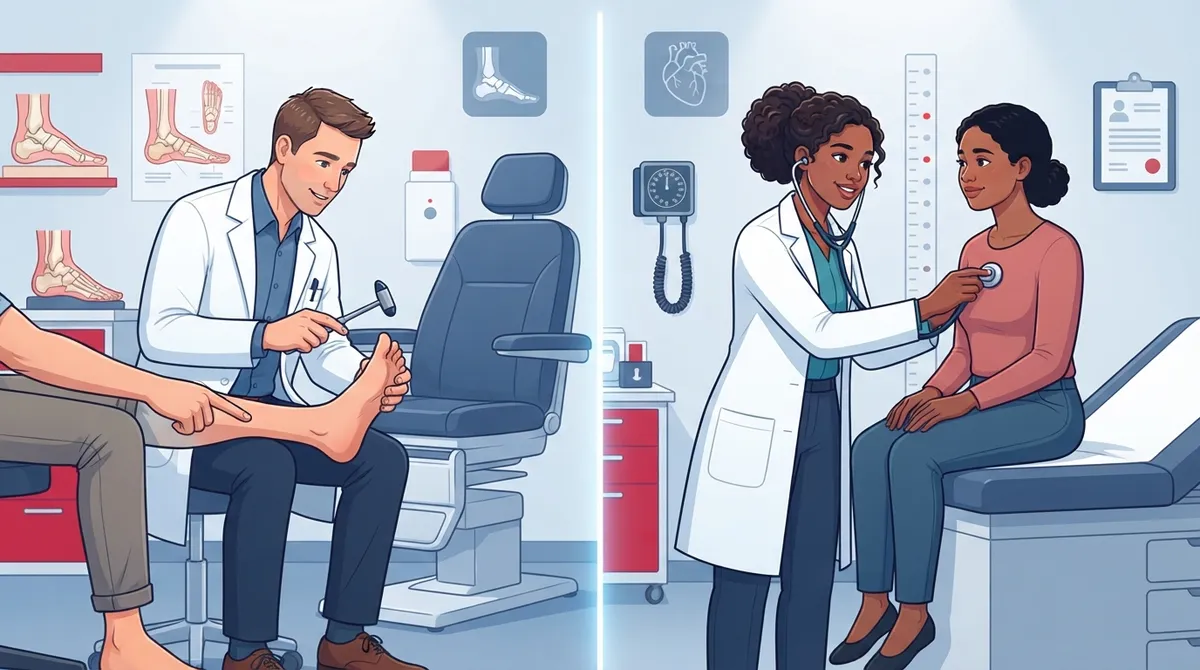
Both types of doctors can help with foot problems. They play different roles. The table below shows how they compare for a typical Medicare patient.
|
Factor |
Podiatrist |
Primary Care Doctor |
|---|---|---|
|
Main focus |
Foot and ankle conditions |
Whole-body health and prevention |
|
Best for |
Bunions, hammertoes, heel spurs, complex wounds |
First evaluation, diabetes care, circulation checks, referrals |
|
Medicare coverage |
Part B covers medically necessary care |
Part B covers medically necessary visits |
|
Referral needed? |
Not under Original Medicare; may be needed under some Medicare Advantage plans |
Not needed to start care |
|
Coordinates other health issues? |
Limited to the foot and ankle |
Yes, across all body systems |
When a Podiatrist Is the Right Choice
A podiatrist is a strong choice when you already know the problem is in your foot or ankle. Specialists have the tools and training for structural problems and certain procedures.
Consider booking a podiatrist if you have:
- A bunion, hammertoe, or heel spur that limits walking
- A wound on the foot that is slow to heal
- An ingrown toenail that is painful or infected
- A foot or ankle injury that needs a specialist review
- Ongoing pain that has not improved with basic care
Before your visit, ask whether the planned service is covered. Make sure the visit is for a medical problem and not excluded routine maintenance.
When Your Primary Care Doctor Should Come First
Foot problems often connect to bigger health issues. Diabetes, poor circulation, nerve damage, and arthritis can all show up in your feet first. A primary care doctor looks at the full picture.
Starting with primary care can help when:
- You are not sure what is causing your foot pain
- You have diabetes or prediabetes
- Your feet feel numb, tingly, cold, or swollen
- You need help managing chronic conditions that affect your feet
- You want one team to coordinate your care
At InCare, our providers focus on prevention and whole-body wellness. A primary care visit can spot warning signs early and guide you to the right specialist if needed. You can read how primary doctors help manage chronic illnesses to see how this works in practice.
What Original Medicare Covers for Foot Care
Original Medicare Part B covers a podiatrist's exam and treatment when care is medically necessary. For covered services, you generally pay 20% of the Medicare-approved amount after you meet the Part B deductible. A hospital outpatient visit may also include a copayment.
Medicare also covers some diabetes-related foot care. Here is what to know:
- Diabetic foot exams: Part B covers a foot exam every six months for people with diabetes-related peripheral neuropathy and loss of protective sensation. This applies if you have not seen a foot-care professional for another reason between exams.
- More frequent care: Visits may be covered more often in serious cases, such as a non-traumatic foot amputation or major changes in foot appearance.
- Therapeutic shoes and inserts: Some people with diabetes may qualify for one pair of depth-inlay shoes and three pairs of inserts per year. Those with a qualifying foot deformity may get custom-molded shoes and two extra pairs of inserts.
To qualify for therapeutic shoes, you need diabetes and at least one specified foot condition. Examples include a past ulcer, a partial foot amputation, qualifying nerve damage, poor circulation, or a foot deformity. Your doctor must also certify that the shoes are part of your diabetes care plan.
What Original Medicare Usually Does Not Cover
Original Medicare generally excludes routine foot care. This includes cutting or trimming nails, removing corns or calluses, and cleaning or soaking feet. Without a localized illness, injury, or symptom, you usually pay the full cost.
There are limited exceptions. Medicare may cover otherwise routine care when:
- A qualifying systemic disease causes severe circulatory problems or reduced feeling in the feet
- The service is a necessary part of other covered treatment
- Other circumstances in Medicare policy apply
Even then, rules apply. Medicare guidance generally limits covered routine foot care under these exceptions to once every 60 days. Local coverage rules and medical necessity also matter. Good documentation from your doctor is key.
Original Medicare vs. Medicare Advantage for Foot Care
Your plan type changes how you find and pay for a foot doctor. The table below shows the main differences.
|
Question |
Original Medicare |
Medicare Advantage |
|---|---|---|
|
Choosing a doctor |
See any provider that accepts Medicare |
Usually must use in-network providers |
|
Referral to podiatrist |
Not required |
May be required |
|
Typical cost |
20% after the Part B deductible |
Copay or coinsurance set by your plan |
|
Routine foot care |
Generally not covered |
Some plans add limited benefits |
If you have a Medicare Advantage plan, call your plan or check its provider directory. Ask about network rules, referrals, and cost-sharing before you schedule. Our guide on Medicare Advantage plans and primary care explains these points in more detail.
How to Find a Foot Doctor That Accepts Medicare
Finding the right provider takes a few simple steps. Follow this process to avoid surprise bills.
- Use Medicare's provider search. Medicare.gov offers tools to find participating clinicians near you.
- Check your plan network. If you have Medicare Advantage, call your plan to confirm in-network podiatrists.
- Call the office. Ask if they accept your specific Medicare coverage and are taking new patients.
- Describe your problem. Explain whether the visit is for pain, injury, wound, or diabetes care. This helps the office check coverage.
- Ask about costs. Confirm what you may owe for the visit and any planned service.
Our team has also shared tips on finding a doctor that accepts Medicare. For help in the Tampa Bay area, you can view InCare locations in Tampa and Riverview.
Why Start With InCare for Foot Concerns
InCare is a personalized primary care and wellness clinic with locations in Tampa and Riverview, Florida. We combine advanced technology with medical expertise to care for the whole person, not just one symptom.
For foot concerns, this approach offers real benefits:
- Early detection: We look at circulation, blood sugar, and nerve health that can affect your feet.
- Chronic condition support: We help manage diabetes and related risks that lead to foot problems.
- Clear guidance: We help you decide whether you need a specialist and what to ask before you go.
- Convenience: Same-day visits and virtual appointments fit busy schedules.
Patients rate InCare 4.8 out of 5 on Google. You can see what our InCare patients say on Google. We also share health tips on Instagram and TikTok, and you can follow our updates on Facebook.
If you want a trusted starting point, our guide to the best Medicare provider for primary care shows what to look for.
Smart Steps Before Your Foot Appointment
A little preparation makes your visit smoother and helps your doctor document medical need. Try these tips:
- Write down when the pain started and what makes it better or worse
- List any health conditions, especially diabetes or circulation problems
- Bring your Medicare card and any plan information
- Note any wounds, color changes, swelling, or numbness
- Wear the shoes you use most so the doctor can check fit and wear
Do not wait if you see an open sore, signs of infection, or sudden swelling. These can become serious fast, especially with diabetes. For urgent needs, you can also use urgent care services at InCare.
Take the Next Step for Your Foot Health
The best foot doctors that take Medicare are the ones who match your needs and your coverage. A podiatrist is ideal for structural problems and specialty care. A primary care doctor is a smart first stop when the cause is unclear or when chronic conditions are involved. Always confirm that your visit is for a medical problem, since routine maintenance is usually not covered under Original Medicare.
Ready to get answers? Book your InCare appointment today and let our team guide you to the right care. Questions first? Contact InCare and we will help you understand your options.
FAQs
Q: Does Medicare cover visits to a podiatrist?
A: Yes. Original Medicare Part B covers podiatrist exams and treatment when the care is medically necessary, such as for bunions, hammertoes, heel spurs, wounds, or infections. You generally pay 20% of the Medicare-approved amount after the Part B deductible.
Q: Does Medicare pay for toenail trimming or corn and callus removal?
A: Usually not. Original Medicare generally excludes routine foot care when there is no localized illness, injury, or symptom. Limited exceptions apply, such as severe circulation problems or reduced foot sensation caused by a qualifying systemic disease.
Q: How often will Medicare cover a diabetic foot exam?
A: Part B covers a foot exam every six months for people with diabetes-related peripheral neuropathy and loss of protective sensation. This applies if you have not seen a foot-care professional for another reason between exams. More frequent care may be covered in serious cases.
Q: Does Medicare cover therapeutic shoes for diabetes?
A: It can. Eligible people with diabetes and a qualifying foot condition may get one pair of depth-inlay shoes and three pairs of inserts per year, or custom-molded shoes in certain cases. Your doctor must certify the need as part of your diabetes care plan.
Q: Do I need a referral to see a podiatrist with Medicare Advantage?
A: It depends on your plan. Many Medicare Advantage plans require you to use in-network providers, and some require a referral. Call your plan or check its provider directory before you book to confirm network rules and your cost-sharing.


