
Key Takeaways
- MOTS-c showed cognitive benefits only in lab studies using engineered versions that can cross the blood-brain barrier; standard injectable MOTS-c sold commercially cannot reach the brain and has not improved cognition in any human trials.
- MOTS-c is not FDA-approved for any medical condition, lacks established dosing guidelines, has limited safety data in humans, and may come from unregulated sources—making it riskier than proven cognitive strategies.
- Memory and focus problems often have treatable causes like poor sleep, thyroid issues, or depression; a primary care evaluation can identify and address these before pursuing unproven peptides.
- Evidence-based brain health strategies with decades of research backing—including regular exercise, quality sleep, blood pressure management, and social engagement—offer proven cognitive benefits without the safety uncertainties of experimental peptides.
Peptide trends move fast, and MOTS-c has become a hot topic among wellness seekers looking for a memory boost. Ads promise sharper focus, better recall, and a younger brain. But what does the science actually say about MOTS-c for cognitive function? This question matters for anyone weighing an unproven peptide against tested, trusted ways to protect the mind.
At InCare, patients across Tampa and Riverview often ask about new peptides they find online. Our team believes in giving you facts, not hype. This article breaks down what MOTS-c is, what the research really shows, and how it compares to proven brain health strategies used every day in primary care.
What Is MOTS-c?
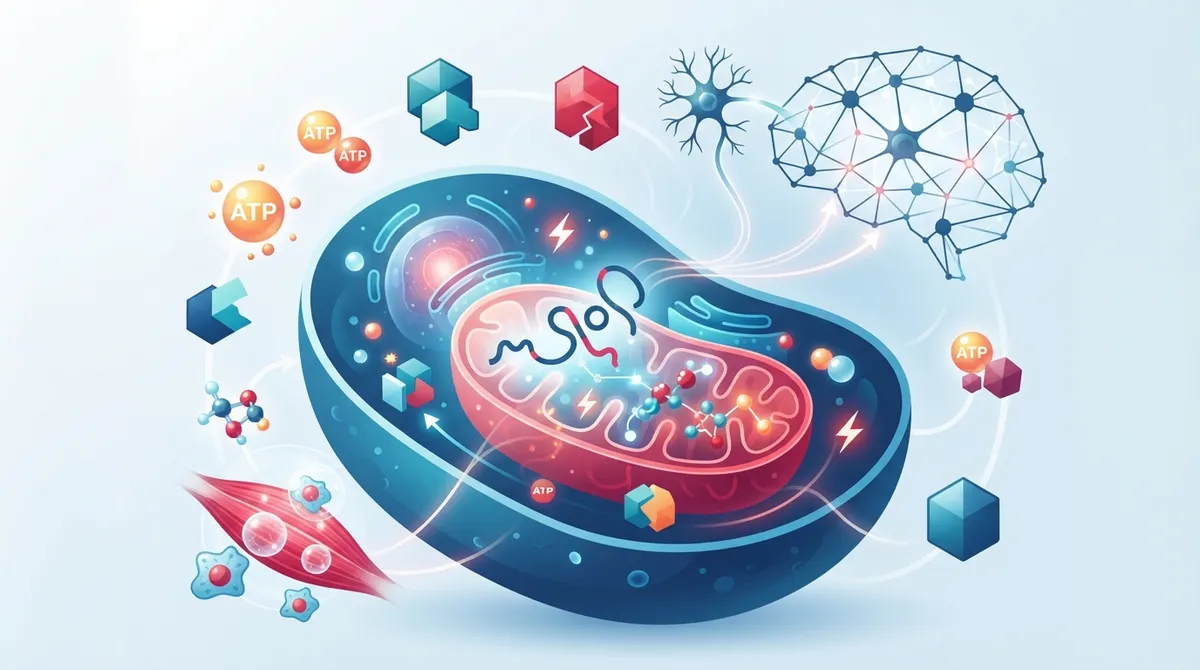
MOTS-c stands for mitochondrial open reading frame of the 12S rRNA-c. That is a mouthful, but the idea is simple. It is a tiny protein, made of just 16 amino acids, created inside your mitochondria. Mitochondria are the small structures inside your cells that produce energy.
Scientists first studied MOTS-c for its effects on metabolism and aging. It is not designed or approved to boost brainpower. Instead, researchers are exploring its role in blood sugar control, inflammation, and cell stress responses. Cognitive benefits are still an open question, not a settled fact.
MOTS-c and Brain Health: What the Research Shows
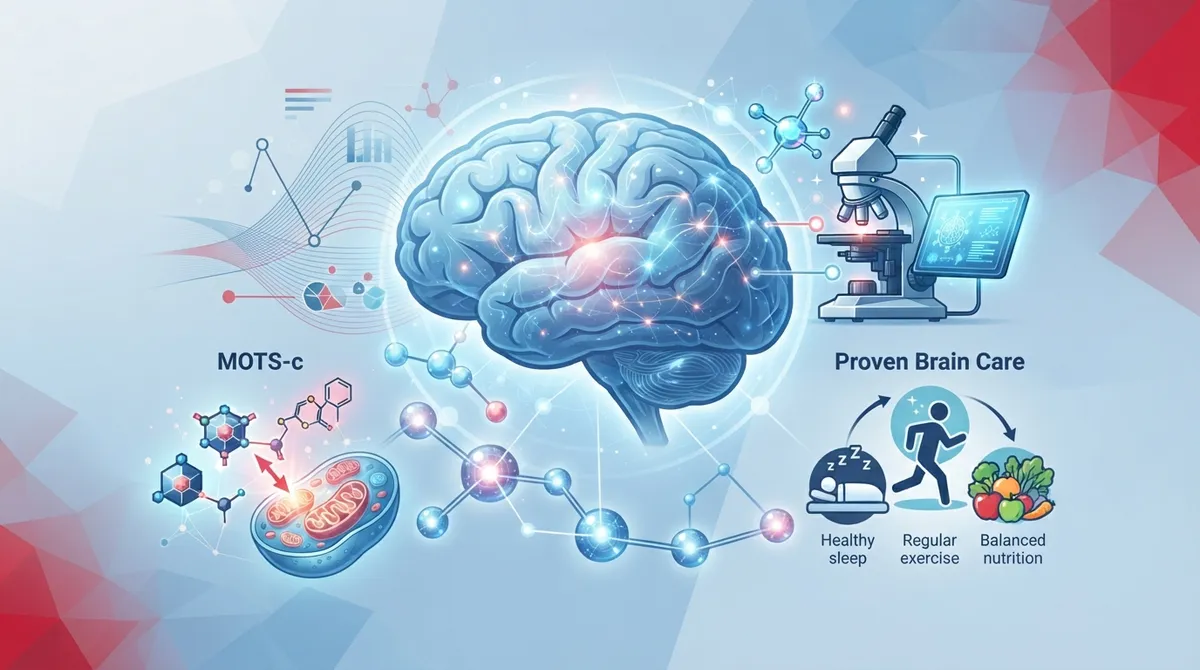
The most promising cognitive findings come from lab studies, not human trials. Scientists engineered a special version of MOTS-c that could cross the blood-brain barrier. This barrier normally blocks most substances from reaching brain tissue.
In mice, this engineered version improved memory tasks. It helped with object recognition and location memory. It also reduced some memory problems caused in lab experiments. These results sound exciting, but they come with a major catch.
Why Animal Studies Don't Equal Human Results
The MOTS-c used in most wellness products is not the engineered, brain-penetrant version. Regular, or native, MOTS-c has trouble crossing into the brain at all. A review cited by the Alzheimer's Drug Discovery Foundation found that regular injected MOTS-c improved physical performance in mice. It did not improve their thinking or memory.
This is a critical distinction. The peptide people buy today is not the same as the lab-modified version that showed brain benefits. Confusing the two can lead to false hope.
- Engineered, brain-penetrant MOTS-c improved memory in mice studies
- Standard, injectable MOTS-c did not improve cognition in the same research
- No human trial has proven MOTS-c improves memory, focus, or attention
- No study shows MOTS-c prevents dementia or slows cognitive decline
MOTS-c vs. Established Cognitive Health Strategies
When comparing MOTS-c to proven methods for protecting brain health, the difference is stark. One is backed by decades of research. The other is still in early, mostly animal-based study.
|
Factor |
MOTS-c for Cognition |
Established Cognitive Care |
|---|---|---|
|
Human Evidence |
None found for cognitive benefit |
Extensive, decades of data |
|
FDA Approval |
Not approved for any use |
Many screening tools and treatments approved |
|
Dosing Guidelines |
No validated dose exists |
Clear, physician-guided protocols |
|
Safety Data |
Limited, short-term only |
Well-documented long-term safety |
|
Availability |
Often unregulated sources |
Licensed clinics and pharmacies |
Is MOTS-c FDA-Approved for Cognitive Function?
No. MOTS-c is not approved by the FDA for cognitive impairment, dementia, aging, or any other medical condition. There is no established human dose for brain health. There is no proven treatment plan.
Most human research on MOTS-c has looked at metabolic health, not brain function. A short trial using a MOTS-c analog called CB4211 tested a 25 mg daily dose for 28 days. That study focused on liver and metabolic markers, not memory or thinking skills.
Understanding the Safety Concerns
Safety data on MOTS-c in humans remains limited. This matters more than many people realize. Limited safety data does not mean a product is safe. It means we simply do not know enough yet.
Published data on CB4211 showed short-term tolerability. But it also noted ongoing injection-site reactions. Remember, CB4211 is an analog, not identical to native MOTS-c. Results from one cannot be assumed for the other.
Risks Patients Should Know Before Trying MOTS-c
- Uncertain product purity and sterility from unregulated sources
- No proven dosing accuracy for cognitive goals
- Possible drug interactions that are not fully studied
- Risk of buying from unverified or unregulated compounding sources
- No long-term safety database to guide informed decisions
These risks are why our providers recommend caution. If you are curious about peptide therapy in general, our team can walk you through what is currently understood at our peptide therapy clinic in Tampa.
Possible Mechanisms Behind the MOTS-c Hype
Researchers have proposed several ways MOTS-c might work in the body. These ideas remain hypotheses, not proven treatments. They include:
- Activation of AMPK, a cell pathway linked to energy balance
- Better glucose use inside cells
- Improved mitochondrial stress response
- Reduced inflammation markers
- Possible effects on neuroprotective signaling pathways
These mechanisms sound impressive on paper. But a mechanism in a petri dish or a mouse is very different from a proven benefit in a human patient. This gap is why primary care providers stress caution before trying unproven peptides.
What Should You Do If You're Worried About Memory or Focus?
If you are noticing memory slips, trouble focusing, or brain fog, skip the unproven peptide trend. Start with a real evaluation instead. A thorough assessment looks at many possible causes, not just one trendy compound.
Steps a Primary Care Visit Typically Includes
- Review of sleep habits and sleep quality
- Screening for depression, anxiety, or mood changes
- Check of current medications for side effects or interactions
- Vision and hearing tests, since sensory loss affects cognition
- Blood pressure and vascular risk factor review
- Blood sugar and diabetes screening
- Alcohol and substance use discussion
- Thyroid and nutritional lab work when appropriate
- Validated cognitive screening tools if needed
- Referral to a specialist when warranted
This step-by-step approach catches real, treatable problems. Many causes of brain fog, like poor sleep or thyroid issues, have simple fixes. A trusted primary care provider can guide you through this process with confidence.
Evidence-Based Alternatives for Brain Health
Instead of chasing unproven peptides, focus on strategies with real scientific backing. These approaches support both brain and body health together.
- Regular cardiovascular exercise to support blood flow to the brain
- A balanced diet rich in fruits, vegetables, and healthy fats
- Consistent, quality sleep of seven to nine hours nightly
- Blood pressure and blood sugar management
- Limiting alcohol and avoiding smoking
- Staying socially active and mentally engaged
- Routine screenings to catch problems early
Many of these strategies overlap with services we already offer. Our DNA gene testing service can highlight personal risk factors, while body composition analysis helps track metabolic health that ties directly into brain function.
Why Choose InCare for Honest Wellness Guidance
Wellness trends come and go. What stays constant is the need for honest, evidence-based advice. At InCare, our providers, including Dr. Pramjeet Ahluwalia and Dr. Naveen Paddu, take time to explain what is proven and what is still experimental.
We serve patients through our Tampa and Riverview locations, offering everything from routine wellness visits to advanced cancer screenings and medical weight loss programs. Our goal is always to give you real answers, not just trends.
You can also see what real patients say by checking our reviews on Facebook or following our latest wellness tips on Instagram. For quick health tips and clinic updates, our TikTok page shares helpful content too.
The Bottom Line on MOTS-c for Cognitive Function
MOTS-c is an interesting research peptide with real potential in metabolic science. But when it comes to cognitive function, the evidence in humans simply is not there yet. Lab and animal studies hint at possibilities, but they used engineered forms not available in typical wellness products.
Until stronger human trials exist, proven strategies remain your best bet for protecting memory and mental sharpness. Routine primary care, healthy lifestyle habits, and regular screenings offer real, measurable benefits today.
If you have questions about brain health, peptide therapy, or want a full wellness checkup, our team is ready to help. You can also see what our InCare patients say by visiting our InCare location on Google. Ready to talk with a provider about your cognitive health goals? Schedule your visit today and get answers based on real science, not trends.
FAQs
Q: Does MOTS-c improve memory or focus in humans?
A: No reliable human studies show MOTS-c improves memory, focus, or attention. The strongest cognitive results come from animal studies using engineered peptide forms not found in typical wellness products.
Q: Can MOTS-c cross the blood-brain barrier?
A: Native MOTS-c has limited ability to cross the blood-brain barrier. Only specially engineered versions used in lab research have shown this ability, and these are not the same products sold commercially.
Q: Is MOTS-c FDA-approved for cognitive function or dementia?
A: No. MOTS-c is not FDA-approved for cognitive impairment, dementia, aging, or any medical condition. It remains an investigational peptide without established human dosing guidelines.
Q: What are the side effects and safety risks of MOTS-c?
A: Safety data in humans is limited. Studies on a related analog showed injection-site reactions and short-term tolerability, but long-term safety and effectiveness remain unproven for native MOTS-c.
Q: What evidence-based alternatives support cognitive health and healthy aging?
A: Proven strategies include regular exercise, quality sleep, blood pressure and blood sugar management, a balanced diet, and routine primary care screenings to catch treatable issues early.