Key Takeaways
- NMN reliably raises NAD+ biomarkers in human studies, but this increase has not consistently translated into proven health benefits like improved energy, slower aging, or disease prevention.
- MOTS-c remains largely experimental with very limited human evidence—most research is preclinical—while NMN has more developed human trial data, making NMN slightly better understood but neither compound has established clinical benefits.
- Before trying either compound, consult a primary care provider, especially if you have cancer history, liver/kidney disease, diabetes, or take prescription medications, as long-term safety data is minimal for both.
- Focus on evidence-backed strategies like sleep, exercise, nutrition, body composition analysis, and metabolic testing rather than unproven peptides—these deliver more reliable results for metabolic health and longevity.
Wellness clinics across Tampa and Riverview are fielding more questions about longevity peptides and NAD+ boosters than ever before. Two names keep coming up: MOTS-c and NMN. If you have seen these terms on social media or heard about them from a friend, you may wonder which one is right for you, or if either is worth trying at all.
This guide breaks down what MOTS-c and NMN actually are, what the science says, and how to think about them within a broader wellness plan. Whether you are a busy parent trying to keep your energy up, a fitness-focused professional chasing better metabolic health, or simply curious about anti-aging trends, understanding the real evidence matters. At InCare, our providers believe informed decisions start with clear, honest information rather than hype.
What Is MOTS-c and How Does It Work
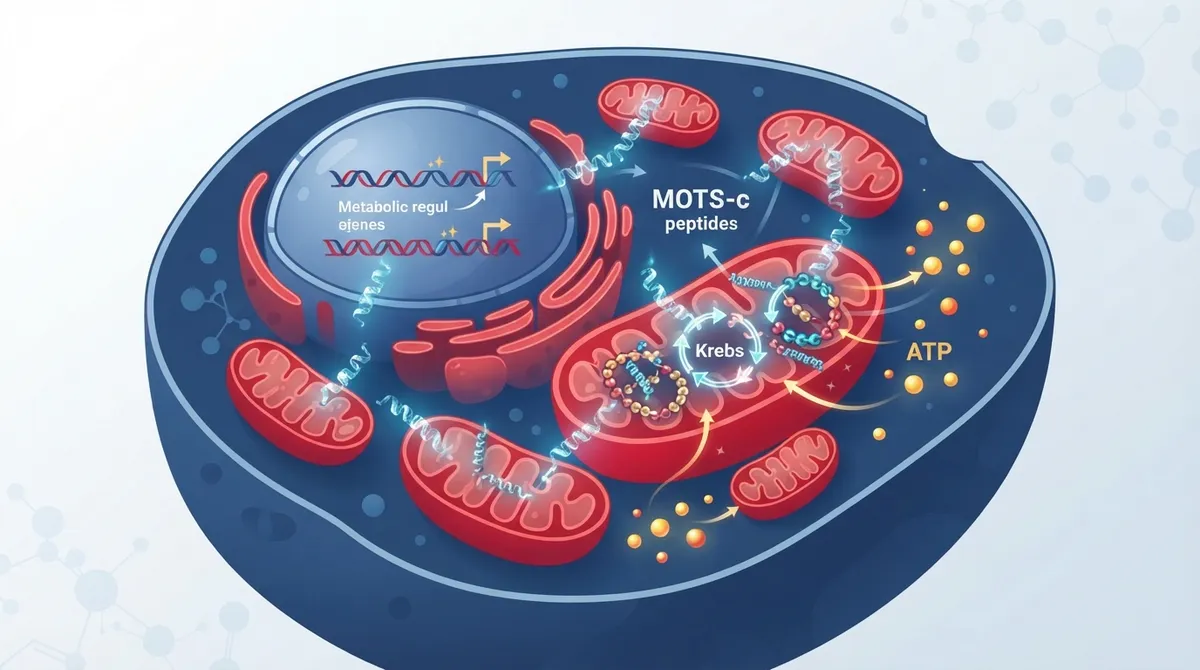
MOTS-c is a small peptide made from instructions stored in your mitochondria, the energy-producing parts of your cells. Researchers first identified it because it appeared to help regulate how your body uses glucose and manages insulin sensitivity.
Most of what we know about MOTS-c comes from studies in cells and animals, not humans. Scientists are interested in its potential role in:
- Supporting glucose metabolism during physical stress
- Influencing how cells adapt to exercise
- Regulating energy production inside mitochondria
- Potentially supporting insulin sensitivity over time
While these early findings are promising, they do not yet translate into proven human benefits. There is no established clinical dose, and long-term safety data in people remains limited. If you are exploring peptide therapy in Tampa, it helps to understand that MOTS-c sits firmly in the experimental category right now.
What Is NMN and Why Is It So Popular
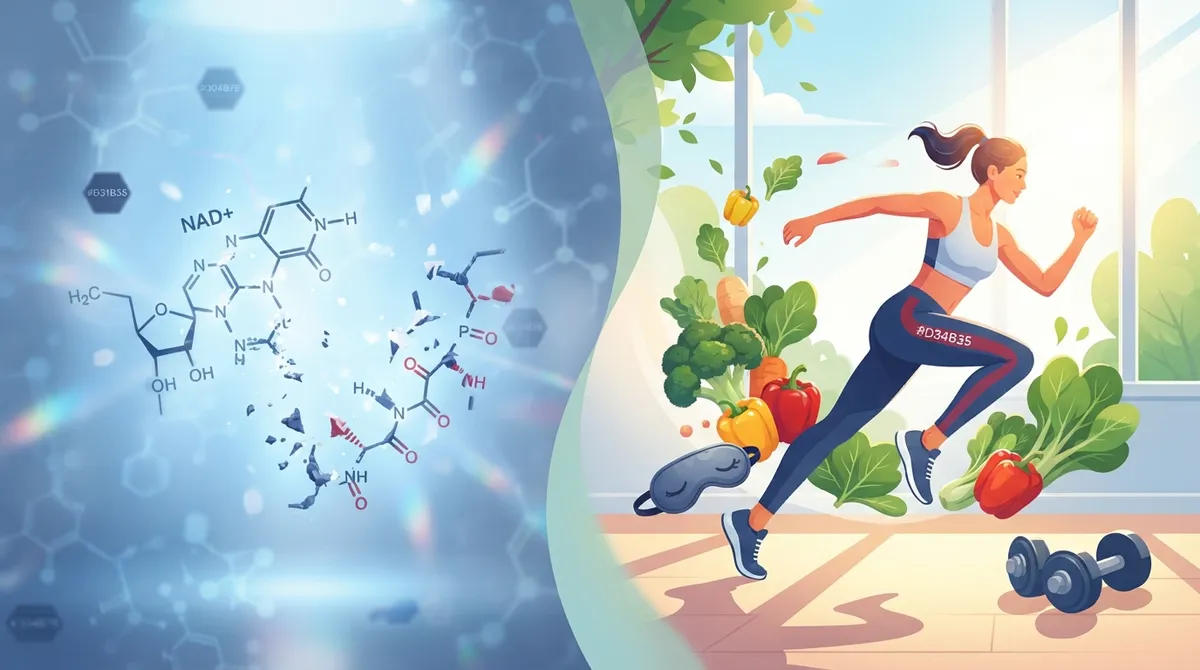
NMN, short for nicotinamide mononucleotide, works differently. It is a building block your body uses to make NAD+, a molecule every cell needs for energy production, DNA repair, and overall cellular function.
As we age, NAD+ levels naturally decline. This has led researchers to study whether taking NMN as a supplement can restore NAD+ levels and possibly support healthy aging. Unlike MOTS-c, NMN has a more developed body of human research behind it.
What Human Studies Actually Show
A 2025 review of NAD+-related interventions looked at 33 human studies, including 28 randomized trials. The takeaway was clear: oral NMN reliably raises NAD+-related biomarkers in the blood. However, the review also found that clear health benefits, like slower aging or reduced disease risk, remain inconsistent and unproven.
Other findings paint a similar picture:
- A meta-analysis of 8 NMN trials involving 342 mostly healthy, middle-aged and older adults found no significant benefit for lipid profiles or blood sugar control, even at doses up to 2,000 mg per day.
- One randomized trial gave participants up to 900 mg of NMN daily for 60 days. It was well tolerated and raised blood NAD levels, but did not prove any disease-prevention or anti-aging benefit.
- A multicenter study found no serious safety concerns at doses up to 300 mg, though the study period was short.
In short, NMN appears to be tolerable in the short term and does raise NAD+ markers. But turning that biomarker change into a real-world benefit, like more energy, better blood sugar, or slower aging, has not been consistently proven.
MOTS-c vs NMN: Key Differences at a Glance
These two compounds are often mentioned together, but they are not interchangeable. Here is how they compare side by side.
|
Feature |
MOTS-c |
NMN |
|---|---|---|
|
Type |
Mitochondrial-derived peptide |
NAD+ precursor (small molecule) |
|
Human Evidence |
Very limited, mostly preclinical |
More developed, but mixed results |
|
Common Form |
Compounded injectable, research product |
Oral capsule or powder |
|
Regulatory Status |
Not FDA approved for any condition |
Not FDA approved as a drug; sold as a supplement |
|
Proven Benefits |
None established in humans |
Raises NAD+ biomarkers; broader benefits unproven |
|
Safety Data |
Minimal long-term human data |
Short-term data only, small samples |
Why Biomarkers Are Not the Same as Real Results
It is easy to get excited when a supplement raises a number on a lab report. But raising a biomarker, like NAD+ levels, does not automatically mean you will feel better, live longer, or avoid disease.
This distinction matters a lot when evaluating NMN and MOTS-c claims. Ask yourself:
- Does this compound improve how I feel day to day?
- Does it lower my risk for diabetes, heart disease, or other conditions?
- Has it been tested in people like me, with my health history?
- Are the study samples large enough to trust the results?
Right now, the honest answer for both MOTS-c and NMN is that we do not have strong evidence answering these questions. Human NMN studies often involve small groups, sometimes as few as 42 to 108 participants, followed for just 6 to 12 weeks. That is not enough time or scale to prove long-term safety or benefit.
Safety Considerations Before You Try Either Compound
Before considering MOTS-c or NMN, it is worth having a conversation with a primary care provider who understands your full health picture. This is especially important if you have:
- A history of cancer or are currently in cancer treatment
- Liver or kidney disease
- Diabetes or are on diabetes medication
- Plans for pregnancy or are currently pregnant
- Any prescription medications that could interact unpredictably
MOTS-c products sold by some wellness clinics may be compounded, injectable, or labeled as research chemicals. This creates extra concerns around purity, sterility, and accurate dosing. NMN, sold as an oral supplement, carries fewer handling risks but still lacks strong long-term safety data.
Our team at InCare reviews your DNA gene testing results, current medications, and overall health during a comprehensive primary care visit before discussing any experimental therapy. This helps you make decisions based on your actual health status, not marketing claims.
How to Approach Longevity and Metabolic Health the Smart Way
Rather than chasing unproven compounds, many patients get better results by focusing on strategies with strong evidence behind them. Consider these steps:
- Get a baseline body composition analysis to understand your starting point.
- Ask about metabolic breath analysis to see how your body burns energy.
- Discuss weight management options, including medically supervised weight loss programs, if that is a goal.
- Prioritize sleep, exercise, and nutrition, which remain the most proven levers for metabolic health.
- Consider IV hydration and vitamin therapy for short-term energy support under medical guidance.
These approaches are backed by far more research than either MOTS-c or NMN and can be tailored specifically to your goals through a personalized wellness plan.
Questions to Ask Your Provider
If you are still curious about MOTS-c or NMN after learning the facts, bring these questions to your next visit:
- What is the source and quality of this product?
- Is this compounded, and if so, by which pharmacy?
- How does this fit with my current medications and health conditions?
- What outcomes should I realistically expect?
- Are there safer, more proven alternatives for my goals?
A qualified provider should be able to walk you through the evidence honestly, including its limitations. This transparency is part of what separates responsible wellness care from marketing hype. You can learn more about our approach to evidence-based care by exploring what peptides really do for longevity and wellness.
Why Choose InCare for Wellness and Metabolic Health Guidance
InCare combines advanced diagnostic tools with a personalized approach to primary care and wellness. Our providers at both the Tampa and Riverview locations take time to review your full health history before recommending any treatment, whether that is an established therapy or an emerging option like peptide therapy.
Patients trust our team, including physicians like Dr. Pramjeet Ahluwalia and Dr. Naveen Paddu, to give clear, honest guidance rather than one-size-fits-all recommendations. You can read what real patients say by visiting our InCare location on Google, where we maintain a strong reputation for thoughtful, individualized care.
We also stay connected with our community through Facebook, Instagram, and TikTok, where we share practical wellness tips grounded in real science.
Take the Next Step Toward Informed Wellness Decisions
MOTS-c and NMN represent two different corners of the fast-moving longevity space. NMN has more human data, though results remain mixed. MOTS-c is still mostly confined to lab and animal research. Neither should replace proven medical care, healthy lifestyle habits, or guidance from a trusted provider.
If you want a clear-eyed conversation about your metabolic health, weight goals, or interest in peptide therapy, our team is ready to help. Reach out to our team today to schedule a consultation, or go ahead and book your appointment now to start your personalized wellness journey at InCare.
FAQs
Q: What is the difference between MOTS-c and NMN?
A: MOTS-c is a mitochondrial-derived peptide studied mainly in cells and animals, while NMN is a small molecule that helps your body produce NAD+. NMN has more human trial data, though neither compound has proven, established clinical benefits yet.
Q: Is MOTS-c more effective than NMN for weight loss or insulin sensitivity?
A: Neither compound has strong human evidence supporting weight loss or insulin sensitivity claims. MOTS-c remains largely preclinical, and NMN trials have shown inconsistent results for glucose and lipid outcomes.
Q: Does NMN really increase NAD+ levels in humans?
A: Yes, multiple human studies confirm that oral NMN raises NAD+-related biomarkers. However, this biomarker increase has not consistently translated into measurable health improvements like better energy or disease prevention.
Q: Is MOTS-c approved by the FDA or another medical regulator?
A: No, MOTS-c is not FDA approved for any medical condition. It is typically sold as a compounded or research product, which raises additional questions about purity, dosing, and safety.
Q: Can people with diabetes or metabolic syndrome take NMN or MOTS-c?
A: Anyone with diabetes or metabolic syndrome should talk to a primary care provider before trying either compound. Current evidence does not support using MOTS-c or NMN as a replacement for proven diabetes management strategies.