Key Takeaways
- KPV topical application lacks FDA approval and human clinical trial evidence; most research is limited to cell cultures and animal studies, making marketing claims significantly outpace actual scientific proof of safety and effectiveness.
- Traditional anti-inflammatory treatments like topical corticosteroids have decades of human clinical data and clear dosing guidelines, while KPV has no established dose, formulation, or long-term safety data in people.
- Before trying any KPV product, verify FDA approval for your condition, confirm human clinical trials exist, identify the manufacturer, and consult a licensed provider rather than relying on unverified wellness trends.
- KPV poses uncertain safety risks including skin irritation, contamination in compounded products, unknown systemic absorption, and unclear safety for pregnancy, breastfeeding, and children—making evidence-based treatments the safer first choice.
Scroll through wellness social media and you may see glowing posts about KPV creams for eczema, redness, or skin irritation. The pitch sounds appealing: a natural peptide, applied topically, said to calm inflamed skin without steroids. But before you add another product to your medicine cabinet, it helps to understand what KPV topical application actually is, what science says, and how it compares to treatments your primary care doctor already trusts.
This guide breaks down the real evidence behind KPV creams and lotions, weighs them against standard anti-inflammatory care, and explains why a conversation with a licensed provider matters more than a trending peptide. Whether you are a busy parent managing a child's skin flare-up or someone exploring wellness optimization, this comparison gives you the facts you need before spending money on an unproven product.
What Is KPV Topical Application?
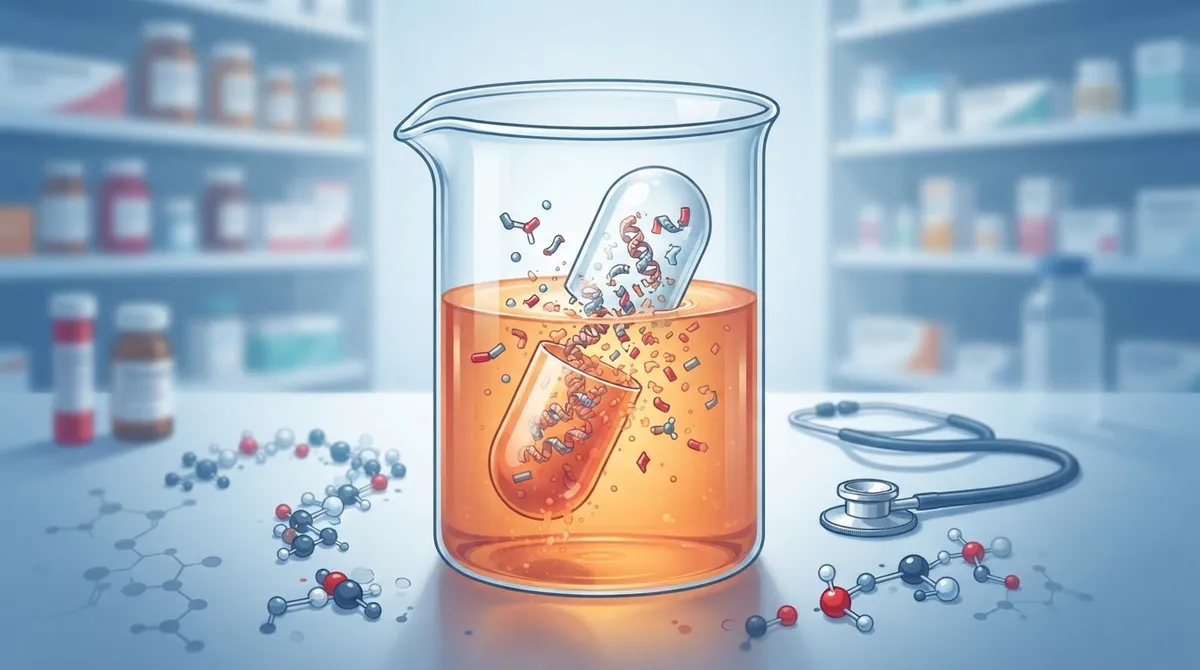
KPV stands for Lys-Pro-Val, a small tripeptide that comes from a larger hormone called alpha-melanocyte-stimulating hormone (α-MSH). Researchers have studied KPV in labs and animals because it appears to calm certain inflammatory signals, including a molecule called interleukin-1β. This early research made KPV interesting to scientists studying wound healing and skin inflammation.
Topical KPV usually comes as a cream, lotion, or compounded gel. Sellers market it for eczema, psoriasis, dermatitis, redness, and slow-healing skin. Some formulas are even delivered through experimental methods like iontophoresis, which uses a mild electrical current to push the peptide through skin.
How KPV Is Different From Everyday Skincare Ingredients
Unlike retinol, niacinamide, or hydrocortisone, KPV has not gone through the same level of testing in people. Most peptides that reach store shelves come with decades of dermatology research behind them. KPV, by contrast, remains in an early research stage, mostly limited to cell cultures and animal studies.

What Does the Science Actually Say?
This is where the marketing and the medical evidence start to diverge. According to available research summaries, most KPV data comes from lab dishes and animal models, not human clinical trials. There is no strong, peer-reviewed proof that topical KPV safely or effectively treats eczema, psoriasis, or wounds in real patients.
Some commercial sources claim a 2% KPV cream reduced Eczema Area and Severity Index (EASI) scores by about 52% over 12 weeks. This number sounds impressive, but the underlying study details and peer-reviewed publication status have not been confirmed. Until that data is verified and published, this claim should be treated as unconfirmed rather than proven fact.
Key Facts Every Patient Should Know
- KPV is not FDA-approved as a topical drug for any skin condition.
- No standardized dose, formulation, or absorption profile has been established.
- Long-term human safety data is lacking, even in short animal studies.
- KPV has been discussed at FDA compounding committee meetings, but discussion is not the same as approval.
- Marketing claims for KPV creams currently outpace the clinical evidence available.
KPV Topical Application vs. Traditional Anti-Inflammatory Treatments
When comparing KPV cream to standard care, it helps to look at the evidence side by side. Traditional treatments like topical corticosteroids, calcineurin inhibitors, and prescription eczema medications have been studied in thousands of patients over many years. KPV has not.
|
Factor |
Topical KPV |
Standard Anti-Inflammatory Treatments |
|---|---|---|
|
FDA Approval |
Not approved for any skin condition |
Many options are FDA-approved |
|
Clinical Evidence |
Mostly cell and animal studies |
Large human trials, decades of data |
|
Standardized Dosing |
No established dose or formulation |
Clear, tested dosing guidelines |
|
Safety Data |
Limited, short-term only |
Well-documented long-term safety |
|
Best Used For |
Not currently recommended for treatment |
Diagnosed inflammatory skin conditions |
This comparison shows a clear gap. If you are managing a skin condition, working with a provider who can offer primary care guidance and evidence-based treatment is a safer bet than relying on an experimental peptide cream.
Who Might Be Tempted to Try KPV Cream?
Several groups are drawn to peptide skincare trends, often for good reasons. Understanding these motivations helps explain why KPV topical application shows up so often in wellness conversations.
- Tech-savvy wellness seekers who enjoy trying new health innovations before mainstream medicine catches up.
- Parents managing a child's eczema who want a gentler option than steroid creams.
- Women without an established primary care provider who search online instead of booking a visit.
- Fitness and biohacking communities interested in peptides for recovery and skin health.
- People frustrated with slow-healing skin issues looking for a faster fix.
While curiosity is understandable, skin health decisions deserve careful thought, especially when a product lacks approval and long-term safety data.
Potential Risks of Topical KPV
Because KPV has not been studied extensively in humans, several safety concerns remain unanswered. These risks matter most for people with sensitive, broken, or already inflamed skin.
- Skin irritation or contact dermatitis from unregulated formulations.
- Contamination or instability in compounded products.
- Unknown systemic absorption, especially over large skin areas.
- Higher risk when applied near the eyes or on open wounds.
- Unclear safety during pregnancy, breastfeeding, or in children.
If you notice spreading redness, drainage, fever, or a wound that will not heal, this is not the time to experiment with an unproven cream. These symptoms need a same-day evaluation, which is why services like urgent care exist for fast, reliable treatment.
When to See a Provider Instead of Self-Treating
Skin conditions can look similar but have very different causes. A rash from an allergic reaction is treated differently than a rash from a bacterial infection. A licensed provider can accurately diagnose the issue before recommending a treatment plan, something no over-the-counter peptide cream can replace.
How InCare Approaches Skin and Inflammatory Concerns
At InCare, patients in Tampa and Riverview have access to providers who prioritize evidence-based care first. Rather than reaching for trending peptides with limited human data, the team focuses on accurate diagnosis, proven treatments, and long-term skin health strategies tailored to each patient.
Comprehensive visits may also include broader wellness evaluations, such as DNA gene testing to understand inflammatory tendencies, or body composition analysis to track overall health trends that can affect skin. These tools give patients real, measurable data instead of relying on unverified peptide claims.
Patients curious about peptide therapy in general can also learn more through peptide therapy resources in Tampa, where licensed providers explain which peptides have real clinical support and which remain experimental.
Questions to Ask Before Trying Any Peptide Product
Before purchasing a KPV cream or any peptide-based skincare product, ask these important questions:
- Is this product FDA-approved for my specific skin condition?
- What human clinical trials support its safety and effectiveness?
- Who manufactures the product, and is it tested for purity?
- Could this interact with medications I already use?
- Would a licensed provider recommend this over standard treatment?
If you cannot get clear answers to these questions, it is best to pause and speak with a healthcare professional first.
Why Evidence-Based Care Still Wins
Wellness trends move fast, but good medicine moves carefully. KPV topical application may eventually earn a place in dermatology, but right now, the evidence simply is not there. Choosing proven treatments protects your skin and your overall health, especially when conditions like psoriasis or chronic dermatitis need consistent, monitored care.
For families balancing busy schedules, working with a trusted provider team means you get real answers without guesswork. And for anyone building a broader wellness routine, services like IV hydration and vitamin drips or medically supervised weight loss programs offer additional ways to support your health with real clinical oversight.
Bringing It All Together: KPV Cream vs. Trusted Skin Care
When you compare topical KPV to standard, evidence-based skin treatments, the choice becomes clear. KPV remains an interesting peptide worth watching, but it is not ready to replace care that has already proven itself safe and effective. If you are dealing with persistent skin irritation, unexplained redness, or a wound that will not heal, a licensed primary care visit is the safer, smarter first step.
InCare's Tampa and Riverview locations combine modern diagnostic tools with real medical expertise, so you get answers instead of assumptions. Patients consistently share their experiences online, and you can visit us on Google — InCare to read what current patients say about their care. You can also follow health tips and clinic updates on Facebook, Instagram, and TikTok.
If you have questions about a skin concern, an unexplained rash, or want to explore proven wellness options instead of unverified peptide creams, our team is ready to help. Reach out to our care team today or schedule your visit now to get evidence-based guidance built around your health.
FAQs
Q: What is KPV topical application used for?
A: KPV topical application refers to creams or lotions containing the tripeptide Lys-Pro-Val, marketed for eczema, dermatitis, psoriasis, redness, and wound healing. However, these uses are based mostly on preclinical research, not confirmed human clinical trials.
Q: Does topical KPV work for eczema, psoriasis, or dermatitis?
A: Current evidence does not confirm that topical KPV effectively treats these conditions in people. Most research comes from cell cultures and animal studies, with limited or no verified peer-reviewed human trials.
Q: Is KPV cream FDA approved?
A: No. There is no FDA-approved topical KPV drug product, approved indication, or standardized therapeutic dose. KPV has been discussed in FDA compounding committee reviews, but that discussion does not equal approval.
Q: Is topical KPV safe to use on broken or inflamed skin?
A: Safety is uncertain, especially on broken skin, near the eyes, or over large body areas. Potential risks include irritation, allergic reactions, and unknown systemic absorption, so it should not replace evaluation for spreading redness, drainage, or fever.
Q: How does KPV compare with corticosteroids or other evidence-based anti-inflammatory treatments?
A: Corticosteroids and other approved treatments have decades of human clinical data supporting their safety and effectiveness. KPV lacks standardized dosing, long-term safety studies, and FDA approval, making it a less reliable option for diagnosed skin conditions.