Key Takeaways
- KP-10 has no FDA approval for any medical condition, including low testosterone, fertility treatment, weight loss, or anti-aging despite bold online claims about these benefits.
- Studies show KP-10 can raise luteinizing hormone (LH) levels within 30-40 minutes when administered intravenously in controlled medical settings, but results don't translate to safe home use with unregulated products.
- Unregulated online KP-10 products pose significant risks including unverified purity and concentration, unconfirmed sterility for injections, and no long-term human safety data available.
- Kisspeptin-54, not KP-10, is the form commonly used in fertility research due to its longer half-life and better blood-brain barrier crossing; research results between the two peptides should not be assumed equivalent.
- Before considering any peptide therapy, consult a licensed provider for proper hormone testing (LH, FSH, testosterone/estrogen levels) to identify actual diagnoses rather than self-treating based on internet trends.
- Much kisspeptin research remains in early clinical phases focused on reproductive hormone conditions like hypogonadotropic hypogonadism and hypothalamic amenorrhea, not general wellness optimization.
If you have searched for "KP-10 benefits," you may have found bold claims about fertility boosts, testosterone gains, and anti-aging effects. These claims can be confusing, especially when you are trying to make smart choices about your health. KP-10, also called kisspeptin-10, is a real molecule your body makes naturally. It plays a role in hormone signaling tied to reproduction. But most of what you read online goes far beyond what science has actually proven.
This guide breaks down what KP-10 is, how it works in the body, and what current research supports. We will also cover the risks of buying unregulated peptides and why speaking with a licensed provider matters more than any online claim. Whether you are exploring hormone health, fertility questions, or general wellness optimization, understanding the facts protects you from wasted money and potential harm. At InCare, our team in Tampa and Riverview believes informed patients make better decisions, so let's look at the evidence.

What Is KP-10 (Kisspeptin-10)?
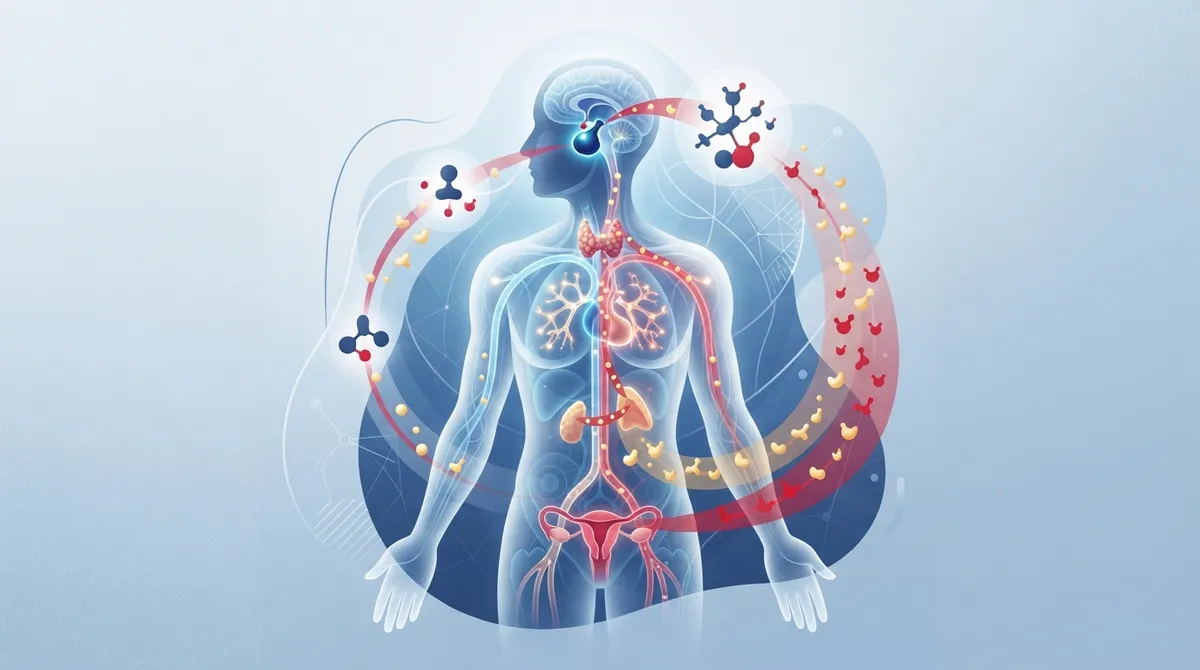
KP-10 is a short fragment of a larger protein made from the KISS1 gene. Your body produces this peptide naturally in the hypothalamus, a part of the brain that controls hormones. KP-10 attaches to a receptor called KISS1R, sometimes called GPR54. This receptor sits on nerve cells that release gonadotropin-releasing hormone, known as GnRH.
When KP-10 activates these nerve cells, GnRH increases. This triggers your pituitary gland to release two important hormones:
- Luteinizing hormone (LH), which drives testosterone and ovulation
- Follicle-stimulating hormone (FSH), which supports sperm and egg development
In simple terms, KP-10 sits near the top of a hormone chain reaction. It is not a hormone itself, but it can trigger the release of several reproductive hormones downstream.
How KP-10 Affects Your Hormones
Human studies show that KP-10 can raise LH levels in a fairly short time. One review found that an intravenous KP-10 dose of about 0.77 nmol per kilogram raised LH from around 4.1 IU/L to 12.4 IU/L. Another study involving men with type 2 diabetes and low testosterone found LH rose from about 3.9 to 20.7 IU/L, while testosterone increased from roughly 8.5 to 11.4 nmol/L after KP-10 infusion.
These are meaningful lab changes, but they came from controlled research settings, not from self-administered injections. Researchers gave precise, monitored doses to specific patient groups. The results do not translate into a proven treatment you can safely try at home.
How Fast Does KP-10 Work?
Studies show that LH levels can start rising 30 to 40 minutes after an intravenous KP-10 dose, typically between 0.3 and 1.0 nmol per kilogram. This rapid response is part of why researchers find KP-10 interesting for studying the hypothalamic-pituitary-gonadal axis, the hormone system that governs reproduction.
Potential Areas of Medical Interest
Most credible research on KP-10 focuses on reproductive and hormone-related conditions. Below is a list of areas where scientists are actively studying kisspeptin-based therapies:
- Hypogonadotropic hypogonadism, a condition where the brain fails to send proper signals for hormone production
- Hypothalamic amenorrhea, or missed periods caused by disrupted hormone signaling
- Delayed puberty in adolescents
- Fertility treatment support, particularly as an ovulation trigger in assisted reproduction
- Reducing the risk of ovarian hyperstimulation syndrome (OHSS) during fertility treatments
It is worth noting that much of the fertility research uses kisspeptin-54, a longer-acting version of the peptide, rather than KP-10 itself. Kisspeptin-54 has a longer half-life and crosses the blood-brain barrier more effectively. This distinction matters because results from one peptide should not be assumed to apply to the other.
KP-10 Research Snapshot
|
Study Detail |
Reported Finding |
|---|---|
|
LH increase (men with diabetes and hypogonadism) |
3.9 to 20.7 IU/L after KP-10 infusion |
|
Testosterone increase (same study) |
8.5 to 11.4 nmol/L |
|
LH increase (0.77 nmol/kg IV bolus) |
4.1 to 12.4 IU/L |
|
Time to LH response |
30 to 40 minutes after IV dose |
|
Number of human studies reviewed (2025 summary) |
At least 12 clinical studies |
What KP-10 Is Not Approved to Treat
This is the most important section for anyone considering KP-10 for wellness purposes. The U.S. Food and Drug Administration has not approved KP-10 for any medical condition. It is not an approved treatment for:
- Low testosterone or general hormone replacement
- Fertility treatment outside of research settings
- Weight loss or metabolic optimization
- Anti-aging or longevity purposes
- Mood, libido, or sexual function enhancement
- Cardiovascular health improvement
A 2024 article in Endocrine Reviews identified reproductive, metabolic, liver, bone, and behavioral applications of kisspeptin as active research areas. Active research is not the same as an approved treatment. Many of these potential benefits come from small early studies, animal research, or lab-based mechanisms that have not been confirmed in large human trials.
Safety Concerns With Unregulated KP-10 Products
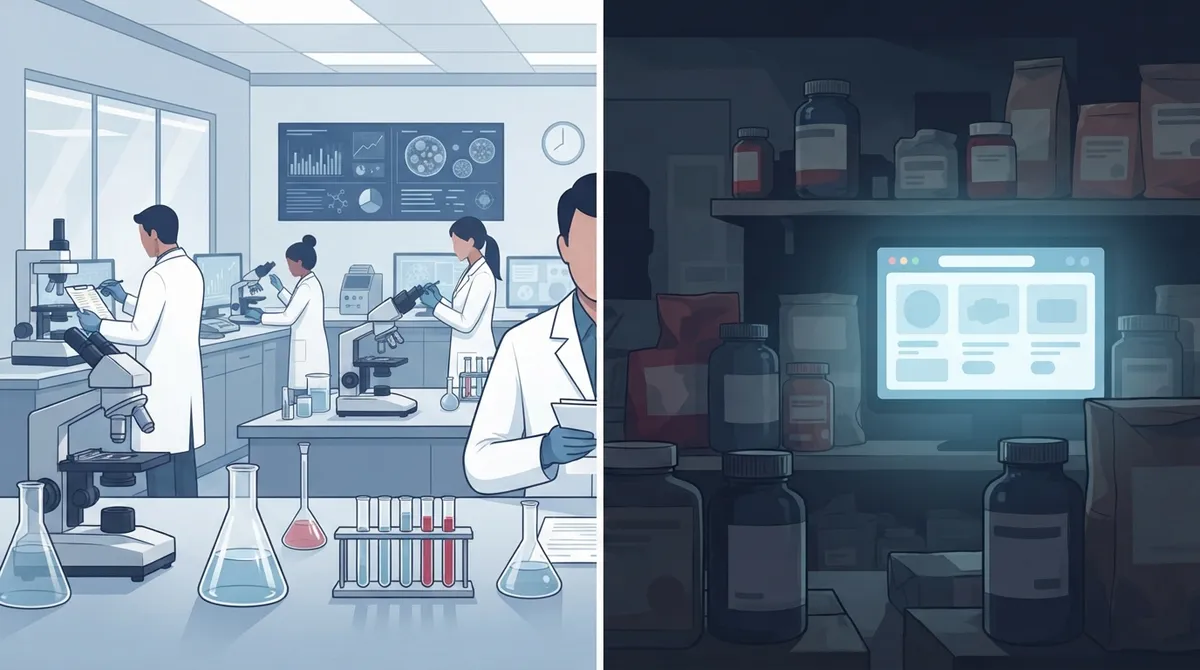
Online suppliers sell KP-10 as a research chemical, often without any medical oversight. This creates several risks worth understanding before you consider trying it:
- Purity and concentration are not guaranteed, since these products are not FDA regulated
- Sterility cannot be confirmed, raising infection risk with injectable products
- Dosing information online is often inconsistent or based on animal studies
- Long-term safety data in humans does not exist yet
- Legal and quality control standards vary widely between suppliers
Clinical reviews through 2022 did report that short-term kisspeptin trials showed no significant increase in nausea, blood pressure changes, or heart rate changes compared to placebo. No serious adverse events were reported in those small trials. However, this reassuring short-term data does not confirm long-term safety, especially for products purchased outside a medical setting.
Why Primary Care Matters More Than Peptide Trends
Hormone imbalances, fertility struggles, and low energy can all have many different causes. Jumping straight to an unproven peptide skips an important step: proper diagnosis. A qualified primary care provider can order the right lab work, review your full health history, and identify what is actually driving your symptoms.
At InCare, our providers take a whole-body approach to hormone and wellness concerns. This often includes comprehensive lab panels, DNA gene testing, and body composition analysis to build a complete picture of your health. These tools give real, actionable data instead of relying on unproven internet trends.
Steps to Take Before Considering Any Peptide Therapy
If you are curious about hormone optimization or fertility support, consider these steps first:
- Schedule a comprehensive evaluation with a licensed primary care provider
- Request appropriate hormone panel bloodwork, including LH, FSH, and testosterone or estrogen levels
- Discuss your symptoms honestly, including energy, mood, sleep, and reproductive concerns
- Ask about FDA-approved treatment options that address your specific diagnosis
- Avoid self-sourcing peptides from unregulated online suppliers
Providers like Dr. Naveen Paddu, Dr. Pramjeet Ahluwalia, and Dr. Teshy John can help you understand your lab results and recommend proven paths forward, whether that involves further specialist referral, lifestyle changes, or evidence-based hormone therapy.
Kisspeptin-10 vs. Kisspeptin-54: Key Differences
|
Feature |
Kisspeptin-10 (KP-10) |
Kisspeptin-54 |
|---|---|---|
|
Length |
Short fragment (10 amino acids) |
Longer chain (54 amino acids) |
|
Half-life |
Shorter |
Longer |
|
Blood-brain barrier crossing |
Limited |
Better ability to cross |
|
Common use in fertility trials |
Less common |
More common |
|
FDA approval status |
Not approved |
Not approved |
Where InCare Fits Into Your Wellness Journey
InCare combines advanced diagnostic tools with a personalized approach to primary care in Tampa and Riverview, Florida. Rather than chasing unproven trends, our team focuses on evidence-based strategies for hormone health, weight management, and preventive care. Services like IV hydration and vitamin drips, medically supervised weight loss, and cancer screening are all grounded in established medical practice.
We understand that patients are curious about emerging peptides and want to explore every option for feeling their best. That curiosity is valuable, and it deserves an honest, science-based answer rather than marketing hype. Our clinics serve busy families, young professionals, and anyone looking for proactive, whole-body care across the Tampa Bay area. You can also follow our latest health updates on Facebook and Instagram, or catch quick wellness tips on TikTok.
Common Questions Patients Ask About KP-10
Many patients want a simple answer to whether KP-10 is worth trying. The honest answer is that it remains an investigational compound, not a proven supplement or treatment. If you are dealing with fertility concerns, low libido, or suspected hormone imbalance, a proper diagnosis will serve you far better than an unregulated peptide. According to the National Center for Biotechnology Information, much of the kisspeptin research remains in early clinical phases, reinforcing the need for caution.
Building a Safer Path Forward
Instead of guessing about dosing an unregulated peptide, work with a provider who can order real lab tests and explain what your results mean. This approach protects your health and your wallet. Many patients who come to InCare curious about peptides leave with a clearer understanding of their actual hormone status and a safer plan for improvement.
Our patients consistently rate their experience highly, and you can visit us on Google — InCare to read real reviews from people across Tampa and Riverview. Many mention the thorough, honest approach our providers take with hormone and wellness questions.
Final Thoughts on KP-10 Benefits
KP-10 is a fascinating molecule with real biological effects on the hormone system. Research shows it can raise LH and, in some cases, testosterone through natural signaling pathways. But fascinating does not mean ready for everyday use. No FDA approval exists for KP-10 in fertility treatment, hormone therapy, weight loss, or anti-aging care. Claims that go beyond this evidence should be treated with healthy skepticism.
If you are curious about your hormone health, fertility, or general wellness, the safest and smartest step is a conversation with a licensed provider. Our team at InCare offers comprehensive evaluations using proven diagnostic tools, so you get real answers instead of unverified promises. Ready to take the next step? Book your appointment today and let our Tampa and Riverview team guide you toward safe, evidence-based care. You can also reach out to our team with any questions about hormone testing or wellness services.
FAQs
Q: What is KP-10 or kisspeptin-10?
A: KP-10 is a naturally occurring neuropeptide fragment made from the KISS1 gene. It activates a receptor on brain cells that control reproductive hormone release, influencing luteinizing hormone, follicle-stimulating hormone, testosterone, and estrogen production.
Q: Is KP-10 approved by the FDA for low testosterone or infertility?
A: No, KP-10 has no FDA-approved medical indication. It remains an investigational compound studied mainly in research settings for reproductive hormone conditions, not an approved treatment for testosterone deficiency or infertility.
Q: Can KP-10 improve fertility or trigger ovulation?
A: Kisspeptin-based compounds are being studied as ovulation triggers in assisted reproduction, but most of that research uses kisspeptin-54 rather than KP-10 specifically. Results from one form should not be assumed to apply to the other.
Q: Is it safe to buy or inject KP-10 from an online peptide supplier?
A: This is not recommended. Products sold online often have uncertain purity, concentration, and sterility, and there is no long-term human safety data. Working with a licensed provider for proper testing and diagnosis is a much safer approach.
Q: How is kisspeptin-10 different from kisspeptin-54?
A: Kisspeptin-54 is a longer peptide chain with a longer half-life and better ability to cross the blood-brain barrier, which is why it is used more often in human fertility trials. KP-10 is shorter and less commonly studied in that specific context.