Key Takeaways
- Kisspeptin is not FDA-approved and remains in research settings only; it cannot replace proven treatments like testosterone replacement therapy or standard fertility protocols for managing low hormones or infertility.
- Kisspeptin acts as an upstream regulator that triggers GnRH release, which then signals LH and FSH production—it does not directly produce sex hormones but controls the entire reproductive hormone signaling chain.
- Loss of kisspeptin signaling causes congenital hypogonadotropic hypogonadism, leading to delayed puberty, low sex hormone levels, reduced fertility, low libido, and bone density loss despite normally functioning glands.
- Primary care evaluation with hormone panel testing, physical examination, and specialist referral is the evidence-based first step for symptoms like irregular periods, low libido, or fertility struggles—not unregulated kisspeptin products.
- Kisspeptin's effects on hormone release vary significantly by biological sex, menstrual cycle phase, dose, and metabolic health, making it impossible to dose uniformly across patients without specialized supervision.
- Abnormal kisspeptin signaling connects to functional hypothalamic amenorrhea, polycystic ovary syndrome, and hypoactive sexual desire disorder, requiring comprehensive medical evaluation rather than self-treatment with unproven peptides.
Many people searching for answers about low libido, fertility struggles, or hormone imbalances come across the term "kisspeptin sex hormone" and wonder if it holds the key to their symptoms. This small molecule plays a big role in how your body controls reproductive hormones, but it is often confused with treatments like testosterone therapy or fertility drugs. Understanding the real science behind kisspeptin can help you make smarter choices about your health and avoid wasting money on unproven products.
At InCare, patients in Tampa and Riverview often ask how kisspeptin compares to standard hormone treatments. This guide breaks down what kisspeptin actually does, how it differs from approved therapies, and when you should talk to a doctor about your reproductive health. Whether you are a busy parent, a wellness-focused professional, or someone exploring fertility options, this comparison will help you separate fact from marketing hype.
What Is Kisspeptin and Why Does It Matter?
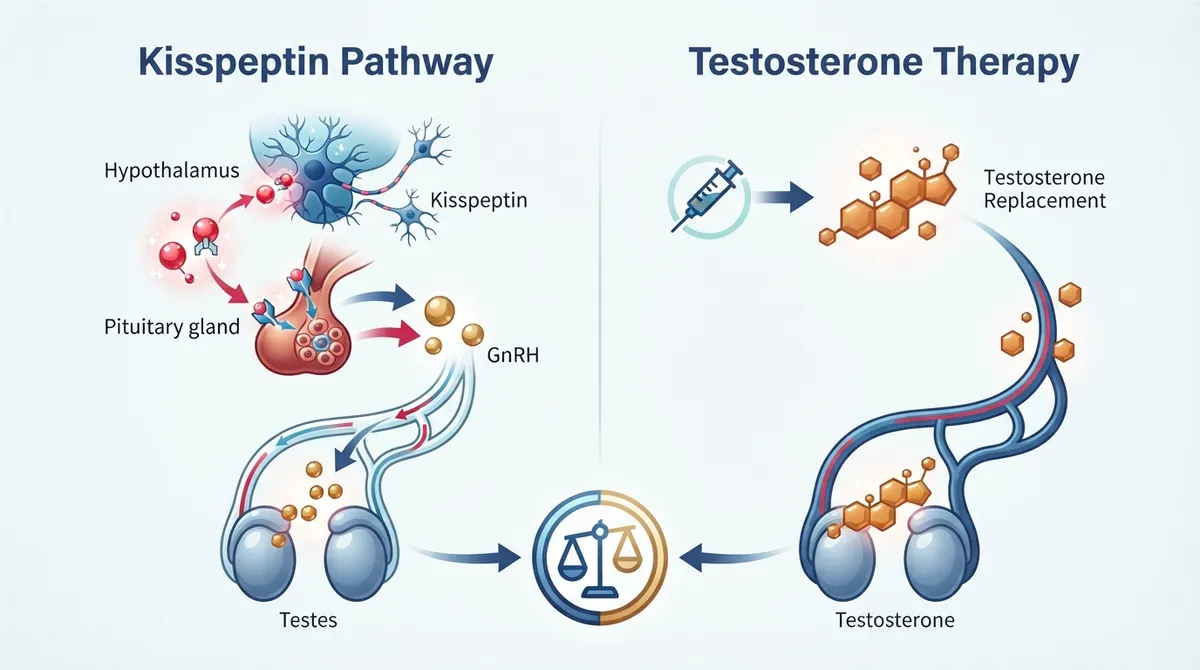
Kisspeptin is a hormone-like signal made in the brain. Scientists call it a neuropeptide because it comes from nerve cells, not glands. It is produced by a gene called KISS1, and it works by activating a receptor named KISS1R, also known as GPR54.
This receptor sits on special brain cells that release another hormone called GnRH. Think of kisspeptin as the switch that turns on the entire reproductive hormone system. Without it, your body cannot properly signal your ovaries or testes to make sex hormones.
The Chain Reaction Kisspeptin Starts
Kisspeptin does not work alone. It sits at the top of a signaling chain called the hypothalamic-pituitary-gonadal axis, often shortened to the HPG axis. Here is how that chain reaction works:
- Kisspeptin is released from the brain in small bursts.
- It binds to receptors on GnRH neurons, telling them to fire.
- GnRH travels to the pituitary gland and triggers the release of two hormones: LH and FSH.
- LH and FSH travel through the blood to the ovaries or testes.
- The ovaries or testes respond by producing estrogen, progesterone, or testosterone.
This means kisspeptin does not directly make testosterone or estrogen. Instead, it controls the entire system that leads to those hormones being made. This distinction matters a lot when comparing kisspeptin to actual hormone therapies.
Kisspeptin vs. Testosterone Replacement Therapy
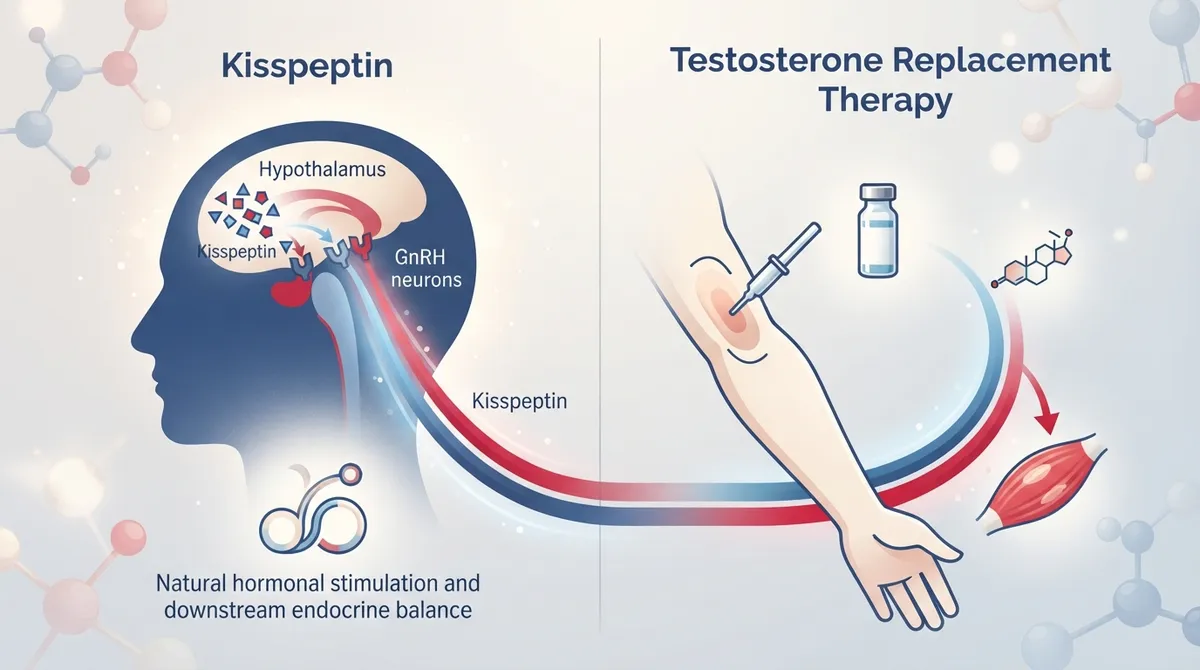
One of the biggest points of confusion is whether kisspeptin can replace treatments like testosterone replacement therapy. The short answer is no. These two approaches work in completely different ways and serve different purposes.
|
Feature |
Kisspeptin |
Testosterone Replacement Therapy |
|---|---|---|
|
What it is |
A brain neuropeptide that triggers hormone signaling |
A direct hormone replacement medication |
|
FDA approval status |
Not approved as a treatment |
Approved for diagnosed low testosterone |
|
How it works |
Stimulates GnRH, which then triggers LH and FSH |
Directly raises testosterone levels in the blood |
|
Current use |
Mostly research and diagnostic settings |
Standard clinical treatment |
|
Who oversees it |
Reproductive endocrinology researchers |
Primary care or hormone therapy doctors |
Patients interested in restoring healthy hormone levels should speak with a qualified provider about proven options like TRT rather than unregulated kisspeptin products sold online.
How Kisspeptin Affects Sex Hormones in Men and Women
Research shows that kisspeptin can raise LH levels quite strongly when given to people in clinical studies. Its effect on FSH is usually smaller and less consistent. The response also depends on several factors.
- Biological sex of the person receiving it
- Stage of the menstrual cycle in women
- Dose and method of delivery used
- Overall metabolic and nutritional health
- Presence of an underlying reproductive condition
For example, studies on kisspeptin-10 found that it stimulates hormone release well in men and in women during the time right before ovulation. However, its effects are more limited during the earlier follicular phase of the cycle. This shows why kisspeptin cannot simply be dosed the same way for everyone.
Why Loss of Kisspeptin Signaling Causes Problems
When the KISS1 gene or its receptor does not work correctly, the entire hormone chain breaks down. This condition is called congenital hypogonadotropic hypogonadism. People with this condition may experience:
- Delayed or absent puberty
- Low sex hormone levels despite normal glands
- Reduced fertility or infertility
- Low libido and sexual dysfunction
- Reduced bone density over time
This condition was first linked to KISS1R gene changes back in 2003, and research since then has confirmed how essential kisspeptin signaling is for normal reproductive health.
Kisspeptin vs. Standard Fertility Treatments
Couples struggling with fertility often explore many options, from lifestyle changes to medical treatments. Kisspeptin is being studied as a possible fertility tool, but it is not yet a standard option compared to approved treatments.
|
Approach |
Current Status |
Best For |
|---|---|---|
|
Kisspeptin-based triggers |
Investigational, used mainly in IVF research settings |
Specialist-supervised fertility trials |
|
Standard IVF hormone protocols |
Established and widely used |
Patients pursuing assisted reproduction |
|
Lifestyle and weight optimization |
Well supported by evidence |
Improving natural fertility odds |
|
Hormone panel testing |
Standard diagnostic tool |
Identifying the root cause of infertility |
A 2025 review in the Journal of Clinical Medicine noted that kisspeptin shows promise for triggering ovulation during IVF, but researchers stressed that more clinical testing is still needed before it becomes routine. If you and your partner are trying to conceive, a visit for primary care evaluation is a smarter first step than experimenting with unproven peptides.
Conditions Linked to Abnormal Kisspeptin Signaling
Beyond fertility, disrupted kisspeptin activity has been connected to several health conditions. Recognizing these connections can help you understand when to seek medical advice.
- Functional hypothalamic amenorrhea, often triggered by stress, low body weight, or excessive exercise
- Polycystic ovary syndrome, which involves irregular hormone signaling
- Delayed or precocious puberty in children and teens
- Male and female infertility with no clear cause
- Hypoactive sexual desire disorder, currently being studied in clinical trials
- Bone density loss linked to long-term low sex hormone levels
These are complex conditions that require proper testing, not guesswork. A thorough evaluation through an annual wellness visit can help catch these issues early, especially for women who may not have an established primary care relationship outside of OB/GYN visits.
Is Kisspeptin Safe or FDA-Approved?
This is one of the most common questions patients ask, and the answer is important. Kisspeptin is not currently approved by the FDA as a treatment for any condition. It is also not sold as a legitimate wellness supplement, despite what some online sellers may claim.
Most current uses remain limited to research settings, including:
- Triggering egg maturation during IVF cycles
- Diagnosing pubertal disorders in children
- Studying treatments for low sexual desire
- Investigating bone health connections
- Exploring pregnancy-related biomarkers
Because of this, InCare does not offer kisspeptin as a marketed treatment. Instead, our team focuses on evidence-based hormone testing, fertility support, and referrals to specialists when advanced reproductive care is needed. You can learn more about our approach to hormone health by visiting our provider team page.
How Primary Care Fits Into Hormone Health
If you are dealing with symptoms like irregular periods, low energy, reduced libido, or fertility concerns, your first stop should not be an unregulated peptide seller. It should be a trusted primary care provider who can order the right tests and guide your next steps.
Steps a Primary Care Visit Typically Includes
- A detailed review of your symptoms and medical history
- Physical examination to check for related signs
- Standard blood work, including LH, FSH, testosterone, and estrogen levels
- Discussion of lifestyle factors like sleep, stress, and nutrition
- Referral to a specialist such as an endocrinologist or fertility doctor if needed
This structured approach is far more reliable than trying commercially marketed kisspeptin products, which are not regulated and may carry unknown risks. Our providers, including Dr. Pramjeet Ahluwalia and Dr. Naveen Paddu, take a whole-body approach to hormone concerns rather than jumping to trendy but unproven treatments.
Comparing Your Options: What Actually Works Today
Given everything we know, how should you think about kisspeptin compared to available options? Here is a simple breakdown to help guide your decision.
|
If You Are Experiencing |
Kisspeptin Products |
Recommended Approach |
|---|---|---|
|
Low testosterone symptoms |
Not proven or approved |
Testosterone replacement therapy after lab testing |
|
Irregular periods |
Not a standard treatment |
Hormone panel and gynecologic evaluation |
|
Fertility struggles |
Still investigational |
Fertility workup and specialist referral |
|
Low libido |
Research stage only |
Comprehensive hormone and lifestyle assessment |
|
Delayed puberty concerns |
Used only in diagnostic research |
Pediatric endocrinology evaluation |
This table makes it clear that while kisspeptin research is exciting, it has not replaced the tried-and-true diagnostic and treatment paths available today. Whole-body wellness services like DNA gene testing and body composition analysis can also offer valuable insight into your overall metabolic and hormonal health.
Why Choose InCare for Hormone and Wellness Concerns
InCare combines advanced technology with a personal touch across our Tampa and Riverview locations. Our team stays current on emerging research, including topics like kisspeptin, while grounding every treatment plan in proven science. We believe patients deserve clear answers, not confusing marketing claims about unregulated peptides.
Our services go beyond a typical checkup. From cancer screening to IV hydration therapy, we help you build a complete picture of your health. Many patients also explore our medical weight loss programs, which can positively affect hormone balance since excess body fat is linked to reproductive hormone disruption.
You can follow our latest health tips and patient stories on Facebook or see behind-the-scenes wellness content on Instagram. We also share quick health education clips on Tik Tok for patients who prefer bite-sized information.
What to Expect When You Visit InCare
Whether you are concerned about fertility, low libido, or general hormone health, a visit to InCare starts with listening. Our providers take time to understand your full history before recommending any testing or treatment.
- Same-day and virtual appointment options for busy schedules
- Comprehensive lab testing for hormone panels
- Referrals to trusted specialists when advanced care is needed
- Personalized wellness plans based on your test results
- Ongoing support through follow-up visits and check-ins
Patients in Riverview and Tampa consistently rate their experience highly, and you can read real patient feedback and visit us on Google — InCare to see what current patients say about their care journey.
Conclusion: Making Informed Choices About Your Hormone Health
Kisspeptin is a fascinating discovery in reproductive science, but it is not yet a replacement for proven hormone treatments. It plays a powerful role behind the scenes, controlling the signals that lead to testosterone, estrogen, and other sex hormones. However, most kisspeptin applications remain in research settings, supervised by specialists in fertility and endocrinology.
If you are dealing with symptoms related to low hormones, irregular cycles, or fertility concerns, the safest path forward is proper testing and expert guidance. Skip the unproven supplements and start with a conversation grounded in real medical evidence. Our team is ready to help you understand your results and build a plan that actually works. Book your appointment today and take the first step toward answers you can trust.
FAQs
Q: What is kisspeptin and how does it affect sex hormones?
A: Kisspeptin is a brain neuropeptide that triggers the release of GnRH, which then signals the pituitary gland to release LH and FSH. These hormones travel to the ovaries or testes to produce sex hormones like testosterone and estrogen. Kisspeptin does not make sex hormones directly but controls the entire signaling chain.
Q: Is kisspeptin the same as a sex hormone like testosterone or estrogen?
A: No, kisspeptin is not a sex hormone itself. It is an upstream regulator that controls the release of reproductive hormones through the GnRH-LH-FSH pathway. Testosterone and estrogen are produced further down this chain in the testes and ovaries.
Q: Can kisspeptin treatment help with infertility or low libido?
A: Research suggests kisspeptin may help trigger ovulation during IVF and could play a role in treating low sexual desire, but these uses remain investigational. Current studies show promise, but clinical translation into standard practice is still ongoing as of 2026.
Q: Is kisspeptin safe, FDA-approved, or available as a supplement?
A: Kisspeptin is not currently FDA-approved as a treatment and is not a legitimate wellness supplement. Most kisspeptin research happens in controlled clinical settings under specialist supervision, not through commercially marketed products.
Q: What conditions are linked to abnormal kisspeptin signaling?
A: Abnormal kisspeptin signaling has been connected to congenital hypogonadotropic hypogonadism, functional hypothalamic amenorrhea, polycystic ovary syndrome, and certain fertility disorders. These conditions require proper medical evaluation rather than self-treatment with unregulated peptides.