
Key Takeaways
- Kisspeptin stimulates the body's own hormone signaling rather than directly replacing hormones like HRT does, making it fundamentally different in mechanism and best suited for fertility/signaling disorders, not menopause symptoms.
- HRT remains FDA-approved and backed by decades of clinical research, while kisspeptin is investigational with only small early-stage trials—not yet ready for routine clinical use outside research settings.
- Kisspeptin requires a functioning reproductive system to work effectively, whereas HRT works for patients with low hormone levels regardless of whether their signaling pathways are intact.
- Current kisspeptin studies focus on specific conditions like hypogonadotropic hypogonadism and hypothalamic amenorrhea, not menopause or low testosterone—the main conditions where HRT is proven effective.
- Getting proper diagnosis through bloodwork and health history review before choosing any hormone treatment is essential, as menopause, infertility, and hypogonadism have different causes and require different solutions.
- HRT's safety profile is well-documented after decades of use, while kisspeptin's long-term safety, ideal dosing, and best delivery method remain unanswered questions in ongoing research.
If you have been reading about hormone health online, you may have come across kisspeptin next to more familiar terms like estrogen and testosterone. Both are talked about for fertility and hormone balance, but they are not the same thing. Understanding how kisspeptin differs from hormone replacement therapy (HRT) can help you make smarter choices about your health, whether you are dealing with menopause symptoms, low testosterone, or fertility struggles.
At InCare, our primary care team in Tampa and Riverview helps patients sort through confusing wellness trends and find treatments backed by real evidence. This guide breaks down what kisspeptin actually does, how it compares to standard hormone replacement therapy, and which option may fit your specific health goals.
What Is Kisspeptin?
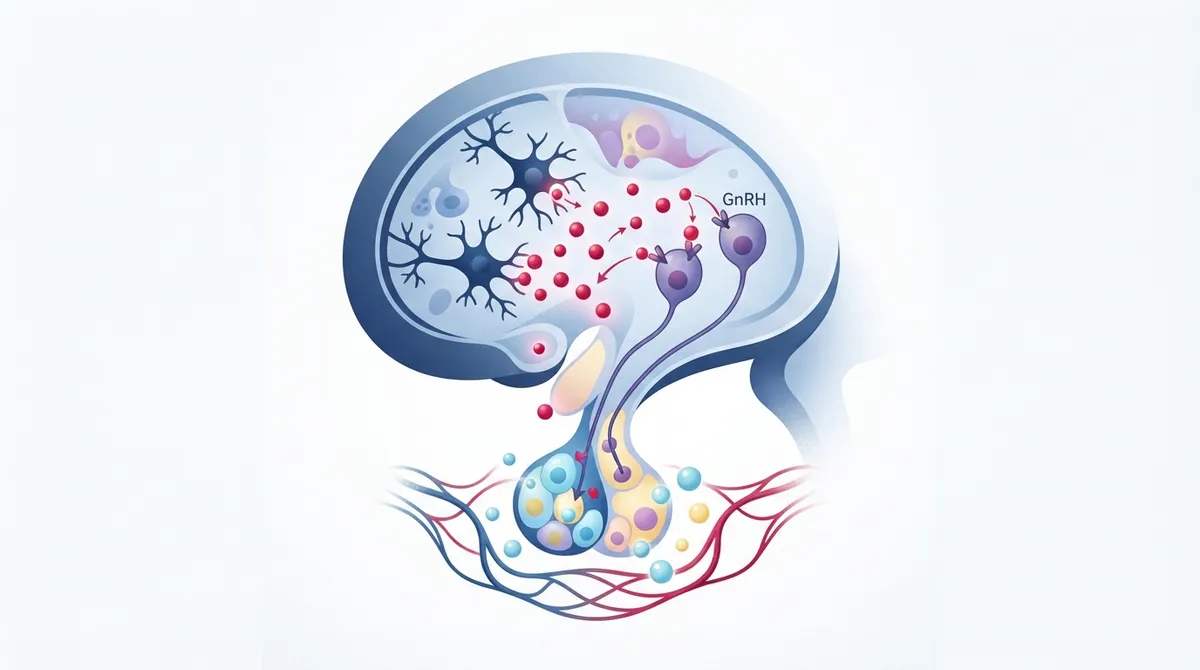
Kisspeptin is a natural hormone made in your brain. It works in a part of your brain called the hypothalamus. This hormone sends signals that help control your reproductive system.
Kisspeptin activates special receptors on cells that release another hormone called GnRH (gonadotropin-releasing hormone). This chain reaction leads your body to make more luteinizing hormone (LH) and follicle-stimulating hormone (FSH). These two hormones are key players in fertility and sex hormone production for both men and women.
Unlike estrogen or testosterone, kisspeptin does not directly add hormones to your body. Instead, it tries to wake up your own hormone system so it works better on its own.
What Conditions Is Kisspeptin Being Studied For?
Researchers are looking at kisspeptin as a possible treatment for several reproductive health issues, including:
- Hypogonadotropic hypogonadism (a condition where the body does not make enough sex hormones)
- Hypothalamic amenorrhea (missed periods linked to stress, weight, or exercise)
- Infertility in men and women
- Kallmann syndrome, a rare genetic condition affecting puberty and smell
- Possibly polycystic ovary syndrome (PCOS)
A 2024 review found multiple human studies looking at kisspeptin for these conditions. One trial listed on ClinicalTrials.gov (NCT04648969) is testing pulsatile kisspeptin doses in about 24 people with hypogonadotropic hypogonadism. Another early study, known as KASPR (NCT05633966), planned to enroll around 50 participants. These numbers show that kisspeptin research is still small and early-stage, not ready for routine use in most clinics.

What Is Hormone Replacement Therapy?
Hormone replacement therapy, often called HRT or MHT (menopausal hormone therapy), works differently. Instead of stimulating your body's own hormone production, HRT gives you the hormones directly. This usually means estrogen, progesterone, or testosterone, depending on your needs.
HRT has been used and studied for decades. It remains the most effective treatment for many symptoms linked to hormone loss, especially during menopause.
Common Reasons People Use HRT
- Treating hot flashes and night sweats during menopause
- Relieving vaginal dryness and discomfort (genitourinary syndrome of menopause)
- Protecting bone density and lowering fracture risk
- Restoring testosterone levels in men with diagnosed low T
- Supporting overall quality of life during hormone transitions
Guidelines from The Menopause Society and International Menopause Society continue to list MHT as the most effective option for moderate to severe hot flashes and night sweats. It is also a first-line choice for preventing bone loss in appropriate patients.
Kisspeptin vs Hormone Replacement Therapy: Key Differences
The biggest difference between these two treatments comes down to how they work in your body. Here is a side-by-side look:
|
Feature |
Kisspeptin |
Hormone Replacement Therapy |
|---|---|---|
|
How it works |
Stimulates the body's own hormone signals |
Directly replaces missing hormones |
|
Approval status |
Investigational, not FDA-approved |
FDA-approved for menopause and low testosterone |
|
Main use |
Fertility, hypogonadotropic hypogonadism |
Menopause symptoms, low testosterone, bone protection |
|
Evidence level |
Small early-stage trials |
Decades of clinical research |
|
Requires working hormone system |
Yes, since it stimulates existing pathways |
No, since hormones are given directly |
|
Availability in routine care |
Limited to research settings |
Widely available through primary care and specialists |
This table shows why doctors do not currently view kisspeptin as a replacement for standard HRT. They serve different purposes and work through completely different paths in the body.
Who Might Benefit From Each Treatment?
When Kisspeptin Research May Apply
Kisspeptin studies mostly focus on people with specific fertility or hormone signaling problems. This includes patients whose hypothalamus or pituitary gland is not sending the right signals to the ovaries or testes. Because kisspeptin needs a working reproductive system to be effective, it may not help everyone with low hormone levels.
If you are dealing with unexplained infertility or missed periods, your primary care provider may recommend testing to check if a signaling issue could be part of the picture. This kind of workup often starts with a visit to a primary care clinic near you in Tampa or Riverview.
When Hormone Replacement Therapy Makes Sense
HRT is generally the better-studied option for people who already have low hormone levels and need direct replacement. This includes:
- Women going through menopause with hot flashes or vaginal symptoms
- Men diagnosed with clinically low testosterone
- Patients at risk for bone loss due to estrogen deficiency
- People who have tried lifestyle changes without symptom relief
Our providers, including Dr. Pramjeet Ahluwalia and Dr. Naveen Paddu, work with patients to figure out if HRT fits their symptoms and health history. You can learn more about our full provider team and their areas of focus.
Types of Hormone Replacement Therapy
Not all HRT looks the same. The right type depends on your symptoms, health history, and whether you still have a uterus.
- Estrogen-only therapy: Usually for women who have had a hysterectomy
- Estrogen plus progestogen: Standard for women with an intact uterus, since estrogen alone can raise the risk of uterine lining problems
- Local vaginal estrogen: Targets vaginal dryness without major systemic effects
- Vaginal DHEA or ospemifene: Alternative options for genitourinary symptoms
- Testosterone replacement: For men with confirmed low testosterone levels
Guidelines from ACOG and NICE recommend adding a progestogen whenever a patient with a uterus uses systemic estrogen. This lowers the risk of endometrial cancer linked to unopposed estrogen use.
Oral vs Transdermal Estrogen
The way you take estrogen matters too. Oral estrogen pills carry a higher risk of blood clots compared to transdermal options like patches or gels. For patients with higher clot risk, transdermal estrogen may be the safer choice. This decision should always be made with a qualified provider who understands your full health picture.
Safety Considerations for Both Treatments
Kisspeptin Safety Profile
Because kisspeptin research is still new, doctors do not have complete safety data. Studies have used short-term intravenous, subcutaneous, or pulsed doses. Questions that remain unanswered include:
- What is the ideal dose for different conditions?
- How long can it be used safely?
- Which delivery method works best?
- Are there long-term risks with repeated use?
Until these questions have solid answers, kisspeptin should be viewed as a research therapy, not a proven treatment you can get at a typical wellness clinic.
HRT Safety Considerations
Hormone replacement therapy is not right for everyone. Your provider will screen for factors that could make HRT risky, including:
- Unexplained vaginal bleeding
- History of breast cancer or other estrogen-sensitive cancers
- Active or recent blood clots
- Liver disease
- Certain cardiovascular risk factors
The 2025 Menopausal Hormone Therapy Guidelines note that starting MHT before age 60 or within 10 years of menopause generally offers the best balance of benefits and risks for eligible patients. This is why personalized evaluation matters so much before starting any hormone treatment.
Why Diagnosis Should Come Before Treatment Choice
One of the biggest mistakes people make is picking a treatment before understanding the actual problem. Menopause, infertility, low libido, and hypogonadism all have different root causes and different diagnostic paths.
Your primary care provider can help sort through your symptoms with bloodwork, a health history review, and sometimes referrals to specialists. This step-by-step approach helps avoid wasted time and money on treatments that may not fit your specific situation. Learn more about what to expect during a annual wellness visit at InCare.
Steps to Take Before Choosing a Hormone Treatment
- Schedule a visit with a primary care provider to discuss your symptoms
- Get bloodwork to check hormone levels and rule out other causes
- Review your full health history, including family history of cancer or blood clots
- Ask about both established options like HRT and emerging research like kisspeptin
- Discuss risks, benefits, and realistic timelines for seeing results
- Follow up regularly to adjust treatment as needed
This process takes some patience, but it leads to safer, more effective care. Many patients considering hormone therapy also explore related options like bioidentical hormone replacement therapy compared to traditional HRT during this conversation.
How InCare Approaches Hormone Health
At InCare, we combine advanced testing with real medical expertise to guide patients toward treatments that actually work. Our clinics in Tampa and Riverview offer services like DNA gene testing and body composition analysis to build a clearer picture of your health before recommending any hormone-related treatment.
We also understand that trends move fast in the wellness world. New peptides and hormone therapies get attention on social media long before they have strong clinical backing. Our team stays current with research so we can separate proven treatments, like standard HRT, from early-stage options that still need more study, like kisspeptin.
If you want to see what real patients say about their experience, you can read reviews and visit us on Google — InCare to check ratings from our Tampa and Riverview locations. You can also follow our updates on Facebook and Instagram for wellness tips and clinic news.
Making the Right Choice for Your Health
Choosing between kisspeptin and hormone replacement therapy really depends on your specific situation. If you are managing menopause symptoms, low testosterone, or bone health concerns, HRT remains the treatment with the strongest track record. If you are dealing with a fertility issue tied to hormone signaling, kisspeptin research may eventually offer new options, but it is not yet ready for routine primary care use.
The safest path forward is talking with a provider who can review your labs, symptoms, and goals together. This kind of personalized care is central to how our team approaches every visit, whether you are managing chronic conditions or exploring weight loss programs and other wellness services.
Questions to Ask Your Provider
- Are my symptoms linked to menopause, low testosterone, or a signaling problem like hypothalamic amenorrhea?
- What tests do I need before starting any hormone treatment?
- Is HRT a safe option given my personal and family health history?
- Should I consider a referral to a fertility or endocrine specialist?
- How will we track progress and adjust my treatment plan over time?
These questions can help guide a more productive conversation at your next appointment. You can also check out patient experiences and clinic updates on Tik Tok for a look at how InCare supports whole-body wellness.
Take the Next Step Toward Better Hormone Health
Hormone health affects your energy, mood, fertility, and long-term wellness. Whether you are curious about kisspeptin research or ready to explore proven hormone replacement therapy, the InCare team in Tampa and Riverview is here to guide you with honest, evidence-based advice. Book your appointment today and take the first step toward a personalized hormone health plan built around your needs.
FAQs
Q: Is kisspeptin FDA-approved for menopause or hormone replacement?
A: No, kisspeptin is not FDA-approved for menopause or as a hormone replacement option. It remains an investigational therapy studied mainly for fertility disorders and hypogonadotropic hypogonadism, with much smaller and shorter trials than the decades of research behind standard hormone replacement therapy.
Q: Can kisspeptin treat hot flashes, night sweats, or vaginal dryness?
A: There is currently insufficient evidence that kisspeptin treats hot flashes, night sweats, or vaginal dryness as effectively as menopausal hormone therapy. Established HRT remains the most effective treatment for these menopause-related symptoms.
Q: How does kisspeptin work compared with estrogen replacement therapy?
A: Kisspeptin stimulates your body's own hormone signaling pathway by activating receptors that trigger GnRH, LH, and FSH release. Estrogen replacement therapy works differently by directly supplying the hormone your body is missing, rather than trying to boost natural production.
Q: Is kisspeptin safer than menopausal hormone therapy?
A: Kisspeptin should not be marketed as a proven safer alternative to hormone therapy, since long-term safety and dosing have not been established in humans. Menopausal hormone therapy, on the other hand, has a well-documented safety and risk profile based on decades of clinical use.
Q: Can kisspeptin improve fertility in hypothalamic amenorrhea or hypogonadotropic hypogonadism?
A: Early research suggests kisspeptin may help stimulate reproductive hormone signaling in some patients with hypothalamic amenorrhea or hypogonadotropic hypogonadism. However, its effectiveness depends on having an intact hypothalamic-pituitary-gonadal system, and larger studies are still needed before it becomes routine care.