
Key Takeaways
- Kisspeptin is a brain hormone that triggers LH and FSH release to control ovulation, acting as a master switch linking nutrition and metabolism to reproductive health, but testing remains experimental with no clinical validation yet.
- Standard primary care evaluation for irregular periods is proven and widely available, checking for pregnancy, thyroid disease, PCOS, and other conditions—superior to unvalidated kisspeptin testing that only measures one signaling hormone.
- Kisspeptin activity increases roughly 20 times stronger during the preovulatory phase compared to early follicular phase, explaining why rising estrogen before ovulation boosts kisspeptin signaling and triggers the LH surge for egg release.
- Small studies show kisspeptin-54 injections shortened menstrual cycles by ~2 days and raised LH levels significantly in women with functional hypothalamic amenorrhea, but larger trials are needed before it becomes an approved treatment.
- Lifestyle factors like chronic under-eating, excessive exercise, poor sleep, and nutrient deficiencies directly influence kisspeptin signaling and cycle regularity, making diet and stress management foundational before pursuing experimental treatments.
- Schedule a primary care evaluation if your periods stop for 3+ months, cycles fall outside 21-35 days, or you experience sudden pattern changes—these appointments provide comprehensive hormone testing that kisspeptin measurement alone cannot offer.
Irregular periods send many women searching online for answers before they ever see a doctor. One term that keeps popping up is kisspeptin, a hormone linked to ovulation and menstrual timing. But how does kisspeptin testing actually compare to the standard evaluation your primary care provider already uses to figure out why your cycle is off track? This article breaks down both approaches so you can understand what is proven, what is still experimental, and what steps make sense for your health today.
At InCare, our Tampa and Riverview clinics see many women who are frustrated by unpredictable cycles, missed periods, or fertility struggles. Understanding the science behind kisspeptin helps set realistic expectations while pointing you toward care that actually works right now.
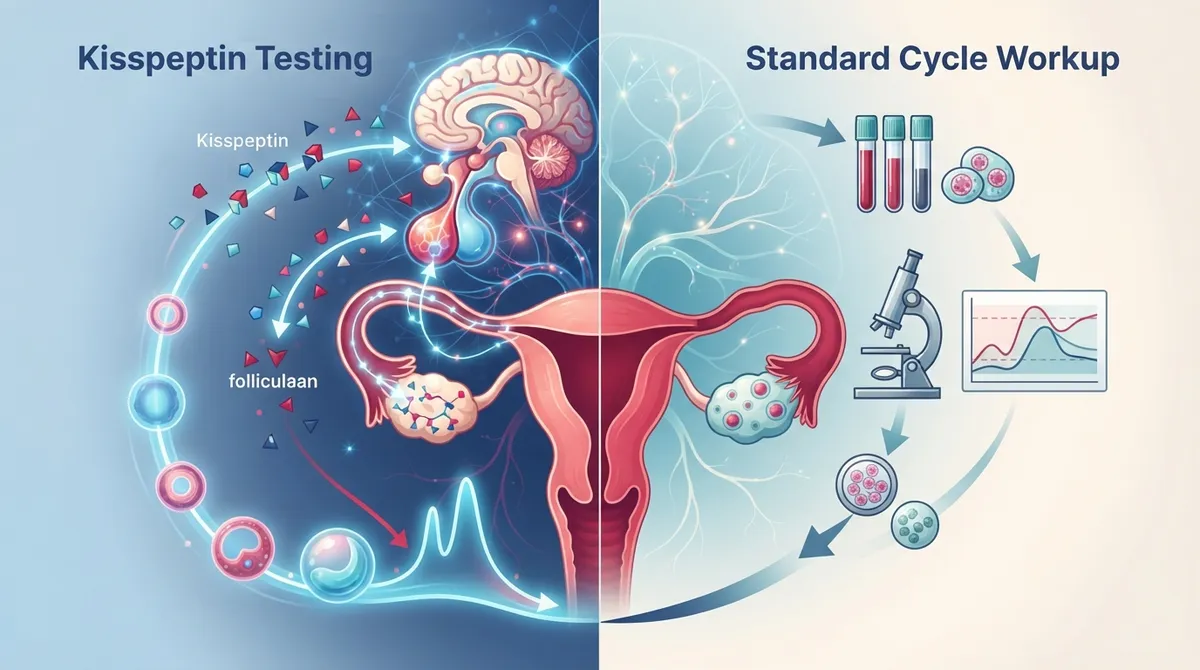
What Is Kisspeptin and Why Does It Matter for Your Cycle?
Kisspeptin is a natural signaling molecule made in the brain. It is produced from a gene called KISS1 and works by activating receptors on special brain cells called GnRH neurons. These neurons then trigger your pituitary gland to release two key hormones: luteinizing hormone (LH) and follicle-stimulating hormone (FSH).
LH and FSH control ovulation and the entire menstrual cycle. Without proper kisspeptin signaling, this chain reaction breaks down. That is why researchers believe kisspeptin acts as a master switch connecting your nutrition, metabolism, and hormone levels to your reproductive system.
Kisspeptin plays a role in several important life stages, including:
- Starting puberty at the right age
- Triggering the LH surge that causes ovulation
- Supporting regular monthly cycles
- Helping maintain fertility
- Responding to nutrition and metabolic signals from the body
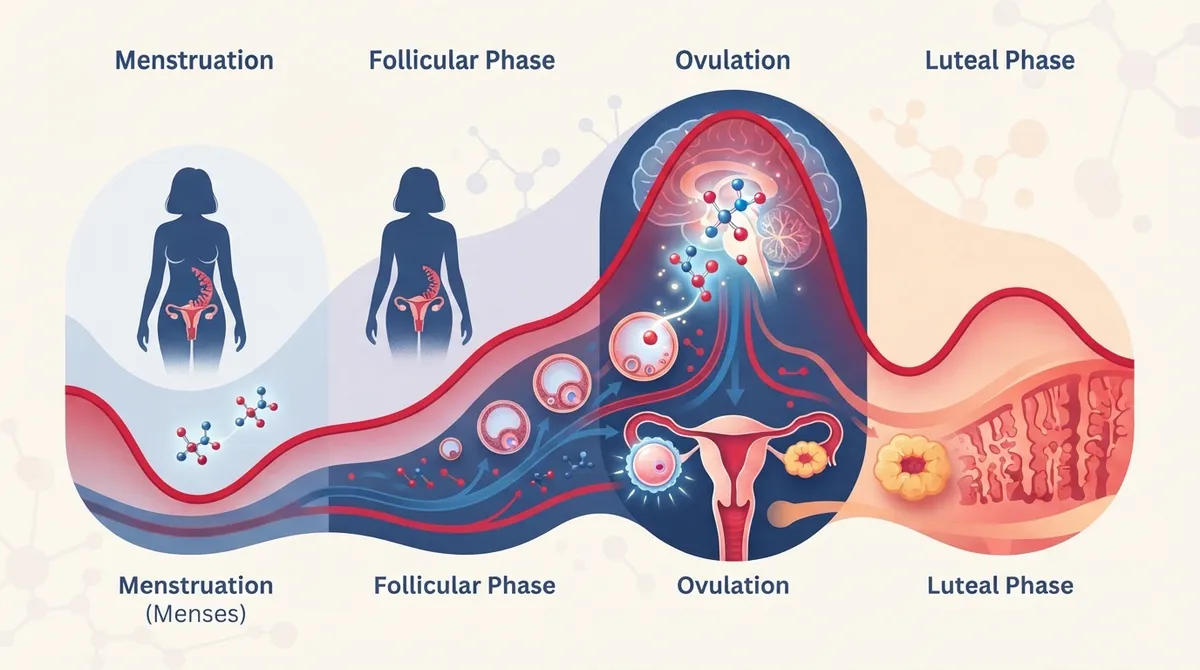
How Kisspeptin Levels Shift Across the Menstrual Cycle
Kisspeptin does not act the same way every day of your cycle. Its effects change depending on which phase you are in, and this timing matters for how researchers study it.
- Early follicular phase: Response to kisspeptin tends to be weaker and more unpredictable during this early stage.
- Preovulatory phase: As estrogen rises before ovulation, kisspeptin activity increases sharply. One 2009 review found the gonadotropin response during this phase was roughly 20 times stronger than during the follicular phase.
- Luteal phase: After ovulation, progesterone and estrogen work together to regulate ongoing kisspeptin and GnRH activity, keeping the cycle on track.
This pattern explains why rising estrogen before ovulation is thought to boost kisspeptin signaling, helping trigger the LH surge that releases an egg.
Kisspeptin Menstrual Cycle Research: What the Studies Actually Show
Much of what we know about kisspeptin and menstrual cycles comes from small, tightly controlled research studies rather than routine clinical practice. Here is a snapshot of key findings.
|
Study Detail |
Saline (Placebo) |
Kisspeptin-54 |
|---|---|---|
|
Average cycle length |
28.6 ± 1.4 days |
26.8 ± 3.1 days |
|
Day of peak LH |
15.2 ± 1.3 days |
13.0 ± 1.9 days |
|
Onset of luteal phase |
18.0 ± 2.1 days |
15.8 ± 0.9 days |
This 2013 crossover study, published in the Journal of Clinical Endocrinology & Metabolism, gave healthy women twice-daily kisspeptin-54 injections for seven days. The treatment shortened cycles by about two days on average and moved key hormone markers earlier. However, it did not stop menstrual cycles from happening, and researchers noted these findings need to be confirmed in larger trials.
A more recent 2025 study looked at women with regular 28- to 35-day cycles during days 2 through 7. It found that a biologically active kisspeptin dose significantly raised LH levels compared to placebo. Interestingly, anxiety scores did not differ meaningfully between groups, suggesting short-term kisspeptin use was well tolerated on that measure.
Kisspeptin vs. Standard Primary Care Evaluation: Which Wins for Irregular Periods?
This is the real comparison most women need answered. Should you seek out kisspeptin testing, or does a standard primary care workup still make more sense in 2026? Here is an honest side-by-side look.
|
Factor |
Kisspeptin Testing |
Standard Primary Care Workup |
|---|---|---|
|
Availability |
Not a routine clinical test |
Widely available at clinics like InCare |
|
Clinical validation |
Experimental, small studies only |
Well-established, decades of research |
|
What it checks |
One signaling hormone |
Pregnancy, thyroid, prolactin, PCOS, and more |
|
Treats root cause? |
Not yet approved for treatment |
Yes, guides direct treatment plans |
|
Insurance coverage |
Typically not covered |
Usually covered as standard care |
The takeaway is clear. Kisspeptin research is exciting and may shape future fertility treatments, but a comprehensive evaluation through your primary care provider remains the proven path for diagnosing irregular periods today.
What Causes Irregular Periods? A Broader Look
Kisspeptin is just one piece of a much larger puzzle. Many common conditions can throw off your cycle, and most require specific tests that a general kisspeptin check would not catch. Your provider may look into:
- Pregnancy
- Thyroid disease, including hypothyroidism or hyperthyroidism
- Elevated prolactin levels
- Polycystic ovary syndrome (PCOS)
- Excessive exercise or low energy intake
- Eating disorders
- Certain medications
- Perimenopause or early menopause
- Other hormonal or gynecologic conditions
Because kisspeptin signaling depends on a healthy GnRH pathway and functioning pituitary gland, it is unlikely to help conditions caused by structural problems, ovarian failure, or damaged GnRH neurons. This is why doctors do not treat kisspeptin as a stand-alone fix.
Can Kisspeptin Treat Functional Hypothalamic Amenorrhea?
Functional hypothalamic amenorrhea (FHA) happens when stress, low body weight, or intense exercise cause periods to stop. Research shows women with FHA often have lower circulating kisspeptin, especially when LH is also reduced. A 2024 review published in Physiological Reviews confirmed this pattern, comparing kisspeptin levels in women with FHA to healthy women measured around cycle days 11 to 13.
In an early study of women with hypothalamic amenorrhea, kisspeptin-54 raised average LH about 48-fold and FSH about 16-fold compared to saline. These numbers sound dramatic, but this was a small experimental trial. It should not be mistaken for proof of an approved therapy. Larger, long-term studies are still needed before kisspeptin becomes a standard FHA treatment.
Steps for Evaluating Suspected Hypothalamic Amenorrhea
- Review your exercise habits, diet, and recent weight changes with your provider
- Complete blood work checking LH, FSH, estradiol, and thyroid function
- Rule out pregnancy and other hormonal causes
- Discuss stress levels and mental health history
- Follow a personalized treatment plan focused on nutrition and lifestyle changes
Is Kisspeptin Testing or Therapy Available Right Now?
Not through routine primary care, and for good reason. Blood kisspeptin testing has not been validated as a stand-alone diagnostic tool for menstrual disorders. Commercial tests claiming to measure kisspeptin should be approached with caution since interpretation guidelines are not well established.
Kisspeptin administration has generally been well tolerated in short-term studies, without major changes in blood pressure, heart rate, or behavior. Still, researchers do not yet have solid answers about:
- Long-term safety with repeated use
- Optimal dosing for different conditions
- Effects during pregnancy
- Safety in people with other health conditions
Until these gaps close, kisspeptin remains a promising research target for functional hypothalamic amenorrhea and certain fertility issues rather than a treatment you can request at a wellness clinic.
When Should You See a Primary Care Provider About Your Cycle?
You do not need to wait for kisspeptin research to catch up before getting help. If you notice any of the following, it is time to schedule an evaluation:
- Periods that stop for three months or longer
- Cycles shorter than 21 days or longer than 35 days
- Sudden changes in your usual cycle pattern
- Heavy bleeding or severe pain
- Difficulty getting pregnant after a year of trying
- Signs of hormone imbalance like acne, hair changes, or weight shifts
Our team at InCare offers thorough evaluations that go beyond a single hormone check. Whether you visit our Tampa or Riverview location, our providers can help identify the real cause behind your symptoms and build a plan that fits your life.
How InCare Approaches Women's Reproductive Wellness
Many women go years without a dedicated primary care relationship, relying only on occasional OB/GYN visits. That gap can delay diagnosis of thyroid problems, PCOS, or metabolic issues that affect your cycle. InCare fills that gap with whole-body care that looks at the full picture.
Our services that support hormone and reproductive health include:
- DNA gene testing to understand your personal health risks
- Body composition analysis to track metabolic health
- Cancer screenings for early detection
- Medically supervised weight loss programs that support hormone balance
- IV hydration and vitamin drips for energy support
These services work together with standard bloodwork and physical exams, giving you answers that kisspeptin testing alone cannot yet provide. You can also follow our updates and patient tips on Facebook or see daily wellness content on Instagram.
What Happens During a Comprehensive Cycle Evaluation?
If you book an appointment for irregular periods, here is what a thorough evaluation typically includes:
- A detailed health history, including exercise, diet, and stress levels
- Physical exam and vital signs check
- Blood tests for LH, FSH, estradiol, thyroid hormones, and prolactin
- Pregnancy testing when appropriate
- Discussion of PCOS symptoms like acne, excess hair growth, or irregular ovulation
- A personalized plan based on your specific results
This process is far more thorough than any single kisspeptin measurement could offer today. Many patients search for reliable local care and end up checking Visit us on Google — InCare to read real patient experiences before booking their first visit.
Frequently Overlooked Lifestyle Factors That Affect Kisspeptin Signaling
Since kisspeptin responds to metabolic and nutritional signals, everyday habits can influence your cycle even without direct kisspeptin treatment. Consider these factors:
- Chronic under-eating or restrictive dieting
- Excessive high-intensity exercise without adequate recovery
- Poor sleep quality and chronic stress
- Rapid weight loss or very low body fat percentage
- Nutrient deficiencies, including low iron or vitamin D
Addressing these areas often improves cycle regularity naturally, working with your body's own kisspeptin-GnRH pathway rather than trying to override it with unproven treatments.
The Bottom Line on Kisspeptin and Your Menstrual Cycle
Kisspeptin is a fascinating and important part of how your body controls ovulation and menstrual timing. Research shows it plays a real role in the preovulatory LH surge and luteal phase regulation, with studies showing measurable changes in cycle length and hormone timing. However, kisspeptin testing and treatment remain experimental. They are not yet validated tools for diagnosing or treating irregular periods in everyday primary care.
If your cycle feels unpredictable, the smartest step is a comprehensive evaluation with a trusted primary care team, not a search for unproven kisspeptin supplements or tests. For more educational content on peptides and hormone health, our blog post on kisspeptin and its role in fertility offers additional detail.
Ready to get real answers about your cycle? Reach out to our care team today or schedule your appointment online now to start your personalized evaluation at InCare in Tampa or Riverview.
For patients interested in staying current on hormone research trends, following credible health organizations such as the National Institute of Child Health and Human Development or the Endocrine Society can offer additional trustworthy updates. You can also see quick wellness tips from our team on TikTok, and businesses looking for marketing guidance in the wellness space often turn to Brain Buzz Marketing for support.
FAQs
Q: What is kisspeptin's role in the menstrual cycle?
A: Kisspeptin activates brain cells that trigger the release of LH and FSH, the hormones controlling ovulation and cycle regularity. It acts as a bridge between your body's nutrition and metabolic status and your reproductive system.
Q: Does kisspeptin trigger ovulation or the LH surge?
A: Rising estrogen before ovulation increases kisspeptin activity, which helps drive the LH surge needed for ovulation. Research shows the strongest hormone response to kisspeptin happens in the preovulatory phase.
Q: Can kisspeptin treatment restore periods in functional hypothalamic amenorrhea?
A: Small studies show kisspeptin can significantly raise LH and FSH in women with this condition, but this remains experimental. It is not yet an approved or routine treatment, and larger trials are still needed.
Q: Can a blood test measure kisspeptin levels, and is the test clinically useful?
A: Blood tests can measure kisspeptin, but this is not a validated stand-alone diagnostic tool for menstrual disorders. Commercial kisspeptin testing should be approached cautiously until more research supports its clinical use.
Q: When should someone with irregular or missing periods see a primary-care clinician?
A: You should seek evaluation if periods stop for three months or longer, cycles fall outside the 21 to 35 day range, or you notice sudden changes in your pattern. A primary care provider can check for pregnancy, thyroid issues, PCOS, and other common causes.