Key Takeaways
- As of October 2024, kisspeptin-10 is not FDA-approved and no approved kisspeptin product exists anywhere in the world; online products lack quality standards, sterility verification, and accurate labeling.
- Kisspeptin research involves only short-term supervised doses in clinical settings; long-term safety, chronic self-administration effects, and drug interactions remain unstudied and unknown.
- Before considering any peptide therapy, consult a primary care provider for proper hormone testing (LH, FSH, sex hormones) and explore FDA-approved treatments like testosterone replacement therapy or fertility medications.
- Online marketing claims for kisspeptin involving libido, anti-aging, muscle gain, and weight loss lack strong clinical evidence and should not guide purchasing decisions.
Search interest in a "kisspeptin supplement" has grown as people look for new ways to support fertility, hormone balance, and reproductive health. But before you consider trying one, it helps to understand what kisspeptin actually is and why the term "supplement" can be misleading. This guide breaks down the science, the safety questions, and what primary care providers want you to know before you spend money on an unproven product.
At InCare, our providers in Tampa and Riverview see patients every week who are curious about trending wellness compounds like kisspeptin. Our goal is to give you facts, not hype, so you can make informed decisions about your hormone health and fertility goals.
What Is Kisspeptin?
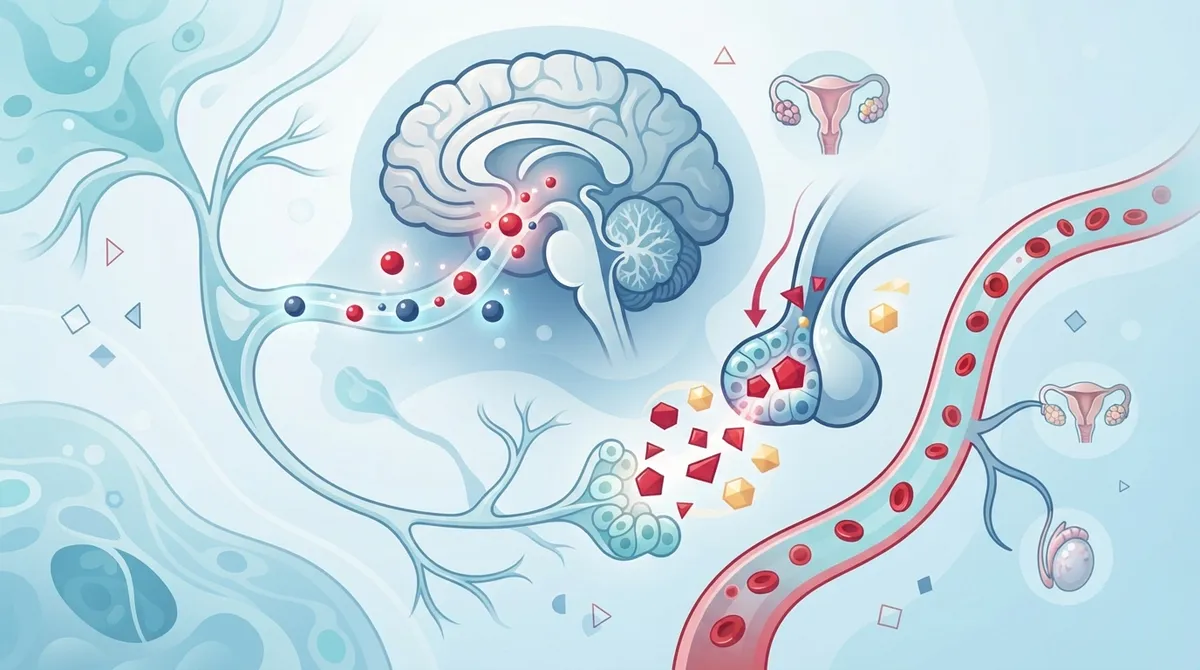
Kisspeptin is a natural hormone made in your brain. It plays a key role in your reproductive system. Kisspeptin activates a receptor that triggers the release of gonadotropin-releasing hormone, known as GnRH.
GnRH then signals your pituitary gland to release two other hormones: luteinizing hormone (LH) and follicle-stimulating hormone (FSH). These two hormones control puberty, menstrual cycles, ovulation, and testosterone production. In short, kisspeptin sits at the top of a hormone chain that controls fertility in both men and women.
Why Is It Called a "Supplement"?
The word "supplement" usually makes people think of vitamins or minerals sold at a pharmacy. Kisspeptin does not fit that category. Kisspeptin-10 and kisspeptin-54 are peptide compounds studied in medical research settings, not everyday dietary supplements.
As of the FDA's October 2024 review, kisspeptin-10 was not an ingredient in any FDA-approved drug. There was no official quality standard, called a USP or National Formulary monograph, for this compound. No approved kisspeptin-10 product existed anywhere in the world at that time, according to FDA meeting materials.
How Is Kisspeptin Used in Medical Research?
Researchers have studied kisspeptin for several reproductive health conditions. These studies are almost always done in controlled clinical settings, not at home.
- Hypogonadism: Low hormone production in men and women, sometimes linked to low testosterone or estrogen.
- Hypothalamic amenorrhea: A condition where periods stop due to stress, low body weight, or excessive exercise.
- Infertility evaluation: Testing how the body responds to hormone signals during fertility workups.
- Ovulation induction during IVF: Helping eggs mature at the right time during in vitro fertilization cycles.
- Assessment of reproductive hormone function: Measuring how well the hypothalamic-pituitary-gonadal axis is working.
A 2025 review in Physiology Reviews described kisspeptin and a related molecule called neurokinin B as key regulators of this hormone system. The review noted ongoing interest in using kisspeptin for reproductive disorders, IVF support, puberty issues, menopause symptoms, and even bone health. Still, these uses remain investigational, not routine treatments you can get at a regular clinic visit.
What the Research Actually Shows
Most human studies on kisspeptin involve short-term, supervised doses given through an IV or an injection under the skin. One study gave kisspeptin-54 as a subcutaneous injection to 35 healthy women. No study has tested kisspeptin-10 given through a muscle injection.
Here is a quick summary of what current research does and does not tell us:
|
What We Know |
What We Don't Know |
|---|---|
|
Kisspeptin triggers GnRH release in short-term studies |
Safe long-term dosing schedules |
|
Small studies show no major short-term safety signals |
Quality standards for compounded products |
|
Kisspeptin-54 has a longer half-life than kisspeptin-10 |
How it interacts with other medications over time |
|
Research use is supervised and short-term (one day or less) |
Safety for chronic or repeated self-administration |
An FDA search for adverse events tied to kisspeptin-10, conducted in August 2023, found zero reported cases. This might sound reassuring, but it is not proof of safety. Very few people have used this compound, and reporting systems often miss problems, especially with unregulated products sold online.
Is Kisspeptin Safe to Buy Online or Get Compounded?
This is one of the most common questions patients ask. The honest answer is that unsupervised use carries real risks. FDA materials from the 2024 Pharmacy Compounding Advisory Committee flagged several concerns:
- Limited data on how the body handles kisspeptin-10 over time (called nonclinical toxicity data)
- Possible immune reactions caused by impurities or peptide clumping
- Injection-related risks tied to unclear sterility standards
- Uncertain identity and potency in products labeled as "research chemicals"
- No guarantee of proper storage or handling before the product reaches you
Products marketed online as kisspeptin supplements or research peptides are not held to the same standards as prescription medications. You cannot be sure what is actually in the vial, how strong it is, or whether it is even sterile.
Common Marketing Claims vs. Real Evidence
Online sellers often promote kisspeptin for libido, anti-aging, muscle gain, and weight loss. These claims are not backed by strong clinical evidence. Kisspeptin has not been studied enough in these areas to support routine use for these purposes.
How Kisspeptin Differs From Approved Treatments
It's easy to confuse kisspeptin with other hormone-related therapies. Here is a simple comparison:
|
Treatment |
FDA Status |
Typical Use |
|---|---|---|
|
Kisspeptin-10 / Kisspeptin-54 |
Not FDA-approved as of 2024 review |
Research settings only |
|
Approved fertility medications |
FDA-approved |
IVF, ovulation induction |
|
Testosterone replacement therapy |
FDA-approved (specific formulations) |
Diagnosed low testosterone |
|
Menopausal hormone therapy |
FDA-approved (specific formulations) |
Menopause symptom relief |
If you are exploring hormone-related concerns, it helps to start with a conversation about testosterone replacement therapy or general primary care services rather than experimenting with unregulated compounds.
Steps to Take Before Considering Any Peptide Therapy
If you are curious about kisspeptin or similar peptide therapies, follow these steps first:
- Schedule a visit with a primary care provider to discuss your specific symptoms and goals.
- Ask for proper hormone testing, including LH, FSH, and relevant sex hormones.
- Review your full medical history, including fertility goals or menstrual irregularities.
- Ask your provider about FDA-approved options that address your concern directly.
- Avoid purchasing peptides labeled "for research use only" for personal use.
- Discuss any product you are considering with a licensed provider before starting it.
- Follow up regularly to monitor hormone levels and any changes in symptoms.
Our team at InCare can help you understand your options, including DNA gene testing and hormone panels that give a clearer picture of your health than an unregulated peptide ever could.
Who Might Benefit From a Fertility or Hormone Evaluation?
You may want to talk to a provider about your reproductive hormones if you notice any of the following:
- Irregular or missing menstrual cycles
- Difficulty conceiving after several months of trying
- Low libido or unexplained fatigue
- Signs of low testosterone in men, such as reduced muscle mass or mood changes
- Delayed puberty in a teenager
- Concerns about fertility before starting a family
A proper evaluation includes bloodwork, a physical exam, and a detailed conversation about your health history. This is far more reliable than trying an unregulated compound purchased online. Our providers at both the Tampa and Riverview locations offer these evaluations as part of routine wellness visits.
Why Choose Personalized Care Over Self-Experimentation
Hormone health is complex. What works for one person may not work for another, and self-treating with unproven peptides can delay proper diagnosis and treatment. A trusted primary care clinic can order the right labs, interpret results correctly, and recommend treatments backed by real clinical evidence.
InCare also offers services like IV hydration and vitamin drips and body composition analysis to support overall wellness while your provider addresses any underlying hormone concerns. If you are curious about how peptide therapy works in general, our article on peptide therapy in Tampa explains which options are actually offered under medical supervision.
What Patients Are Saying
Many patients appreciate having a place where they can ask questions about trending wellness topics without judgment. You can read what real patients say by visiting our InCare location on Google, where our Tampa and Riverview clinics maintain strong patient satisfaction ratings. We also share health tips and clinic updates on Facebook, Instagram, and TikTok if you want to stay informed between visits.
Frequently Asked Questions About Kisspeptin
Below we address some of the top questions patients bring to our providers about this hormone and its role in fertility and wellness.
Talk to a Provider Before Trying Any Peptide
Kisspeptin plays a fascinating role in human reproduction, but it is not an approved supplement you can safely use on your own. The safest path forward is a conversation with a licensed provider who can review your symptoms, order proper testing, and recommend options backed by solid evidence. If you have questions about your hormone health, fertility, or general wellness, our team is ready to help. Reach out to our care team to schedule a consultation, or book your appointment today at our Tampa or Riverview location.
FAQs
Q: What is kisspeptin and how does it affect fertility and hormones?
A: Kisspeptin is a natural brain hormone that triggers the release of GnRH, which controls LH and FSH production. These hormones regulate puberty, menstrual cycles, ovulation, and testosterone levels, making kisspeptin a central player in reproductive health.
Q: Is kisspeptin available as an FDA-approved supplement or medication?
A: No. As of the FDA's October 2024 review, no approved kisspeptin-10 product existed in the United States or any other country. It remains a research compound, not a dietary supplement or approved drug.
Q: Can kisspeptin increase testosterone or treat low testosterone?
A: Kisspeptin can stimulate hormones that influence testosterone production in supervised research settings, but it is not an approved treatment for low testosterone. Established options like testosterone replacement therapy remain the standard, evidence-based approach.
Q: Is kisspeptin safe to inject or take as an oral supplement?
A: Unsupervised use is not considered safe. Research has only tested short-term, medically supervised dosing, and products sold online often lack proper quality control, sterility, and accurate labeling.
Q: How is kisspeptin different from fertility drugs or hormone replacement therapy?
A: Approved fertility drugs and hormone replacement therapies have gone through FDA review and are prescribed for specific diagnosed conditions. Kisspeptin remains investigational, meaning its long-term safety and effectiveness have not been fully established for routine clinical use.