
Key Takeaways
- Kisspeptin works upstream by stimulating the brain's natural hormone signals rather than replacing hormones directly, potentially preserving your body's natural rhythm but requiring a functioning reproductive system to be effective.
- Kisspeptin is not FDA-approved and remains investigational; long-term safety and dosing protocols are unproven due to tachyphylaxis, where repeated exposure may cause your body to stop responding over time.
- Research shows kisspeptin may reduce severe ovarian hyperstimulation syndrome risk by 33.6-fold compared to standard hCG triggers in IVF, making it promising for specific fertility applications.
- Kisspeptin replacement may benefit only specific conditions with weak brain-to-reproductive-system signaling, such as hypothalamic amenorrhea and hypogonadotropic hypogonadism, not general low energy or mild libido concerns.
- Unregulated kisspeptin products sold online lack sterile manufacturing proof, verified dosing, and clinical data; always seek proper hormone evaluation through licensed providers before considering any treatment.
- A thorough medical evaluation including bloodwork, medication review, and imaging should precede any hormone treatment to identify simple, fixable causes like stress or poor nutrition that may be missed otherwise.
If you have searched for ways to fix low reproductive hormones, you may have come across kisspeptin replacement. This is a newer area of hormone science. It is not yet a standard treatment you can walk in and request. But it is worth understanding, especially if you have been dealing with irregular periods, fertility struggles, or low testosterone without a clear answer.
Kisspeptin is a natural signal made in the brain. It tells your body to start the chain reaction that leads to healthy hormone levels. Scientists are studying whether giving extra kisspeptin can help people whose reproductive hormones are not working correctly. This article breaks down what kisspeptin replacement means, what the science shows so far, and how a trusted primary care team can guide you toward safe, evidence-based answers.
What Is Kisspeptin and Why Does It Matter?
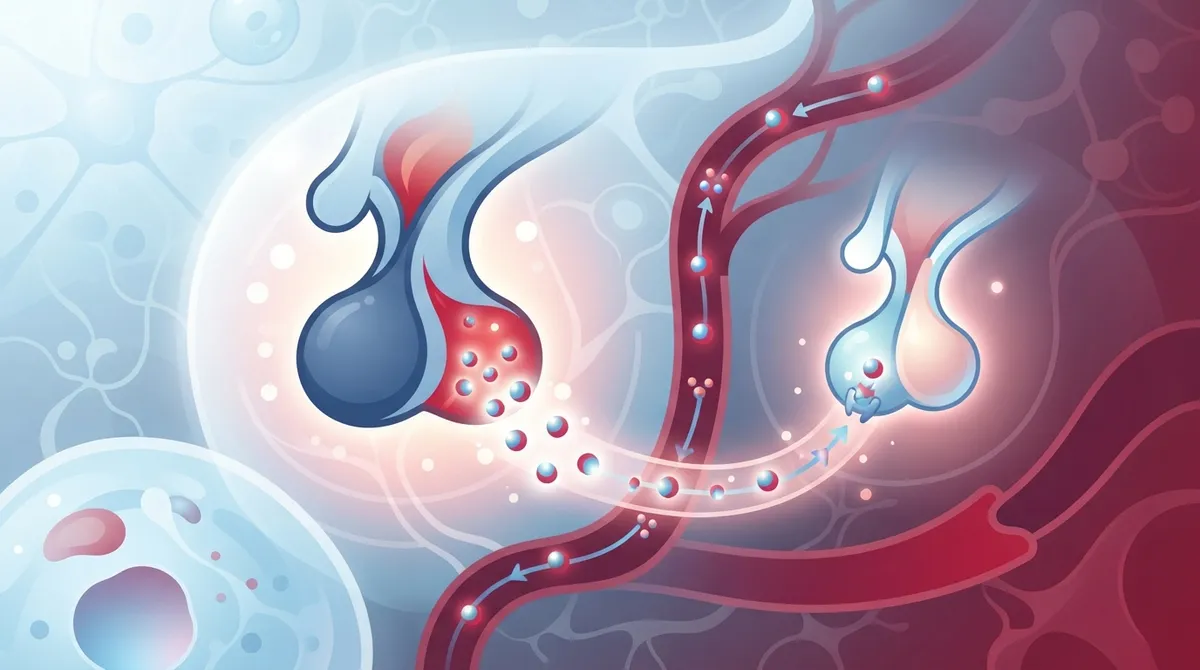
Kisspeptin is a natural chemical made in the brain. It acts like a switch that turns on your reproductive hormone system. Kisspeptin connects to a receptor called KISS1R. This receptor sits on special brain cells that make GnRH, a hormone that controls your entire reproductive system.
When kisspeptin activates these cells, your pituitary gland releases two important hormones: luteinizing hormone (LH) and follicle-stimulating hormone (FSH). These two hormones control puberty, ovulation, testosterone production, and fertility in both men and women.
Think of kisspeptin as the first domino. Once it falls, it sets off a chain reaction that keeps your reproductive system running smoothly. Without enough kisspeptin signaling, that chain reaction can stall out.
How Kisspeptin Replacement Differs From Standard Hormone Therapy
Kisspeptin replacement is different from testosterone therapy, estrogen therapy, or standard fertility drugs. Most hormone treatments give your body the final hormone it needs directly. Kisspeptin works further upstream. It tries to wake up your body's own hormone-making system instead of replacing the hormone itself.
This matters because kisspeptin may help preserve your body's natural rhythm. But it also means kisspeptin will not work if the deeper parts of your reproductive system are too damaged to respond. A trained provider needs to figure out where the problem starts before recommending any treatment path.
Who Might Benefit From Kisspeptin Research
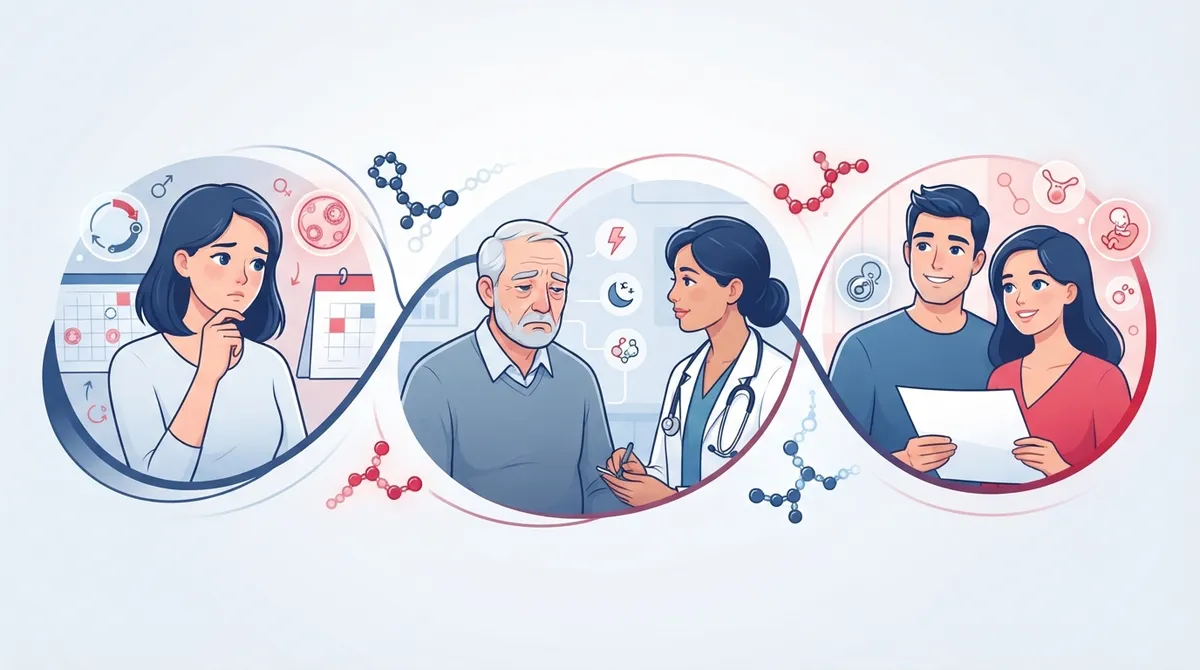
Doctors and researchers are studying kisspeptin for a specific group of conditions. These are situations where the brain is not sending strong enough signals to the reproductive system.
- Hypothalamic amenorrhea, where periods stop due to stress, low body weight, or too much exercise
- Hypogonadotropic hypogonadism, a condition where the brain does not send enough signal to the testes or ovaries
- Certain types of male infertility linked to weak brain-to-testicle signaling
- Infertility caused by problems in the hypothalamus or pituitary gland
- Triggering the final step of egg maturation during fertility treatment
These are specific, diagnosed conditions. Kisspeptin research is not meant for general low energy, mild weight gain, or everyday low libido. If you are dealing with fertility concerns or irregular cycles, a visit to a primary care clinic near you in Tampa or Riverview is a smart first step.
What the Research Actually Shows
Kisspeptin research has grown quickly over the past two decades. The first human studies date back to around 2005. Since then, scientists have tested different delivery methods, including intravenous, under-the-skin, and nasal spray forms.
A 2025 study published in EBioMedicine looked at intranasal kisspeptin-54 in healthy volunteers and women with hypothalamic amenorrhea. The results were promising for short-term hormone changes.
|
Group Studied |
Average LH Increase |
Statistical Significance |
|---|---|---|
|
Healthy men |
4.4 IU/L above baseline |
P=0.002 vs placebo |
|
Healthy women |
1.4 IU/L above baseline |
P=0.004 vs placebo |
|
Women with hypothalamic amenorrhea |
4.4 IU/L above baseline |
P0.001 vs placebo |
No adverse events were reported in that particular study. That is encouraging news for safety in the short term. However, one study measuring hormone changes over a few hours is very different from proving a treatment works safely over months or years.
Kisspeptin in Fertility Treatment
One of the more exciting areas of kisspeptin research involves fertility care. During in-vitro fertilization (IVF), doctors normally use a hormone called hCG to trigger the final maturation of eggs. Some researchers are testing kisspeptin as a replacement for this step.
A review of fertility research found that kisspeptin-54 was linked to a 33.6-fold lower risk of severe ovarian hyperstimulation syndrome compared to standard hCG triggers. Ovarian hyperstimulation syndrome is a painful and sometimes dangerous complication of fertility treatment, so this finding is worth watching closely.
A phase 2 study registered on ClinicalTrials.gov tested kisspeptin as an egg-maturation trigger in about 90 to 102 women. Researchers used either a single dose or two doses given eight to twelve hours apart. These studies are testing feasibility, not confirming kisspeptin as a routine replacement for standard IVF medications.
Why Long-Term Kisspeptin Replacement Remains Unproven
There is one major hurdle standing in the way of kisspeptin becoming a long-term treatment: tachyphylaxis. This is a fancy word for a simple problem. When your body gets exposed to the same signal over and over, it can stop responding as strongly.
In plain terms, if you kept giving continuous kisspeptin, your body's hormone response may fade over time. This means dosing kisspeptin the wrong way could make it useless for chronic conditions. Researchers are exploring whether pulsatile, or on-and-off, dosing might work better than steady dosing. But no long-term protocol has been proven safe or effective yet.
Key Limitations to Understand
- No large, long-term trials have confirmed kisspeptin works safely for months or years of use
- Repeated exposure may cause your body to stop responding as well over time
- Kisspeptin will not work if your ovaries, testes, or pituitary gland cannot respond to hormone signals
- Response varies by dose, delivery method, sex, and the underlying cause of your hormone problem
- Kisspeptin is not FDA-approved for testosterone replacement, menopause, infertility, or general wellness
Because of these gaps, kisspeptin should never be viewed as a proven anti-aging or wellness shortcut. It remains a research tool with real promise, but real limits too.
Red Flags: Unregulated Kisspeptin Products
As kisspeptin research gains attention, you may see it marketed online as a wellness supplement. This is a serious concern. Compounded or online "kisspeptin replacement" products are not held to the same safety standards as FDA-approved medications.
Here is what to watch out for before considering any unregulated peptide product:
- No proof of sterile manufacturing conditions
- Unclear or unverified dosing information
- No clinical trial data supporting the specific product you are buying
- Claims of anti-aging, weight loss, or libido benefits without real evidence
- Sold without any medical evaluation or provider oversight
If a product promises fast fixes for low testosterone, infertility, or menopause symptoms through kisspeptin, treat that claim with caution. Genuine hormone care starts with testing, not with a shipped vial from an unverified source.
What a Proper Evaluation Looks Like
Before anyone considers kisspeptin research or any hormone treatment, a thorough workup is essential. Reproductive hormone problems often have simple, fixable causes that get missed without proper testing.
|
Evaluation Step |
What It Checks For |
|---|---|
|
Pregnancy testing |
Rules out pregnancy as a cause of missed periods |
|
Medication review |
Identifies drugs that may disrupt hormone balance |
|
Nutrition and exercise assessment |
Finds reversible causes like low body weight or overtraining |
|
Thyroid testing |
Rules out thyroid disease affecting reproductive hormones |
|
Prolactin level |
Checks for a pituitary issue that can block ovulation |
|
LH, FSH, estradiol, or testosterone |
Measures where the hormone problem is occurring |
|
Imaging if needed |
Looks for pituitary, ovarian, or testicular disease |
This step-by-step process helps your provider figure out whether your issue is something simple, like stress or diet, or something that needs specialist care. Skipping this step and jumping straight to an unproven peptide is risky and often unnecessary.
How InCare Approaches Hormone Health
At InCare, our approach starts with listening and testing, not guessing. Our providers at both the Tampa and Riverview locations offer thorough hormone evaluations, including bloodwork and a full review of your symptoms and history. We believe in giving patients real answers backed by evidence, not trendy shortcuts.
If your workup points toward a condition that could benefit from specialist care, such as suspected pituitary disease or complex hypothalamic amenorrhea, we will refer you to endocrinology or reproductive medicine. Kisspeptin research is exciting, but it belongs in specialist and academic settings for now, not as a general wellness product.
We also offer related services that support whole-body hormone health, including DNA gene testing, body composition analysis, and our medical weight loss programs. These tools help us build a complete picture of your health before recommending any next steps.
When to See a Provider
You should schedule an appointment if you notice any of the following signs:
- Missed or irregular periods for more than three months
- Difficulty getting pregnant after a year of trying (or six months if you are over 35)
- Low testosterone symptoms like fatigue, low libido, or muscle loss
- Unexplained changes in your menstrual cycle or fertility
- Concerns about puberty timing in a child or teenager
These symptoms deserve a real medical evaluation, not a guess based on an online article. Our team at InCare can help you get the right tests and, if needed, connect you with a specialist who understands the latest research, including kisspeptin studies.
Comparing Kisspeptin to Standard Hormone Treatments
It helps to see how kisspeptin stacks up against treatments that are already proven and widely used. This table gives a simple side-by-side look.
|
Treatment |
How It Works |
Approval Status |
|---|---|---|
|
Testosterone therapy |
Replaces testosterone directly |
FDA-approved for diagnosed low testosterone |
|
hCG for IVF trigger |
Mimics LH surge to mature eggs |
FDA-approved and widely used |
|
Kisspeptin |
Stimulates the brain to release its own LH and FSH |
Investigational; not FDA-approved |
This comparison shows why kisspeptin is not yet a replacement for standard care. It is a different approach with real potential, but it needs more research before it becomes part of everyday treatment plans.
Final Thoughts on Kisspeptin Replacement
Kisspeptin replacement represents an exciting frontier in reproductive hormone science. It works differently from standard hormone therapy by targeting the brain's own signaling system rather than replacing hormones directly. Research shows real promise for conditions like hypothalamic amenorrhea and certain fertility challenges, but long-term safety and dosing questions remain unanswered.
If you are dealing with symptoms of a hormone imbalance, do not wait or turn to unregulated products for answers. A proper evaluation can uncover the real cause and point you toward safe, proven treatment options. Our team follows every trusted patient story shared on our social channels, including Facebook, Instagram, and TikTok, and we bring that same commitment to every visit at our Tampa and Riverview locations.
Ready to get real answers about your hormone health? Book your appointment today and let our team build a testing plan that fits your specific symptoms and goals. You can also see what other patients say about their experience when you visit us on Google — InCare, where we maintain a strong reputation for thorough, caring service across Tampa Bay.
FAQs
Q: What is kisspeptin replacement therapy?
A: Kisspeptin replacement refers to investigational administration of the kisspeptin hormone to help restore or boost reproductive hormone signaling. It is not an established treatment like testosterone or estrogen therapy, and it remains a subject of ongoing clinical research.
Q: Is kisspeptin FDA approved for low testosterone, infertility, or menopause?
A: No, kisspeptin is not currently FDA-approved for any of these conditions. It remains investigational, with most evidence coming from small phase 1 and phase 2 studies rather than large, long-term clinical trials.
Q: Can kisspeptin help hypothalamic amenorrhea or restore periods?
A: Research shows kisspeptin can raise LH levels in women with hypothalamic amenorrhea, with one 2025 study finding a mean LH increase of 4.4 IU/L above baseline. However, it is not yet an approved or routine treatment for restoring periods.
Q: What are the side effects of kisspeptin injections or nasal spray?
A: Short-term studies, including a 2025 intranasal trial, reported no adverse events among participants. Long-term safety data is still limited, so side effects over extended use are not yet fully understood.
Q: How is kisspeptin different from testosterone, estrogen, hCG, or gonadotropin therapy?
A: Kisspeptin works by stimulating your brain's own hormone signaling pathway, while treatments like testosterone or hCG replace or mimic specific hormones directly. This upstream approach may support your body's natural rhythm but depends on a functioning hypothalamic-pituitary-gonadal axis to work.