Key Takeaways
- Kisspeptin neurons are primarily located in the infundibular nucleus (lower hypothalamus) with a smaller secondary cluster in the preoptic area, controlling the entire reproductive hormone cascade through GnRH activation.
- Kisspeptin acts as a master regulator that activates GnRH neurons, triggering pituitary release of LH and FSH hormones essential for puberty, ovulation, and menstrual cycles.
- Multiple factors including body weight, chronic stress, sex hormone levels, and illness directly affect kisspeptin signaling, explaining why stress and weight changes disrupt reproductive hormones.
- Kisspeptin nerve fibers extend beyond cell body clusters to the paraventricular nucleus, dorsomedial hypothalamus, and hypothalamic stalk, allowing this chemical to influence multiple body systems beyond reproduction.
- Kisspeptin neuron expression is higher in women and decreases during menopause, and testing related hormones (LH, FSH) can reveal hypothalamic-pituitary-gonadal system dysfunction when direct kisspeptin testing isn't available.
- Track menstrual patterns, weight changes, energy levels, and family history before discussing fertility concerns with your doctor, as these clues help providers assess kisspeptin-related hormone health without yet-standard kisspeptin testing.
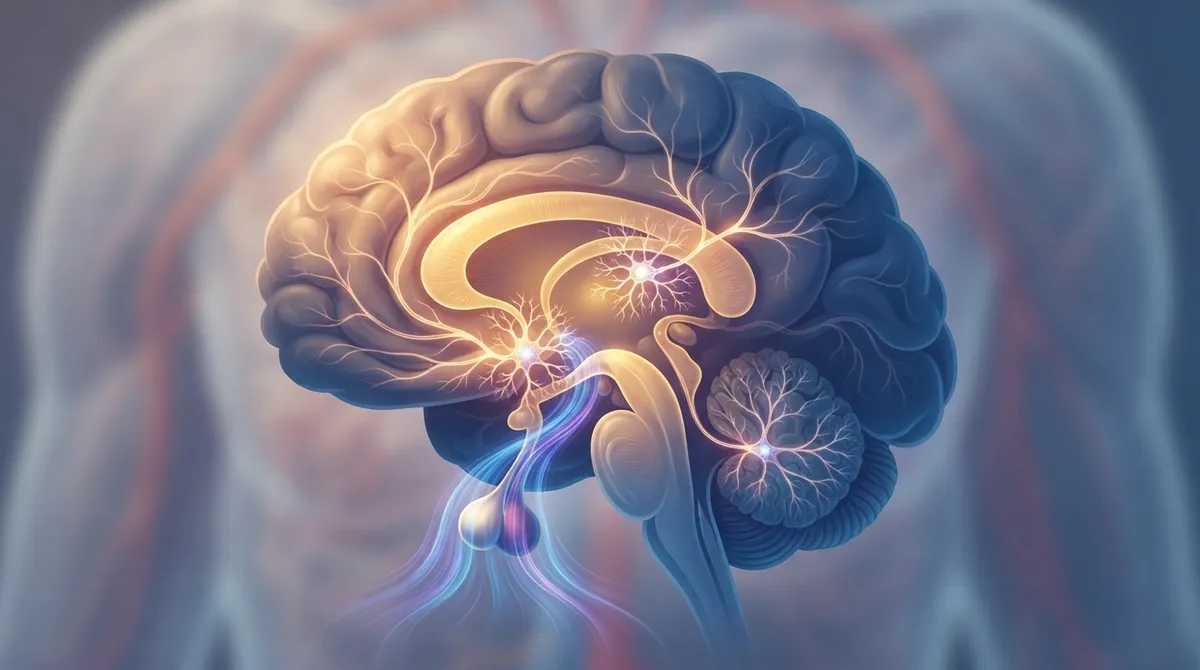
Your brain holds many secrets about fertility, puberty, and hormone health. One of the newest discoveries is kisspeptin, a small but powerful brain chemical. Many patients ask their primary care doctor about kisspeptin after reading about it online. Understanding kisspeptin brain location helps explain why this tiny molecule has such a big effect on reproductive health. This guide breaks down where kisspeptin lives in the brain and why it matters for your wellness journey.
At InCare, patients in Tampa and Riverview often come in with questions about hormone balance, fertility, and metabolic health. While kisspeptin therapy itself is still an emerging area of medicine, understanding the science behind it can help you have better conversations with your care team. Let's explore what current research tells us about kisspeptin and its home in the human brain.
What Is Kisspeptin and Why Does Brain Location Matter?
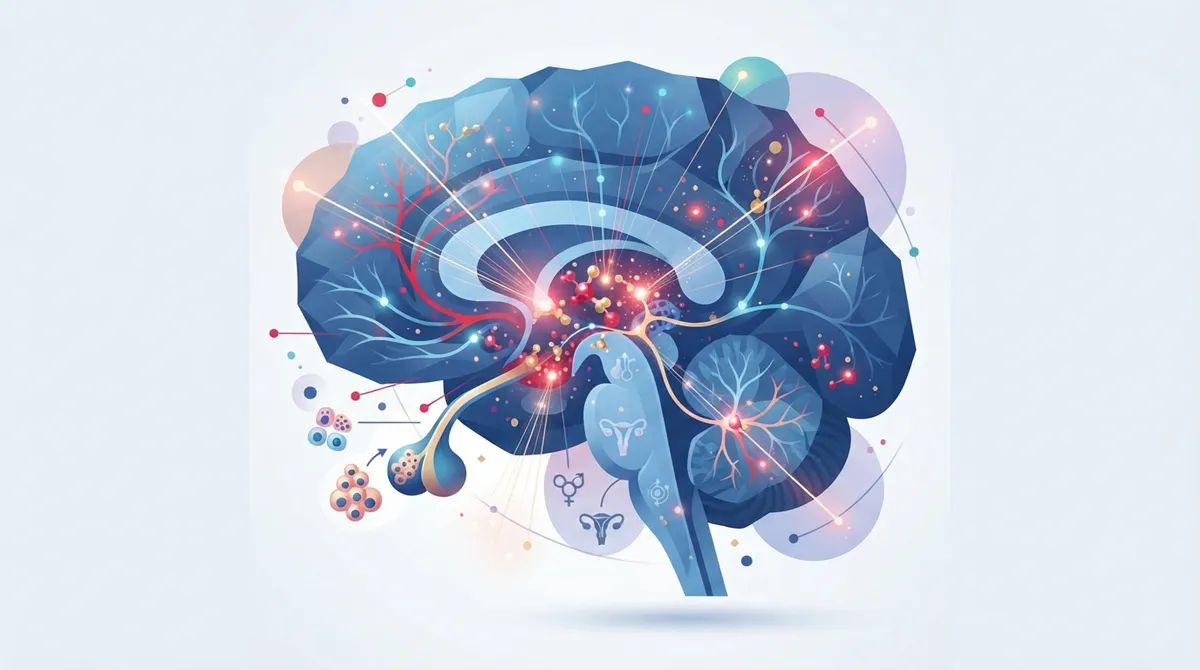
Kisspeptin is a natural brain chemical made by specific groups of nerve cells. These cells sit inside the hypothalamus, a small but mighty brain region. The hypothalamus acts like a bridge. It connects your nervous system to your hormone system through the pituitary gland.
Knowing where kisspeptin neurons live helps scientists and doctors understand how this system controls puberty, periods, and fertility. It also explains why stress, weight changes, and illness can throw off your reproductive hormones. This connection between brain location and body function is a key part of modern primary care.
The Hypothalamus: Kisspeptin's Home Base
The hypothalamus sits deep in the brain, just above the pituitary gland. It controls many basic body functions. These include hunger, body temperature, sleep, and hormone release. Kisspeptin neurons cluster in specific parts of this region.
Think of the hypothalamus as a command center. It receives signals from the body about energy levels, stress, and overall health. Then it sends out chemical messages, including kisspeptin, to keep your reproductive system running smoothly.
Where Exactly Are Kisspeptin Neurons Located?
Human studies show kisspeptin cell bodies cluster in two main brain areas. Understanding these locations helps explain how kisspeptin affects fertility and hormone health.
1. The Infundibular Nucleus
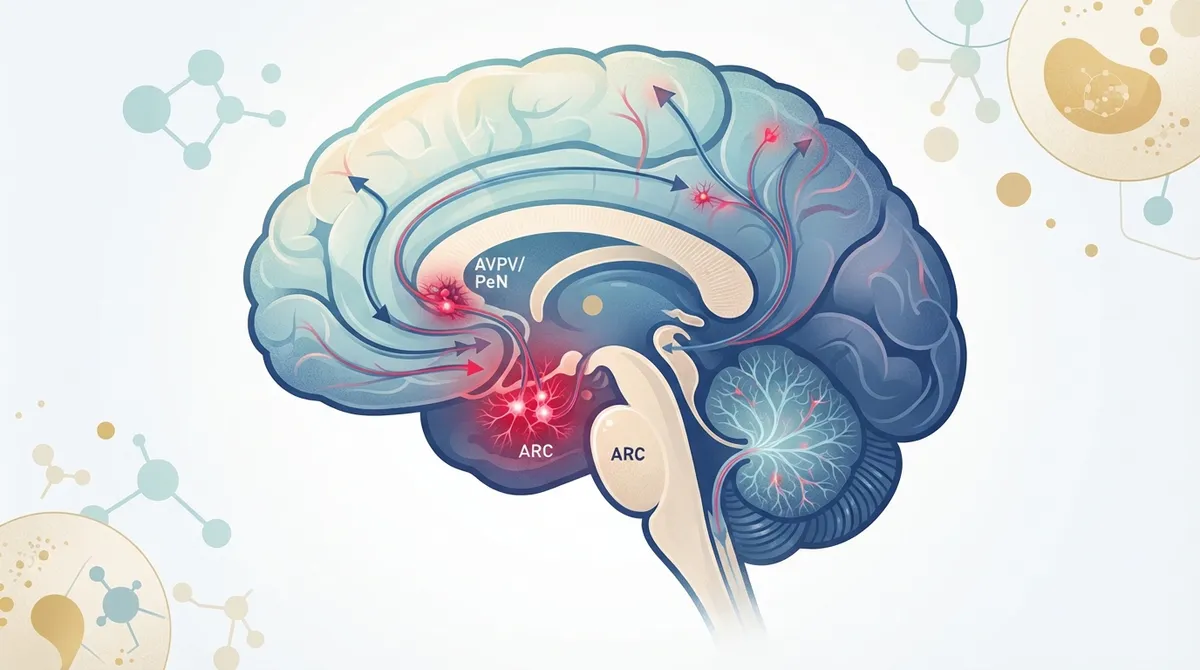
The infundibular nucleus holds the largest group of kisspeptin neurons in the human brain. This area sits in the lower part of the hypothalamus, near the pituitary stalk. Researchers first identified this cluster in a landmark 2007 postmortem study (Rometo et al.). This region is the human match to what is called the arcuate nucleus in rodent studies.
2. The Preoptic Area
A smaller group of kisspeptin neurons lives in the preoptic area. This region sits near the front of the hypothalamus. In rodents, similar cells appear in the anteroventral periventricular nucleus and periventricular nucleus. Human data on this second cluster remains more limited than data on the infundibular nucleus.
3. Fiber Pathways Beyond the Cell Bodies
Kisspeptin does not stay in one spot. Nerve fibers carrying kisspeptin signals stretch out to other brain regions. These include:
- Areas near the third ventricle
- The paraventricular nucleus
- The dorsomedial hypothalamus
- The hypothalamic stalk
- The organum vasculosum of the lamina terminalis
This wide reach explains why kisspeptin can influence so many body systems, not just one small area.
Human vs. Rodent Kisspeptin Neurons: Key Differences
Much of what we know about kisspeptin first came from animal studies. However, human brains show some important differences. The table below compares key features between species.
|
Feature |
Human Brain |
Rodent Brain |
|---|---|---|
|
Main cell body cluster |
Infundibular nucleus |
Arcuate nucleus |
|
Secondary cluster |
Preoptic area |
AVPV and PeN regions |
|
Co-expressed hormones |
Comparable KNDy features (less studied) |
Neurokinin B and dynorphin (KNDy neurons) |
|
Sex-based differences |
Higher expression in women (Bakker, 2021) |
Similar sex differences observed |
|
Menopause-related changes |
Neuron numbers decrease |
Not directly applicable |
How Kisspeptin Neurons Control Your Reproductive Hormones
Kisspeptin does not work alone. It acts as a switch that turns on other important hormone signals. Here is how the process works, step by step.
- Kisspeptin release: Neurons in the infundibular nucleus and preoptic area release kisspeptin.
- GnRH activation: Kisspeptin binds to nearby GnRH neurons, turning them on.
- Pituitary signaling: GnRH travels to the pituitary gland and triggers the release of two key hormones.
- LH and FSH release: Luteinizing hormone (LH) and follicle-stimulating hormone (FSH) enter the bloodstream.
- Reproductive effects: These hormones drive puberty, ovulation, and menstrual cycles.
This chain reaction shows why kisspeptin is often called a master regulator of reproductive health. Without it, the entire hormone cascade would not start.
What Affects Kisspeptin Signaling in the Brain?
Kisspeptin neurons do not work in isolation. Many factors from daily life can change how well this system functions. This is where primary care and wellness support become important.
Key Factors That Influence Kisspeptin Activity
- Sex hormones like estrogen and testosterone
- Body weight and energy balance
- Chronic stress levels
- Illness and inflammation
- Age and menopause status
- Overall body composition
Because kisspeptin responds to sex steroids, this creates a two-way relationship. Your hormone levels affect kisspeptin, and kisspeptin affects your hormone levels. This is one reason why body composition tracking and hormone testing can offer useful insights into overall reproductive health.
Common Signs Linked to Kisspeptin and Hormone Imbalance
While kisspeptin testing itself is not yet standard in most clinics, changes in the hormones it controls can show up in noticeable ways. Patients may want to discuss these signs with their doctor.
Signs Worth Discussing With Your Doctor
- Irregular or missing menstrual cycles
- Unexplained fertility struggles
- Signs of early or delayed puberty in children
- Low libido or sexual health concerns
- Unusual fatigue paired with hormone changes
- Significant weight changes affecting cycle regularity
If you notice these patterns, a conversation with a primary care provider can help identify next steps. Testing for LH, FSH, and other related hormones can offer clues about how well your hypothalamic-pituitary-gonadal system is working.
Why Understanding Brain Chemistry Supports Better Wellness Care
Modern wellness care goes beyond treating symptoms. It looks at the whole picture, including brain chemistry, metabolism, and hormone health. Understanding systems like kisspeptin helps doctors give more personalized advice.
At InCare, this whole-body approach shows up in services like DNA gene testing, which can reveal genetic factors tied to hormone function. It also appears in weight loss programs, since body weight closely connects to reproductive hormone balance. Even IV hydration and vitamin drips can support overall energy and cellular health, which plays a supporting role in hormone regulation.
How InCare Supports Whole-Body Hormone Health
|
Service |
How It Connects to Hormone Health |
|---|---|
|
Primary Care Visits |
Ongoing monitoring of reproductive and metabolic hormones |
|
DNA Gene Testing |
Identifies genetic factors linked to hormone function |
|
Weight Loss Programs |
Addresses energy balance, which affects kisspeptin signaling |
|
Body Composition Analysis |
Tracks changes that may relate to hormone shifts |
|
Cancer Screenings |
Supports early detection tied to reproductive health |
Talking to Your Doctor About Fertility and Hormone Concerns
Many patients feel unsure about how to start a conversation about fertility or hormone symptoms. Here are simple steps to prepare for your visit.
Steps to Prepare for Your Appointment
- Track your menstrual cycle or symptoms for a few months
- Write down any changes in weight, energy, or mood
- List current medications and supplements
- Note any family history of fertility or hormone issues
- Prepare specific questions about testing options
Bringing this information helps your provider build a clearer picture of your hormone health. It also saves time during your visit, so you can focus on next steps.
The Future of Kisspeptin Research in Wellness Care
Scientists continue to study kisspeptin for possible use in treating infertility and certain hormone disorders. Early research explores whether kisspeptin-based treatments could help some patients with reproductive hormone problems. However, this research is still developing, and most kisspeptin treatments are not yet part of standard primary care.
As research grows, primary care and wellness clinics will likely play a bigger role in offering guidance. Staying informed now helps you make better decisions later. You can follow ongoing wellness updates through InCare's Instagram page or check community health tips on TikTok for easy-to-understand health content.
Why Choose InCare for Your Hormone and Wellness Needs
InCare offers a personalized approach to primary care and wellness in Tampa and Riverview, Florida. The team combines modern technology with real medical expertise to support your whole-body health. Whether you need routine cancer screenings, help with weight management, or guidance on hormone-related symptoms, InCare's providers are ready to help.
Patients consistently praise the friendly staff and attentive care at InCare. You can visit us on Google — InCare to read reviews from real patients in the Tampa Bay area. Many highlight the welcoming office environment and thorough care from InCare's physicians.
You can also connect with InCare on Facebook for health tips and clinic updates. Following along on social media is a simple way to stay informed between visits.
Take the Next Step Toward Better Hormone Health
Understanding kisspeptin brain location gives you a clearer picture of how your body regulates fertility and reproductive hormones. This tiny brain chemical, made in the infundibular nucleus and preoptic area, controls a chain of events that shapes puberty, cycles, and fertility. While kisspeptin science is still evolving, its role in your health is already clear.
If you have questions about hormone balance, fertility concerns, or want a full wellness checkup, InCare's providers in Tampa and Riverview are here to help. Explore our providers or view our locations to find the clinic nearest you. Ready to talk to a doctor about your hormone health? Book Now and take the first step toward whole-body wellness today.
FAQs
Q: Where exactly is kisspeptin located in the human brain?
A: Kisspeptin neurons are mostly found in the infundibular nucleus of the hypothalamus, with a smaller group in the preoptic area. Nerve fibers carrying kisspeptin signals also extend to other nearby brain regions, including the paraventricular nucleus and hypothalamic stalk.
Q: Is kisspeptin made in the hypothalamus or the pituitary gland?
A: Kisspeptin is made in the hypothalamus, not the pituitary gland. It then signals nearby GnRH neurons, which travel to the pituitary gland to trigger the release of LH and FSH.
Q: What does kisspeptin do to GnRH, LH, and FSH?
A: Kisspeptin activates GnRH neurons, which then stimulate the pituitary gland to release LH and FSH. These two hormones are essential for puberty, ovulation, and regular menstrual cycles.
Q: What is the difference between kisspeptin neurons in humans and rodents?
A: In humans, most kisspeptin neurons are found in the infundibular nucleus, while rodents have a similar cluster in the arcuate nucleus. Rodent studies also show clearer evidence of KNDy neuron co-expression, a feature that is less thoroughly studied in humans.
Q: Can stress, weight, or menopause affect kisspeptin signaling?
A: Yes, kisspeptin signaling is sensitive to changes in body weight, stress levels, and hormone status, including menopause. Research shows that kisspeptin neuron numbers can decrease after menopause, reflecting the system's connection to estrogen levels.