Key Takeaways
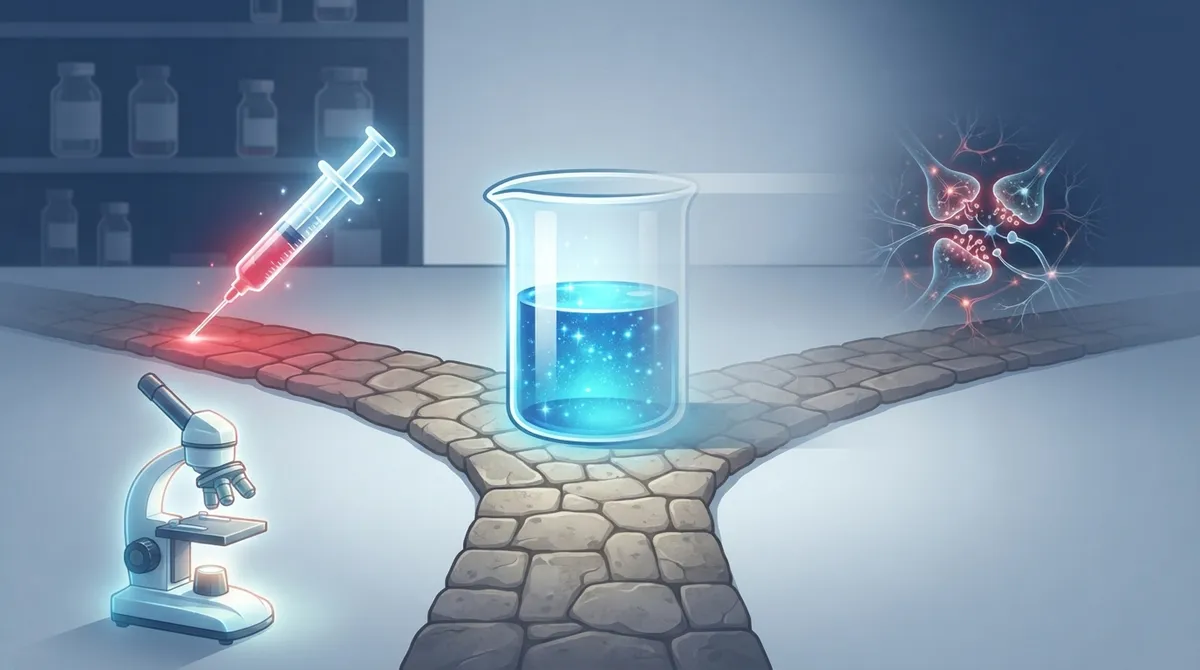
- Kisspeptin is not FDA-approved for testosterone treatment and remains experimental; small studies show short-term testosterone increases but lack long-term safety data and proven lasting effectiveness.
- Kisspeptin works by stimulating your body's natural hormone signals through the brain's GnRH neurons, unlike testosterone replacement therapy which directly supplies testosterone and may suppress fertility.
- Tachyphylaxis is a significant concern where your body may become resistant to kisspeptin with repeated use, making it unreliable as a daily or long-term therapy option.
- Research peptides bought online carry serious risks including lack of quality control, improper dosing guidance, and no medical supervision; proper testing and approved treatments are safer alternatives.
- Low testosterone requires proper diagnosis through two morning blood tests, LH and FSH testing, and identifying whether you have primary or secondary hypogonadism before considering any treatment.
- Reversible causes of low testosterone like poor sleep, obesity, or certain medications should be addressed first; weight loss programs and lifestyle changes may naturally improve hormone balance without peptide therapy.
You may have heard about kisspeptin as a new way to raise testosterone without shots. Social media posts and wellness forums often make big promises. But what does the actual research say? At InCare, we believe patients deserve honest, science-based answers before trying any new treatment. This guide breaks down what kisspeptin is, how it connects to testosterone, and why it remains an experimental approach rather than a proven therapy.
Whether you are exploring options for low testosterone or simply curious about emerging wellness trends, understanding the real evidence matters. We will walk through the biology, the studies, and what primary care doctors want you to know before you consider kisspeptin for hormone health.
What Is Kisspeptin and How Does It Work?
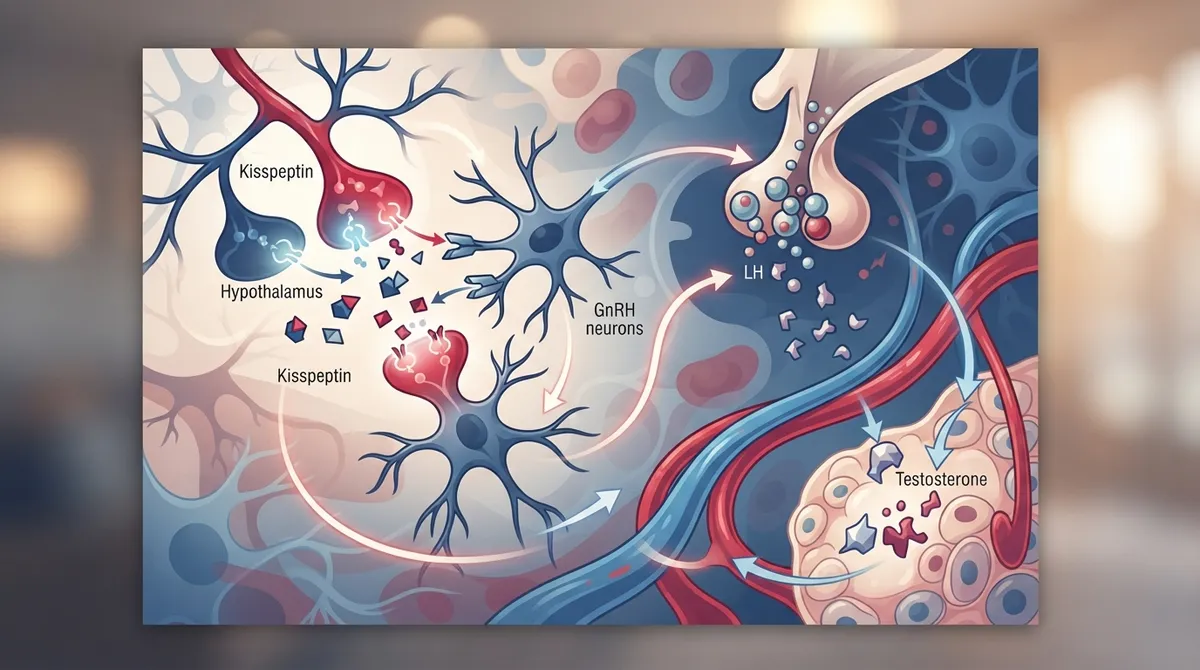
Kisspeptin is a natural signaling molecule made in the brain. It comes from a gene called KISS1. This molecule acts like a messenger that tells your brain to release other hormones.
Kisspeptin binds to a receptor called KISS1R. This receptor sits on special brain cells called GnRH neurons. GnRH stands for gonadotropin-releasing hormone. These cells control your entire reproductive hormone system.
The Hormone Chain Reaction
Think of kisspeptin as the first domino in a chain. Here is how the process works:
- Kisspeptin activates GnRH neurons in the brain.
- GnRH neurons release GnRH hormone.
- GnRH travels to the pituitary gland.
- The pituitary gland releases LH and FSH.
- LH signals the testes to produce testosterone.
This system is called the hypothalamic-pituitary-gonadal axis, or HPG axis for short. It is the same system that testosterone replacement therapy aims to support, though through a different method.
Does Kisspeptin Really Raise Testosterone Levels?
Yes, in small research studies, kisspeptin has raised testosterone levels for short periods. But the results come with important limits you need to understand.
A 2013 study looked at men with type 2 diabetes and mild low testosterone. Researchers gave these men kisspeptin-10. The study found that kisspeptin increased LH pulse frequency and LH secretion. Testosterone levels also rose. However, this was a small proof-of-concept study, not a large clinical trial.
More recently, a 2025 study tested intranasal kisspeptin-54 in healthy men and women. This spray form of kisspeptin quickly raised gonadotropin levels. At a dose of 12.8 nmol/kg, testosterone increased by about 1.91 nmol/L. The confidence interval ranged from 0.26 to 3.55 nmol/L. This means the effect was real but varied quite a bit between people.
What These Numbers Actually Mean
|
Study Detail |
Finding |
|---|---|
|
Study Type |
Small, short-term physiological studies |
|
Population |
Healthy men, men with diabetes and mild low testosterone, women with hypothalamic amenorrhea |
|
Testosterone Change (2025 study) |
Increase of about 1.91 nmol/L at highest dose |
|
Adverse Events Reported |
None during the study period |
|
Long-Term Safety Data |
Not yet established |
These findings show kisspeptin has biological activity. They do not prove it works as a long-term treatment for low testosterone. No large-scale trial has confirmed lasting benefits or safety.
Kisspeptin vs Testosterone Replacement Therapy: Key Differences
Many patients ask how kisspeptin compares to standard testosterone replacement therapy. The two approaches work in completely different ways.
|
Factor |
Kisspeptin |
Testosterone Replacement Therapy |
|---|---|---|
|
Mechanism |
Stimulates the body's own hormone signals |
Directly supplies testosterone |
|
Effect on Fertility |
May preserve natural sperm production |
Can suppress sperm production |
|
FDA Approval |
Not approved for testosterone treatment |
Approved and widely used |
|
Research Status |
Early-stage, investigational |
Established with decades of data |
|
Availability |
Not available for routine clinical use |
Available through licensed providers |
Testosterone replacement therapy adds testosterone directly to your body. This can shut down your natural production because your brain senses enough testosterone is already present. This is why TRT can reduce fertility in some men.
Kisspeptin works differently. It tries to wake up the body's own signaling system. In theory, this could support fertility better than direct testosterone. But this is still a theory. No large studies have confirmed that kisspeptin protects or improves sperm production in real patients.
Why Kisspeptin Is Not a Substitute for Proven Hormone Care
Several major gaps in the research keep kisspeptin from becoming an approved treatment. Understanding these gaps helps you make informed choices about your health.
Key Limitations of Current Kisspeptin Research
- Most studies involve very small groups of patients, sometimes fewer than 20 people.
- Study periods are short, often lasting hours or days, not months or years.
- No trial has confirmed lasting symptom relief for low testosterone.
- Long-term safety data does not exist yet.
- Repeated use may cause the body to stop responding, a problem called tachyphylaxis.
- No kisspeptin medication is currently approved for treating low testosterone.
Tachyphylaxis is a real concern. This means your body may get used to kisspeptin over time. The hormone response could weaken with repeated or continuous exposure. This makes kisspeptin tricky as a daily or long-term therapy option.
What About Kisspeptin and Sexual Health?
Some studies have looked at kisspeptin's effects beyond testosterone. A 2023 randomized trial published in JAMA Network Open studied kisspeptin in men with low sexual desire. Researchers found that kisspeptin affected brain activity related to sexual arousal. It also affected penile response during testing.
This study focused on sexual desire and arousal, not testosterone treatment approval. It adds to our understanding of kisspeptin's role in the brain. But it does not prove kisspeptin is a safe or effective testosterone therapy.
Should You Consider Kisspeptin for Low Testosterone?
Given the current evidence, kisspeptin should not replace standard medical care for low testosterone. Research peptides bought online carry serious risks. These products lack quality control, proper dosing guidance, and medical supervision.
Steps for Proper Evaluation of Low Testosterone
- Track your symptoms carefully, including energy, mood, and sexual function changes.
- Get at least two morning testosterone blood tests on separate days.
- Share your full medication and health history with your doctor.
- Ask your provider to check for reversible causes like sleep problems or medication side effects.
- Request LH and FSH testing to identify the type of hypogonadism you may have.
- Discuss all treatment options, including risks and benefits, before starting therapy.
This step-by-step process helps your doctor find the real cause of low testosterone. Some causes are simple to fix, like poor sleep or certain medications. Others need more targeted care.
How Primary Care Doctors Approach Hormone Health
At InCare, our approach to hormone health starts with listening. We review your symptoms, order proper lab work, and explain your results in plain language. Our providers take time to understand your full health picture before recommending any treatment plan.
We also distinguish between primary and secondary causes of low testosterone. Primary hypogonadism means the testes themselves are not working well. Secondary hypogonadism means the signal from the brain is weak or missing. This distinction matters because it changes which treatments make sense.
Why Distinguishing Hypogonadism Types Matters
- Primary hypogonadism usually shows high LH and FSH with low testosterone.
- Secondary hypogonadism usually shows low or normal LH and FSH with low testosterone.
- Treatment plans differ significantly based on this distinction.
- Fertility goals may point toward different therapy choices.
- Underlying causes like pituitary issues need separate evaluation.
Our team at InCare offers comprehensive testing to sort out these differences. We also provide DNA gene testing and body composition analysis to give you a full picture of your metabolic and hormonal health.
Other Wellness Services That Support Hormone Health
Hormone balance connects to many parts of your overall health. InCare offers several services that work together to support whole-body wellness.
|
Service |
How It Supports Hormone Health |
|---|---|
|
Weight Loss Programs |
Excess weight can lower testosterone naturally |
|
IV Hydration Therapy |
Supports energy and recovery |
|
Metabolic Breath Analysis |
Reveals how your body uses energy |
|
Primary Care Visits |
Catches underlying issues early |
Our weight loss programs often help men and women see natural improvements in hormone balance. Carrying extra weight can lower testosterone in men and disrupt hormone signals in women. Losing weight through a supervised program may support better hormone function without any peptide therapy at all.
We also offer IV hydration and vitamin drips to support energy levels while you work on longer-term health goals. These services do not treat hormone deficiencies directly, but they can help you feel your best during your health journey.
Questions to Ask Your Doctor About Testosterone and Kisspeptin
Being prepared for your appointment helps you get the most out of your visit. Consider bringing up these points with your primary care provider.
- What are my actual testosterone levels compared to normal ranges for my age?
- Do I have primary or secondary hypogonadism based on my LH and FSH results?
- Are there reversible causes of my symptoms I should address first?
- What are the risks and benefits of standard testosterone replacement therapy for me?
- Should I be concerned about fertility if I start treatment?
- Is there any role for research therapies like kisspeptin in my specific case?
Bringing a list of questions shows your doctor you want to be an active partner in your care. Our primary care team welcomes these conversations and will give you clear, honest answers based on current evidence.
The Bottom Line on Kisspeptin and Testosterone
Kisspeptin represents an exciting area of hormone research. It has real biological effects on testosterone production in short-term studies. The 2025 intranasal study and the 2013 diabetes study both show promise for future research directions.
However, kisspeptin is not ready for routine clinical use. No approved kisspeptin medication exists for treating low testosterone today. The evidence remains limited to small, short studies without proven long-term safety or effectiveness data.
If you are dealing with symptoms of low testosterone, the safest path forward is proper testing and evidence-based treatment. Self-treating with research peptides bought online is not recommended and could put your health at risk.
Take the Next Step Toward Better Hormone Health
Understanding your hormone health starts with accurate testing and expert guidance. Our team at InCare serves patients across Tampa and Riverview with comprehensive primary care and wellness services built around your individual needs. We stay current with the latest research so we can offer you honest, evidence-based recommendations.
You can follow our latest health updates and patient stories on Facebook and Instagram, or see quick wellness tips on Tik Tok. Many patients also share their experiences and read InCare reviews on Google before scheduling their first visit.
Ready to get real answers about your testosterone levels and overall hormone health? Book your appointment today and let our experienced providers guide you through proper testing and a personalized treatment plan. If you have questions before booking, feel free to reach out to our team for more information.
FAQs
Q: What is kisspeptin, and how does it affect testosterone?
A: Kisspeptin is a natural brain hormone that activates GnRH neurons, which then trigger LH and FSH release. This chain reaction can stimulate the testes to produce more testosterone. Studies show short-term testosterone increases after kisspeptin administration, but the effect is still being studied.
Q: Can kisspeptin increase testosterone naturally in men?
A: Small studies have shown kisspeptin can raise testosterone levels for short periods in men. A 2013 study in men with diabetes and mild low testosterone showed increased LH secretion and testosterone. However, these results come from limited research, not large clinical trials.
Q: Is kisspeptin approved for treating low testosterone or hypogonadism?
A: No, kisspeptin is not approved for treating low testosterone or hypogonadism. It remains an investigational compound studied mainly in research settings. Patients should not use research peptides bought online as a substitute for approved medical treatment.
Q: How is kisspeptin different from testosterone replacement therapy?
A: Kisspeptin aims to stimulate your body's own hormone production pathway, while testosterone replacement therapy supplies testosterone directly. This difference may matter for fertility, since TRT can suppress natural sperm production while kisspeptin's effect on fertility remains under study.
Q: Should I use kisspeptin peptides bought online for low testosterone?
A: No, self-treating with online research peptides is not recommended. These products lack quality control, proper dosing information, and medical oversight. Speak with a primary care provider for proper testing and approved treatment options instead.