Key Takeaways
- Kisspeptin therapy is not FDA-approved as of 2026; a 2024 FDA committee voted 0-11 against approving kisspeptin-10, citing insufficient safety and efficacy evidence for any clinical use.
- MVT-602, a longer-acting kisspeptin variant, shows stronger and longer-lasting hormone effects in small studies, but no evidence yet proves it improves actual pregnancy rates or fertility outcomes.
- Most human kisspeptin studies are small and short-term, measuring only hormone levels after single doses without answering critical questions about long-term safety, pregnancy success, or multi-month use.
- Unregulated kisspeptin products sold online or in wellness clinics may contain impurities or contaminants and lack proper safety monitoring; claims about anti-aging, energy, or weight loss are unsupported by research.
- Before trying experimental kisspeptin therapy, a full medical evaluation should rule out common treatable causes like thyroid dysfunction, nutritional deficiencies, sleep problems, and medication side effects.
- Consider joining a supervised clinical trial rather than purchasing kisspeptin outside regulated channels; a licensed primary care provider can help identify the actual cause of hormone or fertility issues.
If you have searched for new ways to treat hormone problems or fertility struggles, you may have come across kisspeptin therapy. This peptide-based approach is getting attention in medical research circles. But what does the science really say, and is it something you can safely try today?
Kisspeptin is a natural hormone signal made by your body. It plays a key role in reproductive health for both men and women. Researchers are studying it as a possible treatment for certain fertility and hormone conditions. However, kisspeptin therapy is still mostly experimental. It has not been approved by the FDA for routine use in primary care or wellness clinics.
This article breaks down what kisspeptin therapy is, how it works, and what the current research shows. We will also cover safety concerns, common questions, and how a trusted primary care team can help you explore your hormone health the right way. At InCare, our providers in Tampa and Riverview focus on evidence-based care while staying current on emerging treatments like this one.

What Is Kisspeptin Therapy?
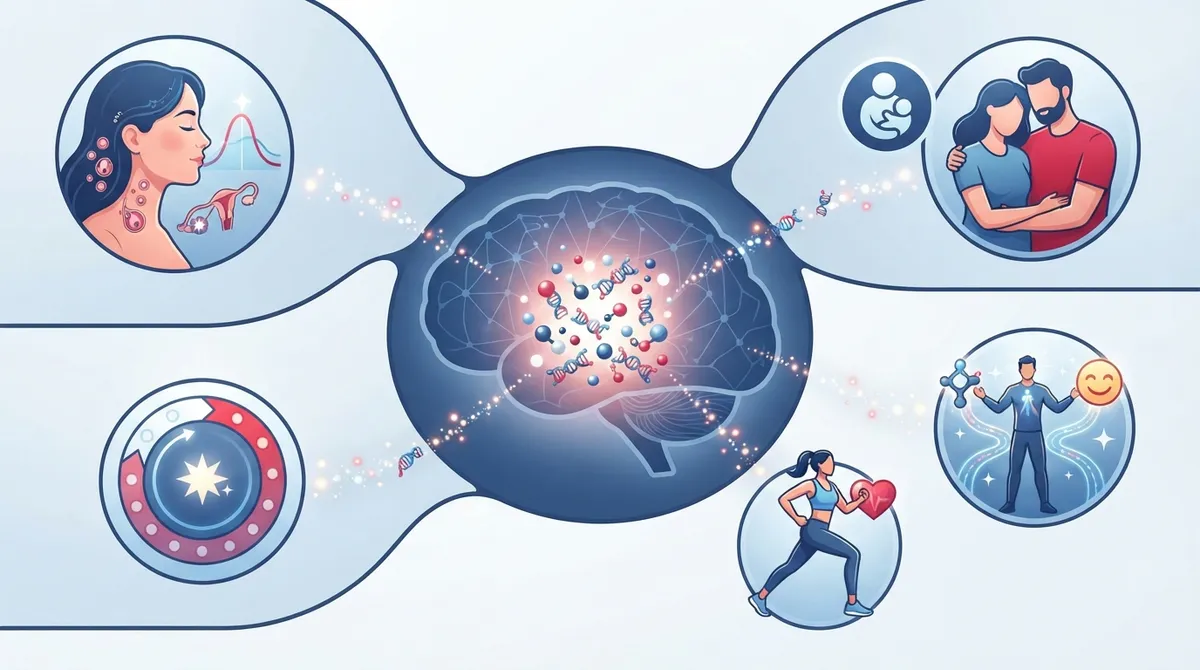
Kisspeptin is a hormone-signaling peptide made in your brain. It activates a receptor called KISS1R, also known as GPR54. This action triggers your hypothalamus to release gonadotropin-releasing hormone, or GnRH. That hormone then tells your pituitary gland to release two more hormones: luteinizing hormone (LH) and follicle-stimulating hormone (FSH).
These hormones control reproduction in both men and women. They manage ovulation, sperm production, and overall hormone balance. Kisspeptin sits at the very top of this hormone chain. This is different from taking testosterone, estrogen, or fertility drugs directly. Instead of replacing a hormone, kisspeptin therapy tries to stimulate your body's own natural hormone pathway.
How Kisspeptin Differs From Standard Hormone Treatments
Many people are familiar with hormone replacement therapy or fertility injections. Kisspeptin therapy works differently. Here is a simple comparison:
|
Treatment Type |
How It Works |
FDA Approval Status |
|---|---|---|
|
Testosterone Therapy |
Directly replaces low testosterone levels |
Approved for specific conditions |
|
Human Chorionic Gonadotropin (hCG) |
Mimics LH to stimulate the testes or ovaries |
Approved for specific conditions |
|
Kisspeptin/MVT-602 |
Stimulates the brain's own GnRH release upstream |
Not approved; investigational only |
This upstream approach is part of why researchers are excited about kisspeptin. It could someday offer a more natural way to support fertility. But right now, it remains in the research phase.
What Conditions Might Kisspeptin Therapy Help?
Scientists are studying kisspeptin for several reproductive and hormone-related conditions. These include:
- Hypothalamic hypogonadism, a condition where the brain does not send proper signals to the reproductive organs
- Functional hypothalamic amenorrhea, which causes missed periods often linked to stress or low body weight
- Delayed puberty in teens
- Male reproductive hormone disorders, including low testosterone caused by signaling problems
- Infertility, especially in women trying to conceive through assisted reproduction
It is important to understand that these are proposed uses. None of them are considered standard, approved treatments yet. If you are dealing with any of these conditions, a full evaluation at a primary care clinic is the safest first step.
The Role of MVT-602 in Current Research
Most recent kisspeptin research focuses on a longer-acting version called MVT-602. This drug binds to the same KISS1R receptor but stays active in the body much longer than natural kisspeptin. Researchers hope this could make it more useful for treating fertility issues.
A 2020 study published in the Journal of Clinical Investigation looked at MVT-602 in three small groups: nine healthy women, six women with polycystic ovary syndrome (PCOS), and six women with hypothalamic amenorrhea. The results showed some interesting differences between MVT-602 and natural kisspeptin-54.
|
Measurement |
MVT-602 |
Kisspeptin-54 |
|---|---|---|
|
Time to peak LH response |
About 21.4 hours |
About 4.7 hours |
|
Total LH exposure (AUC) |
About 169.0 IU·h/L |
About 38.5 IU·h/L |
|
GnRH neuron firing time (lab models) |
About 115 minutes |
About 55 minutes |
|
Estimated half-life |
1.5 to 2.2 hours |
About 0.5 hours |
These numbers suggest MVT-602 has a stronger and longer-lasting effect. However, the study groups were very small. Researchers have not proven that this leads to better pregnancy outcomes or improved fertility rates.
Is Kisspeptin Therapy FDA-Approved?
No. As of 2026, no kisspeptin product has FDA approval for any use in the United States. This includes primary care, wellness, or fertility applications. This is a key point for anyone considering kisspeptin therapy.
In 2024, the FDA Pharmacy Compounding Advisory Committee reviewed kisspeptin-10 for treating secondary hypogonadism in men. The committee voted 0 in favor and 11 against including it on the approved bulk-drug list. This means the FDA panel did not find enough safety and effectiveness evidence to support its use, even through compounding pharmacies.
Why This Matters for Patients
Some wellness clinics or online sellers may market kisspeptin products as safe or effective. This can be misleading. Here are three reasons to be cautious:
- Kisspeptin-10 has no established FDA-approved indication for any condition.
- Available safety data is limited, especially for long-term use.
- Peptide products sold outside regulated pharmacies may have purity or contamination issues.
If you see a product marketed for anti-aging, energy, weight loss, or libido using kisspeptin, be skeptical. The current research does not support these broader claims.
Understanding the Current Research Gaps
Human studies on kisspeptin have been small and short. Most focus only on measuring hormone levels like LH and FSH after a single dose. They do not answer bigger questions patients care about, such as:
- Does kisspeptin therapy actually improve pregnancy rates?
- Is it safe to use for months or years?
- Does it help with energy, weight loss, or sexual function?
- Are there long-term side effects we do not yet know about?
An early Phase 1 study of MVT-602, reported by Myovant in 2018, randomized 24 healthy women into different dose groups. Most side effects were mild, including headache, dizziness, and abdominal bloating. No serious adverse events were reported. Still, this was a small, short study. It cannot answer questions about long-term safety or fertility success.
What This Means If You Are Considering Treatment
Before considering any experimental peptide therapy, it makes sense to rule out other causes of your symptoms. A thorough annual wellness visit can check for common issues that mimic hormone problems. These include:
- Thyroid dysfunction
- Nutritional deficiencies
- Medication side effects
- Chronic stress or sleep problems
- Underlying psychological factors
Many patients find that these more common, treatable issues explain their symptoms. Addressing them first is safer and often more effective than jumping straight to an unproven peptide.
What Should You Ask Your Doctor?
If you are curious about kisspeptin therapy or hormone-related fertility issues, bring these questions to your next appointment:
- What tests can confirm if I have a hormone signaling problem?
- Are there established treatments that might work better for my situation?
- What are the risks of trying an unapproved peptide therapy?
- Is there a clinical trial I could consider instead of buying an unregulated product?
- How can we monitor my hormone levels over time?
A knowledgeable provider can walk you through your options honestly. This includes explaining what current science supports and what remains unproven.
How InCare Approaches Hormone and Fertility Concerns
At InCare, our approach starts with a full evaluation. This is not just about ordering one test. We look at your whole health picture, including diet, sleep, stress, and existing medical conditions. Our DNA gene testing and advanced lab work can help identify underlying patterns that basic checkups might miss.
We also offer body composition analysis and metabolic testing to better understand how your body is functioning overall. These tools give us a clearer picture before considering any advanced or experimental treatments. Our team stays current on peptide research, including therapies like kisspeptin, so we can guide you with facts rather than trends.
Why Whole-Body Evaluation Matters
Hormone problems rarely exist in isolation. A patient with irregular periods might also have thyroid issues. A man with low libido might have sleep apnea or high stress levels. Looking at the whole body helps identify the real cause, not just the symptom.
Our providers, including those featured on our peptide therapy team page, take a careful and honest approach. We do not push unproven treatments. Instead, we focus on what actually helps patients feel better and stay healthy long term.
Common Myths About Kisspeptin Therapy
There is a lot of misinformation online about kisspeptin. Let's clear up a few common myths:
- Myth: Kisspeptin is FDA-approved for fertility treatment. Fact: It is not approved for any use as of 2026.
- Myth: Kisspeptin therapy is safer than testosterone or fertility drugs. Fact: Safety has not been well studied in humans over the long term.
- Myth: Kisspeptin boosts energy and reverses aging. Fact: No solid research supports these broader wellness claims.
- Myth: You can safely buy kisspeptin online for personal use. Fact: Unregulated peptide products carry real risks, including purity and contamination issues.
Understanding these facts can help you make informed decisions about your health. Always talk to a licensed provider before trying any new hormone therapy.
Staying Informed and Connected
Peptide research moves quickly, and new studies come out every year. Following trusted health sources can help you stay current. You can also follow InCare on Facebook and Instagram for wellness tips and clinic updates, or check out our latest content on Tik Tok.
Many patients in Tampa and Riverview have shared their experiences with our clinic. You can read what they have to say and visit us on Google — InCare to see reviews and ratings from real patients in our community.
Conclusion: Making Safe, Informed Choices
Kisspeptin therapy represents an exciting area of medical research. It offers a new way to think about treating hormone and fertility disorders. But as of 2026, it remains investigational. No product has FDA approval, and long-term safety data is still limited.
If you are dealing with fertility struggles, irregular hormones, or unexplained symptoms, the safest path forward is a full evaluation from a trusted primary care team. Our providers at InCare in Tampa and Riverview can help you understand your options, order the right tests, and create a plan based on real evidence, not hype.
Ready to talk about your hormone health? Reach out to our team today or schedule your appointment now to get started on a personalized, science-backed care plan.
FAQs
Q: What is kisspeptin therapy and how does it work?
A: Kisspeptin therapy uses a natural hormone-signaling peptide that activates the KISS1 receptor in the brain. This stimulates release of GnRH, which then triggers LH and FSH production to support reproductive hormone balance.
Q: Is kisspeptin therapy FDA-approved?
A: No, kisspeptin therapy is not FDA-approved for any use as of 2026. A 2024 FDA advisory committee reviewed kisspeptin-10 and voted overwhelmingly against including it on the approved compounding list due to limited safety and efficacy evidence.
Q: Can kisspeptin therapy help with infertility, PCOS, or hypothalamic amenorrhea?
A: Early research, including small studies on MVT-602, has explored these applications, but sample sizes remain very small. Current evidence does not confirm improved fertility or pregnancy outcomes for these conditions.
Q: What side effects and risks are associated with kisspeptin or MVT-602?
A: Reported side effects in early studies included headache, dizziness, and abdominal bloating, with no serious adverse events noted. However, long-term safety data is still lacking, and unregulated products may carry additional risks like impurities.
Q: Should patients use kisspeptin therapy outside a clinical trial?
A: Most experts recommend against using kisspeptin therapy outside of a supervised clinical trial. A full evaluation for underlying hormone, nutritional, or psychological causes is a safer first step before considering experimental treatments.