Key Takeaways
- Kisspeptin is not FDA-approved for any medical use as of 2026 and remains investigational; clinics offering it outside clinical trials likely use unapproved or compounded products with unclear quality controls and safety oversight.
- Early research shows kisspeptin-54 may reduce severe ovarian hyperstimulation syndrome risk 33.6-fold compared to hCG in select IVF cases, but this comes from small studies and should not be generalized without medical guidance.
- Key unanswered questions remain about optimal dosing, long-term tolerance, injection site reactions, and cardiovascular effects, making routine or long-term safety impossible to guarantee until more research is completed.
- Before considering kisspeptin, patients should get proper diagnostic testing to identify the actual cause of symptoms, as common treatable conditions like thyroid dysfunction, nutritional deficiencies, or stress often cause similar hormone-related complaints.
If you have searched online for fertility help or hormone support, you may have come across kisspeptin injection treatment. Social media and wellness forums often make it sound like a proven cure for low testosterone or infertility. The truth is more complicated. Kisspeptin is a real hormone with real science behind it, but it is still investigational. Before you consider this treatment, you deserve clear, honest facts from a trusted medical source.
At InCare, our primary care team believes patients should understand both the promise and the limits of new peptide science. This article explains what kisspeptin injection treatment actually does, what the research shows, and why working with a knowledgeable provider matters more than ever.
What Is Kisspeptin and Why Does It Matter?
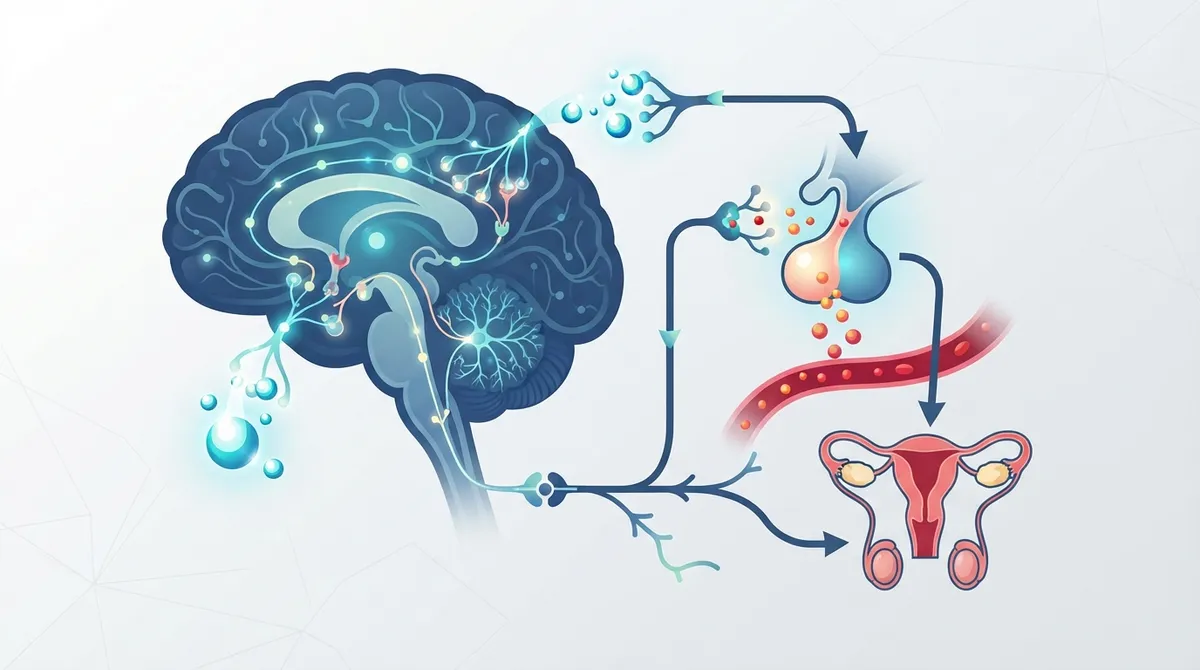
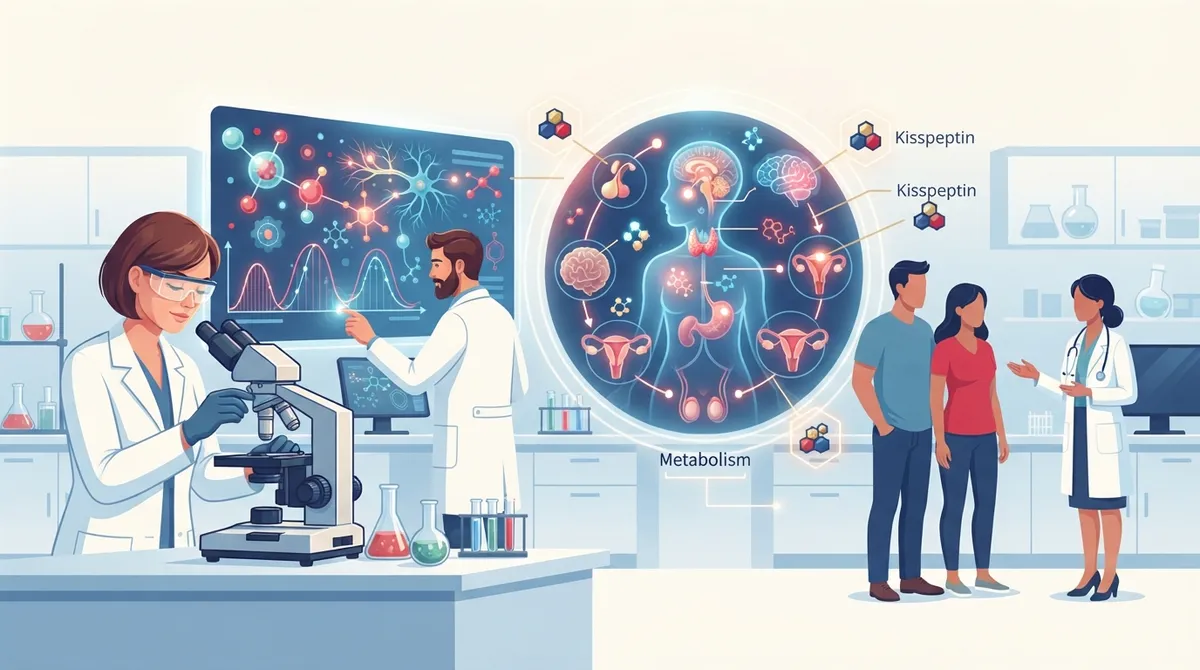
Kisspeptin is a natural substance made by your body. It works in the brain to control your reproductive hormones. Think of it as a messenger that tells your brain when to release the hormones that manage fertility and sex hormone levels.
Here is how the process works, step by step:
- Kisspeptin attaches to special receptors on brain cells called hypothalamic neurons.
- This connection triggers the release of gonadotropin-releasing hormone, known as GnRH.
- GnRH then signals your pituitary gland to release two more hormones: luteinizing hormone (LH) and follicle-stimulating hormone (FSH).
- LH and FSH travel through your blood to your ovaries or testes.
- These organs then produce testosterone, estrogen, and other reproductive hormones.
This chain reaction is why researchers are so interested in kisspeptin. It sits at the very top of the reproductive hormone system. In theory, that makes it a powerful tool. In practice, science is still catching up.
What Conditions Are Researchers Studying?
Kisspeptin injection treatment is not approved for general use. However, scientists are testing it for several specific situations:
- Triggering egg release during in vitro fertilization (IVF) cycles
- Functional hypothalamic amenorrhea, a condition where periods stop due to stress, low body weight, or over-exercise
- Hypogonadotropic hypogonadism, a condition where the brain does not send proper signals to the reproductive organs
- Certain forms of infertility linked to hormone signaling problems
These are narrow, specific uses studied under strict clinical trial conditions. Kisspeptin is not being tested as a general fertility booster or anti-aging shot.
What Does the Research Actually Show?
The first major human study on kisspeptin came out in 2005. Researchers gave healthy men a 90-minute infusion of a form called kisspeptin-54. The results showed that LH levels rose in a dose-related way. Testosterone and FSH also increased, but not as consistently.
Since then, more studies have looked at kisspeptin for IVF. One of the most promising uses is triggering the final step of egg maturation before egg retrieval. Traditionally, doctors use a hormone called hCG for this step. But hCG carries a risk of a serious complication called ovarian hyperstimulation syndrome, or OHSS.
A 2025 review found that kisspeptin-54 was linked to a 33.6-fold lower risk of severe OHSS compared to hCG in certain IVF patients. This is a meaningful finding, but it comes from select research groups. It should not be seen as proof that kisspeptin is safer for every patient in every setting.
Key Research Numbers to Know
|
Research Finding |
Detail |
|---|---|
|
First human study |
2005, dose-related LH increase in healthy men |
|
OHSS risk reduction |
33.6-fold lower in select IVF studies using kisspeptin-54 |
|
Safety data |
Over 150 participants studied, no serious adverse events reported in cited trials |
|
Vital signs |
No major changes in heart rate or blood pressure in short studies |
|
Standard protocol status |
Not yet part of standard IVF protocols as of 2025 |
These numbers sound encouraging. But they come from small, short studies. There is no large-scale evidence yet showing that kisspeptin injection treatment improves live birth rates or permanently restores fertility.
Is Kisspeptin FDA-Approved?
No. This is one of the most important facts to understand. As of 2026, no kisspeptin product has received approval from the FDA for any medical use. This includes:
- Infertility treatment
- Low testosterone therapy
- Menopause symptom relief
- Weight management
- Anti-aging purposes
Any clinic offering kisspeptin injections outside of a formal clinical trial is likely using an unapproved or compounded product. This raises real questions about quality control, dosing accuracy, and safety oversight.
How Does Kisspeptin Compare to Other Hormone Treatments?
Patients often ask how kisspeptin stacks up against treatments already used in clinics today. Here is a simple comparison:
|
Treatment |
FDA Status |
Common Use |
Evidence Level |
|---|---|---|---|
|
Kisspeptin |
Not approved |
Investigational fertility and hormone research |
Early-phase, small studies |
|
hCG (human chorionic gonadotropin) |
Approved |
IVF ovulation triggering |
Decades of established use |
|
Testosterone Replacement Therapy |
Approved |
Diagnosed low testosterone |
Well-established, long-term data |
|
Gonadotropins |
Approved |
Fertility stimulation |
Well-established, long-term data |
This table shows why kisspeptin is not yet a replacement for proven therapies. If you are dealing with low testosterone or fertility struggles, InCare offers medically supervised options like testosterone replacement therapy that already have strong safety records.
What Are the Risks and Unknowns?
Short-term studies suggest kisspeptin is generally well tolerated. Reported reactions have been mild in most cases. However, there are still many unanswered questions:
- What is the best dose and delivery method for long-term use?
- Does the body build a tolerance to repeated injections, reducing effectiveness over time?
- What happens with injection site reactions over months or years?
- How does kisspeptin affect existing ovarian or testicular conditions?
- Are there hidden cardiovascular or metabolic effects with prolonged use?
- Does kisspeptin have any long-term impact on reproductive health or future fertility?
Until more research answers these questions, doctors cannot promise that kisspeptin injection treatment is safe for routine or long-term use.
Why Diagnosis Matters More Than a Trendy Injection
It can be tempting to chase the newest peptide trend. But real health improvement starts with knowing what is actually wrong. A proper health risk assessment and lab work can reveal the true cause of low energy, low libido, or fertility struggles.
At InCare, our approach always starts with facts, not fads. Our providers, including Dr. Pramjeet Ahluwalia and Dr. Naveen Paddu, focus on evidence-based care. This means checking your hormone levels, reviewing your health history, and building a plan around your actual needs.
Common Reasons for Hormone Imbalance
Many patients assume their symptoms mean they need an experimental peptide. In reality, several common and treatable conditions can cause similar symptoms:
- Thyroid dysfunction
- Chronic stress and poor sleep
- Nutrient deficiencies
- Undiagnosed diabetes or prediabetes
- Age-related hormone decline
- Underlying reproductive conditions like PCOS
A thorough evaluation at a trusted InCare location in Tampa or Riverview can identify the real issue before jumping to unproven treatments.
What Should You Ask Before Considering Kisspeptin?
If you are still curious about kisspeptin injection treatment, bring these questions to your doctor:
- Is this treatment part of an approved clinical trial?
- What quality controls exist for the product being used?
- What are the known short-term and long-term risks?
- Are there proven alternatives that treat my specific condition?
- Will my insurance cover this, or is it an out-of-pocket experimental cost?
A responsible provider will welcome these questions. They should never pressure you into an unapproved treatment without a clear discussion of risks and alternatives.
Where Should You Go for Fertility or Hormone Concerns?
If kisspeptin injection treatment is not yet ready for routine care, what should you do instead? Start with a proper diagnostic workup. This may include blood tests, imaging, and a detailed health history review.
Depending on your results, your primary care provider may refer you to a reproductive endocrinologist or fertility specialist. These experts focus specifically on hormone and fertility disorders and can guide you toward treatments with stronger safety records.
InCare also offers a range of proven services that support hormone health and overall wellness, including DNA gene testing, body composition analysis, and IV hydration therapy. These services help build a complete picture of your health before considering any experimental treatment.
Why Choose InCare for Your Primary Care and Wellness Needs
Choosing a healthcare partner who values honesty over hype is essential when new treatments like kisspeptin make headlines. InCare's Tampa and Riverview clinics combine advanced technology with real medical expertise. Our providers take time to explain your options clearly, without exaggerating what science can currently prove.
Patients trust InCare for straightforward answers and personalized care plans. You can read what our patients say by visiting our page and checking our InCare location on Google for real reviews and ratings. You can also follow our latest health tips and clinic updates on Facebook, Instagram, and TikTok.
Final Thoughts on Kisspeptin Injection Treatment
Kisspeptin is one of the most interesting hormones in reproductive science today. It plays a real role in how your body controls fertility and sex hormone production. Early studies show promise, especially for IVF egg triggering and certain hormone disorders.
But promise is not the same as proof. Kisspeptin injection treatment remains unapproved, experimental, and limited to research settings. If you are struggling with fertility issues, low hormone levels, or unexplained symptoms, the safest path forward is a proper diagnosis from a trusted provider.
Our team at InCare is ready to help you find real answers backed by real science. Whether you need hormone testing, a wellness check, or a referral to a specialist, we are here to guide you. Reach out to our care team today or book your appointment now to start your journey toward clear, trustworthy healthcare.
FAQs
Q: What is kisspeptin injection treatment and how does it work?
A: Kisspeptin injection treatment involves giving a synthetic version of the natural hormone kisspeptin to stimulate the brain's GnRH pathway. This triggers the release of LH and FSH, which control reproductive hormone production. It remains investigational and is not an approved standard treatment.
Q: Is kisspeptin FDA-approved for fertility or low testosterone?
A: No, kisspeptin is not FDA-approved for any medical use as of 2026. It is currently studied only in research settings for specific conditions like IVF egg triggering and certain hormone disorders.
Q: Can kisspeptin injections increase testosterone in men?
A: Early studies show kisspeptin can raise LH and testosterone levels in healthy men during short-term testing. However, these increases were not always consistent, and there is no long-term data proving safe or sustained testosterone benefits.
Q: Is kisspeptin safer than hCG for triggering ovulation?
A: Some research suggests kisspeptin-54 may lower the risk of ovarian hyperstimulation syndrome compared to hCG in certain IVF patients. However, this evidence comes from limited studies and should not be generalized to all patients without medical guidance.
Q: Should patients use kisspeptin injections from a wellness or compounding clinic?
A: Patients should be cautious about kisspeptin offered outside formal clinical trials, since these products may be unapproved or compounded without strict quality controls. A primary care provider can help evaluate safer, proven alternatives based on your specific health needs.