
Key Takeaways
- Oral and topical glutathione are generally well-tolerated with mild side effects like nausea and bloating, but injectable and IV forms carry serious risks including allergic reactions, liver injury, and contamination-related illness with no standardized dosing guidelines.
- The 2019 FDA warning documented seven patients experiencing severe adverse reactions from compounded IV glutathione contaminated with excessive bacterial endotoxins, highlighting that dietary-grade powder is unsuitable for sterile injection without pharmaceutical-grade processing.
- IV glutathione lacks FDA approval for wellness, detoxification, or cosmetic skin lightening in the United States, and current evidence does not support its effectiveness for these heavily marketed claims despite higher injection-related risks.
- People with liver or kidney disease, asthma, severe allergy history, or those taking prescription medications should consult a doctor before using any glutathione form, as interactions and complications are more likely with existing conditions.
- Start with oral or topical glutathione rather than injections, verify product source and quality, avoid unregulated compounded IV products at spas or clinics, and work with a primary care provider who reviews your lab results and medical history.
- Common myths mislead consumers: natural doesn't automatically mean safe, more glutathione isn't proven better, all delivery forms behave differently in the body, and IV glutathione is not an approved FDA wellness treatment regardless of marketing claims.
Glutathione has become one of the most talked-about supplements in wellness circles. Ads promise brighter skin, more energy, and a stronger immune system. But before you try a pill, patch, or IV drip, you probably want a straight answer to one question: is glutathione safe?
The honest answer is that it depends. It depends on how you take it, how much you take, and your personal health history. Oral and topical glutathione products tend to be well tolerated by most healthy adults. Injectable and IV versions carry more risk and less proven benefit. This guide breaks down what current research and federal safety data actually say, so you can make an informed choice with your doctor rather than a salesperson.
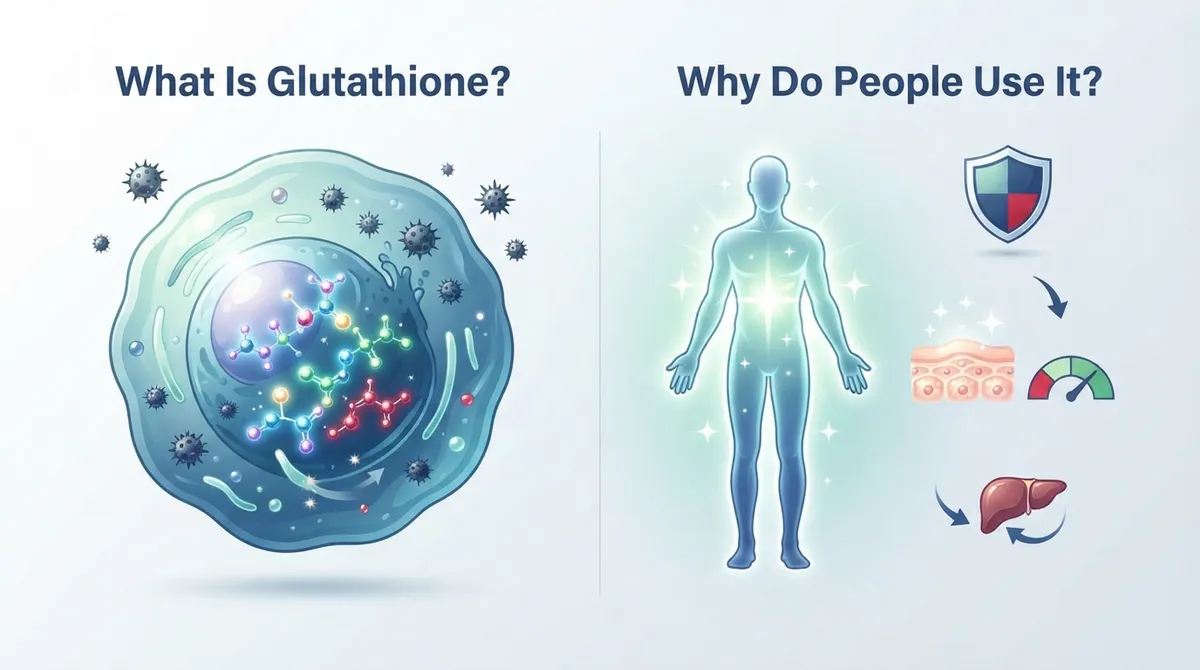
What Is Glutathione and Why Do People Use It?
Glutathione is an antioxidant your body makes naturally. It helps protect your cells from damage caused by toxins, stress, and normal aging. Every cell in your body relies on it to function properly.
As people age or deal with chronic illness, natural glutathione levels can drop. This has led to a wave of interest in supplementing it through various methods. You may have seen it marketed for:
- Brighter, more even-toned skin
- Anti-aging and cellular health support
- Boosting energy and reducing fatigue
- Supporting liver function and detox pathways
- Immune system support
- Cosmetic skin lightening
Not all of these claims are backed by strong evidence. The wellness clinic you choose should walk you through what's proven versus what's still speculative before recommending any treatment plan.

Is Glutathione Safe? It Depends on the Form
The safety of glutathione changes dramatically based on how it enters your body. This is the single most important fact to understand before starting any glutathione product.
Oral Glutathione Supplements
For most healthy adults, oral glutathione has a solid safety record in short-term studies. The most common side effects are mild and temporary. These include:
- Nausea
- Bloating
- Stomach discomfort
- Diarrhea
A 2025 evidence review found that oral glutathione is generally well tolerated, with digestive upset being the most frequently reported issue. Serious problems were rare in the studies reviewed. Still, most trials were small and short in duration, so long-term safety data remains limited.
Topical Glutathione Products
Creams, lotions, and serums containing glutathione are typically applied to the skin for brightening or anti-aging purposes. These products carry a lower risk profile than injections because they are not entering your bloodstream directly. Skin irritation is the main concern for some users.
Injectable and IV Glutathione
This is where the safety conversation gets more serious. Injectable and IV glutathione lack standardized dosing guidelines. There is no agreed-upon amount that is considered safe and effective for wellness purposes.
Reported risks with injectable glutathione include:
- Severe allergic reactions, including anaphylaxis
- Liver injury and abnormal liver function
- Kidney problems
- Dangerously low blood pressure
- Serious skin reactions
- Illness from product contamination
A small clinical report reviewed in 2025 followed 25 patients receiving high-dose IV glutathione. Nearly one-third developed abnormal liver-function test results, and one patient experienced anaphylaxis. This was a very small sample, so it shouldn't be treated as a nationwide risk estimate. But it does highlight why IV glutathione needs careful medical oversight.
The 2019 FDA Warning You Should Know About
In 2019, the FDA identified a serious safety issue tied to compounded IV glutathione. Seven patients experienced adverse reactions after receiving injections made from a dietary-grade glutathione powder containing excessive bacterial endotoxins.
Symptoms reported by these patients included:
- Nausea and vomiting
- Chills and body aches
- Lightheadedness
- Difficulty breathing
- Low blood pressure
One patient required hospitalization. Laboratory testing later found that some samples contained endotoxin levels up to five times higher than the safe limit for an IV dose. This incident illustrates a critical point: dietary-grade powder is not automatically suitable for sterile injection. Proper injectable products require pharmaceutical-grade ingredients, validated sterilization, and strict quality testing.
This is not an isolated concern either. As recently as August 2026, compounding safety alerts have continued to surface across the industry, including recalls tied to contaminated peptide injections. These ongoing issues reinforce why sourcing and preparation matter just as much as the ingredient itself.
Comparing Glutathione Delivery Methods
|
Delivery Method |
General Safety Profile |
Common Side Effects |
Serious Risk Level |
|---|---|---|---|
|
Oral supplements |
Generally well tolerated |
Nausea, bloating, diarrhea |
Low |
|
Topical creams/serums |
Well tolerated for most users |
Mild skin irritation |
Low |
|
Inhaled treatments |
Limited data available |
Respiratory irritation |
Moderate |
|
Injectable/IV |
Higher risk, unstandardized dosing |
Allergic reaction, liver strain |
High |
Who Should Talk to a Doctor Before Using Glutathione?
Certain groups face higher risks and should always consult a qualified clinician first. This step matters even for oral or topical products, but it becomes essential before considering any injectable option.
You should check with your provider if you are in any of these categories:
- Pregnant or breastfeeding
- Living with liver or kidney disease
- Diagnosed with asthma
- Prone to medication allergies
- Have a history of severe allergic reactions
- Currently taking prescription medications that could interact
- Difficulty breathing or shortness of breath
- Swelling of the face, lips, or throat
- A severe or spreading rash
- Fainting or feeling like you might pass out
- Chest tightness or pain
- Persistent vomiting
- Fever after treatment
- Schedule a conversation with a primary care provider about your health history and goals.
- Ask about your liver and kidney function, especially if you have any existing conditions.
- Start with oral or topical forms rather than jumping straight to injections.
- Verify the source and quality of any product before using it.
- Avoid compounded IV products unless prescribed and prepared under strict medical supervision.
- Watch for side effects and report them to your provider right away.
- Reassess your plan periodically rather than assuming it's safe indefinitely.
- Myth: Natural means automatically safe. Glutathione is naturally produced by your body, but that doesn't mean high-dose supplementation carries zero risk.
- Myth: More is always better. There's no proven benefit to megadosing glutathione, and higher doses may increase side effect risk.
- Myth: All glutathione products are the same. Oral, topical, and IV forms behave very differently in the body and carry different risk levels.
- Myth: IV glutathione is FDA-approved for wellness. It is not approved for general wellness, detox, or cosmetic use in the United States.
Understanding these distinctions helps you separate marketing hype from medical reality. For additional research-backed information on health topics like this, resources from the National Center for Biotechnology Information can offer peer-reviewed studies worth reviewing with your doctor.
Bringing It All Together
So, is glutathione safe? For most healthy adults using oral or topical forms, the answer leans toward yes, with mild and temporary side effects being the most likely outcome. Injectable and IV glutathione is a different story, carrying documented risks including allergic reactions, liver strain, and contamination-related illness.
The safest path forward is a conversation with a qualified provider who knows your medical history. Whether you're curious about glutathione for skin health, energy, or general wellness, getting personalized guidance protects you from unnecessary risk and wasted money.
If you're ready to discuss whether glutathione or another wellness treatment fits your health goals, our team at InCare is here to help. Book your appointment today and get answers tailored to your body, not a generic sales pitch. You can also reach out to our team with any questions about our services in Tampa and Riverview, Florida.
FAQs
Q: Is oral glutathione safe to take every day?
A: For most healthy adults, short-term studies suggest oral glutathione is well tolerated on a daily basis. The most common issues are mild digestive symptoms like nausea or bloating. Long-term daily use hasn't been studied extensively, so checking in with your doctor periodically is a smart practice.
Q: What are the side effects of glutathione supplements?
A: Oral and topical glutathione typically cause mild, temporary side effects such as nausea, bloating, or stomach discomfort. Injectable and IV forms carry more serious risks, including allergic reactions, liver problems, and low blood pressure. The severity of side effects largely depends on how the product is administered.
Q: Are glutathione injections or IV infusions safe?
A: IV and injectable glutathione carry more risk than oral or topical versions due to unstandardized dosing and limited long-term safety data. The FDA has documented serious adverse events tied to contaminated compounded IV glutathione. Anyone considering this option should discuss it thoroughly with a qualified physician first.
Q: Does glutathione interact with prescription medications?
A: Potential interactions can occur, especially for patients with liver or kidney conditions or those on multiple medications. This is why reviewing your full medication list with a primary care provider is important before starting glutathione in any form. Self-prescribing without medical guidance increases the risk of unexpected complications.
Q: Is glutathione effective and safe for skin whitening or detoxification?
A: Current evidence does not strongly support IV glutathione for cosmetic skin lightening or detoxification. Glutathione is not FDA-approved for these specific uses in the United States. The limited proof of benefit combined with higher injection-related risks makes this a use worth discussing carefully with your doctor before pursuing.