Key Takeaways
- Topical GHK-Cu causes skin irritation in 5-10% of users with reactions typically resolving within 24-48 hours, while injectable forms show higher reaction rates (16%) including injection-site pain, swelling, and bruising.
- People with Wilson's disease, copper sensitivity, liver/kidney disease, or who are pregnant/breastfeeding should avoid GHK-Cu unless cleared by a physician due to impaired copper metabolism and limited safety data.
- GHK-Cu is not FDA-approved as a drug and topical products are sold as unregulated cosmetics, while injectable versions from compounding pharmacies vary significantly in purity and dosing—requiring verification from licensed clinics.
- Copper toxicity from excessive GHK-Cu exposure can cause abdominal pain, vomiting, weakness, anemia, and tremors, so users of high-dose or frequent injectable protocols should monitor symptoms and discuss with healthcare providers.
- Start with a patch test, choose third-party tested products from reputable sources, avoid combining with other new products simultaneously, and schedule regular checkups if using GHK-Cu long-term to minimize adverse effects.
- Allergic contact dermatitis—distinguished from simple skin irritation—can cause intense redness, swelling, and spreading rashes, particularly in individuals with sensitive skin or known copper sensitivities requiring immediate discontinuation.
Copper peptide products have taken over skincare shelves and wellness clinics across Tampa and Riverview. GHK-Cu, short for glycyl-histidyl-lysine copper, shows up in serums, injections, and anti-aging treatments. But before you add it to your routine, you need to understand the real ghk cu risks involved. Many people assume that because a product is marketed as "natural" or "cosmetic," it carries no downside. That assumption can lead to unwanted side effects, wasted money, or worse, a health complication you did not see coming.
This guide breaks down what GHK-Cu actually does, where the risks come from, and who should think twice before trying it. Whether you're a busy parent looking into wellness trends, a young professional exploring peptide therapy, or someone managing a chronic condition, this article gives you the facts you need. At InCare, our providers believe informed patients make safer choices, and that starts with understanding both the benefits and the ghk cu risks before committing to any wellness protocol.
What Is GHK-Cu and Why Is It Popular?
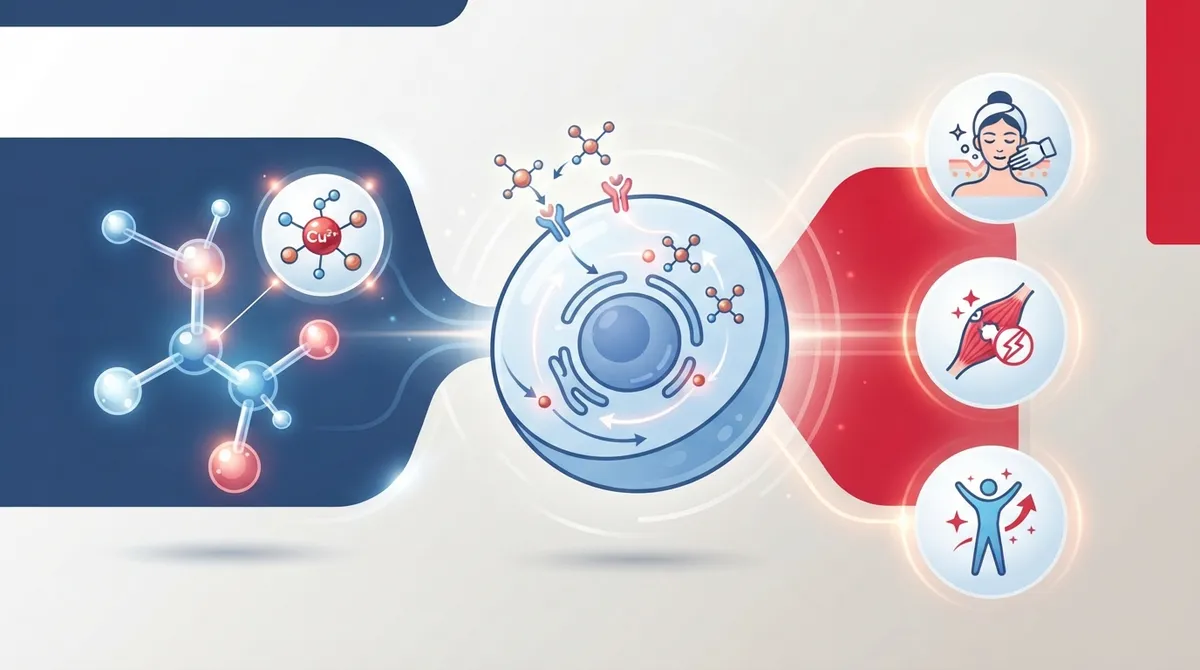
GHK-Cu is a small peptide that naturally occurs in the human body. Levels tend to decline as people age, which is part of why researchers began studying it for skin repair and tissue healing. In wellness and skincare products, it is used to support collagen production, reduce fine lines, and promote wound healing.
Because of this, it has become a common ingredient in topical serums and, in some clinical settings, injectable formulations. Interest in copper peptides has grown alongside broader trends in peptide-based wellness treatments aimed at supporting healthy aging and cellular repair.
How GHK-Cu Is Typically Used
- Topical serums and creams applied directly to skin
- Injectable formulations administered in a clinical setting
- Compounded products from specialty pharmacies
- Combination treatments paired with other peptides or vitamins

Understanding the Main GHK-Cu Risks
Most people tolerate topical GHK-Cu well, but that does not mean it is risk-free. The safety profile changes significantly depending on how the product is used, the dose, and the individual's health history. Below are the primary concerns you should know about.
1. Skin Irritation and Redness
Topical GHK-Cu is the most common way people use this peptide, and it is also where most side effects show up. Secondary safety summaries from 2025 and 2026 report that roughly 5 to 10 percent of users experience mild skin reactions. These usually include redness, itching, or a tingling sensation at the application site.
The good news is that most of these reactions are temporary. A 2026 review summary found that most topical skin reactions resolve within 24 to 48 hours after stopping use. Still, if irritation persists or worsens, it is worth checking in with a provider rather than pushing through it.
2. Allergic Contact Dermatitis
Some individuals develop a true allergic reaction to copper peptides. This is different from simple irritation. Allergic contact dermatitis can cause more intense redness, swelling, or a rash that spreads beyond the application area. People with sensitive skin or a known copper sensitivity are at higher risk.
3. Injection-Site Reactions
Injectable GHK-Cu carries a different risk profile than topical use. A 2026 safety summary based on self-tracked user reports found injection-site stinging in about 16 percent of users, compared to 12 percent reporting topical redness or irritation. Because this data comes from community reports rather than controlled clinical trials, it should be viewed as a general signal rather than a precise statistic. Still, it highlights that injections tend to carry more noticeable side effects than creams or serums.
Other injection-related risks include:
- Pain or tenderness at the injection site
- Swelling or bruising
- Possible systemic symptoms in rare cases
- Higher risk of infection if not administered properly
4. Copper Accumulation Concerns
This is the theoretical risk that gets the most attention, and for good reason. GHK-Cu contains bound copper, and while typical cosmetic use involves very small amounts, prolonged high exposure or excessive dosing raises concerns about copper buildup in the body.
Copper toxicity symptoms cited in 2025 and 2026 safety summaries include:
- Abdominal pain
- Vomiting
- Weakness or fatigue
- Anemia
- Tremors
- A metallic taste in the mouth
It is important to understand these symptoms are linked to excessive copper exposure, not typical cosmetic-level use. However, anyone using high doses, frequent injections, or long-term regimens should be aware of this risk and discuss it with a healthcare provider.
Who Should Avoid GHK-Cu?
Certain individuals face higher risks and should approach GHK-Cu with extra caution, or avoid it altogether unless cleared by a physician.
|
Group |
Reason for Caution |
|---|---|
|
People with Wilson's disease |
Impaired copper metabolism increases toxicity risk |
|
Those with copper sensitivity |
Higher chance of allergic contact dermatitis |
|
Pregnant or breastfeeding women |
Limited safety data for these populations |
|
People with liver or kidney disease |
Reduced ability to process excess copper |
|
Those using unverified compounded products |
Purity and dosing may vary widely |
People managing chronic conditions such as liver disease should always discuss new supplements or peptide therapies with their primary care provider first. This is one reason working closely with a primary care doctor matters when exploring newer wellness treatments.
Topical vs. Injectable GHK-Cu: Comparing the Risks
Not all GHK-Cu products carry the same level of risk. Understanding the difference between application methods helps you make a more informed decision.
|
Factor |
Topical Use |
Injectable Use |
|---|---|---|
|
Common side effects |
Redness, itching, mild irritation |
Injection-site pain, swelling, bruising |
|
Reported reaction rate |
Approximately 12 percent |
Approximately 16 percent |
|
Systemic absorption |
Minimal |
Higher, more direct |
|
Copper accumulation risk |
Very low with typical use |
Higher with frequent or high-dose use |
|
Regulatory oversight |
Sold as cosmetic product |
Often compounded, variable oversight |
Is GHK-Cu Regulated by the FDA?
This is one of the most common questions patients ask. GHK-Cu is not FDA-approved as a drug for anti-aging or wound healing purposes. Topical products are often sold as cosmetics, which means they face less rigorous testing than pharmaceutical products. Injectable versions are sometimes obtained through compounding pharmacies, and quality can vary significantly between sources.
This lack of standardized oversight is part of why purity and dosing concerns matter so much. Without consistent regulation, you cannot always be sure what you are actually receiving. This is exactly why working with a licensed clinic rather than an unverified online seller matters for your safety.
Steps to Reduce Your Risk
If you are considering GHK-Cu as part of your wellness routine, a few simple steps can help you minimize potential problems.
- Start with a patch test before applying any topical product to your full face or body
- Choose products from reputable, transparent sources with third-party testing
- Avoid combining GHK-Cu with other new products at the same time, so you can identify what causes any reaction
- Discuss your full medical history with a provider before starting injectable formulations
- Monitor for symptoms like persistent redness, swelling, or unusual fatigue
- Stop use immediately if you notice signs of an allergic reaction
- Schedule regular checkups if you use GHK-Cu long-term, especially injectable forms
Why Professional Guidance Matters
Wellness trends move fast, and copper peptides are no exception. But speed should never replace safety. A qualified provider can review your health history, check for underlying conditions like liver issues or copper sensitivity, and help you decide whether GHK-Cu fits your goals.
At InCare, our team takes a whole-body approach to wellness. Rather than treating peptide therapy as a one-size-fits-all solution, our experienced providers evaluate your individual needs first. This is especially important if you are also managing weight loss goals, hormone therapy, or other treatments that could interact with new peptide products.
If you live in the Tampa or Riverview area and want a professional opinion before trying GHK-Cu or any peptide therapy, our clinic locations offer consultations designed around your specific health picture. You can also explore how DNA gene testing may reveal insights into how your body processes certain compounds, which can be a helpful piece of the puzzle for anyone considering advanced wellness treatments.
Comparing GHK-Cu to Other Wellness Options
If safety concerns give you pause, know that GHK-Cu is not the only path toward healthier skin and better recovery. Depending on your goals, other options might be a better fit.
- IV hydration and vitamin drips for overall wellness support
- Hair restoration treatments for those focused on hair health specifically
- Body composition analysis to track progress with measurable data
- Standard skincare routines with proven ingredients like retinoids, discussed with a dermatologist
Each of these paths comes with its own risk and benefit profile, so the right choice depends on your personal health goals and history.
What Patients Are Saying
Trust matters when it comes to trying new wellness treatments. InCare holds a 4.8 out of 5 rating on Google, based on hundreds of patient reviews describing attentive, personalized care. You can read more patient experiences and visit us on Google — InCare to see what our Tampa and Riverview patients have shared about their care journeys. You can also follow along with wellness tips and clinic updates on our Facebook page, Instagram, and Tik Tok for more educational content on peptides and preventive wellness.
Making an Informed Decision
GHK-Cu is not inherently dangerous when used correctly, but it is not risk-free either. Understanding the difference between mild, temporary side effects and rare but serious concerns like copper accumulation puts you in a much better position to make smart choices for your body.
The evidence base for long-term human use remains limited, which means caution is your best friend here. Anyone considering this peptide, whether topical or injectable, should approach it the same way they would any new medical treatment: with research, professional input, and careful monitoring.
Ready to talk through your wellness goals with a provider who puts your safety first? Reach out to our team today or schedule your appointment now to get personalized guidance on peptide therapy, skin health, and whole-body wellness at InCare's Tampa or Riverview locations.
FAQs
Q: What are the side effects of GHK-Cu?
A: The most common side effects are mild skin reactions like redness, itching, or tingling, typically affecting 5 to 10 percent of topical users. Injectable formulations carry additional risks such as injection-site pain, swelling, and bruising, with reported reaction rates slightly higher than topical use.
Q: Is GHK-Cu safe for daily use?
A: Many people use low-dose topical GHK-Cu daily without issues, though individual tolerance varies. Anyone using injectable formulations or higher doses should consult a healthcare provider to monitor for cumulative effects and copper exposure over time.
Q: Can GHK-Cu cause copper toxicity?
A: Copper toxicity is a theoretical risk primarily associated with excessive or prolonged high-dose exposure, not typical cosmetic use. Symptoms like abdominal pain, weakness, and tremors are linked to significant copper overload rather than standard skincare or wellness applications.
Q: Who should avoid using GHK-Cu?
A: People with Wilson's disease, known copper sensitivities, or impaired liver and kidney function should avoid GHK-Cu unless specifically cleared by a physician. Pregnant or breastfeeding women should also exercise caution due to limited safety data.
Q: Is topical GHK-Cu safer than injections?
A: Yes, topical GHK-Cu generally carries a milder risk profile, with reactions largely limited to localized skin irritation. Injectable GHK-Cu introduces the peptide more directly into the body, increasing the potential for systemic side effects and higher reported injection-site reactions.