Key Takeaways
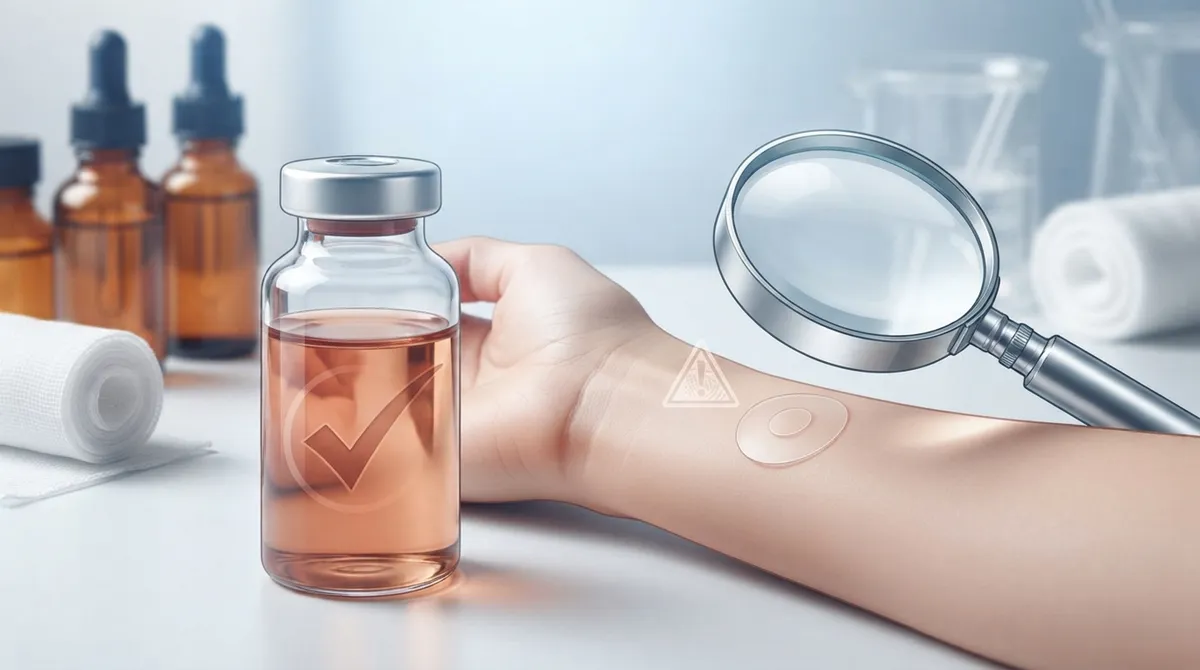
- Topical GHK-Cu is well-studied and generally safe with only mild local reactions reported, but injectable and systemic forms lack sufficient human safety data and carry higher contamination risks from unregulated sources.
- Always patch test GHK-Cu products for 24-48 hours, start with lower concentrations, avoid combining with retinoids or strong exfoliants, and stop use if irritation persists beyond mild adjustment symptoms.
- Avoid purchasing injectable peptides from unverified online sellers; work with a licensed medical provider who can verify product sourcing, ensure proper dosing, and monitor your response for safety.
- Pregnant or breastfeeding individuals, those with copper sensitivities, and people taking medications affecting copper metabolism should consult a provider before using GHK-Cu products.
Copper peptides are everywhere in wellness circles right now, and GHK-Cu is one of the most talked-about. Patients ask about it during skin consultations, anti-aging visits, and even general wellness checkups. But before you add anything new to your routine, you need real answers about ghk cu safety, not just marketing claims from a serum bottle.
This article breaks down what current research says about GHK-Cu, how it is typically used, and what risks may come with different delivery methods. We will also cover how a qualified provider can help you decide if this peptide fits your health goals. If you live in the Tampa or Riverview area, InCare offers guidance rooted in medical expertise, not internet trends.
What Is GHK-Cu and Why Is It Popular
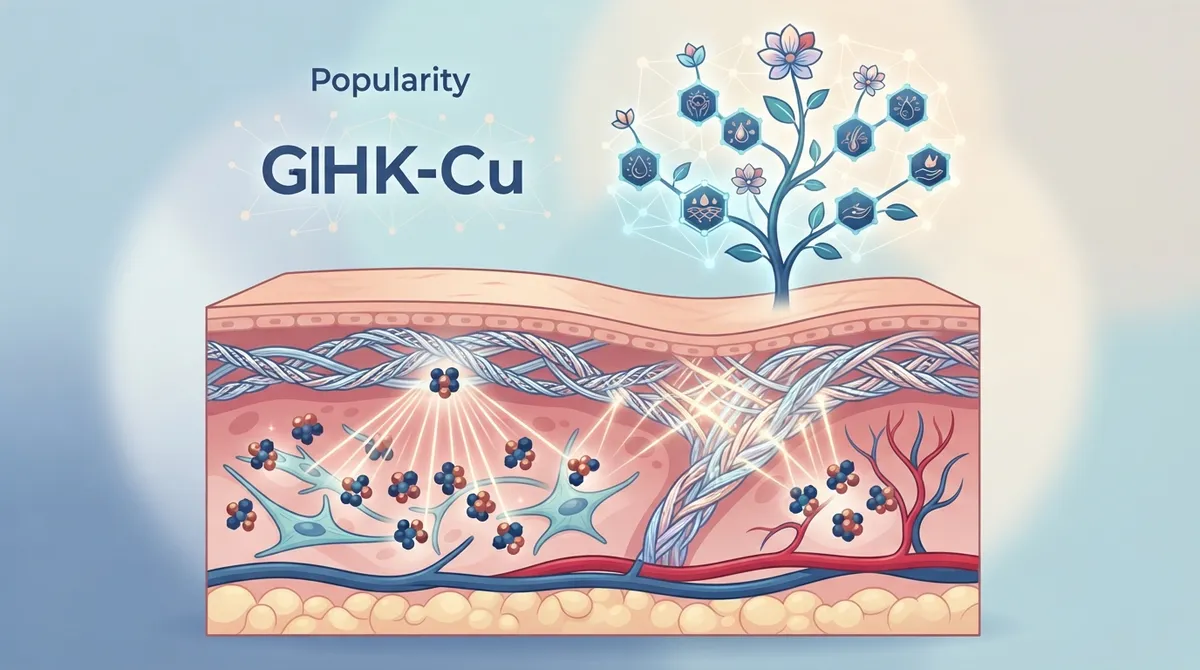
GHK-Cu stands for glycyl-L-histidyl-L-lysine copper. It is a naturally occurring peptide found in human plasma, saliva, and urine. Levels of this peptide are highest in young, healthy adults and decline as we age.
Because of this natural decline, researchers began studying whether adding GHK-Cu back into the body, or applying it topically, could support skin health and tissue repair. Today, it shows up in serums, creams, and sometimes injectable formulas offered at wellness clinics.
- Supports natural collagen and elastin production in skin tissue
- Has antioxidant properties that may reduce oxidative stress
- Studied for wound healing and tissue repair support
- Used in topical anti-aging products marketed for fine lines and skin texture
- Available in oral, topical, and injectable forms, though not all forms have equal safety data
Is GHK-Cu Safe for Topical Use
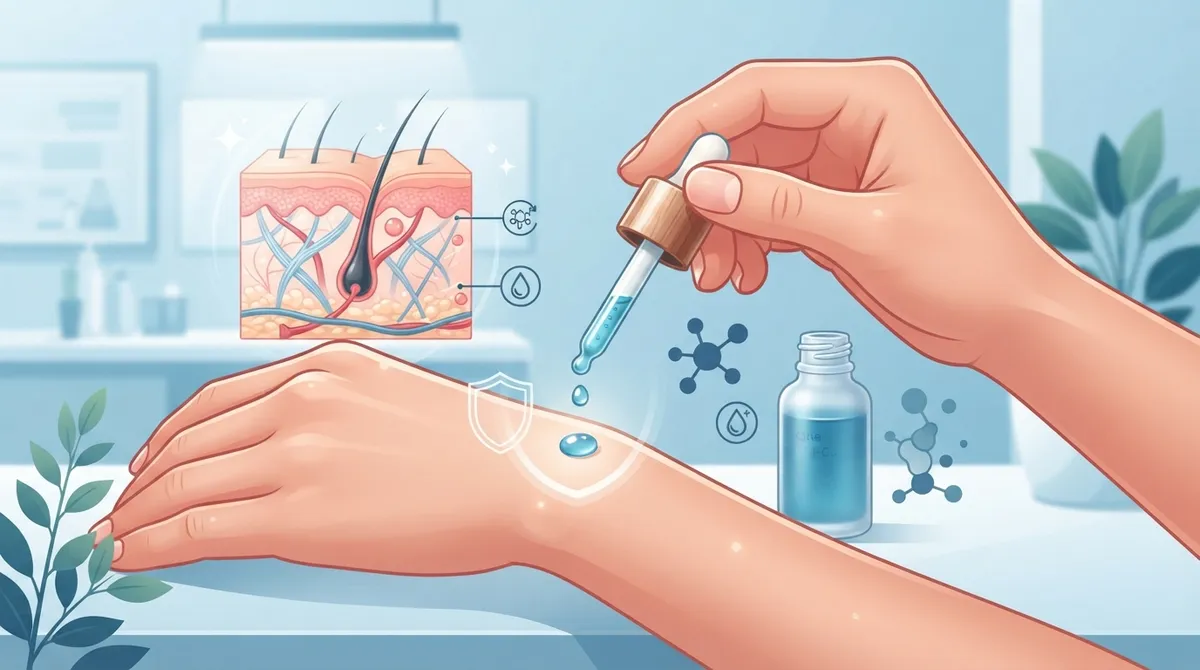
Topical GHK-Cu is by far the most studied form of this peptide. Most research and clinical experience point to a good safety profile when it is applied to intact, healthy skin. This is why you see it in so many over-the-counter serums and creams.
Mild, local reactions are the most commonly reported issue. These are usually minor and temporary rather than serious medical concerns.
- Redness or slight irritation at the application site
- Temporary itching, especially with first use
- Dryness or mild peeling as skin adjusts
- Rare allergic reactions in people sensitive to copper compounds
- Interaction with other active ingredients like retinol or strong acids
If you experience anything beyond mild irritation, stop use and speak with a provider. A quick visit to a primary care team can help rule out an allergic reaction versus a normal adjustment period.
What About Injectable or Systemic GHK-Cu
Safety data becomes less clear once you move away from topical use. Injectable and systemic GHK-Cu have far less human research behind them compared to skin-applied products. This is an important distinction for anyone considering this route.
Concerns with injectable use include product quality, contamination risk, and dosing accuracy. Peptides sold outside of regulated medical settings may not be tested for purity or sterility, which raises the risk of harmful side effects.
- Limited long-term human safety studies for injectable use
- Higher risk of contamination from unregulated or unverified sources
- Dosing inconsistencies that can affect results and safety
- Potential for injection site reactions or infection if not properly administered
- Legal and regulatory status that varies and continues to evolve
This is exactly why working with a licensed clinic matters. At InCare, our providers can walk you through what is currently known, what remains uncertain, and whether a peptide-based approach makes sense for your specific health picture.
Comparing GHK-Cu Delivery Methods
|
Delivery Method |
Safety Evidence Level |
Common Use Case |
Key Consideration |
|---|---|---|---|
|
Topical (serums, creams) |
Well studied, generally well tolerated |
Skin texture, fine lines, wound support |
Mild irritation possible; patch test recommended |
|
Oral supplements |
Limited human data |
General wellness claims |
Absorption and effectiveness not well confirmed |
|
Injectable/systemic |
Sparse human safety data |
Anti-aging, tissue repair protocols |
Requires medical supervision and verified product sourcing |
Who Should Be Cautious With GHK-Cu
Not everyone is a good candidate for copper peptide products, even in topical form. Certain health conditions and situations call for extra caution or a conversation with your provider first.
- People with known copper sensitivities or metal allergies
- Pregnant or breastfeeding individuals, due to limited safety data
- Patients with active skin infections or open wounds without medical guidance
- Anyone taking medications that affect copper metabolism
- Individuals considering injectable forms without a licensed provider involved
A thorough annual wellness visit is a good opportunity to bring up any new supplement or peptide you are considering. Your provider can check for interactions with existing conditions or medications.
How to Use GHK-Cu Products More Safely
If you decide topical GHK-Cu is right for you, a few simple steps can lower your risk of irritation and help you get better results.
- Patch test any new product on a small area of skin for 24 to 48 hours
- Start with lower concentrations before moving to stronger formulas
- Avoid combining with strong exfoliants or retinoids at the same time
- Buy from reputable brands that share third-party testing results
- Stop use and consult a provider if irritation does not improve
For anyone interested in more advanced options, our peptide therapy program in Tampa offers medically supervised protocols rather than guesswork from unverified online sellers.
Why Medical Guidance Matters for Peptide Safety
Peptide products are widely available online, but availability does not equal safety. Many products lack third-party testing, and dosing information can be inconsistent or outright wrong. This is a real concern for patients trying to self-manage wellness routines without professional input.
A licensed clinic can verify product sourcing, monitor your response over time, and adjust your plan based on your actual health data. This is especially important if you are also managing other conditions or taking prescription medications.
InCare combines DNA gene testing, body composition analysis, and personalized wellness planning to help you make informed decisions about products like GHK-Cu. Our approach relies on data and medical expertise, not trends alone.
What Current Research Says About GHK-Cu
Available studies generally describe topical GHK-Cu as well tolerated, with reactions limited to mild, local skin responses in most cases. Systemic or injectable use is a different story, since human safety data is still limited in this area.
Researchers continue to study copper peptides for wound healing, anti-inflammatory effects, and skin regeneration. However, gaps remain around long-term use, optimal dosing, and interaction with other treatments. This means patients should treat marketing claims with a healthy dose of skepticism until more robust clinical trials are published.
Health organizations like the National Institutes of Health continue to fund peptide research, and staying informed through credible sources matters more than following social media trends. You can also follow updates and patient education content from InCare on Instagram and Facebook for accessible wellness information.
Common Mistakes Patients Make With Copper Peptides
Even well-intentioned patients can run into trouble by skipping a few key safety steps. Avoiding these common mistakes can help you get better outcomes with fewer side effects.
- Buying unverified injectable peptides from online sellers
- Skipping a patch test before full facial application
- Mixing too many active ingredients at once
- Ignoring persistent irritation instead of seeking medical advice
- Assuming oral supplements work the same way as topical formulas
These mistakes are easy to avoid with the right guidance. A conversation with your provider before starting any peptide product is one of the simplest ways to protect your health.
How InCare Supports Safe Wellness Decisions
InCare is built around whole-body optimization, not one-size-fits-all wellness trends. Our team in Tampa and Riverview blends advanced diagnostics with hands-on medical expertise to help patients make safer, smarter choices.
Whether you are curious about peptide therapy, want a full cancer screening, or need guidance on a new supplement, our providers are ready to help. Patients consistently rate their experience highly, and you can visit us on Google — InCare to read real patient reviews from our Tampa and Riverview locations.
You can also see patient updates and wellness tips on our Tik Tok channel, where we share practical, science-based content rather than hype.
Take the Next Step Toward Safer Wellness Choices
GHK-Cu shows real promise, especially in topical form, but safety depends heavily on how it is used and who is guiding your decisions. Skipping medical oversight, especially with injectable products, adds unnecessary risk to something that should support your health, not threaten it.
If you are considering GHK-Cu or any other peptide-based wellness treatment, talk to a provider who can review your health history and goals first. Ready to get personalized guidance? Book your appointment with InCare today and take a safer, more informed approach to your wellness journey.
FAQs
Q: Is GHK-Cu safe to use on the skin daily?
A: Topical GHK-Cu is generally considered safe for regular use on intact, healthy skin, with most reactions limited to mild irritation. Starting slowly and monitoring your skin's response is the best way to confirm it works well for you.
Q: Are injectable GHK-Cu products riskier than topical formulas?
A: Yes, injectable and systemic GHK-Cu carry more uncertainty because human safety data is limited compared to topical use. Product quality, sterility, and dosing accuracy become much more important with injectable forms, which is why medical supervision matters.
Q: Can GHK-Cu cause an allergic reaction?
A: Allergic reactions to GHK-Cu are uncommon but possible, especially in people sensitive to copper compounds. Signs include persistent redness, swelling, or itching that does not improve, and these symptoms should prompt a conversation with a provider.
Q: Should I talk to a doctor before trying GHK-Cu products?
A: Speaking with a provider is a smart step, especially if you have existing skin conditions, take medications, or are considering injectable formulas. A quick discussion during a wellness visit can help you avoid interactions and unnecessary risks.
Q: Where can I get medically supervised peptide guidance in Tampa or Riverview?
A: InCare offers peptide therapy consultations backed by medical expertise at both Tampa and Riverview locations. Our providers can help you understand current research and decide if GHK-Cu fits safely into your wellness plan.