Key Takeaways
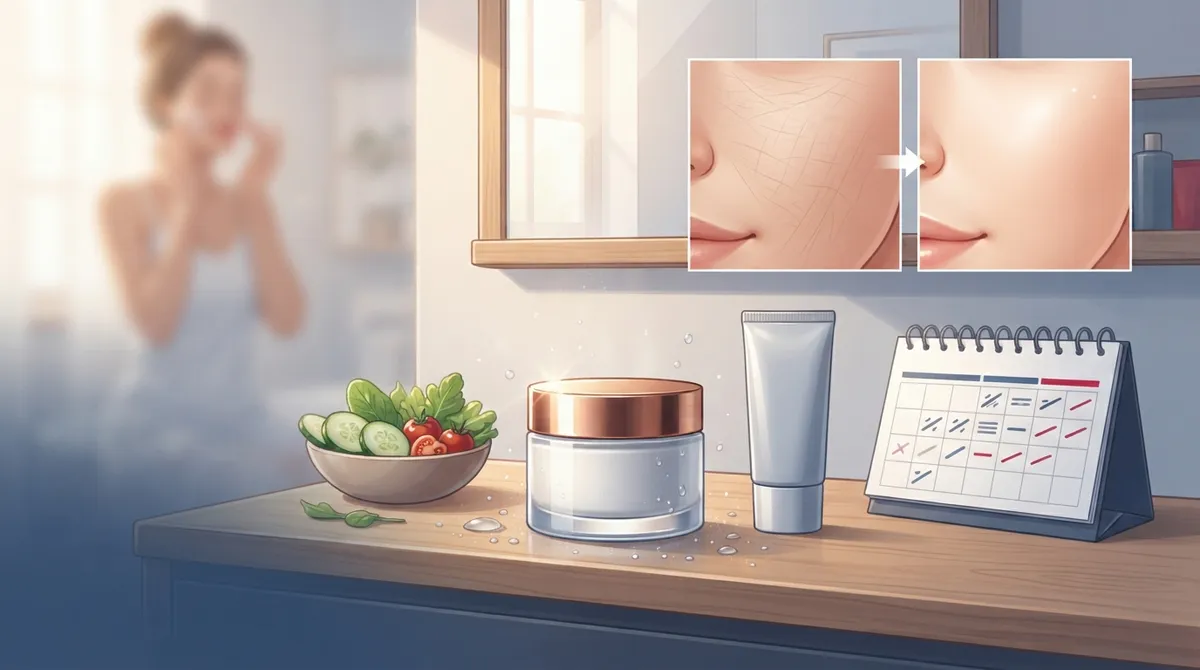
- GHK-Cu cream shows measurable improvements in skin firmness and fine lines in research, but results typically require 8-12 weeks of consistent daily use to become visible, so patience is essential before evaluating effectiveness.
- GHK-Cu has a favorable safety profile with mild side effects occurring in less than 5% of users, but people with copper sensitivities, active skin infections, or those pregnant/breastfeeding should consult a healthcare provider before use.
- GHK-Cu cream works best as a complementary ingredient combined with other wellness strategies like proper hydration, nutrition, and sunscreen rather than as a standalone solution for skin rejuvenation.
- Most published research on GHK-Cu involves small sample sizes (under 200 participants total), so results can vary between individuals and large-scale clinical trials are still needed to confirm benefits.
Copper peptide creams have moved from niche skincare labs into mainstream wellness routines. If you have searched for ways to support firmer, healthier-looking skin, you have likely come across GHK-Cu cream. This ingredient sits at the intersection of skincare science and whole-body wellness, which makes it a natural topic for anyone building a smart, informed self-care routine. Whether you are a busy parent squeezing in five minutes for skincare or a wellness-focused professional tracking every input into your body, understanding what this peptide actually does matters.
At InCare, our approach to primary care and wellness always starts with evidence. That means looking closely at what the research says about popular products like GHK-Cu cream, rather than relying on marketing claims alone. This article breaks down what the science actually supports, how the cream is typically used, and what questions you should ask before adding it to your routine.
What Is GHK-Cu Cream?
GHK-Cu stands for glycyl-L-histidyl-L-lysine, a small peptide bound to copper. It is naturally found in the human body, though levels decline with age. In skincare, manufacturers combine this peptide with copper to create serums and creams marketed for skin firmness and rejuvenation.
This ingredient is not a new discovery. It has been studied and used in cosmetic formulations for decades. According to a peer-reviewed 2018 review, GHK-Cu has been used in anti-aging products in humans for years without significant adverse effects reported.
How GHK-Cu Cream Is Typically Marketed
Most products containing this peptide are sold as cosmetic serums or moisturizers. Common marketing claims include:
- Improved skin firmness and elasticity
- Reduction in the appearance of fine lines
- Support for smoother skin texture
- General skin rejuvenation and anti-aging benefits
- Potential support for skin recovery after minor irritation
It is important to understand that these are cosmetic claims, not medical treatment claims. GHK-Cu is not currently FDA-approved as a drug for any medical condition. Topical products containing this peptide are generally regulated as cosmetics when marketed this way.

What Does the Research Actually Show?
The available evidence on GHK-Cu is encouraging but still limited in scale. A 2026 evidence summary found no large, independently funded human clinical trials with more than 100 participants. Most published studies have enrolled fewer than 200 total subjects across all research combined.
Despite the smaller sample sizes, some results are notable. A widely cited 12-week facial study reported measurable improvements in skin laxity, roughness, fine lines, and dermal collagen density among participants using topical GHK-Cu.
Study Duration and Outcomes
Most topical studies on this peptide follow a similar pattern. Researchers typically track outcomes over 8 to 12 weeks, which lines up with how long it usually takes for visible skin changes to appear.
- Baseline skin assessment is recorded before treatment begins.
- Participants apply the cream consistently, usually once or twice daily.
- Researchers measure changes in skin texture, firmness, and fine lines at set intervals.
- Side effects, if any, are documented throughout the study period.
- Final results are compared against baseline measurements at 8 to 12 weeks.
This pattern suggests that anyone trying GHK-Cu cream should expect to wait at least two to three months before evaluating results honestly.
Safety Profile and Side Effects
One reason GHK-Cu has remained popular in cosmetic formulations is its generally favorable safety record. Reported side effects from topical use tend to be mild.
- Temporary redness at the application site
- Mild itching in sensitive individuals
- Occasional irritation, especially with higher concentrations
- Rare allergic reactions in people sensitive to copper compounds
A 2026 review cited mild irritation in under 5% of participants in a topical study, which is a relatively low rate compared to many active skincare ingredients. Still, anyone with sensitive skin or existing skin conditions should proceed carefully.
Who Should Be Cautious
Certain groups may want extra guidance before starting a copper peptide product:
- People with known copper sensitivities or allergies
- Individuals with active skin infections or open wounds
- Pregnant or breastfeeding individuals without medical guidance
- Anyone using multiple active skincare ingredients at once
If you are unsure whether GHK-Cu cream fits safely into your routine, a conversation with a healthcare provider is a smart first step. This is exactly the kind of question our team addresses during annual wellness visits at InCare.
GHK-Cu Cream vs Other Common Skincare Ingredients
Many patients ask how copper peptides compare to more familiar options like retinol or vitamin C serums. Below is a simple comparison based on current research trends.
|
Ingredient |
Primary Use |
Typical Timeline for Results |
Common Side Effects |
|---|---|---|---|
|
GHK-Cu Cream |
Firmness, collagen support, texture |
8-12 weeks |
Mild redness, occasional irritation |
|
Retinol |
Cell turnover, fine lines |
4-12 weeks |
Dryness, peeling, sun sensitivity |
|
Vitamin C Serum |
Brightening, antioxidant support |
4-8 weeks |
Mild tingling, rare irritation |
|
Hyaluronic Acid |
Hydration, plumping |
Immediate to 2 weeks |
Rare, generally well tolerated |
Each ingredient serves a different purpose, and many wellness-focused skincare routines combine several of these at once. GHK-Cu is often positioned as a complementary ingredient rather than a stand-alone solution.
How to Use GHK-Cu Cream in a Daily Routine
If you decide to try a copper peptide cream, following a consistent routine matters more than the specific brand you choose.
- Cleanse your skin thoroughly before application.
- Apply the cream to dry skin, following the product's recommended amount.
- Allow the product to absorb fully before layering other treatments.
- Follow with a broad-spectrum sunscreen during daytime use.
- Track your skin's response weekly using photos or notes.
- Reassess results honestly after the 8 to 12 week mark.
Consistency tends to matter more than concentration. Products are typically formulated at low topical concentrations for cosmetic use, so patience is part of the process.
Choosing the Right Concentration
There is no single "best" concentration established by large-scale clinical consensus. Most cosmetic formulations use low percentages designed for daily tolerability rather than aggressive dosing. If a product causes persistent irritation, discontinuing use and reassessing with a provider is the safer path forward.
Where GHK-Cu Fits Into a Whole-Body Wellness Plan
Skin health does not exist in isolation. It reflects hydration, nutrition, hormone balance, and overall metabolic health. This is why many patients pursuing skincare improvements also explore broader wellness services.
At InCare's Tampa and Riverview locations, patients often pair topical skincare interests with services like IV hydration and vitamin drips to support hydration from the inside out. Others explore DNA gene testing to better understand their skin's genetic predispositions, or body composition analysis to track how overall health changes align with skin appearance over time.
- Hydration status directly affects skin elasticity and texture.
- Nutrient deficiencies can slow collagen production regardless of topical products used.
- Hormonal shifts often show up first as changes in skin quality.
- Sleep and stress levels influence how visibly skin ages over time.
A comprehensive wellness visit can help identify whether underlying factors are working against your skincare goals. Our providers, including those featured on our providers page, take this integrated approach seriously.
Common Mistakes to Avoid
Even a well-tolerated product like GHK-Cu cream can underperform if used incorrectly. Watch out for these common missteps:
- Expecting visible results within days rather than weeks
- Layering too many active ingredients at once, increasing irritation risk
- Skipping sunscreen, which can undermine collagen-related benefits
- Choosing unverified or poorly labeled products without clear concentration information
- Ignoring persistent irritation instead of adjusting the routine
Patience and consistency remain the two most important factors for anyone trying peptide-based skincare.
Why Professional Guidance Still Matters
Skincare trends move quickly, and not every claim online is backed by solid evidence. Because GHK-Cu cream is regulated as a cosmetic rather than a drug, quality and concentration can vary widely between brands. A quick conversation with a knowledgeable provider can help you separate genuine research from exaggerated marketing.
InCare's team, including physicians like those featured on our Naveen Paddu MD and Pramjeet Ahluwalia MD provider pages, regularly helps patients across Tampa and Riverview make sense of new wellness trends within the context of their overall health. If skin concerns are tied to a broader issue like hormone changes or chronic inflammation, a primary care visit in Riverview can help uncover the root cause rather than just treating the surface.
You can also follow along with wellness tips and patient education on our Facebook page, see real patient experiences on Instagram, or catch quick wellness explainers on TikTok. For a closer look at how our patients feel about their care, visit us on Google — InCare to read verified reviews from the Tampa and Riverview communities.
Building a Smarter Wellness Routine
GHK-Cu cream can be a reasonable addition to a skincare routine for people interested in supporting skin firmness and texture over time. The evidence, while still growing, is generally reassuring when it comes to safety. That said, results take time, and this ingredient works best as part of a broader wellness strategy rather than a stand-alone fix.
If you are curious about how your skin health connects to your overall wellness, our team can help you look at the bigger picture. From weight loss programs to cancer screenings, InCare offers a full range of services designed to support whole-body health, not just isolated symptoms.
Ready to talk through your skincare and wellness goals with a provider who listens? Book Now and schedule a visit at our Tampa or Riverview location today. You can also Contact our team with any questions about how GHK-Cu cream or other wellness services fit into your personalized care plan.
FAQs
Q: What is GHK-Cu cream used for?
A: GHK-Cu cream is primarily used in cosmetic skincare to support skin firmness, elasticity, and texture. It is often marketed for reducing the appearance of fine lines and supporting overall skin rejuvenation.
Q: Does GHK-Cu cream help wrinkles?
A: Some research, including a 12-week facial study, showed improvements in skin laxity, roughness, and fine lines with topical use. However, sample sizes remain small, so results can vary between individuals.
Q: Is GHK-Cu cream safe for daily use?
A: Topical GHK-Cu is generally well tolerated, with mild irritation reported in under 5% of participants in one 2026 review. Most people can use it daily, though those with sensitive skin should introduce it gradually.
Q: Is GHK-Cu cream FDA approved?
A: No, GHK-Cu is not FDA-approved as a drug for any medical indication. Topical products are typically regulated as cosmetics when marketed with cosmetic, rather than medical, claims.
Q: How do you use GHK-Cu cream in a skincare routine?
A: Apply the cream to clean, dry skin, allow it to absorb before layering other products, and follow with sunscreen during the day. Most studies evaluate results over 8 to 12 weeks, so consistent daily use is important.