
Key Takeaways
- Ipamorelin is not FDA-approved for any human use, and the 2024 FDA review raised safety concerns about compounded injectable versions, making self-guided use risky without medical supervision.
- No validated, evidence-based dosing protocol exists for wellness goals like weight loss or muscle gain; online dosing suggestions lack clinical trial support and carry unknown risks.
- Consult your primary care provider before considering ipamorelin to review your medical history, get hormone lab work, and discuss approved alternatives backed by solid evidence.
- Limited human research exists on ipamorelin's long-term safety and effectiveness for wellness purposes; available studies focus on early pharmacology or hospital settings for specific medical conditions.
Search online for ipamorelin and you will find dosing charts, injection schedules, and bold claims about anti-aging and fat loss. This peptide has become a popular topic in wellness circles, especially among people chasing better sleep, more muscle, or a slower aging process. But before you consider this treatment, you need facts, not internet guesswork.
Ipamorelin is not approved by the FDA for any use. There is no official dosing guide, no verified injection schedule, and no long-term safety data for common wellness goals. That does not mean the topic should be ignored. It means it deserves a serious, medically guided conversation. This article breaks down what ipamorelin actually is, why self-guided use is risky, and how a primary care provider can help you make an informed decision about your health goals.
What Is Ipamorelin and How Does It Work?
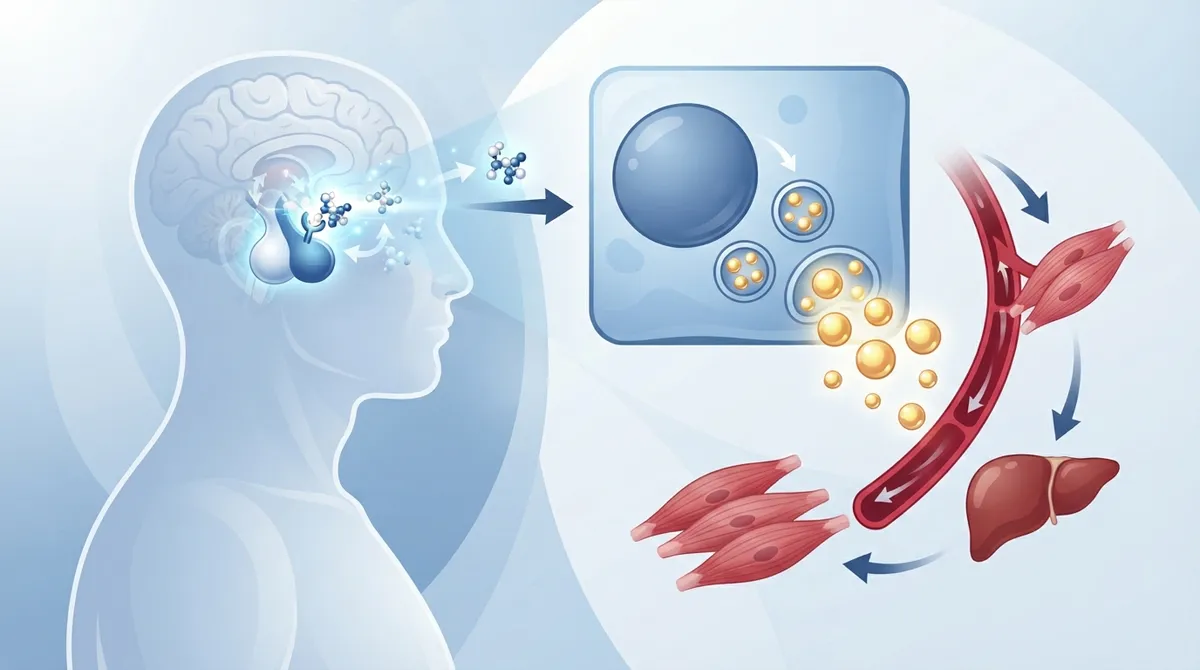
Ipamorelin belongs to a class of compounds called growth-hormone-releasing peptides. It works by attaching to a receptor in your body called GHSR-1a. This receptor sits in your pituitary gland, a small organ that controls many hormone functions.
When ipamorelin binds to this receptor, it signals your pituitary gland to release more growth hormone. This is an important distinction. Ipamorelin is not growth hormone itself. It is a trigger that tells your body to make more of its own.
This mechanism is why some wellness clinics have promoted ipamorelin for goals like:
- Supporting lean muscle mass
- Improving recovery after exercise
- Addressing signs of aging skin
- Aiding weight management efforts
- Supporting deeper sleep cycles
These are common wellness goals. But wanting a result does not mean a specific product is safe or proven to deliver it. That gap between hope and evidence is exactly where medical guidance becomes essential.

Why Ipamorelin Is Not FDA-Approved
This is the most important fact to understand before considering ipamorelin. The FDA has not approved ipamorelin for any human use. There is no FDA-approved prescribing label. There is no official dosing chart backed by clinical trials.
In October 2024, the FDA's Pharmacy Compounding Advisory Committee reviewed materials on ipamorelin. Their findings raised real concerns. The committee noted that current evidence does not establish the safety of subcutaneous ipamorelin. They also flagged worries about compounded injectable versions, including possible impurities and immune system reactions.
This matters because many wellness products sold online are compounded, meaning they are custom-mixed by a pharmacy rather than manufactured under strict FDA oversight. Compounded products can vary in purity and strength from batch to batch. Without FDA approval, there is no guarantee of consistent quality.
What the Research Actually Shows
Human research on ipamorelin is limited. A study from 1999 looked at healthy volunteers and found that ipamorelin did trigger growth hormone release in a dose-related pattern. That is useful pharmacology data, but it is not proof of long-term safety or benefit.
There is also a body of research examining ipamorelin for postoperative ileus, a hospital complication where bowel function is slow to return after surgery. This research was conducted in a clinical, supervised setting for a specific medical problem. It does not support using ipamorelin at home for weight loss, muscle building, or anti-aging.
|
What We Know |
What We Don't Know |
|---|---|
|
Ipamorelin stimulates growth hormone release |
Long-term safety of repeated use |
|
Early pharmacokinetic data exists in healthy adults |
Effective or safe dosing for wellness goals |
|
Studied for postoperative ileus in hospital settings |
Whether it works for muscle gain or anti-aging |
|
FDA reviewed compounding safety concerns in 2024 |
Risks for people with diabetes, cancer history, or pregnancy |
Why There Is No Safe Self-Use Protocol
One of the most common questions people ask is how to use ipamorelin at home, including dose size, timing, and injection method. The honest answer is that no validated, evidence-based protocol exists for wellness purposes.
Online forums and unregulated sellers may offer dosing suggestions. These come from personal experience or guesswork, not from clinical trials. Following such advice means you are testing an unapproved substance on yourself without medical supervision.
This is risky for several reasons:
- You cannot verify the purity or strength of a product bought without a prescription.
- You have no clinician monitoring your hormone levels or blood sugar during use.
- You do not know how the peptide might interact with existing health conditions.
- You have no plan for managing side effects if they occur.
- You may be using a product that has never been tested in the way you plan to use it.
Short-term studies cannot show what happens after months or years of stimulating growth hormone and IGF-1 levels. This uncertainty is a serious reason to avoid self-directed use.
Who Should Be Especially Cautious
Certain health conditions raise the stakes even further. If you fall into any of these categories, professional medical review is critical before considering any peptide product:
- People with diabetes or blood sugar regulation issues
- Anyone with a current or past cancer diagnosis
- Women who are pregnant or breastfeeding
- Patients with pituitary or hormone-related conditions
- Anyone taking medications that affect hormone levels
The specific risks and interactions for these groups are not well studied. This is another reason a conversation with a licensed clinician matters more than a product review you found online.
How a Primary Care Visit Helps You Decide
If you are curious about growth hormone support, sleep quality, or body composition changes, the right first step is a conversation with your doctor, not a purchase from an unregulated seller. A qualified clinician can:
- Review your full medical history and current medications
- Order lab work to check hormone levels, blood sugar, and organ function
- Explain what is and is not backed by solid evidence
- Discuss your actual goals, whether that is weight management, energy, or recovery
- Recommend approved, evidence-based options that fit your health profile
At InCare, our providers in Tampa and Riverview take this approach seriously. Rather than pushing an unapproved product, our team focuses on understanding your goals first. We offer services like body composition analysis, DNA gene testing, and metabolic breath analysis that give real, measurable data about your body. This information helps guide safer, evidence-based decisions about your wellness plan.
Evidence-Based Alternatives Worth Discussing
If your goal is better energy, improved body composition, or healthy weight management, there are approved and well-studied options that do not carry the same uncertainty as ipamorelin. These include:
- Medically supervised weight loss programs using approved medications and lifestyle coaching
- Comprehensive lab testing to identify hormone imbalances or nutrient gaps
- Structured exercise and nutrition plans built around your body composition data
- Approved treatments for specific conditions like low testosterone, when diagnosed by a physician
A visit to a provider who understands both primary care and wellness optimization means you get a plan built on your actual health data, not a generic protocol copied from a website.
Questions to Ask Before Considering Any Peptide
If you are still interested in learning more about peptides like ipamorelin, bring these questions to your next appointment:
- Is this product FDA-approved for my specific health goal?
- What does the current research actually show about safety and effectiveness?
- How would we monitor my health if I decided to move forward?
- Are there approved alternatives that address the same concern?
- What are the known risks, and what remains unknown?
A good clinician will answer these questions honestly, even if the answer is that more research is needed. That honesty is part of receiving trustworthy medical care.
Why Trustworthy Guidance Matters in Wellness
The wellness industry moves fast, and new peptides and trends appear constantly. It is easy to feel pressure to try the newest product before it is fully understood. But your long-term health is worth more than following a trend.
InCare combines advanced technology with real medical expertise to help patients make informed choices. Our team follows current FDA guidance and clinical evidence rather than marketing claims. You can also follow our updates and patient education content on Facebook, Instagram, and TikTok, where we share practical health information for our Tampa and Riverview communities.
Many patients in our area have shared their experiences with our clinic. You can visit us on Google — InCare to read reviews and see how our team approaches personalized care with honesty and clinical rigor.
Take the Next Step With Professional Guidance
Ipamorelin remains an unapproved substance with limited human research and real safety questions. If you are exploring options for weight management, energy, recovery, or healthy aging, the safest path forward starts with a conversation, not a self-administered injection based on internet advice.
Our team at InCare in Tampa and Riverview is ready to review your health history, discuss your goals, and recommend options grounded in real evidence. Schedule your wellness consultation today and get a plan built specifically for your body and your goals.
FAQs
Q: Is ipamorelin FDA-approved?
A: No, ipamorelin is not FDA-approved for any human use. There is no official FDA prescribing label or established dosing protocol, and the FDA's 2024 compounding review raised safety concerns about injectable versions.
Q: What does ipamorelin do in the body?
A: Ipamorelin binds to a receptor called GHSR-1a in the pituitary gland, signaling the body to release more growth hormone. It is not growth hormone itself, but a trigger that stimulates natural release.
Q: Is ipamorelin safe for weight loss, muscle gain, or anti-aging?
A: There is no robust clinical evidence proving ipamorelin is safe or effective for these common wellness goals. Available research is limited to early pharmacology studies and a hospital setting for postoperative bowel recovery.
Q: Is there an established ipamorelin dose or injection schedule?
A: No validated, evidence-based dosing or injection schedule exists for wellness use. Any protocol found online has not been confirmed through clinical trials and should not be treated as medical guidance.
Q: What should I ask my primary care clinician before considering ipamorelin?
A: Ask whether the product is FDA-approved, what current research actually shows, how your health would be monitored, and whether approved alternatives exist for your specific goal. A qualified provider can help you weigh the unknowns honestly.