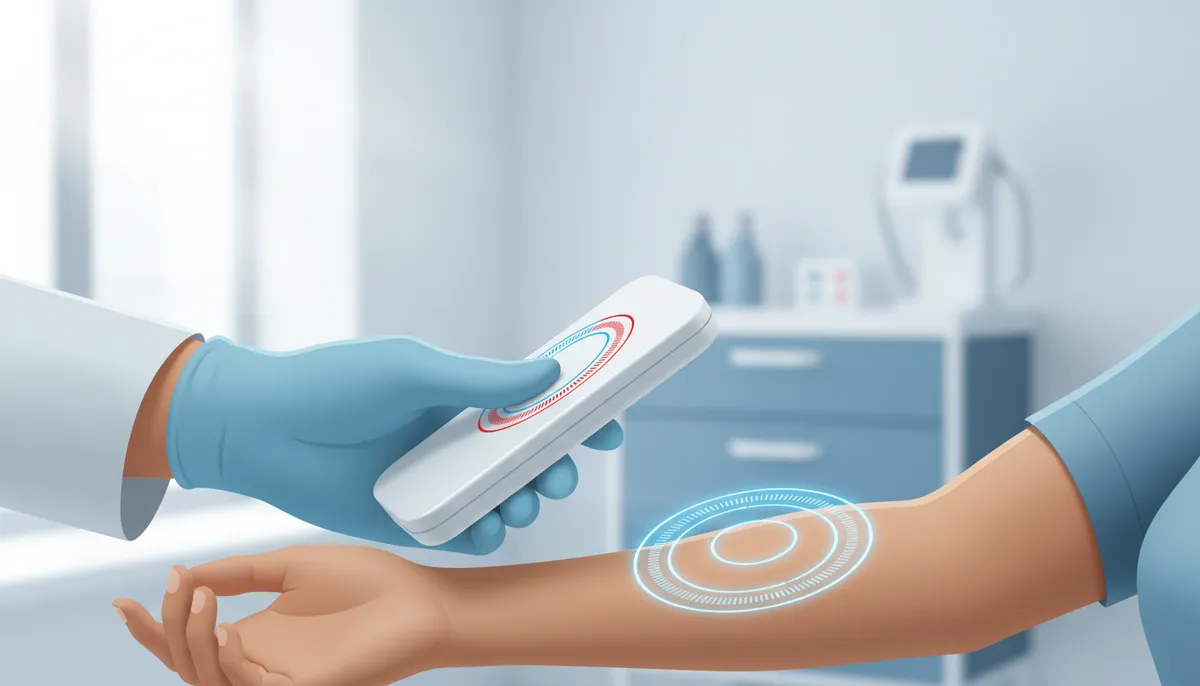
Key Takeaways
- Point of care testing delivers medical diagnostic results within minutes at the patient's location, enabling immediate treatment decisions.
- POCT improves patient satisfaction by eliminating waiting periods and allowing same-day diagnosis and treatment.
- Clinics offer various rapid tests including respiratory panels, blood glucose monitoring, and chronic disease screenings that take 5-30 minutes.
- Healthcare providers must follow strict CLIA compliance and quality control protocols to ensure testing accuracy and reliability.
- POCT reduces overall healthcare costs by minimizing unnecessary follow-up appointments and preventing redundant treatments.
- Immediate test results allow doctors to prescribe targeted treatments during the initial patient visit, preventing potential complications.
- Point of care testing expands diagnostic capabilities to community clinics and rural areas, improving healthcare access for more patients.
Point of care testing (POCT) changes how you receive healthcare. Instead of waiting days for lab results, you get answers in minutes during your doctor's visit. This rapid testing happens right where you are, whether in a primary care clinic, urgent care facility, or wellness center. The immediate results mean your doctor can make treatment decisions while you're still in the office, leading to faster care and better health outcomes.
Modern healthcare demands speed and accuracy. Point of care testing delivers both. These portable diagnostic tools have transformed patient experiences by eliminating the frustration of waiting for results and scheduling follow-up appointments. For conditions ranging from infections to chronic disease management, POCT puts answers in your hands quickly, allowing you to start treatment the same day.
At InCare, we understand that your time matters. Our state-of-the-art diagnostic technology brings laboratory-quality testing directly to your appointment, combining medical expertise with rapid results for comprehensive care you can trust.

Understanding Point of Care Testing Basics
Point of care testing refers to medical diagnostic testing performed at or near the patient location. Rather than sending samples to a central laboratory, healthcare providers use portable devices to analyze blood, urine, or other specimens immediately. These tests provide results within minutes, enabling real-time clinical decisions.
POCT devices range from simple handheld instruments to small analyzers operated by trained medical staff. The World Health Organization establishes ASSURED guidelines for effective point of care testing. These tests should be affordable, sensitive, specific, user-friendly, rapid and robust, equipment-free, and deliverable to those who need them.
The technology works through various methods depending on the test type. Blood glucose meters use electrochemical reactions. Rapid strep tests detect bacterial antigens. Pregnancy tests identify specific hormones. Each device is designed for accuracy while maintaining simplicity for clinic use.
Primary care offices have embraced POCT because it improves patient satisfaction and clinical workflows. Instead of asking patients to return for results, doctors can confirm diagnoses during the initial visit and prescribe appropriate treatment immediately.

Common Point of Care Tests in Primary Care
Primary care and wellness clinics offer numerous point of care tests to address immediate health concerns. Understanding which tests are available helps you know what to expect during your visit.
Infectious Disease Testing
Respiratory illness panels detect viruses and bacteria causing symptoms like cough, fever, and congestion. These tests identify flu, strep throat, COVID-19, and other common infections within 15 to 30 minutes. Quick diagnosis prevents complications and reduces unnecessary antibiotic use.
Urinary tract infection tests analyze urine samples for bacteria and white blood cells. Results appear in minutes, allowing doctors to prescribe targeted antibiotics immediately. This rapid turnaround prevents infection from spreading to kidneys.
Chronic Disease Management
Blood glucose testing monitors diabetes control through instant readings. Patients with diabetes benefit from immediate feedback on their blood sugar levels, helping adjust medications or lifestyle habits during the appointment.
Cholesterol screening measures lipid levels to assess heart disease risk. Point of care lipid panels provide total cholesterol, LDL, HDL, and triglyceride readings in approximately five minutes. These results guide treatment plans for cardiovascular health.
Hemoglobin A1C tests evaluate average blood sugar control over three months. This test helps doctors assess diabetes management effectiveness and make medication adjustments based on real data.
Wellness and Preventive Testing
Pregnancy tests detect human chorionic gonadotropin (hCG) hormone in urine with results in minutes. These tests provide immediate confirmation for family planning decisions.
International normalized ratio (INR) testing monitors blood clotting for patients taking anticoagulant medications. Rapid INR results ensure proper dosing to prevent dangerous blood clots or bleeding.
Test TypeTime to ResultsCommon UsesRespiratory Panel15-30 minutesFlu, strep throat, COVID-19Blood Glucose5 secondsDiabetes monitoringCholesterol5 minutesHeart disease riskUrinalysis2-5 minutesUTI, kidney functionPregnancy Test3-5 minutesPregnancy confirmation

Step-by-Step Guide to Receiving Point of Care Testing
Knowing what happens during point of care testing helps you prepare for your appointment and understand the process. Follow these steps for a smooth experience.
Step 1: Schedule Your Appointment
Contact your primary care provider to discuss your symptoms or health concerns. Mention that you're interested in same-day results if applicable. Many clinics offer walk-in urgent care services for acute conditions requiring immediate testing.
Inform the scheduler about any medications you take or existing health conditions. Some tests require fasting or specific preparation. Your provider will give clear instructions before your visit.
Step 2: Arrive for Sample Collection
Check in at the front desk and complete any necessary paperwork. A medical assistant or nurse will collect your sample based on the ordered test. This might involve a finger prick for blood, a throat swab for respiratory infections, or a urine sample.
Sample collection takes only a few minutes. The staff member will explain each step and answer questions about the testing process. Most procedures cause minimal discomfort.
Step 3: Wait for Rapid Results
Depending on the test type, results typically appear within 5 to 30 minutes. You may wait in the exam room or a comfortable waiting area. Some clinics provide estimated wait times so you know what to expect.
The testing device analyzes your sample using specialized technology. Healthcare staff monitor the process to ensure accuracy and proper function.
Step 4: Discuss Results with Your Provider
Your doctor reviews the test results and explains what they mean for your health. If the results show an infection or abnormality, your provider discusses treatment options immediately. You leave the appointment with a clear diagnosis and treatment plan.
For normal results, your doctor provides reassurance and guidance for maintaining your health. Either way, you avoid the anxiety of waiting days for answers.
Step 5: Begin Treatment Same Day
If treatment is necessary, your doctor writes prescriptions or provides recommendations before you leave. You can fill prescriptions at your pharmacy and start medication the same day. This immediate action prevents conditions from worsening and speeds recovery.
Your provider schedules follow-up appointments if needed to monitor your progress. For chronic conditions, regular POCT helps track treatment effectiveness over time.

Key Benefits of Point of Care Testing
Point of care testing offers significant advantages over traditional laboratory testing. These benefits improve both patient experiences and clinical outcomes.
Immediate Clinical Decisions
Doctors make informed treatment choices during your visit rather than waiting for lab results. This immediacy is crucial for conditions like strep throat, where early antibiotic treatment prevents complications such as rheumatic fever or kidney inflammation. Praxus Health's 2021 pilot program in Alberta primary care clinics demonstrated increased patient satisfaction when diagnoses were confirmed during the initial visit.
Reduced Healthcare Costs
Fewer follow-up appointments mean lower overall healthcare expenses. When results arrive immediately, you don't need to schedule additional visits or take time off work. Transportation costs decrease, and you avoid the inconvenience of multiple trips to the clinic.
Accurate rapid testing also prevents unnecessary treatments. If a respiratory panel shows a viral infection, your doctor won't prescribe antibiotics that won't help. This targeted approach saves money and reduces antibiotic resistance.
Improved Patient Satisfaction
Leaving the doctor's office with answers provides peace of mind. You understand your diagnosis and treatment plan immediately, reducing anxiety about unknown health issues. The convenience of same-day results fits better into busy schedules.
Patients report higher satisfaction when they receive confirmed diagnoses during their appointments. This transparency builds trust in the healthcare relationship and encourages better adherence to treatment plans.
Better Chronic Disease Management
For conditions like diabetes or heart disease, regular monitoring through point of care testing helps track progress effectively. Immediate feedback allows doctors to adjust medications or lifestyle recommendations based on current health status rather than outdated information.
Blood glucose readings during appointments help diabetes patients understand how their daily choices affect their health. Cholesterol testing shows whether dietary changes or medications are working to reduce heart disease risk.
Enhanced Access to Care
Point of care testing brings diagnostic capabilities to community clinics and rural areas where centralized laboratories may be distant. This expanded access ensures more people receive timely diagnoses and appropriate treatment regardless of location.
Wellness centers and urgent care facilities can provide comprehensive services without relying on external lab partnerships. This independence improves care coordination and patient experiences.
BenefitPatient ImpactHealthcare ImpactRapid ResultsSame-day diagnosis and treatmentImproved clinical decision-makingConvenienceFewer appointments and tripsBetter patient retentionCost SavingsLower out-of-pocket expensesReduced unnecessary treatmentsBetter OutcomesFaster recovery and preventionFewer complications
Quality Standards and Regulations for POCT
Point of care testing in clinical settings must meet strict quality and regulatory standards. Understanding these requirements ensures you receive accurate, reliable results.
CLIA Compliance
The Clinical Laboratory Improvement Amendments (CLIA) regulate all laboratory testing in the United States, including point of care testing. CLIA establishes quality standards for accuracy, reliability, and timeliness of patient test results.
Healthcare facilities performing POCT must obtain appropriate CLIA certification based on test complexity. Many point of care tests fall under waived or moderate complexity categories, allowing primary care offices to perform them with proper training and oversight.
Quality Control Procedures
Medical professionals follow strict quality control protocols to ensure accurate results. This includes regular calibration of testing devices, proper storage of test materials, and documentation of all testing activities.
Healthcare staff perform control tests using known samples to verify device accuracy before testing patient samples. These quality checks happen daily or according to manufacturer specifications. Any devices showing inaccurate readings are removed from service immediately.
Staff Training and Competency
Only trained healthcare professionals perform point of care testing. Staff members complete initial training on proper testing procedures, quality control, and result interpretation. Regular competency assessments ensure continued proficiency.
Proper training reduces user error and improves result accuracy. Medical professionals understand when to repeat tests, recognize invalid results, and know appropriate follow-up actions.
Medical Oversight
Licensed physicians or qualified healthcare providers oversee POCT programs in primary care settings. This medical direction ensures appropriate test selection, result interpretation, and patient care decisions based on findings.
Medical oversight includes reviewing quality control data, investigating any testing errors, and implementing corrective actions when needed. This supervision maintains high standards for patient safety and care quality.
Choosing a Primary Care Provider with Advanced POCT
Selecting a healthcare provider offering comprehensive point of care testing improves your access to rapid diagnostics and convenient care. Consider these factors when evaluating clinics.
Available Testing Options
Ask which point of care tests the clinic performs on-site. Comprehensive primary care practices offer a wide range of testing including respiratory panels, blood glucose, cholesterol screening, urinalysis, and pregnancy tests. More testing options mean fewer referrals to outside laboratories.
Inquire about specialized tests relevant to your health needs. If you have diabetes, ensure the clinic performs hemoglobin A1C testing. For heart disease concerns, confirm cholesterol panel availability.
Technology and Equipment Quality
Modern, well-maintained POCT devices produce more accurate results. Visit the clinic or check their website for information about their diagnostic technology. Practices investing in state-of-the-art equipment demonstrate commitment to quality care.
Look for clinics that regularly update their testing capabilities. Medical technology advances rapidly, and forward-thinking providers adopt new testing methods that improve patient outcomes.
Provider Experience and Training
Research the medical professionals on staff. Experienced doctors understand how to interpret POCT results within the context of your overall health. They make informed decisions about when testing is necessary and what results mean for your treatment.
Check online reviews and ratings to learn about other patients' experiences. Positive feedback about providers who take time to explain test results and answer questions indicates quality care.
Appointment Availability and Convenience
Point of care testing is most valuable when you can access it quickly. Evaluate whether the clinic offers same-day appointments, walk-in urgent care services, or extended hours. Convenient scheduling ensures you receive testing when you need it most.
Consider location accessibility. Clinics with multiple locations or telemedicine options provide flexibility for your healthcare needs. Some wellness services may combine virtual consultations with in-person testing when appropriate.
Comprehensive Care Integration
The best primary care practices integrate POCT into comprehensive healthcare services. Look for providers offering preventive care, chronic disease management, wellness programs, and urgent care alongside rapid diagnostic testing.
Integrated care means your test results inform all aspects of your health management. For example, cancer screening programs may utilize point of care tests as part of comprehensive prevention strategies. Weight loss programs benefit from rapid metabolic testing to personalize treatment plans.
Future Trends in Point of Care Testing
Point of care testing continues evolving with technological advances. Understanding emerging trends helps you anticipate future healthcare experiences.
Expanded Test Menus
Researchers develop new point of care tests for conditions previously requiring centralized laboratory analysis. Recent innovations include rapid cardiac biomarker tests for heart attack diagnosis and coagulation testing for stroke risk assessment.
Future POCT may include comprehensive metabolic panels, hormone testing, and even genetic screening performed during routine appointments. These advances will make primary care clinics more self-sufficient in diagnostic capabilities.
Smartphone Integration
Many new POCT devices connect to smartphones or tablets for result display and data storage. This connectivity enables automatic documentation in electronic health records and easier result sharing with patients.
Mobile health apps may soon allow patients to view their point of care test results immediately through secure platforms. This transparency improves patient engagement and health literacy.
Artificial Intelligence Applications
AI technology enhances point of care testing through improved result interpretation and pattern recognition. Machine learning algorithms can identify subtle abnormalities human reviewers might miss and suggest appropriate follow-up testing.
Artificial intelligence may also predict health risks based on POCT trends over time. This predictive capability supports preventive care strategies and early intervention for developing conditions.
Home-Based Testing Expansion
While professional point of care testing remains essential, consumer home testing devices continue improving. Future healthcare may involve patients performing certain tests at home with results automatically transmitted to their healthcare provider for review.
This hybrid approach combines the convenience of home testing with professional oversight, ensuring accuracy and appropriate follow-up care when needed.
Maximizing Benefits from Your POCT Experience
You can optimize your point of care testing experience by taking proactive steps before and during your appointments. These practical tips ensure you receive the full benefits of rapid diagnostic testing.
Prepare for Your Appointment
Follow any pre-test instructions carefully. Some tests require fasting or avoiding certain medications. Proper preparation ensures accurate results and prevents the need to repeat testing.
Write down your symptoms, questions, and concerns before your visit. Clear communication helps your doctor order the most appropriate tests for your situation.
Ask Questions About Testing
Don't hesitate to ask why your doctor recommends specific point of care tests. Understanding the purpose helps you appreciate how results will guide your treatment. Request explanations of what normal versus abnormal results mean for your health.
Inquire about test accuracy and whether any factors might affect results. Your doctor can explain limitations and when follow-up testing might be necessary.
Understand Your Results
Request a copy of your test results for your personal health records. Ask your provider to explain findings in clear language you understand. Don't leave the appointment confused about what results mean.
If results show abnormalities, discuss specific next steps. Understand whether you need medication, lifestyle changes, or additional testing. Clear action plans improve treatment adherence and outcomes.
Follow Through on Recommendations
Point of care testing is only valuable if you act on the results. Fill prescriptions promptly and take medications as directed. Implement lifestyle recommendations your doctor suggests based on test findings.
Schedule follow-up appointments or repeat testing as recommended. Chronic conditions require regular monitoring through POCT to track treatment effectiveness and adjust plans as needed.
Maintain Regular Testing Schedules
For chronic conditions like diabetes or heart disease, keep regular appointments for point of care monitoring. Consistent testing provides the data your doctor needs to optimize your treatment plan and prevent complications.
Preventive testing through annual wellness visits detects problems early when treatment is most effective. Don't skip these important health maintenance appointments.
Point of Care Testing at InCare
InCare brings advanced point of care testing to Tampa and Riverview communities through state-of-the-art diagnostic technology and experienced medical professionals. Our comprehensive approach to primary care includes rapid testing for immediate answers during your visit.
Whether you need urgent care for acute illness or ongoing management of chronic conditions, our POCT capabilities support faster diagnoses and better health outcomes. We combine rapid testing with personalized treatment plans that address your whole-body wellness.
Our modern facilities offer comfortable environments where you receive attentive care from skilled providers like Dr. Naveen Paddu, Dr. Pramjeet Ahluwalia, and Dr. Teshy John. Our team understands the importance of accurate testing and clear communication about your health status.
Beyond standard point of care testing, we offer advanced services including metabolic breath analysis and comprehensive wellness evaluations. These innovative diagnostics complement traditional POCT to provide deeper insights into your health.
Visit our Google Business Profile to read reviews from satisfied patients who appreciate our rapid diagnostic services and comprehensive care approach. Our 4.8-star rating reflects our commitment to patient satisfaction and clinical excellence.
Take Action for Better Health Today
Point of care testing transforms healthcare by delivering rapid results that enable immediate treatment decisions. This technology saves time, reduces costs, and improves health outcomes through faster diagnoses and targeted interventions. Understanding how POCT works and where to access it empowers you to make informed healthcare choices.
Whether you need testing for acute symptoms, chronic disease monitoring, or preventive wellness screenings, point of care testing provides the quick answers you deserve. Modern primary care combines this rapid diagnostic capability with comprehensive health services for complete care coordination.
Don't wait days for test results when you can receive answers during your appointment. Choose a healthcare provider offering advanced point of care testing integrated with personalized treatment plans. Your health deserves the advantage of immediate diagnostics and expert medical guidance.
Ready to experience the benefits of rapid diagnostic testing? Schedule your appointment today and discover how point of care testing can improve your healthcare experience. Connect with us on Facebook, Instagram, or TikTok to learn more about our comprehensive primary care and wellness services.
FAQs
Q: What is point of care testing in primary care?
A: Point of care testing (POCT) in primary care is rapid diagnostic testing performed at the patient's location, typically in a doctor's office or clinic. These tests use portable devices to analyze blood, urine, or other samples and provide results within minutes, allowing doctors to make immediate treatment decisions during your appointment without waiting for centralized laboratory results.
Q: How long does it take to get point of care test results?
A: Most point of care tests deliver results within 5 to 30 minutes, depending on the specific test type. Blood glucose readings appear in seconds, while respiratory illness panels may take 15 to 30 minutes. This rapid turnaround allows your healthcare provider to discuss findings and prescribe treatment during your same visit, eliminating the need to wait days for traditional lab results.
Q: Are point of care tests as accurate as laboratory tests?
A: Yes, point of care tests meet strict regulatory standards for accuracy and reliability. Healthcare facilities performing POCT must comply with CLIA regulations, follow quality control procedures, and maintain trained staff to ensure accurate results. Modern POCT devices provide laboratory-quality diagnostics at the point of care, with regular calibration and oversight by medical professionals.
Q: What types of health conditions can be diagnosed with point of care testing?
A: Point of care testing diagnoses numerous conditions including respiratory infections (flu, strep throat, COVID-19), urinary tract infections, diabetes complications, and cardiovascular risks through cholesterol screening. POCT also monitors chronic conditions like diabetes through blood glucose and hemoglobin A1C testing, evaluates pregnancy status, and assesses blood clotting function for patients on anticoagulants.
Q: Does insurance cover point of care testing?
A: Most insurance plans cover medically necessary point of care testing performed in primary care settings, similar to traditional laboratory testing. Coverage varies by insurance provider and specific plan details, so verify benefits with your insurance company before your appointment. Many patients find POCT reduces overall healthcare costs through fewer follow-up visits and more targeted treatment decisions.